5.3 Industrialization Begins

🌍AP World History: Modern Unit 5 Review
5.3 Industrialization Begins
🌍 AP World History: Modern
5.1
The Enlightenment
5.2
Nationalism and Revolutions from 1750-1900
5.3
Industrialization Begins
5.4
Industrialization Spreads, 1750 to 1900
5.5
Technology in the Industrial Age
5.6
Government's Role in Industrialization from 1750-1900
5.7
Economic Developments and Innovations in the Industrial Age
5.8
Reactions to Industrialization, 1750-1900
5.9
Social Effects of Industrialization
5.10
Continuity and Change in the Industrial Age
The Industrial Revolution began in Great Britain in the mid-1700s because a mix of environmental and economic factors came together in one place. Access to rivers and canals, large deposits of coal and iron, more productive farming, legal protection of private property, urbanization, foreign resources, and built-up capital all helped factory production expand, especially once steam engines increased power and efficiency.
Industrialization in AP World History
AP World Topic 5.3 asks why industrialization began from 1750 to 1900, especially why Great Britain industrialized first. The short answer is that Britain had environmental advantages, economic conditions, and energy resources that reinforced one another.
For the exam, group the causes into two buckets: environmental factors such as waterways, coal, iron, timber, and fossil fuels; and economic factors such as agricultural productivity, private property protection, access to foreign resources, and accumulated capital.
Why This Matters for the AP World History Exam
Topic 5.3 is about causation: why industrialization started where and when it did. On the AP World History exam, you can be asked to explain the causes of industrialization, compare why some regions industrialized first, or analyze sources tied to early factory production and energy use. Knowing the specific environmental and economic factors gives you concrete evidence to support a thesis instead of vague claims like "Britain just had good resources."
This topic also sets up the rest of Unit 5. Once you understand why industrialization began, the later topics on how it spread, the technology it produced, government's role, and its social effects make a lot more sense.
Key Takeaways
- Industrialization grew from a combination of factors, not one single cause: waterways, coal and iron and timber, urbanization, better farming, private property protection, foreign resources, and capital accumulation.
- Geography mattered a lot. Britain sat on top of coal and had rivers and canals that made it cheap to move fuel and goods.
- The fossil fuels revolution was a turning point. Steam engines and later the internal combustion engine let societies use energy stored in coal and oil, which dramatically increased the power available for production.
- Improved agricultural productivity freed up workers, who moved from farms to growing cities.
- Legal protection of private property and built-up capital encouraged people to invest in new machines and factories.
- Access to foreign resources and markets helped supply raw materials and fund industrial growth.
Environmental Factors Behind Industrialization
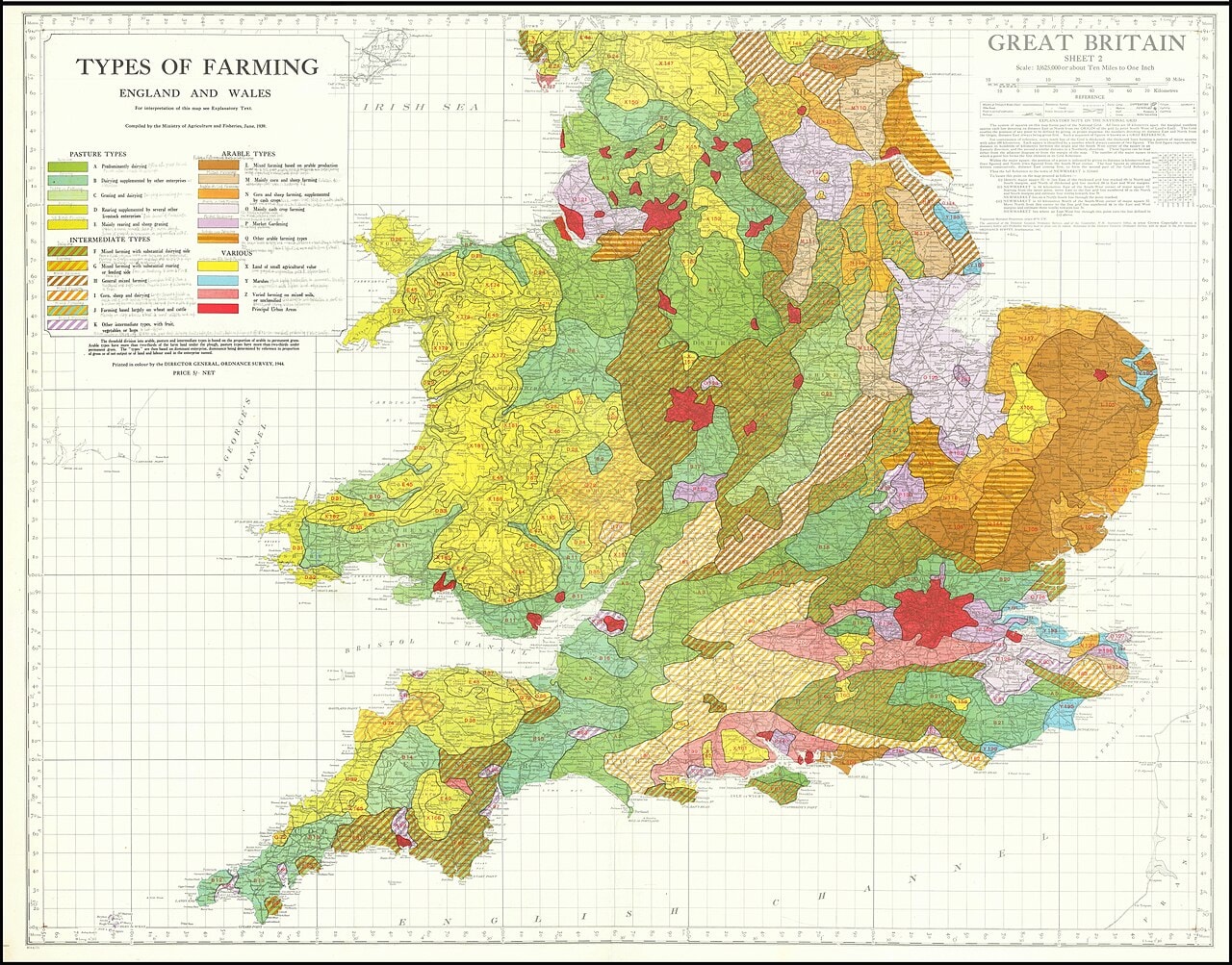
Industrialization started where the right physical conditions lined up. These environmental factors lowered costs and made large-scale production possible.
- Proximity to waterways: Rivers and canals provided water power and cheap transportation for raw materials and finished goods.
- Coal, iron, and timber: The location of these resources mattered. Coal fueled engines, iron built machines and infrastructure, and timber supplied construction and early fuel.
- Urbanization: Growing cities concentrated workers near production sites.
Britain is the clearest example. It had large coal deposits and a strong network of navigable rivers and canals, so it could extract and move fuel and materials more cheaply than many other regions. This is an example of how geography gave one region an early edge, not a rule that geography alone causes industrialization.
Economic Factors Behind Industrialization
Physical resources were not enough on their own. Economic conditions had to support investment and a steady labor supply.
- Improved agricultural productivity: When farms produced more food with fewer workers, people were freed to take jobs elsewhere, often in cities.
- Legal protection of private property: When people could safely own property and profit from new ideas, they were more willing to invest in machines and factories.
- Access to foreign resources: Raw materials and markets from outside a region helped supply industry and create demand for goods.
- Accumulation of capital: Built-up wealth from trade and earlier economic activity could be reinvested into new factories, machinery, and infrastructure.
The Fossil Fuels Revolution
The shift to fossil fuels is the heart of why industrialization changed human history so much.
Before this, human societies relied mostly on muscle, wind, water, and burning wood for energy. The development of machines, including the steam engine and later the internal combustion engine, made it possible to tap the huge amounts of energy stored in coal and oil. That fossil fuels revolution greatly increased the energy available to human societies, which meant far more production, faster transportation, and the ability to run machines around the clock.
Keep this cause-and-effect chain straight: resources and capital and labor made industrialization possible, but fossil-fuel-powered machines made it explosive.
How Factors Worked Together
No single factor created the Industrial Revolution. They reinforced each other. This table shows how the main causes connected.
| Factor | Role in Industrialization |
|---|---|
| Waterways and canals | Provided power and cheap transportation |
| Coal, iron, and timber | Fueled engines and supplied building materials |
| Improved agricultural productivity | Freed up labor and increased the food supply |
| Urbanization | Concentrated workers near factories |
| Legal protection of private property | Encouraged investment and innovation |
| Access to foreign resources | Supplied raw materials and markets |
| Accumulation of capital | Financed factories, machines, and infrastructure |
How to Use This on the AP World History Exam
Causation
If a question asks why industrialization began in a particular place, build your answer around specific factors rather than one broad reason. Strong responses might pair an environmental factor (coal deposits, rivers) with an economic factor (capital accumulation, private property protection) and then connect them to the rise of fossil-fuel-powered machines.
Comparison
You may need to explain why one region industrialized earlier than another. Use the factor list as a checklist: did the region have accessible coal and iron, navigable waterways, surplus capital, and a labor supply freed by productive farming? Differences in those factors help explain different timelines.
Using Sources Effectively
Sources about early factories, coal mining, energy use, or city growth connect directly to this topic. Tie what a source shows back to the causes of industrialization, and use the source's point of view or purpose to support your argument.
Common Trap
Do not stop at "Britain had resources." Name the specific resources and explain how they combined with economic conditions and new machines. Vague causation loses points.
Common Misconceptions
- Misconception: Industrialization had one main cause.Actually: It came from several factors working together. Listing only coal, or only colonies, misses the point of how the causes reinforced each other.
- Misconception: Geography alone explains it.Actually: Resources like coal and rivers helped, but legal protections, capital, labor supply, and access to foreign resources were just as important.
- Misconception: The steam engine started the Industrial Revolution by itself.Actually: Machines mattered enormously, but they built on existing conditions like available resources, capital, and a labor force. The bigger story is the fossil fuels revolution making new energy available for production.
- Misconception: Industrialization helped everyone equally.Actually: It raised living standards for some and created hard conditions for many workers. That uneven effect shows up more in later topics, but it is worth keeping in mind here.
- Misconception: The factory system and assembly line are the same thing as the causes in this topic.Actually: The factory system is an effect and a method of production. For this topic, stay focused on the environmental and economic factors that made industrialization possible in the first place.
Related AP World History Guides
Practice Questions for 5.3
1 of 10
The rapid growth of industrial cities in the Ruhr Valley of Germany after 1850 is best explained by which characteristic of the broader industrialization process?
A.
Skilled engineers aided industry, but geographic mineral resources drove Ruhr growth.
B.
Concentration of coal and iron with river transport enabling large-scale manufacturing.
C.
Improved agriculture increased labor supply, but not Ruhr's mineral advantage.
D.
Protectionist trade policies limited imports and encouraged local manufacture.
Vocabulary
The following words are mentioned explicitly in the AP® course framework for this topic.Term | Definition |
|---|---|
agricultural productivity | The efficiency and output of farming, including improved crop yields and production methods that freed labor for industrial work. |
capital accumulation | The gathering of wealth and resources available for investment in new industries, machines, and production. |
coal | A fossil fuel formed from ancient plant material, widely used as an energy source during the Industrial Revolution. |
fossil fuels | Energy resources formed from ancient organic matter, including coal and oil, that powered industrial development. |
Industrial Revolution | The period of rapid industrial growth and social change, roughly from 1750 to 1900, characterized by the shift from agrarian economies to industrial production. |
internal combustion engine | An engine that generates power by burning fuel inside a cylinder, used to power vehicles and machinery. |
iron | A metal element essential for manufacturing machinery, tools, and infrastructure during industrial production. |
oil | A fossil fuel extracted from underground deposits, used as an energy source and raw material for industrial production. |
private property | Legal ownership of land and resources by individuals or corporations, which incentivized investment in industrial development. |
steam engine | A machine that converts heat energy from burning fuel into mechanical power, enabling factories and transportation to operate independently of water power. |
timber | Wood harvested from forests, used as a raw material for construction and fuel during industrial development. |
urbanization | The process of population concentration in cities and the growth of urban areas as a result of migration and industrialization. |
waterways | Natural or artificial channels of water, such as rivers and canals, used for transportation of goods and power for mills. |
Frequently Asked Questions
What is industrialization in AP World History?
Industrialization is the shift toward machine-based production powered by new energy sources, especially fossil fuels. In AP World Topic 5.3, the focus is on why this process began in Great Britain.
Why did industrialization begin in Great Britain?
Industrialization began in Great Britain because environmental and economic factors came together there. Britain had waterways, coal, iron, timber, agricultural productivity, private property protection, foreign resources, and accumulated capital.
What environmental factors contributed to industrialization?
Important environmental factors included proximity to waterways, access to rivers and canals, and the geographical distribution of coal, iron, and timber.
What economic factors contributed to industrialization?
Important economic factors included improved agricultural productivity, legal protection of private property, access to foreign resources, and accumulation of capital.
Why were fossil fuels important to industrialization?
Fossil fuels such as coal and oil stored large amounts of usable energy. Machines like steam engines and internal combustion engines made it possible to use that energy for production and transportation.
How should I use Topic 5.3 in an AP World FRQ?
Use Topic 5.3 as causation evidence. Name specific environmental and economic factors, then explain how they combined to make factory production and fossil-fuel-powered machinery possible.
See Fiveable more often in Google
Mark Fiveable as a preferred source and Google is more likely to show you our guides in Top Stories, with a "preferred" badge in AI Mode and AI Overviews.