TLDR
From 1450 to 1750, rulers of land-based empires kept control by building loyal bureaucracies and professional militaries, using religion and grand architecture to look legitimate, and setting up tax systems to fund the state. Examples like the Ottoman devshirme, Mughal zamindars, and the Palace of Versailles all show the same goal: consolidate power and pay for expansion.

Why This Matters for the AP World History Exam
This topic centers on a single big question: how did rulers legitimize and consolidate power? That is exactly the kind of analysis the exam rewards. You will use these methods to explain causation (why empires stayed centralized), continuity and change (older ideas like the Mandate of Heaven reappearing as new systems), and comparison (how the Ottomans, Mughals, Qing, and European monarchs achieved control in similar and different ways). Unit 3 makes up roughly 12-15% of the exam, so getting comfortable with these administrative tools gives you strong evidence for multiple-choice questions and written responses across the period.
The key skill is recognizing the three main strategies and then matching specific examples to each one. The examples below are illustrative, not required, but they make excellent evidence if you can explain how each one helped a ruler hold power.
Key Takeaways
- Rulers consolidated power through three main tools: bureaucratic and military elites, religious and artistic legitimacy, and revenue from taxes and tribute.
- Bureaucratic and military elites (like the Ottoman devshirme and Japan's salaried samurai) gave rulers loyal, trained administrators without creating rival power bases, at least at first.
- Religion, art, and monumental architecture signaled a ruler's right to rule, from the Inca sun temple at Cuzco to Mughal mausolea to Versailles.
- Divine right in Europe parallels older ideas like the Mandate of Heaven; rulers across regions claimed religious backing.
- Tax systems varied: tax farming in the Ottoman Empire, zamindar collection in the Mughal Empire, tribute lists in the Mexica state, and silver taxes in Ming China.
- Many of these systems had downsides over time, such as hereditary Janissaries or inflation from too much silver.
Administering a Land-Based Empire
Empires are complex political organizations, and how they were organized is key to understanding them. Rulers from 1450 to 1750 used a mix of methods to legitimize their rule and keep centralized control. The three big categories are people (elites who run the government and army), symbols (religion and architecture), and money (taxes and tribute).
Bureaucratic and Military Elites
Rulers needed trained people to run the empire and lead the army. Bureaucratic elites held power because of their education and expertise; they implemented policies, managed resources, and kept records. Military elites held power through rank and led troops or made strategic decisions. Some empires leaned heavily on military establishments to run the government, including the unglamorous paperwork side.
The Ottoman devshirme system is a strong example. Children who were not Muslim were recruited, given both military and academic training, and then assigned either to elite military units known as the Janissaries or to administrative roles in the capital. The system recruited talented individuals, and because these positions were not initially hereditary, they did not create a rival power base to challenge the Sultan. That advantage faded by the late 1600s when Janissaries were allowed to pass their positions to their children.
During the Tokugawa Shogunate in Japan, the role of the samurai shifted. After Japan unified around 1600, there were no more local wars, so the samurai lost their traditional warrior role. To keep them from becoming a source of instability, the Tokugawa shoguns gave many samurai administrative jobs, including managing land. There were not enough positions for everyone, though, and some became ronin (masterless samurai).
The lesson here: military elites can be both an asset and a liability. A trained warrior class without a clear purpose can threaten the stability rulers worked to build.
Art, Monuments, and Architecture as Legitimacy
Leaders across these empires built large monuments for many reasons: to reinforce ties to a religion, to display military power, to promote trade, or sometimes simply to show off wealth and status. The common thread is that these projects made rulers look powerful and legitimate.
Religious Buildings
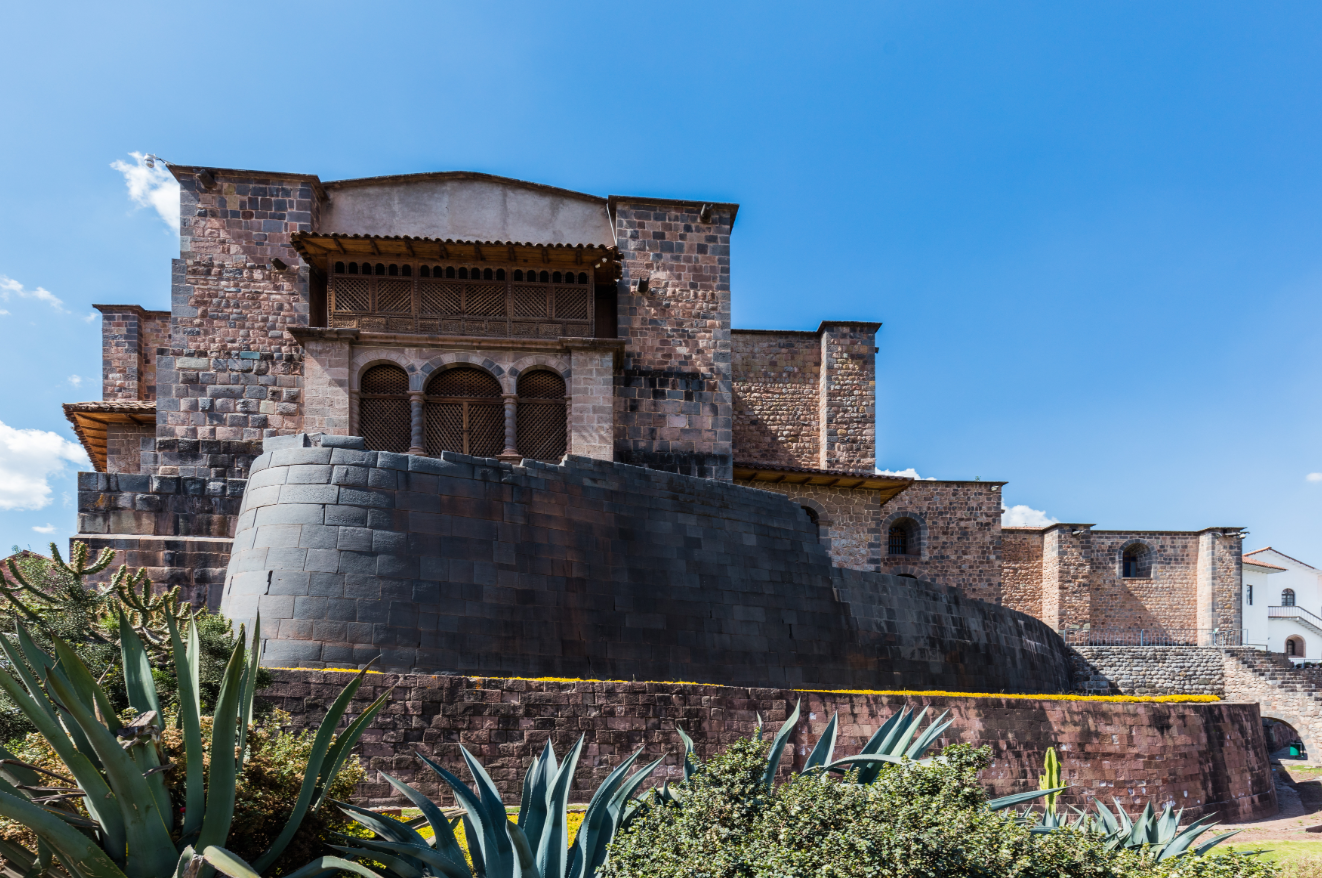
In both the Inca and Mughal empires, rulers used religion to reinforce their authority. In Cuzco, the Inca capital, a gold-covered sun temple stood above most of the city, letting rulers conduct ceremonies in full view of their subjects and reinforcing their connection to the sun god Inti. Later, the Spanish tore down the temple and built a church on top of it to emphasize the victory of Christianity over the Inca.
In the Mughal Empire, rulers built mausolea (tombs) that blended traditional and Persian Islamic styles. Mughal architecture became its own recognized category of Islamic architecture in South Asia. The best-known example is the Taj Mahal, built as a tomb for a Mughal emperor's wife. It looks like a mosque, with a dome and minarets, and its interior is covered in passages from the Quran. These features reinforced the piety and faith of Mughal rulers.
Military Strength
The Palace of Versailles in France, built by Louis XIV, is famous for its gilded rooms, lavish gardens, and grand parties. It also served as a parade ground for military demonstrations. Louis XIV ruled a newly centralized France, and he kept his nobles in line by having them live part of the year at Versailles and by staging military displays in front of them and foreign delegates.
Religion and the Right to Rule
Beyond buildings, rulers used religion to claim a right to rule granted by a divine power.
The term divine right comes from European history, though the idea was not new. Since the end of the Roman Empire, many European monarchs from Russia to France claimed to rule in the name of the Christian God. This did not mean the rulers were divine; it meant they ruled with God's permission. That idea is similar to the Mandate of Heaven in imperial China.
In the Songhai Empire in Africa, the ruling family promoted Islam, as Mali and Ghana had before them. Songhai rulers brought in more Islamic scholars and spread the religion more forcefully than Mali rulers, who had not forced conversions. Many Songhai rulers took the name Muhammad after the Islamic prophet, and local scholars spread a story that the empire's founder, Muhammad I Askia, was protected by a jinn, a spirit in Islamic tradition.
In the Mexica (Aztec) state, a confederation of three cities, rulers maintained a close relationship with the priest class. Rulers launched campaigns to capture prisoners of war and demand human tribute from subject peoples to continue the practice of human sacrifice, which the priests said the gods demanded. The Mexica state subjected most other peoples in central Mexico in return for tribute in goods and people, tracked through tribute lists. In exchange for sacrifice victims, priests legitimized the rule of Mexica leaders. The practice was not new in the Americas, but the scale of Mexica sacrifices made them unpopular with neighboring peoples.
Taxes and Tribute
Every empire needs revenue. A core feature of any state is a system to collect value, in money or other forms, and then distribute it.
Sometimes specific classes of people collected taxes. The salaried samurai in Japan and the zamindars in the Mughal Empire were military figures who also collected taxes for the central government. In the Mughal case, Muslim rulers gave local Hindu princes the job of collecting taxes as zamindars, which helped bring them into the government.
Other governments sold the right to collect taxes, a practice called tax farming. The Ottoman Empire is the most famous example. The Sultan would give a non-government official the right to collect taxes at their own rate from a set of villages for a fixed time, in return for an upfront payment. This raised money quickly but could slow long-term development, since a tax farmer might tax people so heavily that no surplus remained.
Taxes could also be collected in different forms. When metal currency was scarce and paper money was not common, taxes were often paid in labor or goods (a "tax in kind"). In the Ming Empire, Spanish colonization of the Americas flooded the empire with silver, so the government decided to collect all taxes in silver. This monetized the economy and made it easier to pay for services and support the bureaucracy, but the growing silver supply eventually caused inflation.
How to Use This on the AP World History Exam
Comparison
Practice grouping examples by method, not by empire. For a comparison prompt, you want to show that different empires used similar tools and explain how. Example: both the Ottoman devshirme and the Mughal zamindar system brought outsiders or local elites into government, but the devshirme recruited and trained non-Muslim youth while the zamindars were existing local princes incorporated into the system.
Continuity and Change
Look for ideas that carried over and got reused. Divine right in Europe echoes the older Mandate of Heaven in China. The Mexica practice of human sacrifice was not new in the Americas, but its scale changed. These are strong continuity-and-change points.
Causation
Be ready to explain why a method was used and what it caused. The devshirme gave the Sultan loyal administrators without a rival power base, but allowing hereditary Janissary positions later weakened that advantage. Ming silver taxes monetized the economy but caused inflation. Cause and effect like this makes your analysis stronger.
Using Sources Effectively
If you get a document about a monument, a tax record, or a ruler's claim to authority, ask what method of legitimization or control it shows. A tribute list, an imperial portrait, or a description of Versailles can all be read as evidence of how a ruler consolidated power.
Common Misconceptions
- These methods are not unique to one empire. Bureaucratic elites, religious legitimacy, and tax systems appear across the Ottoman, Mughal, Qing, European, and American states. The exam wants you to see the shared patterns.
- The devshirme did not start out as a hereditary system. Its strength was that positions were initially not inherited, which is why the shift to hereditary Janissary roles by the late 1600s mattered.
- Divine right did not mean the ruler was a god. It meant the ruler claimed to govern with God's permission, similar to the Mandate of Heaven.
- Tax farming was not free money with no cost. It raised quick revenue but could hurt long-term growth when tax farmers overtaxed people.
- Monuments were not just decoration. Buildings like the sun temple at Cuzco, Mughal mausolea, and Versailles were tools to project religious connection, faith, or military power.
- Human sacrifice in the Mexica state was not a brand-new invention. It existed earlier in the Americas; the Mexica expanded its scale, which made them unpopular with subject peoples.
Related AP World History Guides
Vocabulary
The following words are mentioned explicitly in the College Board Course and Exam Description for this topic.Term | Definition |
|---|---|
bureaucratic elites | Educated officials and administrators appointed by rulers to manage government functions and maintain centralized control. |
centralized control | A system of government where power is concentrated in the hands of a central authority rather than distributed among local rulers. |
consolidate power | To strengthen and secure a ruler's control over their territory and subjects. |
devshirme | The Ottoman system of recruiting young boys from conquered territories to serve as elite military and administrative officials. |
divine right | The European political concept that a ruler's authority to govern comes directly from God and cannot be questioned. |
human sacrifice | The Mexica religious practice of offering human lives to the gods as a means of legitimizing state power and maintaining cosmic order. |
legitimize | To establish or justify the right of a ruler to hold power through various methods and institutions. |
military professionals | Trained soldiers and military officers employed by rulers to maintain order and expand state power. |
monumental architecture | Large-scale buildings and structures constructed by rulers to display power, religious devotion, and state authority. |
samurai | Japanese military professionals who served feudal lords and were compensated with regular salaries rather than land grants. |
tax farming | A system where rulers grant the right to collect taxes to private individuals or officials who keep a portion of the collected revenue. |
tribute collection | The practice of demanding goods, resources, or payments from conquered or subordinate peoples as a sign of submission and source of revenue. |
zamindar | A Mughal tax collector or landowner who collected taxes on behalf of the state in exchange for a portion of the revenue. |
Frequently Asked Questions
What is empire administration and why did rulers need it from 1450-1750?
Empire administration = the systems rulers used to run large land-based states (bureaucracies, tax systems, military recruitment, and propaganda). From 1450–1750 rulers needed administration to centralize control over diverse populations and resources, extract revenue for armies/expansion, and legitimize authority. You should link this to CED Learning Objective B: examples include bureaucratic elites and military professionals (Ottoman devshirme → janissaries, salaried samurai), tax systems (Mughal zamindars, Ottoman iltizam, Ming silver tax), and legitimacy tools (divine right, Songhai promotion of Islam, Mughal mausolea, Qing imperial portraits). On the AP exam, use these specific examples in SAQs/LEQs/DBQs to show causation and continuity/change. For a quick review, check the Topic 3.2 study guide (https://library.fiveable.me/ap-world-history/unit-3/governments-land-based-empires/study-guide/GTHRvROodody3EXJu18d) and the Unit 3 overview (https://library.fiveable.me/ap-world-history/unit-3). Practice questions are at (https://library.fiveable.me/practice/ap-world-history).
How did empires actually control all their territory and people?
Empires controlled territory by combining administrative, ideological, fiscal, and military strategies. Practically, they recruited bureaucratic elites and military professionals (Ottoman devshirme → janissaries; salaried samurai) to staff centralized governments and enforce policy. Rulers legitimated power with religion and culture (divine right, Songhai’s promotion of Islam, Mexica human sacrifice) and with art/monumental architecture (Qing imperial portraits, Mughal mausolea, Versailles) to shape loyalty. Fiscal systems—tribute lists, tax farming (Ottoman iltizam), zamindar collection, Ming silver taxes—generated revenue to sustain bureaucracy and armies. These methods appear on AP prompts about governance and require you to connect evidence to concepts (legitimization, centralization, revenue) in short answers and essays. For a focused review, use the Topic 3.2 study guide (https://library.fiveable.me/ap-world-history/unit-3/governments-land-based-empires/study-guide/GTHRvROodody3EXJu18d) and practice questions (https://library.fiveable.me/practice/ap-world-history) to prep for DBQ/LEQ evidence use.
What's the difference between the Ottoman devshirme system and regular military recruitment?
The Ottoman devshirme was a state-run levy: Christian boys from the Balkans were taken as a form of tribute, converted to Islam, and trained as janissaries or bureaucrats tied personally to the sultan. That made them a salaried, professional, centrally controlled elite with loyalty to the state, social mobility, and recruitment based on the system rather than birth. Regular military recruitment (or feudal levies) relied on volunteers, local conscription, or hereditary warrior classes—forces raised by nobles or communities whose loyalty was often regional or tied to lineage, not directly to the ruler. Devshirme was compulsory and bureaucratic; regular methods were more decentralized and could reinforce aristocratic power. For AP Topic 3.2, devshirme is an illustrative example of rulers creating professional military/bureaucratic elites to centralize authority (see the unit 3 study guide: https://library.fiveable.me/ap-world-history/unit-3/governments-land-based-empires/study-guide/GTHRvROodody3EXJu18d). For extra practice, try problems at https://library.fiveable.me/practice/ap-world-history.
Why did rulers use religious ideas to legitimize their power instead of just forcing people to obey?
Rulers used religious ideas because legitimacy built on belief lasted longer and cost less than pure force. If people thought the ruler had divine sanction (divine right in Europe, Songhai promotion of Islam, or Mexica ritual justifications), they were more likely to accept taxes, laws, and bureaucratic elites (like salaried samurai or Ottoman janissaries) without constant coercion. Religion also tied rulers to shared cultural symbols—monumental architecture and court rituals reinforced that claim. That made administration and recruitment of elites easier and stabilized succession. On the AP exam, link this to Learning Objective 3.2.B: explain how rulers used religion, art, and bureaucracy to legitimize rule. For quick review, check the Topic 3.2 study guide (https://library.fiveable.me/ap-world-history/unit-3/governments-land-based-empires/study-guide/GTHRvROodody3EXJu18d) and practice questions (https://library.fiveable.me/practice/ap-world-history).
How do I compare different tax collection systems like Mughal zamindars vs Ottoman tax farming for an essay?
For an essay, compare purpose, method, degree of central control, and social effects. - Purpose: Both raised revenue to fund state power and military expansion (CED: tax-collection systems). - Method: Mughal zamindars were local landholders who assessed/collected peasant rents (often hereditary or semi-official), giving a fixed share to the state and keeping the rest. Ottoman iltizam (tax farming) sold the right to collect taxes to private contractors for short terms—contractors paid upfront and kept surplus. - Central control: Zamindari tied elites into administration/legitimacy; Mughals sometimes integrated or co-opted them. Iltizam let the Ottoman center flexibly monetize revenue but risked local abuse and weaker oversight. - Effects: Zamindars could stabilize local governance but ossify elites; tax farming gave quick revenue but encouraged over-extraction and unrest. Use comparison as your analytical frame (similarities/differences + causation/continuity). For more CED-aligned review, see the Topic 3.2 study guide (https://library.fiveable.me/ap-world-history/unit-3/governments-land-based-empires/study-guide/GTHRvROodody3EXJu18d) and practice questions (https://library.fiveable.me/practice/ap-world-history).
What exactly was the devshirme system and how did it help the Ottomans stay in power?
The devshirme was an Ottoman system (14th–17th centuries) where Christian boys from the Balkans were taken, converted to Islam, trained, and put into state service—mainly as janissary soldiers or bureaucrats. It created a loyal, professional military and administrative elite not tied to local hereditary nobles. Because janissaries and converted officials owed their status directly to the sultan, the regime reduced the power of rival aristocracies and staffed key posts with people whose advancement depended on imperial favor. That helped centralize control, stabilize tax collection and military capacity, and legitimize rule through a merit-based (though coerced) bureaucracy—exactly the sort of recruitment strategy the CED highlights under Topic 3.2 (see “Ottoman devshirme,” janissaries). For quick review tied to the AP framework, check the Topic 3 study guide (https://library.fiveable.me/ap-world-history/unit-3/governments-land-based-empires/study-guide/GTHRvROodody3EXJu18d) and practice questions (https://library.fiveable.me/practice/ap-world-history).
I'm confused about how tribute collection actually worked - can someone explain it simply?
Think of tribute as a regular payment empire rulers required from conquered peoples—but it wasn’t one single system. Simple rundown: - What was paid: goods (corn, textiles, precious metals), labor, or cash. E.g., Mexica used tribute lists of specific goods; Ming shifted toward taxes paid in silver. - Who collected it: central officials, local intermediaries, or private contractors. Mughal zamindars collected taxes for the state; Ottomans used iltizam (tax farming) where contractors bought the right to collect taxes. - How it worked: rulers set quotas, kept records, and used local elites or military force to enforce payments. Some systems (tax farming) made collection efficient but could be abusive. - Why it mattered: tribute funded bureaucracy, armies, and monumental projects—a key way empires legitimated and consolidated power. For AP answers, use specific examples (Mexica lists, zamindars, iltizam, Ming silver) and connect them to state-building. See the Topic 3.2 study guide for quick examples (https://library.fiveable.me/ap-world-history/unit-3/governments-land-based-empires/study-guide/GTHRvROodody3EXJu18d) and try practice questions (https://library.fiveable.me/practice/ap-world-history).
Why did the Mexica practice human sacrifice if it was so brutal and people hated it?
Short answer: Mexica human sacrifice tied religion to state power. Their cosmology said gods (especially the sun) needed human offerings to keep the world going, so rulers presented sacrifices as necessary for survival—a powerful legitimizing story (CED LO B: use of religious ideas). Practically, sacrifices also reinforced social order: ritualized public ceremonies displayed elite control, rewarded warrior elites with captives from tribute wars, and intimidated rivals. That made tribute, military service, and loyalty feel sacred rather than just political. Not everyone liked or accepted it—there were dissenting voices and some communities resisted—but for many Mexica it was normalized as state religion and a tool of administration. For AP review, connect this to how rulers used religious ideas to legitimize rule (Topic 3.2) and check the unit 3 study guide (https://library.fiveable.me/ap-world-history/unit-3/governments-land-based-empires/study-guide/GTHRvROodody3EXJu18d). For extra practice, try Fiveable’s AP questions (https://library.fiveable.me/practice/ap-world-history).
What were the long-term effects of using bureaucratic elites instead of just nobles to run empires?
Using bureaucratic elites (like Ottoman janissaries/devshirme or salaried samurai) instead of relying only on nobles made empires more centralized and efficient long-term. Bureaucrats were salaried, trained, often promoted by merit, and loyal to the ruler—so states improved tax collection, law enforcement, and administration across big territories (CED: recruitment of bureaucratic elites; tax systems). That boosted state capacity and helped legitimize rule through competence and symbolic institutions (art/architecture). It also reduced hereditary aristocrats’ power and opened limited social mobility—but created new problems: bureaucratic corruption, factionalism, or overdependence on salaried elites that could resist reform. For AP essays, use these effects as causation and continuity/change evidence in LEQs or DBQs (Unit 3.2, Learning Objective B). For quick review, see the Topic 3.2 study guide (https://library.fiveable.me/ap-world-history/unit-3/governments-land-based-empires/study-guide/GTHRvROodody3EXJu18d) and practice problems (https://library.fiveable.me/practice/ap-world-history).
How did monumental architecture like Versailles actually help kings maintain power?
Versailles helped Louis XIV legitimize and consolidate power by turning architecture into political theater. Its enormous scale, lavish decoration, and central layout projected the idea of a divinely sanctioned, orderly monarchy (think “divine right of kings” from the CED). By hosting nobles at court, Louis transformed them into visible clients—keeping them busy with rituals, dependent on royal favor, and away from provincial power bases (a bureaucratic-control tactic). The palace also displayed state wealth funded by taxes, signaling capacity to govern and reward loyalty. For the AP exam use: cite Versailles as art/monumental architecture evidence when explaining how rulers used culture to legitimize rule (Topic 3.2, LO B). If you want a concise review or practice questions on this topic, check the Topic 3.2 study guide (https://library.fiveable.me/ap-world-history/unit-3/governments-land-based-empires/study-guide/GTHRvROodody3EXJu18d) and try practice problems (https://library.fiveable.me/practice/ap-world-history).
What's the connection between the divine right of kings in Europe and other religious legitimacy methods?
They're the same basic strategy: rulers used religion to legitimize authority, but they did it in different cultural forms. In Europe "divine right" said kings ruled by God's will, which justified hereditary monarchy and centralized power. Elsewhere rulers claimed sacred status or used religious practice to legitimize rule—e.g., Songhai promoted Islam to unify elites, Ming/Qing emperors presented as the Son of Heaven with imperial rituals, Mexica rulers used human sacrifice and ritual to validate the state and extract tribute, and the Ottomans tied sultanic authority to Islamic law and court ceremony. All these methods (ritual, religious ideology, art/architecture, control of elites) helped consolidate power and recruit bureaucrats or military professionals. Use these comparisons in SAQs/LEQs/DBQs to show continuity and variation in how land-based empires legitimated rule (CED Topic 3.2, LO B). For review, see the Unit 3 study guide (https://library.fiveable.me/ap-world-history/unit-3/governments-land-based-empires/study-guide/GTHRvROodody3EXJu18d) and try practice questions (https://library.fiveable.me/practice/ap-world-history).
Can someone explain what salaried samurai were and how they're different from regular samurai?
Salaried samurai were samurai who got a fixed stipend (usually rice) from the shogun or a daimyo instead of relying on land, plunder, or local patronage. By 1450–1750, especially under Tokugawa rule, many samurai became bureaucratic elites and military professionals: they lived on government pay, performed administrative duties, and enforced central policies rather than acting as independent fighting vassals. Regular (earlier) samurai were more like warrior-landholders whose income and power came from local estates and military service. Turning samurai into salaried officials helped rulers centralize control and reduce autonomous regional power—a classic example of recruitment/use of bureaucratic elites in Topic 3.2 (CED LO B). For review, see the Unit 3 study guide on land-based empires (https://library.fiveable.me/ap-world-history/unit-3/governments-land-based-empires/study-guide/GTHRvROodody3EXJu18d) and try practice questions (https://library.fiveable.me/practice/ap-world-history) to prep for AP exam short answers and essays.
How do I write a DBQ about methods rulers used to consolidate power in land-based empires?
Start with a narrow, arguable thesis that lists methods rulers used to consolidate power (bureaucratic/military recruitment, religious/ideological legitimation, art/monumental architecture, and tax/revenue systems) and state your line of reasoning (how these methods strengthened control). In the intro add 1–2 sentences of contextualization about land-based empires c.1450–1750 and centralization pressures. For body paragraphs: - Use at least four documents to support your claims and tie each doc back to your thesis (DBQ requires 4 docs for full evidence credit). - Source at least two documents (explain POV, audience, or purpose) to earn sourcing points. - Include 1 specific piece of outside evidence (e.g., Ottoman devshirme/janissaries, Mughal zamindar system, Qing imperial portraits, Palace of Versailles, Mexica tribute lists) beyond the docs. - Show complexity: compare methods across empires or show tradeoffs (e.g., centralized bureaucracy increases efficiency but risks elite resistance). Wrap with a short conclusion that evaluates effectiveness. Practice DBQs and review Topic 3.2 examples in the Fiveable study guide (https://library.fiveable.me/ap-world-history/unit-3/governments-land-based-empires/study-guide/GTHRvROodody3EXJu18d). For extra timed practice, use Fiveable’s practice problems (https://library.fiveable.me/practice/ap-world-history).
Why did some empires like the Qing use portraits while others like the Inca built temples to show their authority?
Different empires used different visual tools because of culture, audience, and administrative goals. Qing imperial portraits emphasized the emperor’s personal image, ritual role, and Confucian hierarchy—useful in a highly literate, bureaucratic state where officials and elites saw portraits in court and local offices as reminders of legitimacy (CED: “Qing imperial portraits”). The Inca Sun Temple of Cuzco used monumental architecture and ritual space to project state religion, control of labor/tribute, and cosmic order to largely nonliterate subjects across distant provinces (CED: “Sun Temple of Cuzco”). Portraits work best where elite bureaucracy needs consistent iconography; temples/massive architecture work where public ritual, labor mobilization, and sacred landscape legitimize rule. For AP essays, link method to administration and legitimacy, and use these as comparative evidence in DBQs/LEQs (see Topic 3.2 study guide for examples) (https://library.fiveable.me/ap-world-history/unit-3/governments-land-based-empires/study-guide/GTHRvROodody3EXJu18d). For extra practice, try Fiveable’s unit resources and practice problems (https://library.fiveable.me/unit-3 and https://library.fiveable.me/practice/ap-world-history).
What caused empires to start using more professional bureaucrats instead of just family members to govern?
Because land-based empires grew bigger and more complex (more people, land, taxes, and trade), rulers needed reliable, skilled administrators who could manage finances, collect revenue, enforce law, and run distant provinces—tasks family members alone couldn’t handle efficiently or fairly. Professional bureaucrats and military specialists reduced nepotism, increased central control, and brought technical skills (accounting, record-keeping, languages). Examples in the CED: Ottoman use of the devshirme to recruit bureaucrats and janissaries, salaried samurai in Japan, and Mughal/Ming systems for tax collection. Empires also used these elites to legitimize rule, centralize power, and implement new tax systems like iltizam or zamindar arrangements. For AP prep, know this as a cause-and-effect change in Topic 3.2 (recruitment of bureaucratic elites to maintain centralized control)—it’s exactly the kind of short-answer/essay evidence the exam expects (use specific examples). Review the Topic 3.2 study guide (https://library.fiveable.me/ap-world-history/unit-3/governments-land-based-empires/study-guide/GTHRvROodody3EXJu18d) and practice questions (https://library.fiveable.me/practice/ap-world-history).
