6.2 How Changes in Income and Prices Affect Consumption Choices

💸Principles of Economics Unit 6 Review
6.2 How Changes in Income and Prices Affect Consumption Choices
💸 Principles of Economics
Consumer Decisions and Demand
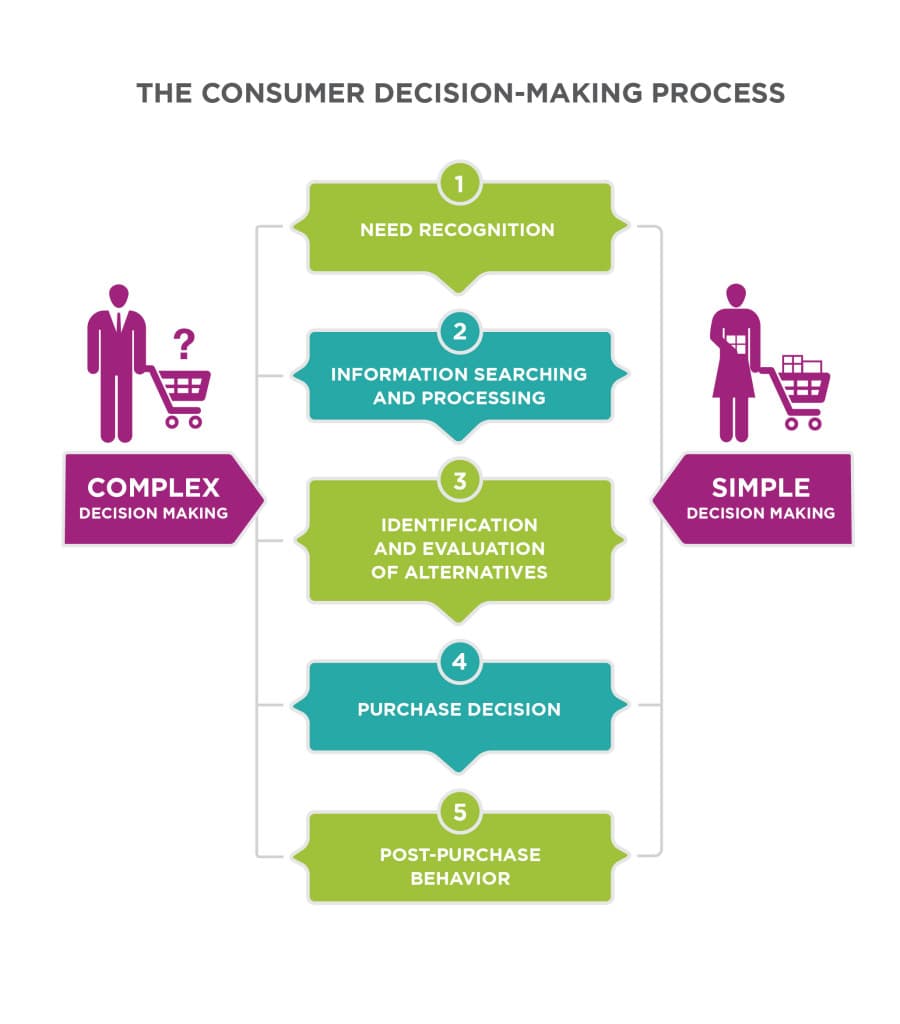
Consumer decisions shape demand across the economy. Three main forces drive what people buy: income, prices, and preferences. When any of these change, consumption patterns shift in predictable ways that economists can analyze using substitution effects, income effects, and elasticity measures.

Top images from around the web for Factors shaping consumer decisions
Consumer Decision Making – Introduction to Consumer Behaviour View original
Is this image relevant?
Reading: Buying-Process Stages | Introduction to Marketing View original
Is this image relevant?
Consumer Decision Making Process – Introduction to Consumer Behaviour View original
Is this image relevant?
Consumer Decision Making – Introduction to Consumer Behaviour View original
Is this image relevant?
Reading: Buying-Process Stages | Introduction to Marketing View original
Is this image relevant?
Factors Shaping Consumer Decisions
Income determines your purchasing power. Higher income lets you afford more and higher-quality goods (designer clothing, newer cars), while lower income forces trade-offs and cutbacks (switching to generic brands, buying used goods).
Prices work through two channels. First, the direct effect: higher prices reduce quantity demanded, and lower prices increase it, all else equal. Second, relative prices matter. When the price of one good changes, consumers compare it to substitutes (tea vs. coffee) and consider how it affects purchases of complements (hamburgers and hamburger buns tend to be bought together, so a price increase on one reduces demand for the other).
Preferences reflect tastes and values. They determine how desirable you find different goods relative to each other. When preferences shift across a population, demand curves shift too. The growing popularity of plant-based meat alternatives, for example, shifted demand toward those products and away from some traditional options.
Substitution Effect vs. Income Effect
When a price changes, two distinct forces act on your purchasing behavior at the same time.
The substitution effect is about relative prices. When a good gets more expensive, you naturally shift toward cheaper alternatives, holding your real purchasing power constant. If brand-name medication prices rise, you might switch to generics. If fresh produce gets cheaper, you might choose it over frozen.
The income effect is about purchasing power. A price increase on something you buy regularly means your income doesn't stretch as far, as if you got a small pay cut. A price decrease is like a small raise. When restaurant prices climb, you might dine out less often simply because your budget feels tighter.
How the two effects combine:
- For normal goods, both effects push in the same direction. If smartphone prices fall, the substitution effect makes smartphones more attractive relative to alternatives, and the income effect gives you more purchasing power to spend on smartphones. Quantity demanded rises unambiguously.
- For inferior goods, the effects push in opposite directions. If instant noodles get cheaper, the substitution effect encourages buying more of them. But the income effect (your purchasing power just increased) encourages you to upgrade to higher-quality food. The net result depends on which effect is stronger. In most cases, the substitution effect dominates, so quantity demanded still rises when price falls.

Applications of Consumer Choice Theory
Demand Concepts in Real-World Scenarios
Price elasticity of demand measures how sensitive quantity demanded is to price changes. Goods with elastic demand see large swings in quantity when prices change (luxury goods, airline tickets). Goods with inelastic demand see small changes (insulin, gasoline). The difference often comes down to necessity and availability of substitutes.
Income elasticity of demand measures how quantity demanded responds to income changes.
- Normal goods have positive income elasticity: as income rises, people buy more (organic produce, premium subscriptions).
- Inferior goods have negative income elasticity: as income rises, people buy less and switch to higher-quality alternatives (public transportation, second-hand clothing).
Cross-price elasticity of demand measures how the quantity demanded of one good responds to a price change in another good.
- Substitutes have positive cross-price elasticity: a price increase for Uber rides pushes demand toward Lyft.
- Complements have negative cross-price elasticity: a price increase for printers reduces demand for ink cartridges.

Utility Maximization in Policy and Strategy
Government policies work through the same price and income channels that shape individual decisions:
- Taxes effectively raise prices, reducing quantity demanded. Cigarette taxes and sugary drink taxes are designed with exactly this goal.
- Subsidies effectively lower prices, increasing quantity demanded. Electric vehicle subsidies and agricultural subsidies work this way.
- Income-affecting policies like the earned income tax credit or transfer payments shift consumers' budget constraints, changing what they can afford and therefore shifting demand curves.
Business strategies also build on these principles:
- Firms facing inelastic demand can raise prices without losing many customers, while firms facing elastic demand need to compete more aggressively on price.
- Price discrimination charges different prices to different groups based on willingness to pay (student discounts, senior discounts), capturing more consumer surplus as profit.
- Product differentiation and branding shape preferences, creating demand that's less price-sensitive (Apple's ecosystem, Nike's brand identity).
- Bundling leverages complementary goods to increase total sales (cable TV packages, printer-and-ink bundles).
Consumer Choice Analysis
A budget constraint represents all the combinations of goods a consumer can afford given their income and the prices they face. Indifference curves represent combinations of goods that give a consumer equal satisfaction.
Consumers maximize utility by choosing the point where an indifference curve is tangent to the budget constraint. At that point, the marginal rate of substitution (how much of one good you'd willingly trade for another) equals the price ratio of the two goods. If these weren't equal, you could rearrange your spending and end up better off.
See Fiveable more often in Google
Mark Fiveable as a preferred source and Google is more likely to show you our guides in Top Stories, with a "preferred" badge in AI Mode and AI Overviews.