15.5 Government Policies to Reduce Income Inequality

💸Principles of Economics Unit 15 Review
15.5 Government Policies to Reduce Income Inequality
💸 Principles of Economics
Government Policies to Reduce Income Inequality
Governments use a range of tools to address income inequality, from tax policy to education funding to direct assistance programs. Understanding these policies matters because they shape how income is distributed across society and because every policy choice involves tradeoffs between equity and efficiency.
This section covers why governments intervene, the main policy tools they use, and the economic arguments for and against redistribution.

Top images from around the web for Market Failures
Externality - Wikipedia View original
Is this image relevant?
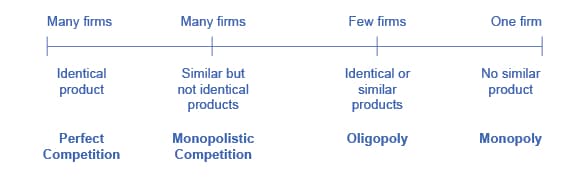
Introduction to Imperfect Competition – Principles of Microeconomics View original
Is this image relevant?
Externality - Wikipedia View original
Is this image relevant?
Introduction to Imperfect Competition – Principles of Microeconomics View original
Is this image relevant?
Why Governments Intervene
Market Failures
Markets don't always produce efficient or fair outcomes on their own. Three common failures justify government action:
- Imperfect competition allows firms with excessive market power to charge higher prices and restrict output, concentrating income among owners and shareholders rather than distributing it through competitive wages and lower prices.
- Externalities occur when the full costs or benefits of an activity aren't reflected in market prices. Pollution is a classic negative externality; public goods like streetlights are a classic positive one. Both lead to inefficient resource allocation that tends to hurt lower-income communities disproportionately.
- Asymmetric information creates problems like adverse selection (high-risk individuals are more likely to purchase insurance, driving up costs) and moral hazard (insured parties take on riskier behavior because they're shielded from consequences). These failures can leave vulnerable populations without access to insurance or credit markets.
Equity Considerations
Beyond efficiency, governments intervene for fairness reasons:
- Ensuring a minimum standard of living, including access to food, housing, and healthcare
- Providing equal opportunities for success regardless of socioeconomic background, particularly through education and job access
- Reducing poverty and its associated social costs, such as poor health outcomes, higher crime rates, and social exclusion
Political Stability
Extreme income disparities can fuel social unrest and erode public trust in institutions. Redistribution policies help maintain broad support for the economic system by ensuring that growth is shared widely enough to preserve political stability.
Policy Tools
Progressive Taxation
A progressive tax system applies higher marginal tax rates to higher income brackets. Someone earning $500,000 pays a larger percentage of their income in taxes than someone earning $30,000.
- The goal is to redistribute income from higher earners to fund public services and transfer programs.
- The Earned Income Tax Credit (EITC) is a key example on the other end: it provides a refundable tax credit to low-income workers, supplementing their earnings while encouraging continued employment. Because it phases in with earned income, it rewards work rather than replacing it.
Minimum Wage Laws
A minimum wage sets a legal floor for hourly pay, ensuring workers in low-skilled jobs earn at least a basic level of income.
The tradeoff here is important for exams: while minimum wages raise income for workers who keep their jobs, they can reduce employment if set above the market equilibrium wage. Employers may hire fewer workers or cut hours, particularly for low-skilled positions. The size of this effect depends on how elastic labor demand is in a given market.

Social Welfare Programs
These fall into two broad categories:
- Means-tested programs target assistance to households below a certain income threshold. Examples include SNAP (food stamps), Section 8 housing vouchers, and Medicaid. Eligibility depends on income and sometimes assets.
- Universal programs provide benefits to all eligible citizens regardless of income. Social Security provides retirement income, and Medicare provides healthcare coverage for Americans 65 and older. These programs reduce inequality among the elderly but are funded through payroll taxes that apply to all workers.
Education and Training Initiatives
Investing in human capital is a longer-term strategy for reducing inequality. Rather than redistributing existing income, these policies aim to increase earning potential:
- Expanding access to quality education across all income levels, from early childhood programs (like Head Start) through higher education (Pell Grants, public universities)
- Funding vocational training and skill development programs that help workers adapt to changing labor market demands
Education policy addresses inequality at its roots, but the effects take years or decades to materialize.
Labor Market Policies
- Collective bargaining rights strengthen workers' ability to negotiate for higher wages and better conditions, which can compress the wage distribution.
- Anti-discrimination laws (such as the Equal Pay Act and Title VII of the Civil Rights Act) aim to ensure equal pay for equal work regardless of race, gender, or age.
The Equity-Efficiency Tradeoff
Nearly every redistribution policy involves tension between making outcomes more equal and maintaining economic efficiency. This tradeoff is central to the debate over inequality policy.
Incentive Effects of Redistribution
- High marginal tax rates can reduce the motivation to work, save, and invest. If an additional dollar of income is taxed at 50% or more, some individuals may choose more leisure or shift income into less productive tax shelters.
- Generous welfare benefits can create a poverty trap if benefits phase out sharply as income rises. When losing $1 in benefits for every $1 earned, the effective marginal tax rate on work approaches 100%, discouraging employment.
Impact on Economic Growth
- Redistributive policies may lower aggregate savings and investment if higher taxes on wealthy households reduce the pool of capital available for business expansion.
- Reduced capital accumulation can slow productivity growth over time, as firms have less access to funds for innovation and equipment.
That said, this isn't a one-way street. Extreme inequality can also harm growth by limiting access to education, reducing consumer spending, and creating political instability.
Efficiency Costs of Taxation and Regulation
- Deadweight loss occurs whenever taxes or subsidies distort market decisions. For example, a tax on labor income drives a wedge between what employers pay and what workers receive, reducing the quantity of labor exchanged below the efficient level.
- Compliance costs and regulatory burdens divert business resources away from productive activities, adding friction to the economy.
Dynamic Effects of Income Inequality
Not all inequality is economically harmful. Some degree of income disparity can:
- Incentivize innovation and entrepreneurship, since the prospect of high rewards motivates risk-taking
- Drive creative destruction, where new firms and technologies replace less efficient ones
The policy challenge is balancing short-term equity concerns with long-term growth. Too much inequality undermines opportunity and stability; too little reward for effort and risk-taking can slow dynamism. Most economists argue the goal isn't eliminating inequality entirely but keeping it within a range that supports both fairness and growth.
See Fiveable more often in Google
Mark Fiveable as a preferred source and Google is more likely to show you our guides in Top Stories, with a "preferred" badge in AI Mode and AI Overviews.