32.5 Balance of Trade Concerns

💸Principles of Economics Unit 32 Review
32.5 Balance of Trade Concerns
💸 Principles of Economics
International Trade and Economic Growth
International trade can drive economic growth, but persistent imbalances between what a country imports and exports create real consequences. These imbalances ripple through currency markets, capital flows, and domestic industries. Understanding how they work helps explain why governments pursue specific policy reforms.

Top images from around the web for Trade Imbalances and Foreign Exchange Markets
Reading: Exchange-Rate Policies | Macroeconomics View original
Is this image relevant?
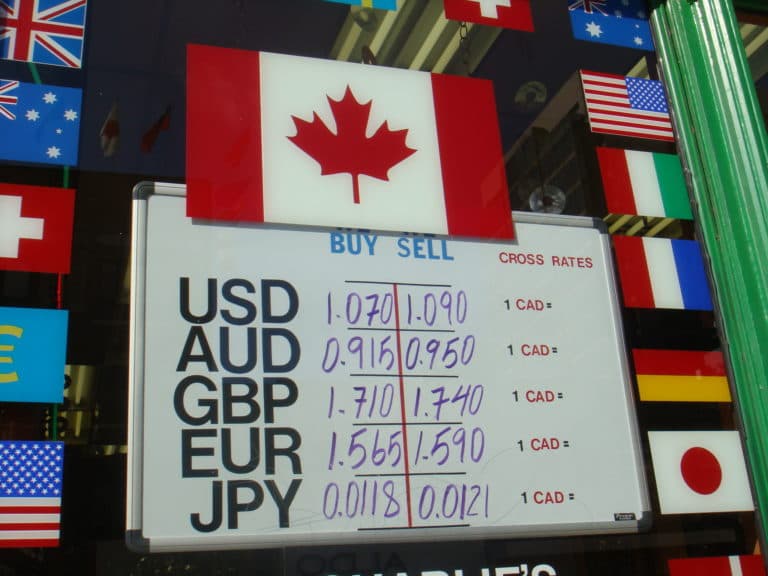
Introduction to the Foreign Exchange Market | Macroeconomics View original
Is this image relevant?
Reading: Demand and Supply Shifts in Foreign Exchange Markets | Macroeconomics View original
Is this image relevant?
Reading: Exchange-Rate Policies | Macroeconomics View original
Is this image relevant?
Introduction to the Foreign Exchange Market | Macroeconomics View original
Is this image relevant?
Trade Imbalances and Foreign Exchange Markets
A trade deficit occurs when a country imports more than it exports. To pay for those imports, buyers need foreign currency, which increases demand for it. That extra demand causes the domestic currency to depreciate (lose value relative to other currencies).
A trade surplus is the opposite: exports exceed imports. Foreign buyers need the surplus country's currency to pay for goods, increasing demand for it. This causes the domestic currency to appreciate (gain value).
Think of it as supply and demand applied to currencies. Whichever currency is in higher demand gets more expensive.

Trade Imbalances and Capital Flows
Trade imbalances don't just affect currency markets. They also drive the movement of capital between countries.
- A country running a trade deficit often finances it by borrowing from abroad or attracting foreign investment. This creates capital inflows, as foreign money flows in to fund the gap between imports and exports.
- A country running a trade surplus accumulates foreign currency from export earnings. That excess currency often gets invested abroad, creating capital outflows. China, for example, has historically used its surplus to purchase U.S. Treasury bonds.
The key takeaway: trade deficits and capital inflows tend to go together, and trade surpluses pair with capital outflows. These are two sides of the same coin.

Concerns: Trade in Goods and Services
Even when trade increases overall economic output, it creates winners and losers within a country. The main concerns include:
- Loss of domestic jobs when cheaper imports or outsourcing replace work previously done at home. Manufacturing employment in the U.S., for instance, declined significantly as production shifted to lower-cost countries.
- Decline of domestic industries that can't compete with foreign producers on price or scale.
- Dependence on foreign suppliers for critical goods. Reliance on imported oil or rare earth metals (used in electronics and defense technology) can become a national security concern if supply chains are disrupted.
- Weaker environmental and labor standards in trading partners. Countries with lower regulations may gain a cost advantage, raising concerns about a "race to the bottom" where standards erode to stay competitive.
Concerns: Capital Mobility
When capital moves freely across borders, it brings benefits like increased investment, but also significant risks:
- Foreign exchange volatility from rapid capital flows. Large amounts of money entering or leaving a country quickly can cause sharp currency swings.
- Financial crises and contagion. The 1997 Asian financial crisis showed how sudden capital flight can devastate economies. The 2008 Great Recession demonstrated how shocks in one country's financial system can spread globally.
- Reduced policy effectiveness. When capital is highly mobile, domestic monetary and fiscal policies become harder to implement. For example, raising interest rates to cool inflation may attract foreign capital inflows, partially offsetting the intended effect.
- Tax avoidance by multinational corporations. Companies can shift profits to low-tax jurisdictions through practices like transfer pricing, reducing the tax revenue available to governments.
Market-Oriented Economic Reforms for Sustainable Growth
To address these challenges and promote long-term growth, countries pursue market-oriented reforms. These generally fall into five categories:
-
Trade liberalization
- Reducing or eliminating trade barriers such as tariffs and quotas
- Pursuing free trade agreements to expand market access and lower trade costs (e.g., USMCA, the successor to NAFTA)
-
Deregulation and privatization
- Reducing government intervention and state ownership in the economy
- Encouraging private sector participation and competition in industries like telecommunications and energy
-
Fiscal reforms
- Simplifying tax systems and broadening the tax base so more economic activity is taxed at lower rates
- Improving tax administration to reduce evasion
- Managing public debt sustainably to maintain investor confidence
-
Monetary reforms
- Maintaining price stability through effective central bank policies (controlling inflation)
- Adopting flexible exchange rate regimes, or carefully managing exchange rates to support export competitiveness
-
Institutional reforms
- Strengthening property rights and contract enforcement so businesses can operate with confidence
- Reducing corruption and improving governance through rule of law
- Investing in human capital through education (particularly STEM fields) and vocational training programs
These reforms work together. Trade liberalization has limited impact if weak institutions discourage investment, and fiscal reforms matter less if corruption diverts public resources. The most successful reform strategies address multiple areas at once.
See Fiveable more often in Google
Mark Fiveable as a preferred source and Google is more likely to show you our guides in Top Stories, with a "preferred" badge in AI Mode and AI Overviews.