13.1 Investments in Innovation

💸Principles of Economics Unit 13 Review
13.1 Investments in Innovation
💸 Principles of Economics
Investments in Innovation
Innovation drives economic growth and creates benefits that extend far beyond the firm doing the innovating. When a company invests in research and development (R&D), it expects to earn profits from new products or processes. But those innovations often generate positive externalities, meaning benefits to third parties who didn't pay for the R&D. This gap between what the firm gains (private benefits) and what society gains (social benefits) is the core issue in this section.

Top images from around the web for Positive Externalities
Innovation dividend = stronger productivity growth View original
Is this image relevant?
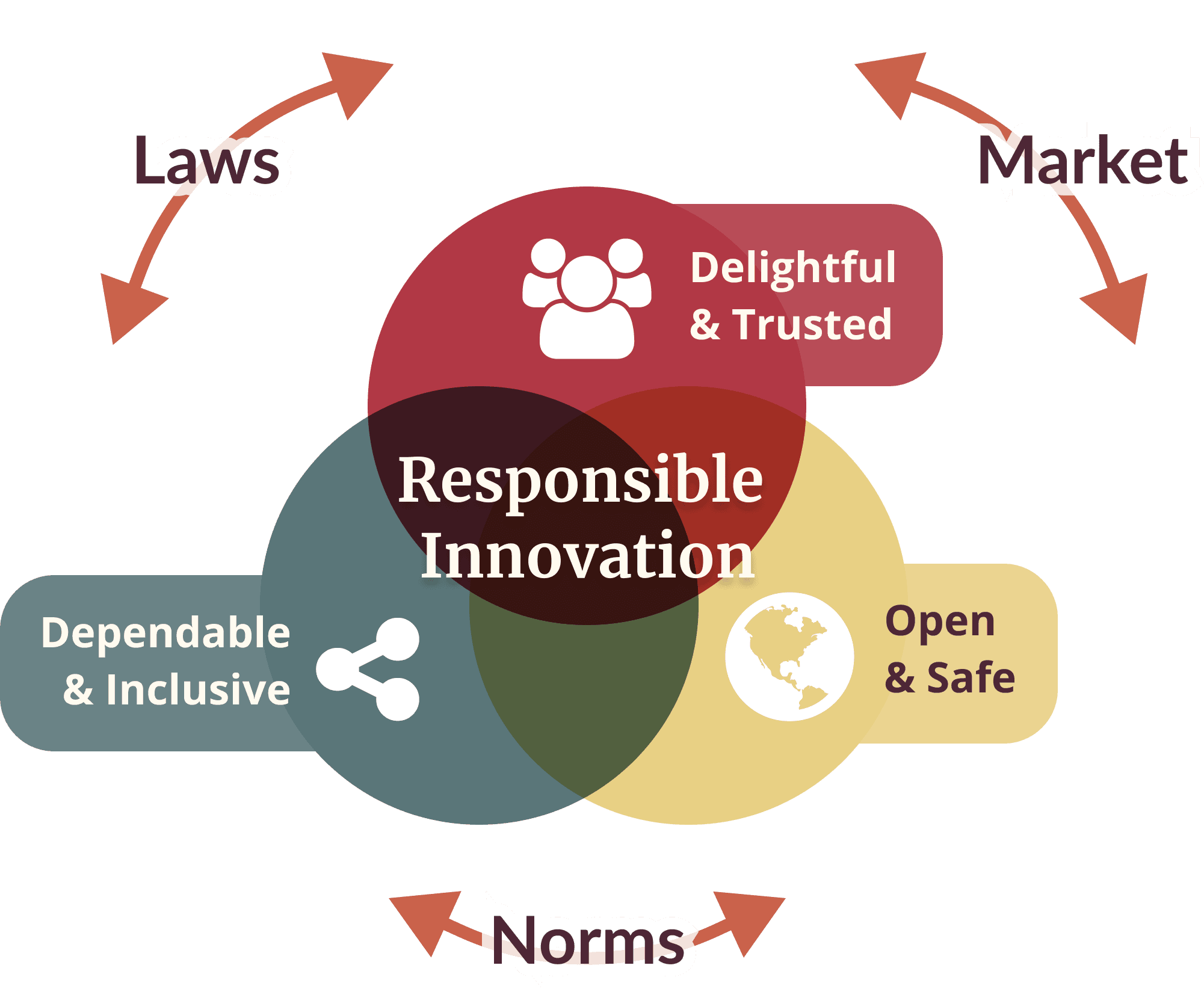
Home - The Responsible Innovation Project View original
Is this image relevant?
Development through Design in a Creative Ecosystem - HAMK Unlimited View original
Is this image relevant?
Innovation dividend = stronger productivity growth View original
Is this image relevant?
Home - The Responsible Innovation Project View original
Is this image relevant?
Positive Externalities of Innovation
Knowledge spillovers are the biggest positive externality from innovation. When one firm makes a discovery, other firms and researchers can learn from it and build on it. The transistor, for example, was invented at Bell Labs in the 1940s, but it became the foundation for virtually all modern electronics. No single firm captured all that value.
Beyond spillovers, innovation creates broad benefits across several areas:
- Improved productivity and efficiency — New technologies reduce costs and increase output across entire industries, not just for the innovator. Think about how computers and robotics transformed manufacturing far beyond the firms that developed them.
- Enhanced quality of life — Innovations in healthcare (MRI machines), education (online learning platforms), and communication (smartphones) benefit millions of people who never paid for the underlying R&D.
- Environmental benefits — Clean energy technologies like solar panels and electric vehicles reduce pollution, helping to offset negative externalities from other economic activity.

Private vs. Social Benefits
This distinction is central to understanding why markets tend to underinvest in innovation.
Private benefits are the returns the innovating firm captures directly:
- Higher profits from exclusive rights to sell a new product or use a new process. Patents and copyrights protect this exclusivity. Pharmaceutical companies, for instance, rely on patent protection to recoup billions in drug development costs.
- Competitive advantage through differentiated products (Apple's iPhone) or cost-saving technologies (Walmart's supply chain innovations).
Social benefits include everything above plus the positive externalities that spill over to the rest of society:
- Consumer surplus — Consumers gain from lower prices and better products. Smartphones didn't just benefit Apple and Samsung; they revolutionized how billions of people communicate and access information.
- Economic growth and job creation — Innovations can create entirely new industries. The internet spawned e-commerce, streaming services, and countless online businesses that didn't exist before.
Because social benefits exceed private benefits, the socially optimal level of R&D investment is higher than what the free market produces on its own. This is why governments often step in to encourage more innovation.

Factors Influencing R&D Investment
Several factors shape how much a firm is willing to spend on R&D:
- Market demand and potential profitability — Firms invest more when they expect strong demand for the resulting innovation. The expected future profits need to justify the upfront costs, which can be enormous (developing a new drug can cost over ).
- Appropriability of returns — This refers to how well a firm can capture the benefits of its own innovation. Strong patent protection, copyrights, trade secrets, and first-mover advantages (like brand loyalty) all increase appropriability. When appropriability is low, firms have less incentive to invest because competitors can free-ride on their discoveries.
- Technological opportunities — Industries where promising research avenues exist naturally attract more R&D spending. Fields like biotechnology and artificial intelligence see heavy investment because the scientific frontier is advancing rapidly.
- Government policies and incentives — Tax credits, grants, subsidies, and strong intellectual property laws all encourage R&D. These policies exist precisely to close the gap between private and social returns.
- Firm size and resources — Larger firms can more easily absorb the costs and risks of R&D because they have access to capital markets and internal funds. Smaller firms may innovate differently, often focusing on niche breakthroughs, but they face tighter financial constraints.
See Fiveable more often in Google
Mark Fiveable as a preferred source and Google is more likely to show you our guides in Top Stories, with a "preferred" badge in AI Mode and AI Overviews.