29.1 How the Foreign Exchange Market Works

💸Principles of Economics Unit 29 Review
29.1 How the Foreign Exchange Market Works
💸 Principles of Economics
Foreign Exchange Markets and International Capital Flows
Foreign exchange markets are where currencies are bought and sold. Every time a business imports goods, a tourist visits another country, or an investor buys foreign assets, currencies need to be exchanged. These markets make global trade and investment possible by providing a mechanism for converting one currency into another.
Exchange rates, the price of one currency in terms of another, directly affect how expensive imports and exports are, which in turn shapes trade balances and investment decisions between countries.

Top images from around the web for Currency Exchange Markets
Reading: Demand and Supply Shifts in Foreign Exchange Markets | Macroeconomics View original
Is this image relevant?
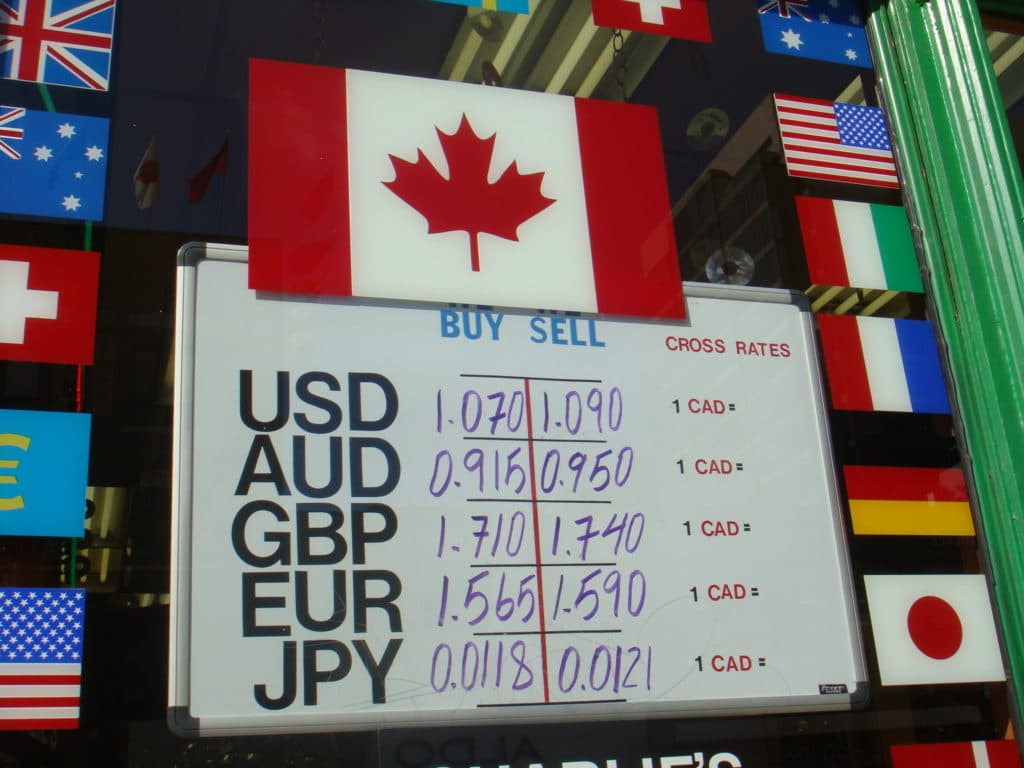
Introduction to the Foreign Exchange Market | Macroeconomics with Prof. Dolar View original
Is this image relevant?
The Foreign Exchange Market | Macroeconomics View original
Is this image relevant?
Reading: Demand and Supply Shifts in Foreign Exchange Markets | Macroeconomics View original
Is this image relevant?
Introduction to the Foreign Exchange Market | Macroeconomics with Prof. Dolar View original
Is this image relevant?
Currency Exchange Markets
Foreign exchange markets serve three main functions:
- International trade. An American company importing Japanese electronics needs to convert dollars into yen to pay the Japanese supplier. Likewise, a Japanese firm selling cars in the U.S. receives dollars and exchanges them back into yen. Without currency markets, cross-border trade couldn't happen.
- Tourism. Travelers need to obtain the local currency of their destination country. A European visiting Brazil exchanges euros for reais to pay for hotels, food, and transportation.
- International investment. A U.S. investor buying shares on the London Stock Exchange must first convert dollars into British pounds. Similarly, a foreign company building a factory in the U.S. needs to acquire dollars. Currency exchange is a prerequisite for any cross-border investment.

Exchange Rate Changes
Currency values shift constantly, and those shifts ripple through the economy in predictable ways.
Appreciation means a currency grows stronger relative to other currencies. If the U.S. dollar appreciates against the euro:
- Exports become more expensive for foreign buyers. A $50,000 American-made truck now costs more in euros, so European demand for it may fall.
- Imports become cheaper for domestic consumers. European wine costs fewer dollars, so Americans may buy more of it.
- Foreign investors benefit because when they convert profits earned in the U.S. back to their home currency, each dollar is worth more.
Depreciation means a currency grows weaker. The effects are the reverse:
- Exports become cheaper for foreign buyers, potentially boosting demand abroad.
- Imports become more expensive for domestic consumers, potentially reducing demand for foreign goods.
- Foreign investors lose on the currency conversion when they send profits home, since each unit of the weaker currency buys less of their home currency.
A quick way to remember: appreciation helps buyers of foreign goods (importers, tourists going abroad) but hurts sellers to foreign markets (exporters). Depreciation does the opposite.

Foreign Investment Types
Cross-border investment takes two main forms, and they differ in purpose, control, and stability.
Foreign Direct Investment (FDI) involves establishing a lasting interest and significant control in a foreign enterprise. Think of Toyota building an assembly plant in Kentucky or Nestlé acquiring a local food company in another country.
- Motivated by long-term strategic goals: accessing new markets, securing resources, or improving production efficiency
- Often involves transfers of technology and management expertise that can boost productivity in the host country
- Tends to be stable because physical assets like factories can't be pulled out overnight
Portfolio Investment involves buying foreign financial assets like stocks and bonds without seeking control over the company that issued them. An example would be a mutual fund in London purchasing shares of a Brazilian mining company.
- Motivated primarily by short-term financial returns rather than long-term strategy
- Does not give the investor significant influence over the foreign enterprise
- Provides capital to the host country, but with less direct impact on productivity compared to FDI
- Can be more volatile, since investors may quickly withdraw funds when expected returns drop or risk perceptions change
The distinction matters for host countries: FDI tends to bring jobs, technology, and stable capital, while portfolio investment provides funding but can flow out rapidly during economic uncertainty.
See Fiveable more often in Google
Mark Fiveable as a preferred source and Google is more likely to show you our guides in Top Stories, with a "preferred" badge in AI Mode and AI Overviews.