AMSCO 3.12 Movements in the Early Republic

🇺🇸AP US History Review
AMSCO 3.12 Movements in the Early Republic
🇺🇸 AP US History
AMSCO 1.2:Native American Societies Before European Contact Notes
AMSCO 2.1 Context: European Colonization of North America Notes
AMSCO 2.2 European Colonization Notes
AMSCO 2.3 The Regions of the British Colonies Notes
AMSCO 2.4 Transatlantic Trade Notes
AMSCO 2.5 Interactions between American Indians and Europeans Notes
AMSCO 2.6 Slavery in the British Colonies Notes
AMSCO 2.7 Colonial Society and Culture Notes
AMSCO 2.8 Comparison in Period 2 (1607-1754) Notes
AMSCO 3.1 Contextualizing Period 3
AMSCO 3.2 The Seven Year's War
AMSCO 3.3 Taxation Without Representation
AMSCO 3.4 Philosophical Foundations of the American Revolution
AMSCO 3.5 The American Revolution
AMSCO 3.6 The Influence of Revolutionary Ideals
AMSCO 3.7 The Articles of Confederation
AMSCO 3.8 The Constitutional Convention and Debates Over Ratification
AMSCO 3.9 The Constitution
AMSCO 3.10 Shaping a New Republic
AMSCO 3.11 Developing an American Identity
AMSCO 3.12 Movements in the Early Republic
AMSCO 3.13 Continuity and Change in Period 3
AMSCO 4.1 Contextualizing Period 4
AMSCO 4.2 The Rise of Political Parties and the Era of Jefferson
AMSCO 4.3 Politics and Regional Interests
AMSCO 4.4 America on the World Stage
AMSCO 4.5 Market Revolution
AMSCO 4.6 Effects of the Market Revolution on Society and Culture
AMSCO 4.7 Expanding Democracy
AMSCO 4.8 Jackson and Federal Power
AMSCO 4.9 The Development of an American Culture
AMSCO 4.10 The Second Great Awakening
AMSCO 4.11 An Age of Reform
AMSCO 4.12 African Americans in the Early Republic
AMSCO 4.13 Southern Society in the Early Republic
AMSCO 4.14 Causation in Period 4
AMSCO 5.1 Contextualizing Period 5
AMSCO 5.2 The Idea of Manfiest Destiny
AMSCO 5.3 Manifest Destiny and the Mexican-American War
AMSCO 5.4 The Compromise of 1850
AMSCO 5.5 Sectional Conflict: Regional Differences
AMSCO 5.6 Failure of Compromise
AMSCO 5.7 Election of 1860 and Secession
AMSCO 5.8 Military Conflict in the Civil War
AMSCO 5.9 Government Policies During the Civil War
AMSCO 5.10 Reconstruction
AMSCO 5.11 Failure of Reconstruction
AMSCO 5.12 Comparion in Period 5
AMSCO 6.1 Contextualizing Period 6
AMSCO 6.2 Westward Expansion: Economic Development
AMSCO 6.3 Westward Expansion: Social and Cultural Development
AMSCO 6.4 The "New South"
AMSCO 6.5 Technological Innovation
AMSCO 6.6 The Rise of Industrial Capitalism
AMSCO 6.7 Labor in the Gilded Age
AMSCO 6.8 Immigration and Migration in the Gilded Age
AMSCO 6.9 Responses to Immigration in the Gilded Age
AMSCO 6.10 Development of the Middle Class
AMSCO 6.11 Reform in the Gilded Age
AMSCO 6.12 Role of Government in the Gilded Age
AMSCO 6.13 Politics in the Gilded Age
AMSCO 6.14 Continuity and Change Period 6
AMSCO 7.1 Contextualizing Period 7
AMSCO 7.2 Imperialism: Debates
AMSCO 7.3 The Spanish-American War and U.S. Foreign Policy to 1917
AMSCO 7.4 The Progressives
AMSCO 7.5 World War I: Military and Diplomacy
AMSCO 7.6 World War I: Home Front
AMSCO 7.7 1920s: Innovations in Communication and Technology
AMSCO 7.8 1920s: Cultural and Political Controversies
AMSCO 7.9 The Great Depression
AMSCO 7.10 The New Deal
AMSCO 7.11 Inerwar Foreign Policy
AMSCO 7.12 World War II Mobilization
AMSCO 7.13 World War II Military
AMSCO 7.14 World War II and Postwar Diplomacy
AMSCO 7.15 Comparison in Period 7
AMSCO 8.1 Contextualizing Period 8
AMSCO 8.2 The Cold War from 1945 to 1980
AMSCO 8.3 The Red Scare
AMSCO 8.4 Economy after 1945
AMSCO 8.5 Culture after 1945
AMSCO 8.6 Early Steps in the Civil Rights Movement, 1945-1960
AMSCO 8.7 America as a World Power
AMSCO 8.8 The Vietnam War
AMSCO 8.9 The Great Society
AMSCO 8.10 The African American Civil Rights Movement in the 1960s
AMSCO 8.11 The Civil Rights Movement Expands
AMSCO 8.12 Youth Culture of the 1960s
AMSCO 8.13 The Environment and Natural Resources from 1968 to 1980
AMSCO 8.14 Society in Transition
AMSCO 8.15 Continuity and Change in Period 8
AMSCO 9.1 Contextualizing Period 9
AMSCO 9.2 Reagan and Conservatism
AMSCO 9.3 The End of the Cold War
AMSCO 9.4 A Changing Economy
AMSCO 9.5 Migration and Immgiration in the 1990s and 2000s
AMSCO 9.6 Challenges of the 21st Century
AMSCO 9.7 Causation in Period 9
AMSCO 1.1 Contextualizing Period 1 Notes
AMSCO 1.3 European Exploration in the Americas Notes
AMSCO 1.4 Columbian Exchange, Spanish Exploration, and Conquest Notes
AMSCO 1.5 Labor, Slavery, and Caste in the Spanish Colonial System Notes
AMSCO 1.6 Cultural Interactions in the Americas Notes
AMSCO 1.7 Causation in Period 1 Notes
Overview
AMSCO Topic 3.12, "Movement in the Early Republic," covers how Americans moved west after independence, how that migration created conflict with Native Americans, Britain, and Spain, and how the cotton gin reversed slavery's expected decline. The chapter closes out APUSH Period 3 (1754-1800) by explaining two big trends you'll see again in Period 4: frontier expansion fueling ethnic and political tension, and slavery hardening into distinct regional attitudes. AMSCO opens with Jefferson's 1805 admission that he had "given up the expectation of any early provision" for ending slavery, which tells you where this chapter is headed.
Migration and Settlement After Independence
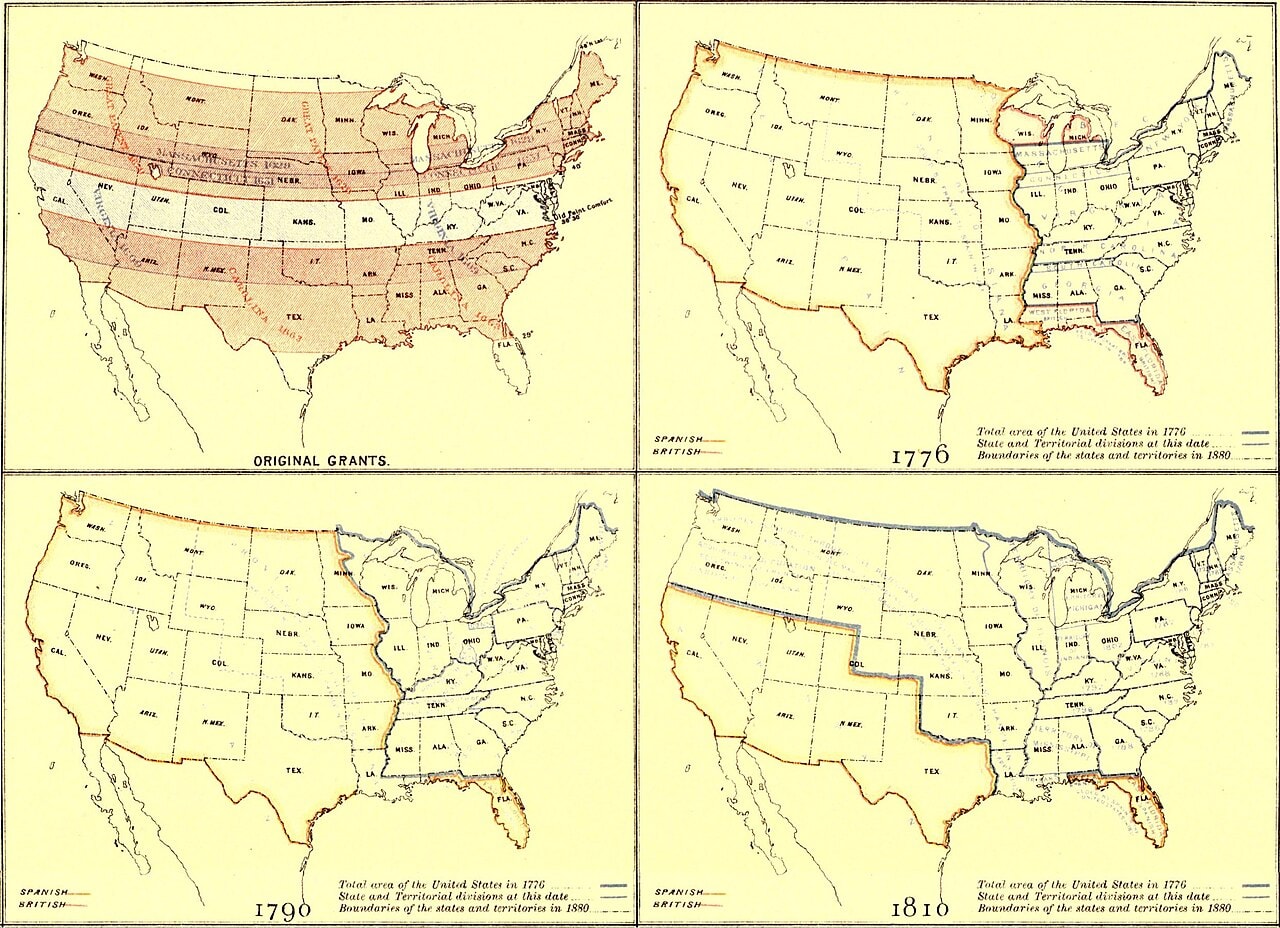
With the war over and British control removed, Americans started moving west in larger numbers. The federal government had actually planned for this. The Northwest Ordinance, passed under the Articles of Confederation, set up a system for selling government land, admitting western territories as new states, providing public education, and banning slavery in the Northwest Territory.
Planning didn't prevent conflict, though. Settlers heading west ran into hostile forces on every border:
- The British to the north and west
- The Spanish to the south and west
- Native Americans both within the nation's borders and along them, who resented European settlers expanding onto their lands
The people moving included American-born settlers, free immigrants, indentured servants, and enslaved Africans, and each group faced different conditions on the frontier.
Native Americans and Westward Pressure
By the end of the 18th century, Native Americans were losing conflicts with settlers and increasingly lived on reservations or were forced to migrate west.
The Indian Intercourse Act of 1790
The Indian Intercourse Act, one of the first laws the new nation passed, put the federal government (not the states) in charge of all legal dealings with Native Americans. Only the federal government could purchase tribal land or regulate trade and travel across it. In practice, traders and settlers moving west largely ignored the law.
Resistance and the Battle of Fallen Timbers
When disputes turned violent, the government usually sided with settlers, even when settlers were the ones breaking treaties. In the Northwest Territory in the 1790s, a confederation of Shawnee and other Native American groups defeated government troops twice. A larger federal force then defeated the confederation at the Battle of Fallen Timbers in present-day northwestern Ohio (covered with the Treaty of Greenville context in AMSCO 3.10, Shaping a New Republic).
The Native American position weakened further when the British gradually closed the trading forts they had kept in the region after the Revolution. That cut off a key source of support, and it's a classic example of the exam's theme that tribes constantly adjusted alliances with Europeans and the United States to try to hold onto their lands.
Moving West of the Mississippi
For many tribes, migration was the survivable option. They faced overwhelming military force, deadly foreign diseases, and the destruction of hunting grounds that supplied both food and furs to trade.
- Some stayed on their traditional lands despite being surrounded by hostile settlers.
- The Iroquois stayed on reservations or moved north to Canada.
- Many groups, including the Shawnee in the north and the Cherokee farther south, crossed the Mississippi River.
These journeys were dangerous in their own right, because tribes already living in the west resisted newcomers moving into their territory.
The Southern Frontier
Near New Orleans and in Florida, the Spanish were mainly worried about American settlers pushing into their territory. Because Native Americans could act as a buffer against US expansion, the Spanish allowed them more freedom there than they had in US territory.
Population Growth and the Push West
The US population grew for three reasons:
- European immigration continued, but in small numbers that rose and fell with political and economic upheavals in Europe.
- The slave trade continued bringing enslaved Africans into the country. Slaveowners knew the Constitution allowed Congress to end this trade after 1808, which created pressure to import people while it was still legal.
- Natural increase was the biggest factor. Births exceeded deaths because food was plentiful and farm families wanted children who could work the land.
Westward movement was helped along by scouts and early settlers who blazed trails for others to follow. Daniel Boone is the famous example. He led settlers across the Appalachian Mountains and established early White settlements in the old northwest.
Slavery: Expected to Fade, Then It Exploded
This is the chapter's most exam-relevant thread. In the late 1700s, plenty of people thought slavery was on its way out. Then the cotton gin changed everything.
Early Antislavery Sentiment
By the late 18th century, open opposition to slavery existed. It came from Quakers, Mennonites, and others motivated by Christian faith, plus people influenced by Enlightenment ideals of equality and liberty who saw no place for slavery in a democratic republic. Even some slaveowners, including James Madison, disliked slavery and hoped it would fade away the way it had in Europe and was beginning to in parts of Latin America. They figured rising immigration would supply cheap free labor to replace enslaved workers.
Eli Whitney, the Cotton Gin, and Samuel Slater
Instead of declining, slavery grew starting in 1793, the year Eli Whitney invented the cotton gin. The gin separated cotton fiber from seeds, turning a slow, costly process into a quick, cheap one. Growing cotton suddenly became immensely profitable, and demand for enslaved African Americans rose dramatically.
Mechanized textile production made cotton even more valuable. Britain mechanized first and passed laws banning the export of factory designs. A young apprentice named Samuel Slater broke that law: he memorized a factory design, moved to the United States, and built his own factory, launching a more efficient American textile industry. Cotton gin plus mechanized textiles meant cotton cloth was cheaper and more plentiful than ever, and cotton became a potent global industry.
Conflict Over Slavery's Expansion
Plantation owners chasing cotton profits looked west for land. After 1800 they quickly settled Alabama and Mississippi, both of which had ideal climate and geography for cotton. But a growing number of northerners opposed slavery or wanted to settle western lands themselves without competing against enslaved labor. That's the start of the distinctive regional attitudes toward slavery that drive so much of Periods 4 and 5.
The Forced Movement of Enslaved People
Some enslaved people escaped bondage by reaching a free northern state (though the Constitution's fugitive clause required states to return escapees to their owners), by going to Canada, or by settling in Native-controlled land or Spanish Florida, which belonged to Spain until 1821.
Most enslaved people who moved, though, were moved by owners chasing profit:
- By the 1790s, Chesapeake planters had a surplus of enslaved people. The tobacco market was declining while the enslaved population grew through natural increase and continued importation.
- Training enslaved people in skilled trades or leasing them as servants in cities didn't satisfy owners financially, and city life made escape to the north easier.
- The booming demand for cotton-field labor gave Chesapeake planters a new market: selling enslaved African Americans to cotton planters in Alabama, Mississippi, and other newly settled lands south and west.
This interregional slave trade transported between 500,000 and 1 million people before the Civil War began in 1861. It was especially cruel because it routinely broke families apart. Many people who were sold never saw their parents, children, or other relatives again.
Key Terms to Know
| Term | Why it matters |
|---|---|
| Northwest Ordinance | Set the system for selling western land, admitting new states, funding public education, and banning slavery in the Northwest Territory. |
| Indian Intercourse Act (1790) | Gave the federal government sole authority over land purchases and trade with Native Americans, but settlers largely ignored it. |
| Battle of Fallen Timbers | Federal victory over a Shawnee-led confederation in northwestern Ohio after the confederation had twice defeated government troops. |
| Daniel Boone | Frontier scout who blazed trails across the Appalachians and founded early White settlements in the old northwest. |
| Eli Whitney | Inventor whose 1793 cotton gin made cotton hugely profitable and reversed slavery's expected decline. |
| Cotton gin | Machine that separated cotton fiber from seeds quickly and cheaply, transforming southern agriculture. |
| Samuel Slater | British apprentice who memorized factory designs and brought mechanized textile production to the United States. |
| Interregional slave trade | Forced sale of 500,000 to 1 million enslaved people from the Chesapeake to cotton lands like Alabama and Mississippi, often destroying families. |
| Fugitive clause | Constitutional provision requiring states to return escaped enslaved people to their owners. |
| Natural increase | Births exceeding deaths, the largest source of US population growth in the early republic. |
| Quakers and Mennonites | Religious groups whose faith drove some of the earliest open opposition to slavery. |
| 1808 slave trade clause | The Constitution allowed Congress to end the international slave trade after 1808, which slaveowners anticipated. |
Practice and Next Steps
Pair these notes with the Fiveable study guide for Topic 3.12, Movement in the Early Republic for the course-aligned take on the same material, and browse the full set of AMSCO APUSH notes to review neighboring chapters like 3.10 Shaping a New Republic.
To check yourself, run some guided multiple-choice practice on Period 3, or try a writing prompt with FRQ practice and instant scoring. The cotton gin's effect on slavery is a favorite continuity-and-change setup, so it's worth writing about at least once before the exam.
Frequently Asked Questions
What does AMSCO Topic 3.12 Movement in the Early Republic cover?
AMSCO 3.12 covers westward migration after independence, conflicts with Native Americans (including the Battle of Fallen Timbers), population growth, and how Eli Whitney's 1793 cotton gin caused slavery to expand instead of fade. It closes out APUSH Period 3 (1754-1800). You can compare it with the course-topic study guide for 3.12.
How did the cotton gin affect slavery in the early republic?
Before 1793, many Americans, including slaveowners like James Madison, expected slavery to fade away as it had in Europe. Eli Whitney's cotton gin made separating cotton fiber from seeds fast and cheap, so growing cotton became immensely profitable and demand for enslaved labor rose dramatically. Plantation owners then pushed west into Alabama and Mississippi, expanding slavery instead of ending it.
What was the Indian Intercourse Act of 1790?
The Indian Intercourse Act of 1790 was one of the first laws passed by the new United States. It gave the federal government, not the states, sole authority to purchase Native American land and regulate trade and travel across it. In practice, settlers and traders moving west largely ignored the law, and the government usually backed settlers when conflicts turned violent.
What was the interregional slave trade?
It was the forced sale of enslaved people from the Chesapeake region, where planters had a surplus as tobacco declined, to cotton planters in newly settled lands like Alabama and Mississippi. Between 500,000 and 1 million people were transported before the Civil War began in 1861. The trade routinely broke families apart, and many people sold never saw their relatives again.
How does Topic 3.12 show up on the APUSH exam?
Two themes from this chapter are exam favorites: migration causing competition and conflict (Native American alliances, Fallen Timbers, frontier tensions with Britain and Spain) and the change in slavery's trajectory after the cotton gin, which created distinct regional attitudes. The cotton gin is a classic continuity-and-change prompt. Practice applying it with FRQ practice and instant scoring.