2.1 Context: European Colonization

🇺🇸AP US History Unit 2 Review
2.1 Context: European Colonization
🇺🇸 AP US History
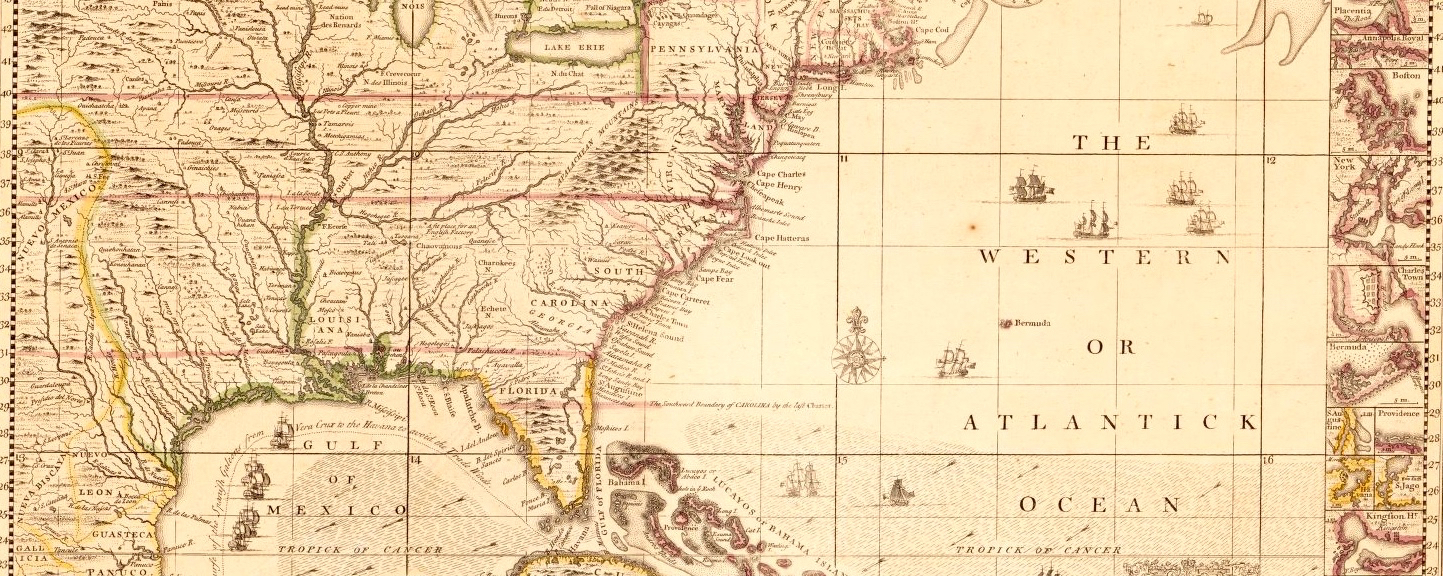
European colonization in North America from 1607 to 1754 was shaped by imperial rivalry, economic goals, religion, labor systems, and relationships with Native peoples. Spanish, French, Dutch, and British colonies developed different patterns of settlement and exchange.
For example, the Spanish focused on the extraction of precious metals and other resources from Central and South America, while the French focused on fur trading and the development of settlements along the Mississippi and St. Lawrence Rivers. The Dutch established trading posts in the northeastern regions of the continent, while the British established colonies along the Atlantic coast, with a focus on the development of tobacco and other cash crops.
Additionally, competition for resources between European rivals and American Indians led to increased industry and trade, as well as conflicts over land and resources. This competition also had a major impact on the development of the colonies, as European nations sought to gain control of key resources and strategic locations. This competition and conflict would eventually lead to the Seven Years' War from 1754 to 1763, also known as the French and Indian War, which would significantly impact the balance of power in North America and pave the way for British dominance on the continent.
What to Know About Context
- Spanish colonizers sought resources, French colonizers pursued fur trading, the Dutch built trading posts, and the British developed Atlantic coast colonies focused on cash crops.
- Competition among European rivals and American Indians over land and resources led to conflict and eventually the Seven Years' War, which shifted power toward Britain in North America.
- Exchanges with Britain and between colonies helped British colonists develop a shared identity and growing dissatisfaction with British rule.
- Enslaved Africans' labor drove tobacco and rice production, especially in the southern colonies, while the slave trade brought profits to British merchants.
- Spain forced Indigenous peoples to work through the encomienda system and imposed Christianity on the Pueblo, who resisted Spanish colonization in Popé's Rebellion.
- Samuel de Champlain allied with the Huron in New France, while French plans to control the Ohio River Valley brought conflict with the Iroquois and British.
Case Studies
The different economic and imperial goals of these colonizers had a significant impact on the social and political development of their colonies, as well as their relationships with native populations. For example, the Spanish encomienda system, which forced indigenous peoples to work for Spanish colonizers, led to significant exploitation and conflict, while the French tended to have a more cooperative relationship with native tribes.
British Colonization
The British colonies in North America participated in a complex and dynamic relationship with Great Britain throughout the colonial period. While the colonies were heavily influenced by British political, social, and cultural norms, they also developed their own distinct identities and cultural practices. This led to tension between the colonies' desire for stronger bonds with Britain and their resistance to British control.
Such variety was evident in the various political and economic exchanges between the colonies and Britain, as well as in the cultural and social interactions that took place between colonizers and colonized.
Transatlantic exchanges also played a significant role in shaping the political and cultural attitudes of the colonists. The commercial, religious, philosophical, and political exchanges that took place between the colonies and Britain, as well as between the colonies themselves, led to a growing sense of interconnectedness among the colonists. This led to the development of a unique American identity over time, as well as a growing sense of dissatisfaction with British rule.
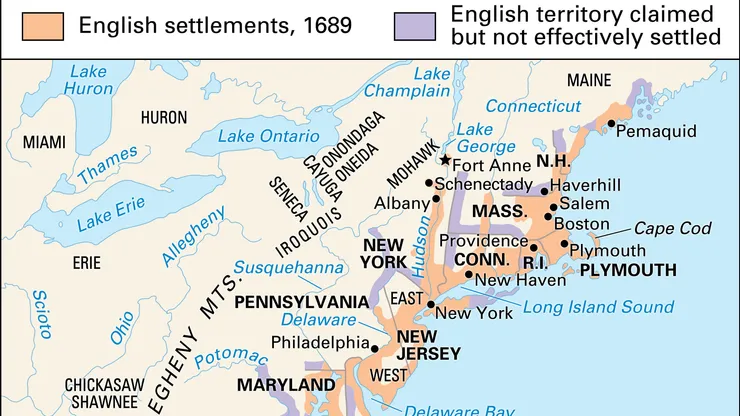
Slavery was also a pivotal part of the colonial system in British North America, as it was in other European empires in the Americas. The English colonies developed a vicious system of slavery that reflected the specific economic, demographic, and geographic characteristics of those colonies. The labor of enslaved Africans drove the development of cash crops like tobacco and rice, which were the main economic drivers of the southern colonies.
The slave trade also had a significant impact on the demographic makeup of the colonies, as the aforementioned enslaved Africans made up a significant portion of the population. The use of enslaved labor was more prevalent in the southern colonies, where the climate and soil were more conducive to the cultivation of cash crops. Regions differed in other ways too. In New England, rocky soil and a cold climate favored small farms, fishing, and shipbuilding, and Puritan religious goals shaped towns built around families. The Chesapeake and Lower South relied on large plantations and had more men and enslaved Africans in their populations. Ultimately, the slave trade became a major source of profit for British merchants and influenced the economic development of the entire British empire.
Spanish Colonization
Spanish exploration of the Americas began in the late 15th century, and colonization of North America expanded in the 16th century, driven by the desire for gold, God, and glory. They laid claim to lands in the southeastern, southwestern, and western parts of North America, including Florida. Their expansion continued in Latin America, where they established the encomienda system of forced labor, which primarily targeted native peoples.
Due to the lack of women among the Spanish colonizers, they intermarried with the local indigenous populations, resulting in a mixed-race population known as mestizos. However, the Spanish treatment of the native populations was often brutal, as seen in their interactions with the Pueblo people of the Southwest. In 1598, they established the colony of New Mexico, founding Santa Fe in 1610, and set up Catholic missions, imposing Christianity on the Pueblo people.
The Pueblo people would eventually resist this forced conversion and colonization in the form of Popé's Rebellion in 1680. They killed Spanish priests and hundreds of settlers, successfully driving the Spanish out for the next 12 years. However, the Spanish would eventually reclaim the colony, reasserting their control over the Pueblo people and the region.
French Colonization
Under the rule of King Louis XIV, France solidified its position as a major world power. In an effort to expand its empire, France established a permanent settlement in Quebec in 1608, as well as other parts of northeastern North America, which would become known as New France or Canada. The French explorer Samuel de Champlain played a key role in the colonization of New France, creating an alliance with the local Huron Indians and helping them defeat their Iroquois enemies.
The French also aimed to control the strategically important Ohio River Valley, which would link their northern holdings in Canada with their southern holdings in the lower Mississippi Valley. However, this goal would bring them into conflict with the Iroquois, who had allied themselves with the British.
The French and British would engage in numerous battles for control of the Ohio River Valley, as the French sought to maintain their grip on the region and the British sought to expand their own empire. These battles would have a significant impact on the outcome of the larger struggle between France and Britain for control of North America.
As we move forward, we'll continue developing and adding to the context of the colonial period in North America by highlighting the interactions and conflicts between European colonizers and the native populations, as well as the impact of transatlantic exchanges on the political and cultural attitudes of the colonists.
The guide also explains the system of slavery that developed in the colonies and how it was shaped by the specific economic, demographic, and geographic characteristics of the region.
Practice Questions for 2.1
1 of 10
Popé's Rebellion (1680) expelled the Spanish from New Mexico. Which Spanish practice most directly caused it?
A.
Forced Christian conversion in missions and extraction of Pueblo labor.
B.
Perceived Spanish military weakness and French encroachment encouraged revolt.
C.
Desire among Pueblos to form trade ties with French or English.
D.
Abolition of the encomienda left Pueblo peoples destitute and enraged.
See Fiveable more often in Google
Mark Fiveable as a preferred source and Google is more likely to show you our guides in Top Stories, with a "preferred" badge in AI Mode and AI Overviews.