
🇺🇸AP US History Unit 2 Review
2.1 Context: European Colonization
2.1 Context: European Colonization
Unit & Topic Study Guides
Unit 1 – Interactions North America, 1491–1607
Unit 2 – Colonial Society, 1607–1754
Unit 3 – Conflict and American Independence, 1754–1800
Unit 4 – American Expansion, 1800–1848
Unit 5 – Civil War and Reconstruction, 1848–1877
Unit 6 – Industrialization and the Gilded Age, 1865–1898
Unit 7 – Conflict in the Early 20th Century, 1890–1945
Unit 8 – The Postwar Period and Cold War, 1945–1980
Unit 9 – Entering Into the 21st Century, 1980–Present
AP US History Exam
Historical Thinking Skills
AMSCO Notes
Subject Guides
Thematic Guides
Exam Skills
Previous Exam Prep
The DBQ
Frequently Asked Questions

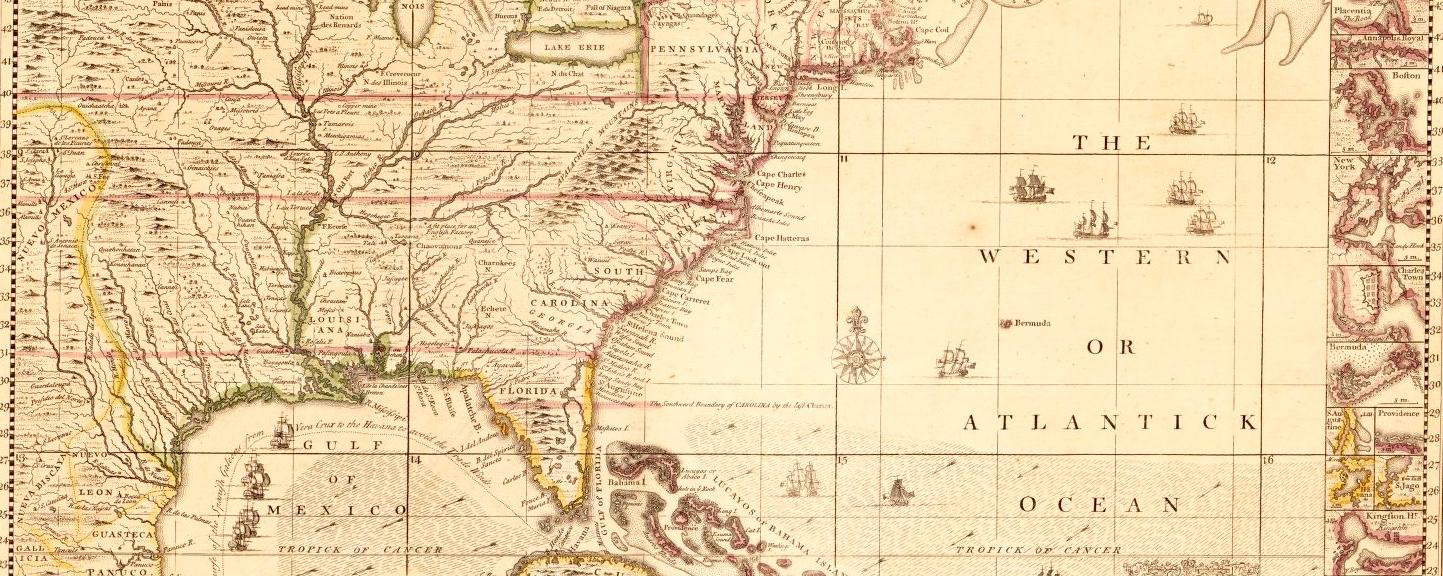
European colonization in North America from 1607 to 1754 was shaped by imperial rivalry, economic goals, religion, labor systems, and relationships with Native peoples. Spanish, French, Dutch, and British colonies developed different patterns of settlement and exchange.
For example, the Spanish focused on the extraction of precious metals and other resources from Central and South America, while the French focused on fur trading and the development of settlements along the Mississippi and St. Lawrence Rivers. The Dutch established trading posts in the northeastern regions of the continent, while the British established colonies along the Atlantic coast, with a focus on the development of tobacco and other cash crops.
Additionally, competition for resources between European rivals and American Indians led to increased industry and trade, as well as conflicts over land and resources. This competition also had a major impact on the development of the colonies, as European nations sought to gain control of key resources and strategic locations. This competition and conflict would eventually lead to the Seven Years' War from 1754 to 1763, also known as the French and Indian War, which would significantly impact the balance of power in North America and pave the way for British dominance on the continent.

Case Studies
The different economic and imperial goals of these colonizers had a significant impact on the social and political development of their colonies, as well as their relationships with native populations. For example, the Spanish encomienda system, which forced indigenous peoples to work for Spanish colonizers, led to significant exploitation and conflict, while the French tended to have a more cooperative relationship with native tribes.
British Colonization
The British colonies in North America participated in a complex and dynamic relationship with Great Britain throughout the colonial period. While the colonies were heavily influenced by British political, social, and cultural norms, they also developed their own distinct identities and cultural practices. This led to tension between the colonies' desire for stronger bonds with Britain and their resistance to British control.
Such variety was evident in the various political and economic exchanges between the colonies and Britain, as well as in the cultural and social interactions that took place between colonizers and colonized.
Transatlantic exchanges also played a significant role in shaping the political and cultural attitudes of the colonists. The commercial, religious, philosophical, and political exchanges that took place between the colonies and Britain, as well as between the colonies themselves, led to a growing sense of interconnectedness among the colonists. This led to the development of a unique American identity over time, as well as a growing sense of dissatisfaction with British rule.
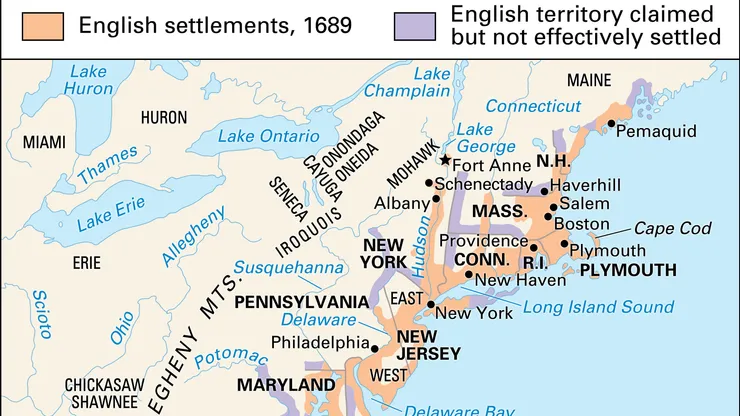
Slavery was also a pivotal part of the colonial system in British North America, as it was in other European empires in the Americas. The English colonies developed a vicious system of slavery that reflected the specific economic, demographic, and geographic characteristics of those colonies. The labor of enslaved Africans drove the development of cash crops like tobacco and rice, which were the main economic drivers of the colonies.
The slave trade also had a significant impact on the demographic makeup of the colonies, as the aforementioned enslaved Africans made up a significant portion of the population. The use of enslaved labor was more prevalent in the southern colonies, where the climate and soil were more conducive to the cultivation of cash crops. Ultimately, the slave trade became a major source of profit for British merchants and influenced the economic development of the entire British empire.
Spanish Colonization
In the 15th century, the Spanish set their sights on the Americas, driven by the desire for gold, God, and glory. They laid claim to lands in the southwestern and western parts of North America, including the conquest of Florida. Their expansion continued in Latin America, where they established the encomienda system of forced labor, which primarily targeted native peoples.
Due to the lack of women among the Spanish colonizers, they intermarried with the local indigenous populations, resulting in a mixed-race population known as mestizos. However, the Spanish treatment of the native populations was often brutal, as seen in their interactions with the Pueblo people of the Southwest. In 1609, they established the colony of New Mexico in Santa Fe and set up Catholic missions, imposing Christianity on the Pueblo people.
The Pueblo people would eventually resist this forced conversion and colonization in the form of Popé's Rebellion in 1680. They killed Spanish priests and hundreds of settlers, successfully driving the Spanish out for the next 50 years. However, the Spanish would eventually reclaim the colony, reasserting their control over the Pueblo people and the region.
French Colonization
Under the rule of King Louis XIV, France solidified its position as a major world power. In an effort to expand its empire, France established a permanent settlement in Quebec in 1608, as well as other parts of northeastern North America, which would become known as New France or Canada. The French explorer Samuel de Champlain played a key role in the colonization of New France, creating an alliance with the local Huron Indians and helping them defeat their Iroquois enemies.
The French also aimed to control the strategically important Ohio River Valley, which would link their northern holdings in Canada with their southern holdings in the lower Mississippi Valley. However, this goal would bring them into conflict with the Iroquois, who had allied themselves with the British.
The French and British would engage in numerous battles for control of the Ohio River Valley, as the French sought to maintain their grip on the region and the British sought to expand their own empire. These battles would have a significant impact on the outcome of the larger struggle between France and Britain for control of North America.
As we move forward, we'll continue developing and adding to the context of the colonial period in North America by highlighting the interactions and conflicts between European colonizers and the native populations, as well as the impact of transatlantic exchanges on the political and cultural attitudes of the colonists.
The guide also explains the system of slavery that developed in the colonies and how it was shaped by the specific economic, demographic, and geographic characteristics of the region.
Frequently Asked Questions
What is the context for North American colonization from 1607 to 1754?
From 1607–1754 colonization was shaped by competing European motives (economic profit, religious freedom, imperial power) and by different colonial models. The Spanish, French, Dutch, and English pursued distinct goals—Spain focused on resource extraction and missions; France and the Dutch on trade and alliances; English settlers varied from profit-driven Chesapeake tobacco plantations (headright system, indentured servitude) to Puritan New England communities (Plymouth, Massachusetts Bay). Environment, labor needs, and demographics created regional differences in the British colonies. Competition for land and resources with American Indian nations and among European rivals led to shifting alliances, trade networks, and conflicts (Powhatan, Bacon’s Rebellion). The growth of the Atlantic slave trade and laws like the Navigation Acts tied colonies to imperial markets and set up social hierarchies. For AP exam contextualization, connect these developments to KC-2.1 and KC-2.2 and practice contextualization skills (see the Topic 2.1 study guide: /apush/unit-2/context-european-colonization-north-america/study-guide/2cwnnkpNtrJCQUVKbbvh). For more review and 1,000+ practice questions, use Fiveable practice (/practice/ap-us-history).
What happened during Period 2 in APUSH?
Period 2 (1607–1754) covers how European powers colonized North America and how those colonies developed. Key events: founding of Jamestown (Virginia Company) and a Chesapeake tobacco economy that used the headright system, indentured servitude, and later increasing reliance on enslaved Africans (Atlantic slave trade, Middle Passage). New England colonies (Plymouth, Massachusetts Bay) were shaped by Puritans and town-based communities. The Dutch built New Netherland/New Amsterdam. British colonies showed regional differences in economy, labor, religion, and politics. Imperial policies and competition (Navigation Acts, rivalry with Spain/France/the Dutch) plus conflicts with Native groups (e.g., Powhatan) and internal unrest (Bacon’s Rebellion) pushed changes in labor and governance. Colonists exchanged ideas, goods, and laws with Britain—creating stronger ties but also seeds of resistance (important for DBQs/LEQs that ask you to contextualize developments). For a focused review, see the Topic 2.1 study guide (/apush/unit-2/context-european-colonization-north-america/study-guide/2cwnnkpNtrJCQUVKbbvh) and practice 1,000+ questions at (/practice/ap-us-history).
Why did different European countries colonize North America in different ways?
They colonized differently because each empire had different goals, cultures, labor needs, and settled in different environments—and those factors shaped institutions and Native American relations. Spain sought wealth and converts (gold, encomienda), so settlements were often centered on extractive mines and missions in the Southwest and Caribbean. France and the Dutch focused on trade (fur, beaver) and had smaller settlements with alliances and intermarriage with Native peoples (New Netherland, French Canada). English colonies varied regionally: Chesapeake tobacco plantations used headright grants and indentured servitude that led to land-hungry expansion and conflict with the Powhatan; New England Puritan colonies prioritized family settlement, religion, and mixed economies. These differences explain why systems like slavery, the Navigation Acts, and colonial assemblies developed unevenly. For AP prep, connect these patterns to KC-2.1.I and KC-2.1.II in the CED and practice comparing causes/continuities on the exam (use the Topic 2.1 study guide: /apush/unit-2/context-european-colonization-north-america/study-guide/2cwnnkpNtrJCQUVKbbvh; unit overview: /apush/unit-2). Want more practice? Try the 1000+ AP practice questions (/practice/ap-us-history).
How did Spanish, French, Dutch, and British colonization goals differ from each other?
Spanish colonization focused on extracting wealth and converting Indians: crown-backed conquistadors, encomienda systems, missions, and tight imperial control produced mixed-race societies and harsh labor systems (early Atlantic slave trade ties). French goals centered on trade—especially the fur trade—and alliances with Native peoples; settlements were sparse, cooperative, and had fewer colonists. The Dutch (New Netherland/Dutch West India Company) prioritized commerce and ports (New Amsterdam), toleration, and trade networks rather than large-scale settlement. English colonization varied by region but emphasized permanent settlement, land ownership, cash-crop economies (e.g., Chesapeake tobacco, headright system, indentured servitude), family-based migration, and growing settler self-government—leading to more conflict with native groups (Powhatan, later frontier tensions). Knowing these differences helps on SAQs/LEQs/DBQs when you compare imperial goals, labor systems, and Native relations. Review Topic 2.1 in Fiveable’s study guide (/apush/unit-2/context-european-colonization-north-america/study-guide/2cwnnkpNtrJCQUVKbbvh) and practice questions (/practice/ap-us-history).
What's the difference between how the Spanish and British colonized America?
Short version: Spanish colonization focused on extracting wealth from large, centralized empires in the Caribbean, Mexico, and South America using systems like encomienda, missionization by Catholic orders, and tight royal control for gold, silver, and labor—often incorporating and coercing Indigenous labor and later African slavery. British colonization in North America (Jamestown 1607, Plymouth, Massachusetts Bay) was more diverse: private companies (Virginia Company), settler-led farms, and regional economies (Chesapeake tobacco with headright system and indentured servitude; New England mixed economies). British colonies developed self-governing institutions (colonial assemblies), trade tied to mercantilist laws like the Navigation Acts, and a growing reliance on the Atlantic slave trade in some regions. Key AP differences: Spanish aimed at imperial extraction and conversion; British settlements emphasized land for settlers, representative institutions, and varied labor systems—all of which affected Native relations, social structures, and later resistance to British control (see Topic 2.1 study guide (/apush/unit-2/context-european-colonization-north-america/study-guide/2cwnnkpNtrJCQUVKbbvh)). For more practice, try Fiveable’s APUSH questions (/practice/ap-us-history).
I'm confused about why European countries competed over resources with Native Americans - can someone explain?
European powers and Native American groups competed over resources because both wanted the same things—land, fur, timber, fishing grounds, and access to trade routes—and had different goals about how to use them. Europeans (Spanish, French, Dutch, British) brought distinct imperial goals: Spain sought wealth and convert people, France and the Dutch built trade networks (furs), and the British wanted land for cash crops like tobacco (see KC-2.1.I). That created competition with each other and with American Indian nations, who controlled those lands and trade networks. Europeans formed trading partnerships and military alliances with some tribes, but expanding settlements, labor systems (headright, indentured servitude), and demand for resources often caused conflict and displacement (KC-2.1.III). For AP exam context practice, anchor answers in causes, regional differences, and specific examples (Jamestown–Powhatan, French fur trade). Review the Topic 2.1 study guide (/apush/unit-2/context-european-colonization-north-america/study-guide/2cwnnkpNtrJCQUVKbbvh) and try practice problems (/practice/ap-us-history).
What were the main causes of conflict between Europeans and American Indians during colonization?
Main causes of conflict: European colonization (1607–1754) brought competing imperial goals and different ideas about land, labor, and sovereignty. English push for private land and tobacco plantations (headright system, indentured servitude) led to settlement expansion that displaced American Indian groups and broke local land-use norms. Europeans’ demand for labor and territory intensified competition with Spanish, French, and Dutch allies of various tribes, producing shifting alliances and violence. Disease outbreaks devastating Indigenous populations undermined diplomacy and changed power balances, increasing tension. Cultural/religious misunderstandings and attempts to control trade (fur, deerskins) also fueled disputes. These causes show up across AP tasks: use them for contextualization on SAQs/LEQs and as causation evidence in DBQs (Topic 2.1). For a concise review, see the Topic 2.1 study guide (/apush/unit-2/context-european-colonization-north-america/study-guide/2cwnnkpNtrJCQUVKbbvh) and try practice questions (/practice/ap-us-history).
How did regional differences develop in the early British colonies along the Atlantic coast?
Regional differences formed because colonists adapted to different environments, economies, and people—and those differences shaped labor systems, politics, and culture. In the Chesapeake (e.g., Jamestown, Virginia), warm climate and tobacco led to plantation agriculture, the Headright system, and heavy use of indentured servants that shifted toward African slavery and hierarchical society (Bacon’s Rebellion shows tensions). In New England (Plymouth, Massachusetts Bay), cooler climate, mixed farming, fishing, and towns founded by Puritans produced family-centered settlements, town meetings, and tighter communal life. The Middle Colonies (New York, Pennsylvania) had more ethnic/religious diversity, grain farming, and trade (New Amsterdam → New Netherland background), so you see more religious toleration and a merchant class. These regional economies also affected transatlantic ties and the growth of slavery (KC-2.1.II; KC-2.2.II). For more focused review, check the Topic 2.1 study guide on Fiveable (/apush/unit-2/context-european-colonization-north-america/study-guide/2cwnnkpNtrJCQUVKbbvh) and practice questions (/practice/ap-us-history).
What factors influenced where different European colonizers settled in North America?
Where Europeans settled depended on a mix of imperial goals, culture, environment, and labor needs. Spain went for profitable extraction and missionary outposts in the Caribbean, Mexico, and Florida where gold, silver, and easy conquest were possible. France and the Dutch focused on fur trade and alliances with Native peoples, so they settled lightly in river valleys and the interior (St. Lawrence, Great Lakes, Hudson). English settlers aimed for farming and permanent communities along the Atlantic coast—regions like Chesapeake (Jamestown) grew a tobacco economy that used the headright system, indentured servitude, and later enslaved labor; New England (Plymouth, Massachusetts Bay) attracted Puritans seeking religious communities and small-family farms. Local environment (soil, climate, rivers), imperial economic goals, available labor systems, and relations with American Indians all shaped where and how colonies developed—use this for Contextualization on the AP exam (CED Topic 2.1). For more review, see the Topic 2 study guide (/apush/unit-2/context-european-colonization-north-america/study-guide/2cwnnkpNtrJCQUVKbbvh) and practice questions (/practice/ap-us-history).
Why did the British colonies become more connected to Britain but also start resisting British control?
They grew more connected to Britain because of expanding trade, migration, and shared institutions: Atlantic commerce (tobacco, shipping), the Navigation Acts, Anglican/Puritan religious ties, and Enlightenment ideas all linked colonists to British markets, politics, and culture. At the same time, lived experience pushed them away: “salutary neglect” let colonial assemblies (house of burgesses, town meetings) gain power and create local political habits. Economic conflicts (price controls, taxes), events like Bacon’s Rebellion, and rising ideas about rights from the Enlightenment made colonists question distant parliamentary control. So you get stronger cultural/economic bonds plus stronger local self-government and resistance to perceived overreach. For AP exam work, this fits Contextualization (Topic 2.1) and causes/continuity-change analysis—review the Topic 2.1 study guide (/apush/unit-2/context-european-colonization-north-america/study-guide/2cwnnkpNtrJCQUVKbbvh) and try practice questions (/practice/ap-us-history).
What was the Atlantic slave trade and how did it affect British colonial development?
The Atlantic slave trade was the transatlantic system (including the Middle Passage) that carried millions of enslaved Africans to European colonies from the 16th–19th centuries. For British North America (1607–1754) it shaped colonial development by supplying labor for labor-intensive cash crops (especially tobacco in Chesapeake and rice/indigo in the Carolinas), accelerating plantation economies and a shift from indentured servitude to lifelong, race-based slavery. That caused major demographic changes (more enslaved people, fewer European laborers), rigid racial hierarchies, and laws (slave codes) that entrenched slavery socially and legally. Economically it tied colonies into the Atlantic commercial network (triangular trade), boosting port cities and merchants. For APUSH use this as contextualization in short answers/DBQs: link labor demand, regional differences (Chesapeake vs. New England), and legal codification of slavery to show causation and continuity/ change. For a focused review see the Topic 2.1 study guide (/apush/unit-2/context-european-colonization-north-america/study-guide/2cwnnkpNtrJCQUVKbbvh) and practice questions (/practice/ap-us-history).
How do I write a DBQ essay about European colonization patterns in North America?
Start with a focused thesis that compares colonization patterns and establishes a line of reasoning (e.g., Spanish centralized extractive colonies vs. French/Dutch fur-trade outposts vs. British regional Atlantic settlements shaped by tobacco, headrights, and Puritan families). Then contextualize: 1607–1754, different imperial goals, environments, and labor systems (Jamestown tobacco, Headright system, indentured servitude, Atlantic slave trade; Plymouth/Massachusetts Bay Puritans; New Netherland/Dutch West India Company). Use at least four documents to support specific claims, accurately describing content and using them in your argument. Add one piece of outside evidence (Bacon’s Rebellion, Navigation Acts, or the Middle Passage). For two documents explain POV/purpose/audience (how a colonial governor’s letter differs from a missionary’s account). Aim for complexity by showing similarities and differences across empires, and continuity/change over time (e.g., early reliance on indentured servitude → growth of race-based slavery). For targeted review, see Fiveable’s Topic 2.1 study guide (/apush/unit-2/context-european-colonization-north-america/study-guide/2cwnnkpNtrJCQUVKbbvh) and practice questions (/practice/ap-us-history).
What were the consequences of European competition for resources in the Americas?
European competition for resources in the Americas led to big political, economic, and social consequences. Economically, rival powers pushed industry and trade (fur trade for the French, tobacco in Chesapeake), enforced mercantilist rules like the Navigation Acts, and increased demand for labor—first indentured servants, then the Atlantic slave trade and the Middle Passage (keywords from the CED). Politically and diplomatically, Europeans forged shifting alliances with American Indian groups, provoking competition and violent conflicts (e.g., Powhatan wars, frontier clashes). Territorial rivalry fueled colonization patterns (Spanish, French, Dutch, British differences) and spurred imperial laws and settlement strategies that shaped regional colonial development. For the AP exam, these developments are useful for contextualization and evidence in short-answer and DBQ prompts about causes/effects of colonial expansion. Review the Topic 2.1 study guide for targeted help (/apush/unit-2/context-european-colonization-north-america/study-guide/2cwnnkpNtrJCQUVKbbvh) and try practice questions (/practice/ap-us-history).
I don't understand how transatlantic exchanges made colonists both closer to and more resistant to Britain - help?
Transatlantic exchanges tied colonies to Britain economically, culturally, and politically while also planting the seeds of resistance. Trade (tobacco, sugar, enslaved people via the Atlantic slave trade) and laws like the Navigation Acts created economic dependence and a shared Atlantic commercial world—colonists bought British goods, used British credit, and adopted British legal/political ideas. At the same time, ideas crossing the Atlantic—Enlightenment political thought, evangelical revivalism from the Great Awakening—encouraged self-government, rights language, and local civic identity. Salutary neglect let colonial assemblies gain real power managing trade and defense; when Britain later tried to reassert control (taxes, tighter enforcement), colonists pushed back using the same political vocabulary and institutions they’d developed. For essays/SAQs/DBQs, mention specific examples (Navigation Acts, salutary neglect, Enlightenment, Great Awakening, colonial assemblies, Atlantic slave trade) and use contextualization from the Unit 2 study guide (/apush/unit-2/context-european-colonization-north-america/study-guide/2cwnnkpNtrJCQUVKbbvh). For practice, check Fiveable’s unit materials and 1,000+ practice questions (/practice/ap-us-history).
What specific economic and demographic factors shaped different colonial regions?
Different colonial regions developed from distinct economic and demographic conditions. In the Chesapeake (Virginia, Maryland) a tobacco boom created plantation economies that relied first on headright grants and indentured servitude and then on African slavery; labor shortages and a skewed gender ratio led to lower population density and unstable family life. New England (Massachusetts, Plymouth) had rocky soil, so settlers built mixed subsistence farms, town-based economies, and trade/shipbuilding; Puritan family migration produced higher literacy, stable gender balances, and denser towns. The Middle Colonies (New York, Pennsylvania) combined cereal farming, livestock, and commercial ports—more ethnic and religious diversity and slower move to large-scale slavery. The Lower South (Carolinas, Georgia) focused on rice and indigo plantations, heavy reliance on enslaved labor, and plantation hierarchy. For APUSH, use these regional comparisons for contextualization, causation, and comparison prompts (see the Topic 2.1 study guide on Fiveable: /apush/unit-2/context-european-colonization-north-america/study-guide/2cwnnkpNtrJCQUVKbbvh). For extra practice, try Fiveable’s Unit 2 resources and 1000+ practice questions (/practice/ap-us-history).