Context: From Expansion to Crisis
From 1648 to 1815, Europe underwent major transformations that challenged traditional power structures. The Peace of Westphalia (1648) ended the Thirty Years’ War and ushered in an age of state sovereignty, weakening the Catholic Church’s influence in secular affairs. Over the next century, absolutist monarchies centralized authority, but Enlightenment ideas, economic expansion, and revolutionary movements would ultimately destabilize the old order.

Economic Growth and Global Rivalries
Commercial Expansion and Colonialism
The 18th century saw a sharp increase in trade and colonial competition. European states (especially Britain, France, and the Dutch Republic) expanded overseas empires to access raw materials and markets.
- Global Triangular Trade enriched European economies while intensifying the transatlantic slave trade.
- Colonial profits from sugar, cotton, tobacco, and silver fueled mercantilist rivalries between Britain and France.
- Competition over trade routes and colonies led to major conflicts like the Seven Years’ War (1756–1763).
Technological Innovation and Industrial Foundations
Although full-scale industrialization emerged later, the groundwork was laid during this era:
- The Agricultural Revolution (seed drill, crop rotation) led to population growth and surplus labor.
- The early factory system began forming in textile production.
- Urbanization intensified as peasants migrated to cities for work.
State Power and Political Upheaval
Absolutism and Resistance
Following Westphalia, absolutist rulers like Louis XIV of France consolidated power through centralized bureaucracy, standing armies, and propaganda. But new Enlightenment ideas questioned the divine right of kings and promoted popular sovereignty.
- Britain’s Glorious Revolution (1688) ushered in constitutional monarchy.
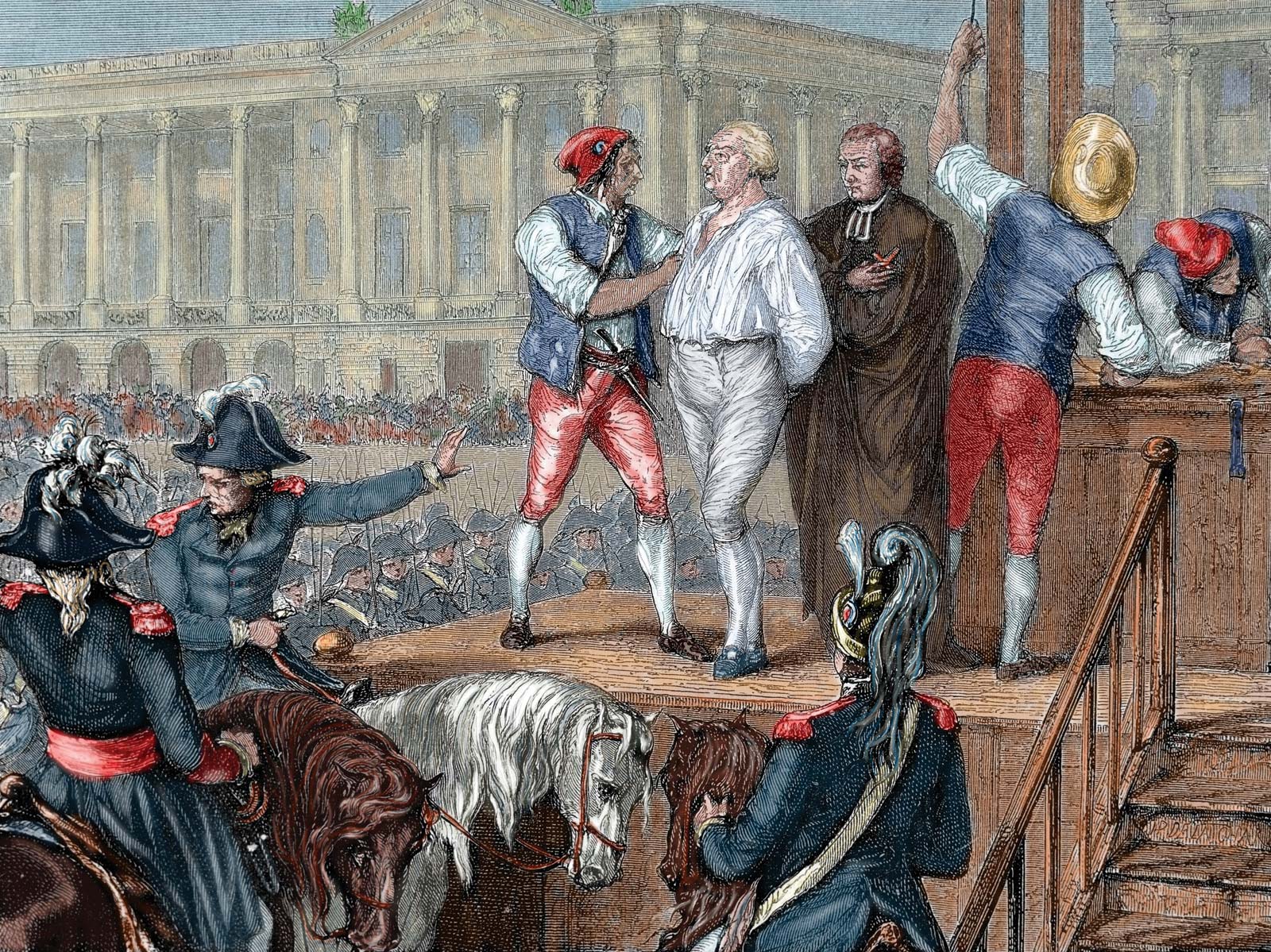
- In France, tensions between absolutist monarchy, social inequality, and Enlightenment values sparked the French Revolution (1789–1799).
Constitutionalism and Absolutism rivaled one another with the rise of France and England in the 17th to early 18th Century.
The French Revolution and Napoleon
The French Revolution was a turning point in European history:
- “Liberty, Equality, and Fraternity” became rallying cries against monarchy and feudal privilege.
- The revolution escalated into radicalism (Reign of Terror), followed by Napoleon Bonaparte’s rise.
- Napoleon claimed to uphold revolutionary ideals, codifying them in the Napoleonic Code, but governed as an emperor and waged wars across Europe, destabilizing the continent and reshaping national borders.
Cultural Shifts in the Arts: From Order to Emotion
Art movements reflected and influenced Europe’s changing political and social climate.
Renaissance (14th–16th century):
Focused on humanism, balance, proportion, and classical influence. Celebrated individual achievement and secularism.
Mannerism (Late Renaissance):
Reacted to Renaissance ideals with distorted forms, tension, and artificiality, reflecting uncertainty post-Reformation.
Baroque (17th century):
- Used dramatic lighting, grandeur, and religious themes to inspire awe.
- Embraced by absolute monarchs and the Catholic Church for propaganda and piety (Bernini, Caravaggio).
Neoclassicism (Mid-18th century):
- A return to classical simplicity and civic virtue, ==often aligned with Enlightenment ideals.==
- Art was rational, moralistic, and focused on historical or political themes (Jacques-Louis David).
Romanticism (Late 18th–early 19th century):
-
Reacted against Enlightenment reason and Neoclassical order.
-
Emphasized emotion, nature, imagination, nationalism, and the sublime.
-
Romantic art and literature often reflected disillusionment with industrialization and war, celebrating the individual’s inner world and a deep connection to folk traditions and the natural world. Examples of Romantic Themes:
- Wild landscapes representing untamed emotion.
- Heroic individuals rebelling against oppressive forces.
- Emphasis on medieval or exotic settings as a critique of modernity.
Romanticism as a Reaction & the Rise of Nationalism
Romanticism as a Reaction Against the Enlightenment
While the Enlightenment focused on logic, reason, order, and progress, Romanticism emerged as a cultural rebellion against these ideals:
- ==Romantics viewed Enlightenment rationalism as cold, mechanical, and spiritually empty.==
- Where the Enlightenment emphasized universal truths, Romanticism embraced individual experience, emotion, and subjective reality.
- Romantics rejected Enlightenment faith in technological and societal progress, fearing it stripped humanity of its connection to nature, tradition, and spirituality.
⭐ Romantic artists, poets, and thinkers turned to nature, folklore, history, and emotion to find deeper truths than those offered by science and reason. In doing so, they laid the groundwork for cultural nationalism.
The French Revolution and the Birth of Nationalism
The French Revolution was a major catalyst for modern nationalism. Revolutionary ideals like:
- Popular sovereignty
- Equality before the law
- Civic participation
…helped redefine the nation as a community of citizens, not just subjects under a monarch. ==As Napoleon expanded France’s power across Europe, he spread revolutionary principles that inspired both admiration and nationalist resistance.==
Other crises also fueled national identity:
- In Germany, opposition to French domination sparked a cultural nationalism based on shared language, myths, and history.
- In Spain, popular resistance to Napoleon’s forces in the Peninsular War united peasants, clergy, and nobles against a foreign invader.
- In Eastern Europe, diverse ethnic groups began imagining themselves as distinct nations, often tied to Romantic ideals of folk culture and historical legacy.
⭐ By 1815, the Congress of Vienna sought to restore the old order, but the seed of nationalism had already taken root. The coming decades would see increasing demands for national self-determination, especially in multiethnic empires like Austria and the Ottoman Empire.
🎥 Watch: AP Europe - Beginning of the French Revolution
Vocabulary
The following words are mentioned explicitly in the College Board Course and Exam Description for this topic.
| Term | Definition |
|---|---|
| commercial rivalries | Competition among European states for trade, resources, and economic dominance that influenced diplomatic and military conflicts. |
| Enlightenment thought | Intellectual movement focused on empiricism, skepticism, human reason, and rationalism that challenged prevailing patterns of thought regarding social order, institutions of government, and the role of faith. |
| French Revolution | A period of radical social and political upheaval in France (1789-1799) that fundamentally transformed French society and had lasting effects across Europe. |
| mass politics | Political movements and activities involving large numbers of ordinary people rather than just elites, often driven by emotional appeals and nationalist sentiment. |
| Napoleon Bonaparte | French military leader who seized power during the French Revolution and imposed French control over much of continental Europe before his eventual defeat. |
| nationalism | A political ideology emphasizing loyalty to one's nation and national interests, which emerged as a reaction to Napoleonic expansion. |
| political sovereignty | The supreme power and authority of a state to govern itself and make independent decisions without external interference. |
| Scientific Revolution | A period of European intellectual and cultural change characterized by new scientific methods based on observation, experimentation, and mathematics that challenged classical views of the cosmos, nature, and the human body. |
Frequently Asked Questions
What exactly is meant by "18th-century states" and why is this time period so important?
"18th-century states" means the European kingdoms, principalities, and empires operating roughly from 1700–1815—think Bourbon France under the Ancien Régime, Habsburg Austria, Prussia under Frederick the Great, Russia under Catherine, and Britain—and how they organized sovereignty, taxation, armies, and diplomacy. This period is crucial because different models of sovereignty (absolutism vs. constitutionalism) shaped conflicts like the Seven Years’ War and set up the crisis that the French Revolution challenged (KC-2.1, KC-2.2, KC-2.3). For the AP exam, you’ll often need to contextualize causes and consequences (Skill 4: Contextualization) and link state structures to economic and intellectual changes. Review how mercantilism, balance-of-power diplomacy, and Enlightenment ideas affected state choices. For a focused study guide on this topic, see Fiveable’s Topic 5.1 study guide (https://library.fiveable.me/ap-european-history/unit-5/context-18th-century-european-states/study-guide/wYjQDsQoq8wyA3BNeb8v). Practice applying context and evidence with AP-style questions at Fiveable (https://library.fiveable.me/practice/ap-european-history).
Why did so many European countries have wars and revolutions between 1648 and 1815?
Between 1648 and 1815 Europe saw lots of wars and revolutions because political, economic, and intellectual forces all collided. After the Peace of Westphalia states claimed sovereign authority (KC-2.1), but competing models—absolutism vs. constitutionalism—created rivalry and insecurity. Dynastic and commercial competition (mercantilism, colonial empires) produced major wars like the War of Spanish Succession and Seven Years’ War (KC-2.2). Enlightenment ideas questioned ancien régime hierarchies and fueled demands for rights and representation; fiscal crises and social inequality made those ideas explosive, culminating in the French Revolution, which challenged Europe’s political-social order (KC-2.1.IV). Napoleon then exported revolutionary ideas and provoked national reactions and the Napoleonic Wars (KC-2.1.V). For the AP exam, use this period as a classic contextualization example: connect long-term causes (sovereignty models, economic rivalry, Enlightenment) to short-term triggers (fiscal collapse, popular mobilization) in DBQs/LEQs. For a focused study, see the Topic 5.1 guide (https://library.fiveable.me/ap-european-history/unit-5/context-18th-century-european-states/study-guide/wYjQDsQoq8wyA3BNeb8v) and practice questions (https://library.fiveable.me/practice/ap-european-history).
What's the difference between absolute monarchy and constitutional monarchy in the 1700s?
Absolute monarchy (absolutism) in the 1700s: the monarch claimed near-total sovereignty—lawmaking, taxation, and military control rested with the king (e.g., Louis XIV’s Ancien Régime model). Nobles and representative bodies had limited legal power; rulers justified authority with divine right or centralized state-building. Constitutional monarchy (constitutionalism): the monarch’s powers were limited and defined by laws, often shared with a parliament or legal constitution (e.g., Britain after the Glorious Revolution). Subjects had more legal protections and political influence; rulers couldn’t tax or legislate without consent. For AP Euro, link this to KC-2.1 (different sovereignty models) and the French Revolution’s challenge to absolutism (Topic 5.1). Review differences and examples in the Topic 5.1 study guide (https://library.fiveable.me/ap-european-history/unit-5/context-18th-century-european-states/study-guide/wYjQDsQoq8wyA3BNeb8v) and practice related questions (https://library.fiveable.me/practice/ap-european-history) to prep for MCQs and LEQ/SAQ comparisons.
How did the French Revolution actually challenge the existing political order in Europe?
The French Revolution challenged Europe's political order by replacing the idea of divine-right monarchy with popular sovereignty, spreading Enlightenment claims about individual rights and legal equality, and abolishing Ancien Régime privileges (nobility, feudal dues, church courts). Revolutionary France exported these ideas and institutions through wars, the levée en masse (mass conscription), and later Napoleon’s reforms—forcing legal codes and administrative centralization on conquered states. That undercut traditional dynastic and absolutist legitimacy, stimulated liberal and nationalist movements across Europe, and pushed conservative powers to respond (Congress of Vienna). For the AP exam, use these specifics for contextualization and evidence in DBQs/LEQs: cite abolition of feudal rights, popular sovereignty, levée en masse, Napoleonic legal reforms, and nationalistic reactions (CED KC-2.1.IV–V). For a quick refresher, review the Topic 5.1 study guide (https://library.fiveable.me/ap-european-history/unit-5/context-18th-century-european-states/study-guide/wYjQDsQoq8wyA3BNeb8v) and try practice questions (https://library.fiveable.me/practice/ap-european-history).
I'm confused about how Napoleon defended the French Revolution but also conquered other countries - can someone explain?
Short answer: Napoleon presented himself as the heir who would “defend” the Revolution by preserving and exporting key revolutionary reforms—legal equality (Napoleonic Code), secular administration, merit-based bureaucracy, and end to feudal privileges. At the same time he expanded French rule across Europe by annexing territory, creating client states ruled by relatives or loyal elites, and using military campaigns to force his political and economic systems (like the Continental System) on other states. That mix—modernizing reforms plus imperial control—meant many Europeans first benefited from Enlightenment ideas but then reacted with rising nationalism. AP tip: this is exactly KC-2.1.IV–V territory (French Revolution challenged old order; Napoleon imposed French control, provoking nationalism). For a quick review, see the Topic 5.1 study guide (https://library.fiveable.me/ap-european-history/unit-5/context-18th-century-european-states/study-guide/wYjQDsQoq8wyA3BNeb8v) and try practice questions (https://library.fiveable.me/practice/ap-european-history).
What were the main causes of political crisis in 18th-century Europe?
Main causes of political crisis in 18th-century Europe (concise): - Fiscal strain from constant war and empire-building (War of the Spanish Succession, Seven Years’ War, Napoleonic Wars) left many states with huge debts and regressive tax systems that fell on peasants and the bourgeoisie. - Social inequality under the Ancien Régime and tensions between absolutism and emerging constitutional ideas—enlightenment critiques of monarchy and privilege undermined rulers’ legitimacy (KC-2.1, KC-2.3). - Economic change and commercial rivalries (mercantilism, global trade expansion) created winners/losers at home and intensified diplomatic conflict (KC-2.2). - Cultural/intellectual shifts: Enlightenment demands for rights and reason fueled public criticism and political mobilization (salons, pamphlets). - Short-term triggers: bad harvests/food shortages, rising bread prices, and fiscal crises that sparked protests and revolutions (e.g., France, 1789). For AP exam essays, explain context (1648–1815), show causation and change over time, and connect specific examples (tax systems, wars, Enlightenment). See the Topic 5.1 study guide for targeted review (https://library.fiveable.me/ap-european-history/unit-5/context-18th-century-european-states/study-guide/wYjQDsQoq8wyA3BNeb8v). For extra practice, try AP problems (https://library.fiveable.me/practice/ap-european-history).
How did commercial rivalries between European states lead to actual wars?
Commercial rivalries turned into wars because states followed mercantilist thinking: limited wealth, so overseas trade and colonies were zero-sum. Competing claims to markets, shipping routes, and colonies threatened a state’s revenue and security, so rulers used diplomacy, alliances, and sometimes war to protect or expand commerce. Examples: Anglo-Dutch naval conflicts over trade, the War of the Spanish Succession (balance-of-power struggle over colonial and dynastic claims), and the Seven Years’ War (global conflict over colonies and trade). These conflicts linked economic goals to state power—navies, tariffs, and colonial seizures—so commercial disputes escalated into military ones when diplomacy failed. For AP focus, connect this to KC-2.2.III (commercial rivalries shaping diplomacy/war) and practice causation/contextualization on the exam. Review Topic 5.1 (https://library.fiveable.me/ap-european-history/unit-5/context-18th-century-european-states/study-guide/wYjQDsQoq8wyA3BNeb8v), Unit 5 (https://library.fiveable.me/ap-european-history/unit-5), and try practice questions (https://library.fiveable.me/practice/ap-european-history).
What's the connection between the Enlightenment and all the political upheaval in the 1700s?
The Enlightenment gave people new ways to question authority and imagine political alternatives—using reason, natural rights, and social-contract ideas (Locke, Rousseau, Montesquieu). Those ideas weakened support for absolutism and encouraged constitutionalism, critics of the Ancien Régime, and even “enlightened absolutism” reforms by rulers like Frederick and Catherine. In practice, Enlightenment arguments about equality and popular sovereignty helped spark the French Revolution (a core KC-2.1 challenge to Europe’s political order) and justified mass mobilization and later Napoleonic claims to spread revolutionary ideals across Europe. For the AP exam, use this as context or causation in DBQs/LEQs: show how intellectual change (KC-2.3) produced political change (KC-2.1) and link to outcomes like Napoleon, the Napoleonic Wars, and the Congress of Vienna. For a quick review, see the Topic 5.1 study guide (https://library.fiveable.me/ap-european-history/unit-5/context-18th-century-european-states/study-guide/wYjQDsQoq8wyA3BNeb8v) and more Unit 5 resources (https://library.fiveable.me/ap-european-history/unit-5). Practice related questions at (https://library.fiveable.me/practice/ap-european-history).
How do I write a DBQ essay about the context of European state conflicts from 1648-1815?
Start with a focused thesis that links state conflict to specific 1648–1815 causes (e.g., Westphalia’s sovereignty norms + competing models: absolutism vs constitutionalism). In your intro add concise contextualization: Peace of Westphalia, mercantilism/commercial rivalry, balance-of-power diplomacy, major wars (War of Spanish Succession, Seven Years’ War), and the French Revolution/Napoleon. For body paragraphs: use at least 4 documents to support your claims, and for two documents explain POV/purpose (sourcing). Bring in one specific outside fact (e.g., Treaty of Utrecht, Frederick the Great’s policies, or Continental System) to earn the extra evidence point. Show complexity by weighing religious, economic, and dynastic/political motives and noting shifts over time (religious → power politics → revolutionary nationalism). End with a sentence tying conflict patterns to the Congress of Vienna settlement. For more Topic 5.1 review see the study guide (https://library.fiveable.me/ap-european-history/unit-5/context-18th-century-european-states/study-guide/wYjQDsQoq8wyA3BNeb8v) and practice questions (https://library.fiveable.me/practice/ap-european-history).
Why did nationalism become such a big deal after Napoleon's conquests?
Napoleon’s conquests made nationalism huge because his rule forced people to confront who they were. French armies spread revolutionary ideas (citizen rights, legal codes, conscription/levée en masse) and administrative reforms, but they also imposed French governors, taxes, and the Continental System. That combination provoked resistance: people resented foreign rule and began identifying with shared language, laws, religion, and history. Rulers and intellectuals then framed opposition as “the nation” defending itself—so nationalism became both a popular mobilizing force and a political ideology. For AP context, this is exactly KC-2.1.IV and KC-2.3.VI.D: Napoleon claimed revolutionary ideals while provoking nationalistic reaction, which the Congress of Vienna later tried to manage. For more on this Topic 5.1 context, check the study guide (https://library.fiveable.me/ap-european-history/unit-5/context-18th-century-european-states/study-guide/wYjQDsQoq8wyA3BNeb8v); practice questions are at (https://library.fiveable.me/practice/ap-european-history).
What were the long-term effects of the French Revolution on other European monarchies?
The French Revolution had several long-term effects on European monarchies. Politically it discredited absolute ancien régime legitimacy and forced monarchs to respond—first with repression (Congress of Vienna/Concert of Europe) and later with cautious reforms (limited constitutions, expanded male suffrage in some states). The Revolution and then Napoleon spread Enlightenment ideas (legal equality, secular law—e.g., Napoleonic Code), which encouraged bourgeois political claims and sparked 19th-century nationalism. That nationalism undermined multiethnic monarchies (Austrian, Ottoman), fueling 1848 revolts and later unifications (Italy, Germany). Militarily and diplomatically, the Napoleonic Wars shifted the balance of power and made coalition-building a staple of monarchical security policy. For AP practice, note this fits KC-2.1 (challenge to old order), KC-2.1.V (Napoleonic control → national reaction), and makes a strong LEQ/DBQ thesis on change vs. continuity. For a concise unit review, see the Topic 5.1 study guide (https://library.fiveable.me/ap-european-history/unit-5/context-18th-century-european-states/study-guide/wYjQDsQoq8wyA3BNeb8v) and try practice questions at (https://library.fiveable.me/practice/ap-european-history).
How did the Scientific Revolution influence political thinking in the 18th century?
The Scientific Revolution shifted how people thought about authority: it showed that the world could be explained by universal laws discovered through reason, observation, and experiment. Enlightenment thinkers applied that method to politics—arguing for natural rights, social contracts, and limits on rulers (think Locke, Montesquieu). That undercut divine-right absolutism and fed both constitutionalism and “enlightened absolutism” (e.g., Frederick the Great, Catherine the Great) as rulers tried to use reason to reform states. On the AP exam this connection is a common contextualization point for Unit 5 prompts (use it in DBQs/LEQs to explain why late-18th-century crisis and revolution happened). For quick review, check the Topic 5.1 study guide (https://library.fiveable.me/ap-european-history/unit-5/context-18th-century-european-states/study-guide/wYjQDsQoq8wyA3BNeb8v) and use Fiveable’s unit overview (https://library.fiveable.me/ap-european-history/unit-5) plus practice questions (https://library.fiveable.me/practice/ap-european-history) to drill this cause-and-effect link.
I missed class - what does "political sovereignty" mean and why did different models cause problems?
"Political sovereignty" means the ultimate authority to make and enforce laws in a territory—who gets to decide: a monarch, a parliament, cities, or the people. After the Peace of Westphalia (1648) sovereignty was treated as a state’s right to control its internal affairs. In the 18th century Europe there were competing models: absolutism (monarchs claiming near-total power), constitutionalism (rulers limited by laws or representative bodies, like Britain), and the patchwork Ancien Régime systems (local privileges, estates, and municipal autonomy). Those differences caused problems because rulers and states had incompatible claims: absolutist states sought centralized control while constitutional or local institutions resisted. That tension fed diplomatic rivalries, internal unrest, and made Europe fragile to crises—setting the stage for the French Revolution and Napoleonic reordering. For AP work, use these ideas for contextualization and causation in LEQs/DBQs (Topic 5.1 study guide: https://library.fiveable.me/ap-european-history/unit-5/context-18th-century-european-states/study-guide/wYjQDsQoq8wyA3BNeb8v). For practice, try Fiveable’s AP questions (https://library.fiveable.me/practice/ap-european-history).
Compare the impact of Enlightenment ideas versus emotional/nationalist movements in 18th-century politics
Enlightenment ideas and emotional/nationalist movements both reshaped 18th-century politics, but in different ways. Enlightenment thought (reason, natural rights, social contract) undercut the legitimacy of absolutism and inspired reform-minded elites—think Frederick the Great, Catherine the Great, and later the revolutionary language of 1789—leading to debates about constitutionalism and popular sovereignty (CED KC-2.1, KC-2.3). Emotional and nationalist movements, though, turned ideas into mass action: revolutionary fervor, the levée en masse, and patriotic mobilization under Napoleon created large-scale political change and widespread resistance across Europe (KC-2.1.IV–V). In short: the Enlightenment provided the intellectual tools and critiques; nationalism and mass emotion provided the energy that made those critiques revolutionary and durable—producing wars, Napoleonic rule, and a later nationalistic reaction that redrew Europe. For AP prep, practice explaining causes versus effects and use contextualization and causation in essays (see the Topic 5.1 study guide: https://library.fiveable.me/ap-european-history/unit-5/context-18th-century-european-states/study-guide/wYjQDsQoq8wyA3BNeb8v). For more practice, try problems at (https://library.fiveable.me/practice/ap-european-history).
What role did economics and trade competition play in European conflicts during this period?
Economic and trade competition was a central cause of 18th-century European conflict. Mercantilist rivalry pushed states to secure colonies, trade routes, and favorable balances of trade, fueling wars like the War of the Spanish Succession and the Seven Years’ War as powers (Britain, France, Spain, the Dutch) sought resources, markets, and naval dominance. Commerce also shaped diplomacy and the balance of power: trade interests drove alliances, war financing, and imperial expansion. Later, Napoleon’s Continental System—an attempt to blockade British trade—created economic warfare that widened conflict and provoked nationalist reactions. On the AP exam this shows up in MCQs and DBQ/LEQ prompts about causes, balance of power, and Britain’s ascendency (see Topic 5.1 study guide for specifics) (https://library.fiveable.me/ap-european-history/unit-5/context-18th-century-european-states/study-guide/wYjQDsQoq8wyA3BNeb8v). For extra practice, try related questions at (https://library.fiveable.me/practice/ap-european-history).