The Northern Renaissance
Towards the end of the 15th century—a few decades after the Italian Renaissance began—Northern Europe (specifically Germany, France, England, Belgium, and the Netherlands) began to adopt and interpret the rediscovered classical texts of ancient Greece and Rome. Although it took longer for Renaissance ideals to reach Northern Europe, they spread much faster with the help of Johann Gutenberg’s printing press. This invention allowed the Church, northern humanists, and statesmen to disseminate their ideas and viewpoints to a wider audience, including books on religion.

Christian Humanism
Unlike the Italian Renaissance, Northern scholars embraced religion much more during this period. They developed doctrines like Christian Humanism, which upheld the teachings of Christ while still emphasizing individualism and the focus on humanity.
Erasmus, a Dutch Christian humanist and scholar—dubbed the "prince of humanism"—wrote several critiques of the Catholic Church’s corruption and misuse of power. However, he remained a devout Christian and was committed to the Church. His version of the New Testament played a crucial role in shaping modern biblical scholarship.
Impact of the Northern Renaissance
The teachings of Christian Humanism laid the groundwork for the Protestant Reformation. As people read the original Latin translations of the Bible, they discovered significant discrepancies between biblical texts and the practices of the Catholic Church. Moreover, the cultural diversity of Northern Europe facilitated the fusion and spread of competing and diverse ideas.
The Northern Renaissance, with its emphasis on secularism and individualism, challenged religious, political, and intellectual institutions. It was particularly focused on religious reform. As Christian Humanism gained traction, it encouraged the creation of new religious sects separate from the Catholic Church.
Those in the Northern Renaissance were from diverse backgrounds and were especially passionate about religious reform, differing from their Italian Renaissance counterparts, who were more focused on classical humanism and secular themes.
- Led to Religious Reform:
- Christian Humanism challenged the Church’s authority.
- People read original Latin Bibles and noticed discrepancies with Church teachings.
- Diverse Intellectual & Cultural Influence:
- Northern Europe had a more diverse population, leading to a fusion of competing ideas.
- Helped Spark the Protestant Reformation:
- The push for religious reform led to the rise of new Christian sects separate from Catholicism.
The Italian vs Northern Renaissance
| Italian Renaissance | Northern Renaissance | |
|---|---|---|
| Main Ideas | Humanism, Secularism, Individualism | Christian Humanism, Religious Reform |
| Leading Figures | Petrarch, Machiavelli | Erasmus, Thomas More |
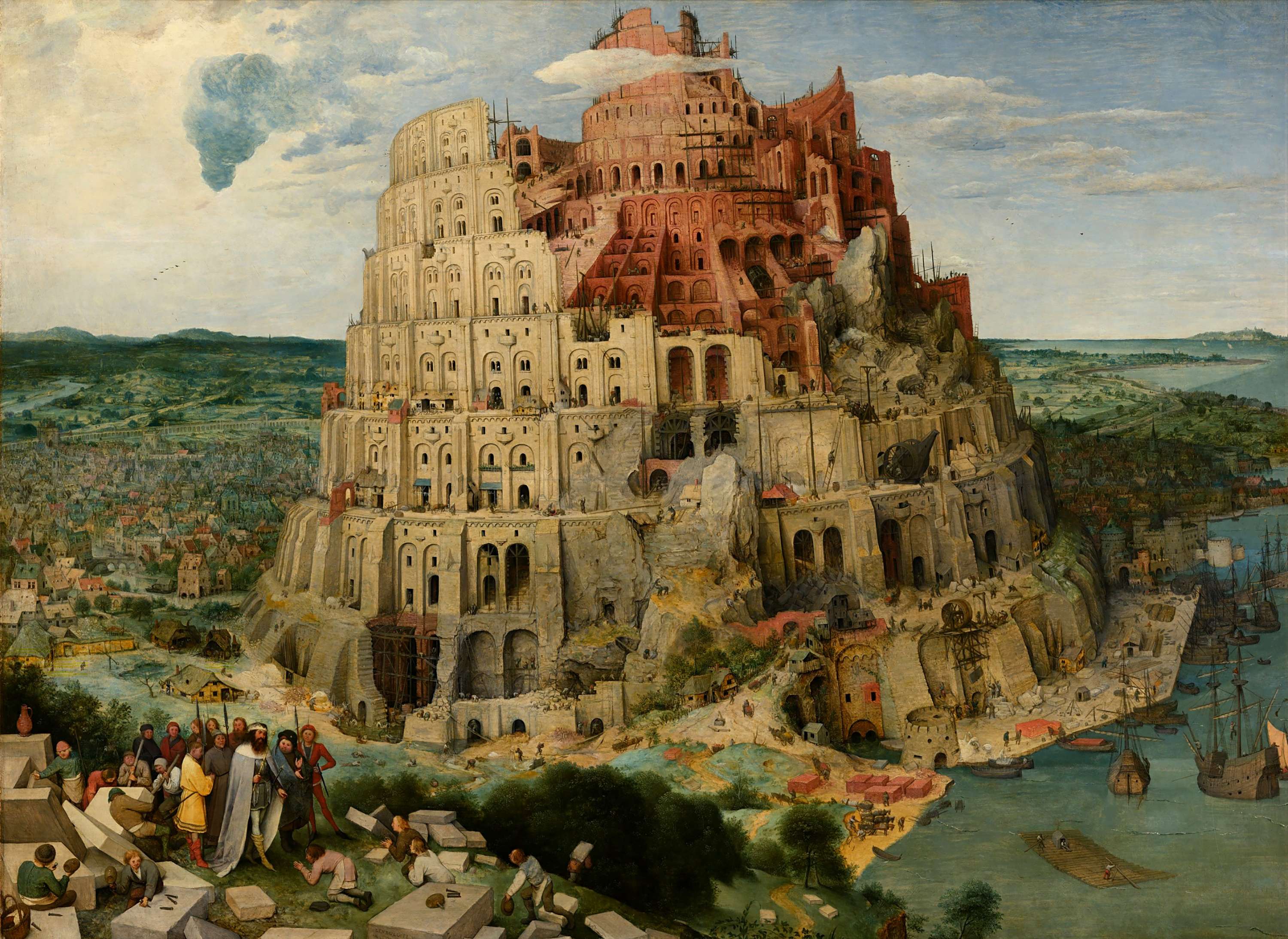
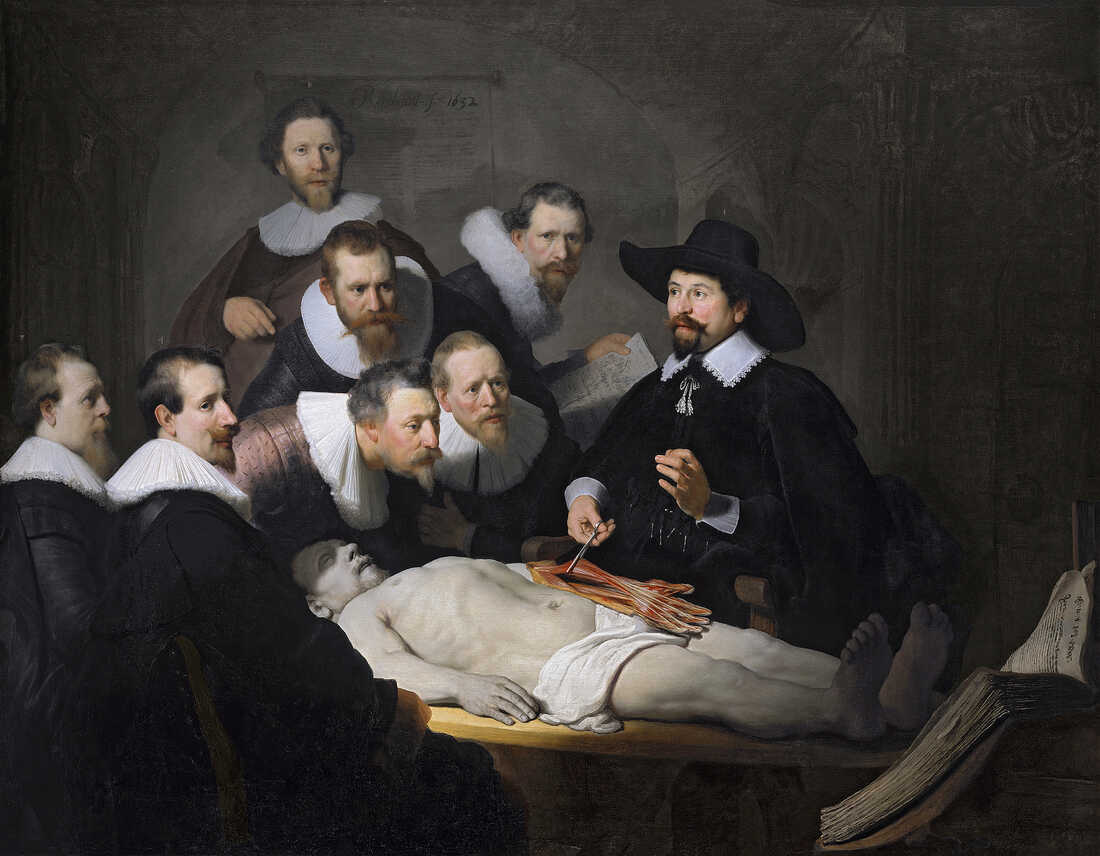
| Art | Focused on classical techniques and secular themes (Greek & Roman mythology, historical moments) | Focused on everyday life and religious themes, retaining Christian influence |
| Artists | Leonardo da Vinci, Michelangelo | Rembrandt, Pieter Bruegel the Elder |
| Philosophy | Revival of Greek & Roman rational thought | Merged humanist principles with Christian values |
| Literature | Emphasis on history, philosophy, and secular politics (Machiavelli’s The Prince) | Emphasis on religious criticism and reform (More’s Utopia, Erasmus’ In Praise of Folly) |
| Political Impact | Strengthened city-states and secular governments | Questioned Church authority, leading to the Protestant Reformation |
- The Italian Renaissance focused on humanism, secularism, and classical revival, while the Northern Renaissance emphasized religious reform and Christian Humanism.
- The printing press played a crucial role in spreading ideas in both movements but had a stronger impact in the North, as it allowed for widespread religious critique.
- While the Italian Renaissance led to political centralization and diplomacy, the Northern Renaissance helped lay the groundwork for Protestantism and religious fragmentation in Europe.
🎥 Watch: AP Euro - Northern Renaissance
Italian Renaissance Art:
Image Courtesy of ArtyfactoryNorthern Renaissance Art:
After reading this guide, it is important that you are able to analyze the differences and simillarities in the development of Renaissance across different European regions.
🎥 Watch: AP European History
Vocabulary
The following words are mentioned explicitly in the College Board Course and Exam Description for this topic.
| Term | Definition |
|---|---|
| Christian humanism | An intellectual movement that combined Renaissance humanist learning and methods with Christian theology and religious reform, exemplified by Erasmus. |
| Erasmus | A Northern Renaissance humanist scholar whose writings employed Renaissance learning to advance religious reform and Christian thought. |
| human-centered naturalism | An artistic approach that depicts individuals and everyday life with realistic detail and human emotion as appropriate subjects for artistic representation. |
| naturalism | An artistic technique developed during the Renaissance that aimed to represent subjects with realistic detail and accurate observation of the natural world. |
| Northern Renaissance | The Renaissance movement as it developed and spread to northern Europe, characterized by a stronger religious focus than the Italian Renaissance. |
| religious focus | The emphasis on Christian themes and spiritual concerns that distinguished the Northern Renaissance from the Italian Renaissance. |
| Renaissance ideas | Intellectual and cultural concepts that emerged during the Renaissance, emphasizing humanism, individualism, and classical learning. |
Frequently Asked Questions
What is the Northern Renaissance and how is it different from the Italian Renaissance?
The Northern Renaissance was the spread of Renaissance ideas into northern Europe where artists and thinkers kept a stronger religious focus and blended Renaissance learning with Christian reform—think Erasmus and Thomas More (Christian humanism). Painters like Jan van Eyck, Albrecht Dürer, Pieter Bruegel, and Rembrandt used oil glazing, detailed naturalism, and genre scenes that showed everyday life and individuals (merchant patronage helped fund this). Contrast with the Italian Renaissance: Italians emphasized classical antiquity, secular themes, idealized human forms, linear perspective, and patronage from princes and the papacy (Florence, Rome). Northerners prioritized moral/religious subjects and more lifelike detail; Italians prioritized classical revival and human-centered secular art. On the AP exam this shows up in Unit 1 (Topic 1.3): expect multiple-choice and short-answer items asking about Christian humanism, printing’s role, artistic techniques, and shifting patronage. For the Fiveable study guide on this topic, see (https://library.fiveable.me/ap-european-history/unit-1/northern-renaissance/study-guide/tAaasYDj1zYBat2eNLCR). For broader review and 1,000+ practice questions, check (https://library.fiveable.me/ap-european-history/unit-1) and (https://library.fiveable.me/practice/ap-european-history).
Why did the Northern Renaissance keep more religious themes compared to Italy?
Because northern Europe kept stronger ties to the Church and to reform-minded clergy, artists and thinkers mixed Renaissance humanism with religious concerns instead of turning mostly to classical mythology like in Italy. Northern humanists (Erasmus, Thomas More) used Renaissance learning to reform Christianity—called Christian humanism—so writers and painters focused on faith, moral reform, and everyday Christian life (CED KC-1.2.I.A; KC-1.1.III.B). Technically, northern painters (Jan van Eyck, Albrecht Dürer, Pieter Bruegel, Rembrandt) developed oil-glazing and naturalistic detail that made religious scenes more intimate and believable, and they also expanded genre painting (peasant life, domestic scenes) that kept moral/religious meaning. The printing press (Gutenberg) spread biblical scholarship and devotional literature fast, reinforcing religious themes even as humanist methods changed how people read religion. For more on this topic, check the AP study guide (https://library.fiveable.me/ap-european-history/unit-1/northern-renaissance/study-guide/tAaasYDj1zYBat2eNLCR) and practice questions (https://library.fiveable.me/practice/ap-european-history).
What is Christian humanism and how does Erasmus relate to it?
Christian humanism was a Northern Renaissance movement that blended Renaissance emphasis on classical learning and human potential with a goal of reforming Christianity from within. Instead of focusing on pagan classics alone, Christian humanists read Greek and Latin sources (especially the Bible in original languages) to return to early Christian texts, promote moral improvement, and criticize church corruption—leading to more religiously minded naturalism in art and thought (CED KC-1.1.III.B; KC-1.2.I.A). Erasmus is the central figure: he used humanist scholarship to edit and translate the New Testament, argued for a simpler, more ethical Christianity, and satirized clergy abuses in In Praise of Folly. His work modeled how Renaissance learning could serve religious reform without breaking from the Church. Expect questions about this on AP Euro multiple-choice or short-answer items about intellectual developments (see the Topic 1.3 study guide: https://library.fiveable.me/ap-european-history/unit-1/northern-renaissance/study-guide/tAaasYDj1zYBat2eNLCR). For more unit review and 1,000+ practice problems, check the unit overview (https://library.fiveable.me/ap-european-history/unit-1) and practice page (https://library.fiveable.me/practice/ap-european-history).
How did Renaissance ideas spread from Italy to northern Europe?
Renaissance ideas spread north through a mix of people, technology, and economic ties. Trade routes and merchant wealth (especially in the Low Countries) financed artists and brought Italian goods and ideas north. Artists and students traveled to Italy and returned (e.g., Albrecht Dürer), while Italian techniques like perspective and classical motifs were adapted to northern tastes (oil glazing and genre scenes by Jan van Eyck, Pieter Bruegel). The printing press/Gutenberg dramatically accelerated diffusion—books, humanist texts, and vernacular translations (Erasmus, Thomas More’s ideas) circulated widely, fueling Northern/Christian humanism that fused Renaissance learning with reform-minded religion. Courts and merchant patronage supported artists (Holbein, Rembrandt) who emphasized everyday life and naturalism. For AP essays or SAQs, name specific people (Erasmus, Dürer, van Eyck) and explain mechanisms (printing, travel, patronage) to meet evidence and causation requirements. See the Topic 1.3 study guide (https://library.fiveable.me/ap-european-history/unit-1/northern-renaissance/study-guide/tAaasYDj1zYBat2eNLCR) and unit overview (https://library.fiveable.me/ap-european-history/unit-1) for review and practice (https://library.fiveable.me/practice/ap-european-history).
Who is Erasmus and what did he write about?
Desiderius Erasmus was a Dutch humanist and leading figure of Northern (Christian) humanism in the early 1500s. He used classical learning and the new critical methods of the Renaissance to reform Christian thought—not to break with the Church but to encourage moral improvement, simpler piety, and better education for clergy and laity. His best-known work, In Praise of Folly (1511), satirized church corruption, superstitions, and empty rituals while urging a return to sincere, biblical Christianity. He also produced a new Greek edition of the New Testament and commentaries that promoted careful reading of Scripture. Learning about Erasmus helps you link Northern Renaissance ideas to Christian humanism on the AP (CED Topic 1.3). For a concise review, see the Topic 1.3 study guide (https://library.fiveable.me/ap-european-history/unit-1/northern-renaissance/study-guide/tAaasYDj1zYBat2eNLCR). Practice questions for this unit are at (https://library.fiveable.me/practice/ap-european-history).
What does "human-centered naturalism" mean in Northern Renaissance art?
“Human-centered naturalism” in Northern Renaissance art means artists focused on realistic, detailed depictions of people and everyday life—while still keeping religious themes. Compared with the Italian emphasis on idealized classical forms, northern painters used oil glazing and close observation to show textures, facial expressions, interiors, peasants, merchants, and domestic scenes as worthy subjects (think Jan van Eyck, Pieter Bruegel the Elder, Rembrandt). That blend kept art religiously meaningful but centered on individual experience and the natural world—so portraits and genre paintings feel intimate and true-to-life. For the AP exam, know this connects to KC-1.1.III.B (religious focus + humancentered naturalism) and helps with stimulus-based image analysis and short-answer questions: identify techniques (oil glazing, detail), subjects (everyday life, portraits), and significance (shift toward Northern humanism). For more on Topic 1.3, see the Fiveable Northern Renaissance study guide (https://library.fiveable.me/ap-european-history/unit-1/northern-renaissance/study-guide/tAaasYDj1zYBat2eNLCR) and try practice questions (https://library.fiveable.me/practice/ap-european-history).
I'm confused about how the Northern Renaissance was both religious and humanist at the same time - can someone explain?
Short answer: the Northern Renaissance mixed religion and humanism because thinkers and artists used Renaissance methods (classical learning, textual criticism, naturalism) to deepen Christian faith rather than replace it. Northern humanists like Erasmus applied philology and moral philosophy to reform the Church (Christian humanism), producing texts such as In Praise of Folly that urged inner piety and moral improvement. Artists (Jan van Eyck, Albrecht Dürer, Pieter Bruegel, Rembrandt) used oil glazing and humancentered naturalism to paint biblical scenes, portraits, and everyday life with intense detail—making religious feeling more personal and accessible. The printing press spread these ideas widely, so scholarship and devotional reform traveled together. For AP use: this is exactly KC-1.1.III.B and KC-1.2.I.A (Unit 1 LO D)—good evidence for SAQs or a DBQ about cultural change. For a focused study, see the Topic 1.3 study guide (https://library.fiveable.me/ap-european-history/unit-1/northern-renaissance/study-guide/tAaasYDj1zYBat2eNLCR) and practice questions (https://library.fiveable.me/practice/ap-european-history).
What's the difference between Pieter Bruegel the Elder and Rembrandt's painting styles?
Short answer: Bruegel the Elder and Rembrandt share Northern naturalism but focus differently. Bruegel (16th-century Flemish) painted large, panoramic genre scenes of peasants, villages, and moralized landscapes—tiny figures, busy compositions, clear didactic or satirical messages tied to Northern humanism and everyday life. He uses bright, even lighting and detailed observation to make social/religious points. Rembrandt (17th-century Dutch) is a master of chiaroscuro and psychological portraiture: intimate, dramatic lighting, rich oil glazing, and deep emotional realism in individual subjects (portraits, biblical scenes). Where Bruegel emphasizes social groups and genre painting, Rembrandt emphasizes individual inner life and light to shape form. For AP Euro: know these differences as examples of KC-1.1.III.B (human-centered naturalism) and use images as MC/SA stimuli—practice identifying intent, technique, and audience (see the Topic 1.3 study guide: https://library.fiveable.me/ap-european-history/unit-1/northern-renaissance/study-guide/tAaasYDj1zYBat2eNLCR). For more practice, try the 1000+ problems (https://library.fiveable.me/practice/ap-european-history).
How do I write a DBQ essay about the spread of Renaissance ideas to northern Europe?
Start with a tight thesis that answers how Renaissance ideas changed as they moved north (e.g., Italian humanism + naturalism → Northern Christian humanism emphasizing religion and everyday life). In your intro also contextualize: printing press, trade, and patronage helped spread ideas (CED keywords: Gutenberg, merchant patronage, Northern humanism). During the 15-minute reading period, skim documents and group them into 2–3 categories (artistic techniques + patrons, intellectual/religious change, tech/print). Use at least four documents to support your line of reasoning, and bring in one specific outside fact (e.g., Erasmus/Thomas More or oil glazing/van Eyck) for the extra evidence point. For two docs, explain POV/purpose (e.g., a merchant patron vs. a religious humanist). End by showing complexity: continuity (humanist methods) vs. change (more religious focus, genre painting by Bruegel/Rembrandt). For more topic review, see the Northern Renaissance study guide (https://library.fiveable.me/ap-european-history/unit-1/northern-renaissance/study-guide/tAaasYDj1zYBat2eNLCR) and practice questions (https://library.fiveable.me/practice/ap-european-history).
Why did northern European artists focus on everyday life and regular people instead of just religious figures?
Northern artists shifted toward everyday people because Northern Renaissance culture mixed Christian humanism, merchant patronage, and technical advances that made naturalism useful for nonreligious subjects. Scholars like Erasmus pushed reform-minded piety that valued individual conscience and moral life, so scenes of domestic devotion, work, and markets felt appropriate objects of art (CED: Christian humanism, Northern humanism). Wealthy merchants commissioned portraits, genre scenes, and moralizing images—oil glazing and Flemish painting techniques (Jan van Eyck, Albrecht Dürer, Pieter Bruegel, Rembrandt) let painters show detailed textures, light, and common life. That human-centered naturalism made ordinary people historically significant subjects, not just saints. On the AP exam you’ll often analyze images or short-answer prompts about genre painting and patronage—so practice describing technique, patron, and social message (see the Topic 1.3 study guide: https://library.fiveable.me/ap-european-history/unit-1/northern-renaissance/study-guide/tAaasYDj1zYBat2eNLCR). For extra practice, try Fiveable’s unit overview and 1000+ practice questions (https://library.fiveable.me/ap-european-history/unit-1; https://library.fiveable.me/practice/ap-european-history).
What were the main effects of Christian humanism on religious reform?
Christian humanism pushed Renaissance learning into the service of religious reform by stressing a return to original Christian sources, ethical living, and inward piety rather than ritual or church corruption. Writers like Erasmus and Thomas More used philology and classical learning to critique clerical abuses (Erasmus’ In Praise of Folly) and promote moral reform, encouraging educated laypeople and clergy to read the Bible and Church Fathers in clearer, more critical ways. That emphasis helped create a climate that questioned medieval practices (indulgences, clerical ignorance) and prepared people to demand institutional change—both moderate Catholic reform and the more radical Protestant break. The printing press amplified these ideas across northern Europe, spreading Christian humanist texts and fueling debate. For AP prep, know key figures (Erasmus, More), their goals (educational/pious reform), and how this links to broader Reformation causes—useful for short-answer and essay questions (see the Topic 1.3 study guide) (https://library.fiveable.me/ap-european-history/unit-1/northern-renaissance/study-guide/tAaasYDj1zYBat2eNLCR). For extra practice, try Fiveable’s AP Euro practice questions (https://library.fiveable.me/practice/ap-european-history).
Can someone explain how Northern Renaissance artists used naturalism in simple terms?
Naturalism in the Northern Renaissance means artists painted people and scenes to look real—not idealized like classical gods. They focused on detailed faces, textures (skin, hair, fabric), and everyday settings—thinking ordinary life and religious subjects could both be shown truthfully. Techniques like oil glazing let painters (Jan van Eyck, Albrecht Dürer, Pieter Bruegel, Rembrandt) build translucent layers for richer color and fine detail. Because Northern art stayed more religious and tied to Christian humanism (Erasmus), artists mixed spiritual themes with human emotion and domestic scenes—what the CED calls “human-centered naturalism.” For the AP exam, practice describing visual details and the artist’s purpose in image-based multiple-choice or short-answer questions. Review examples and tips in the Northern Renaissance study guide (https://library.fiveable.me/ap-european-history/unit-1/northern-renaissance/study-guide/tAaasYDj1zYBat2eNLCR) and try practice questions (https://library.fiveable.me/practice/ap-european-history).
How did the Northern Renaissance lead to changes in Christianity and religious thinking?
The Northern Renaissance reshaped Christian thought by mixing Renaissance learning with a religious focus—called Northern or Christian humanism. Think Erasmus and Thomas More: they used classical scholarship to criticize clerical abuses and promote a more personal, ethical Christianity (Erasmus’ calls for reform helped set intellectual groundwork for the Reformation). Northern artists (Dürer, van Eyck, Bruegel, Rembrandt) emphasized humancentered naturalism and everyday piety, which made faith more personal and less purely institutional. The Gutenberg press amplified these shifts by spreading vernacular Bibles, pamphlets, and humanist critiques quickly across Europe. On the AP exam, this fits KC-1.1.III.B and KC-1.2.I.A and can show up in multiple-choice, SAQs, or LEQs as evidence of continuity/change in religion and culture (use specific names and tech: Erasmus, In Praise of Folly, printing press). For a focused study guide, see the Northern Renaissance page (https://library.fiveable.me/ap-european-history/unit-1/northern-renaissance/study-guide/tAaasYDj1zYBat2eNLCR) and practice questions (https://library.fiveable.me/practice/ap-european-history).
What caused Renaissance ideas to change when they moved from Italy to northern Europe?
When Renaissance ideas moved north they didn’t just copy Italy—they adapted to different social, religious, and technological contexts. The printing press (Gutenberg) spread humanist texts fast, fueling Northern humanism and Christian humanism (Erasmus, Thomas More) that used classical learning to reform religion. Northern artists (van Eyck, Dürer, Bruegel, Rembrandt) kept Italian naturalism but applied oil-glazing techniques and tighter detail to domestic scenes and ordinary people—genre painting and merchant patronage made everyday life a subject. Politically and culturally, stronger vernacular literatures, more active Protestant reform movements, and different patrons (merchant classes, civic governments) shifted emphasis from classical pagan themes toward religious, moral, and social concerns. For the AP exam, be ready to explain these causal changes (Unit 1 LO D) and use examples like Christian humanism and Northern naturalism. Review the Topic 1.3 study guide (https://library.fiveable.me/ap-european-history/unit-1/northern-renaissance/study-guide/tAaasYDj1zYBat2eNLCR) and practice questions (https://library.fiveable.me/practice/ap-european-history).