20.3 Farmers Revolt in the Populist Era

🗽US History Unit 20 Review
20.3 Farmers Revolt in the Populist Era
🗽 US History
Economic Factors and Farmers' Protest Movement
The late 19th century hit American farmers hard. A combination of falling crop prices, exploitative railroads, and crushing debt drove widespread rural discontent and eventually sparked one of the most significant third-party movements in U.S. history.

Top images from around the web for Economic factors of farmers' protest movement
Distress Grows For Ohio Valley Farmers As Trade Deals Stall View original
Is this image relevant?
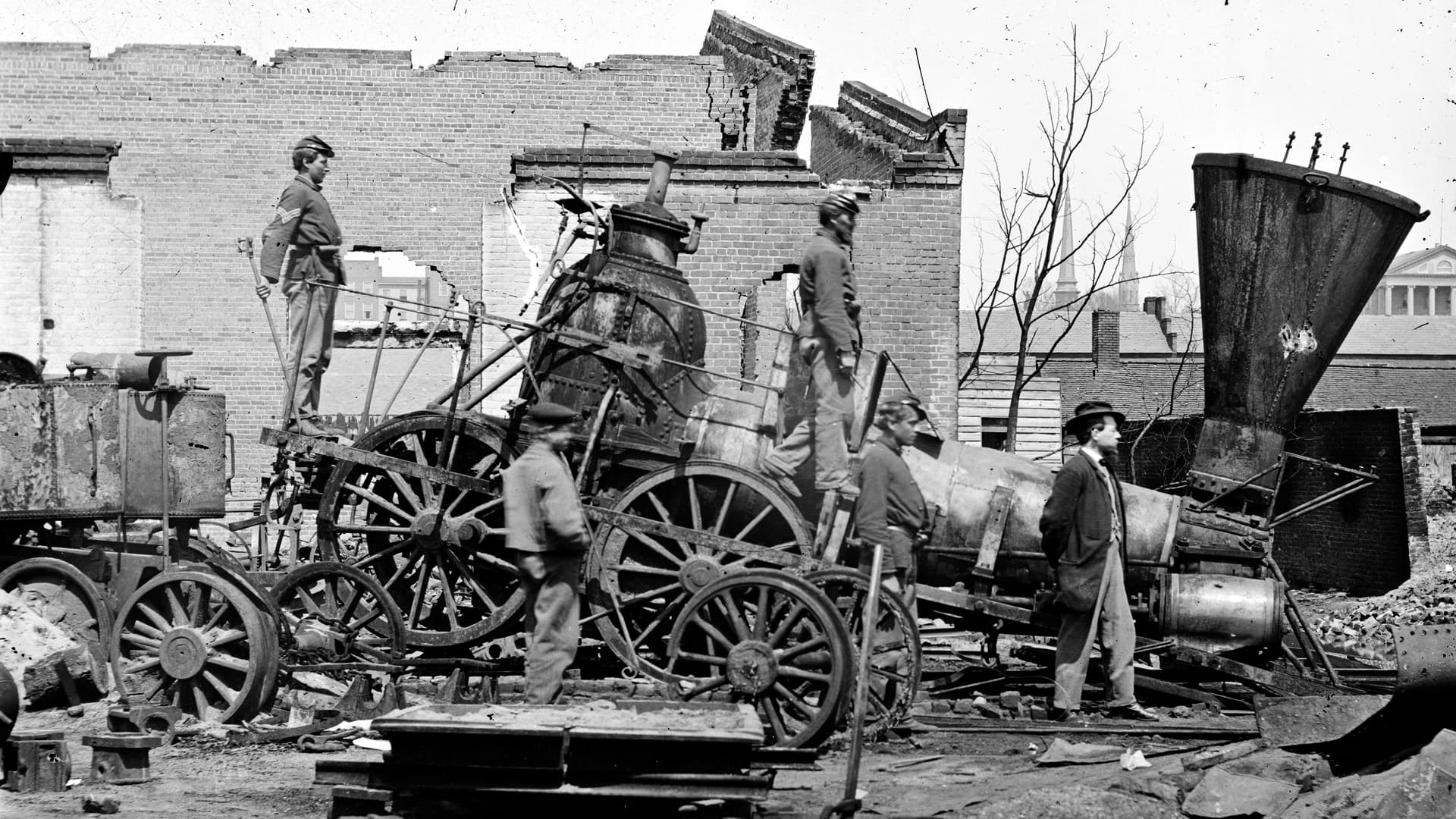
Economic Development during the Civil War and Reconstruction | US History II (American Yawp) View original
Is this image relevant?
John Sherman - Wikipedia View original
Is this image relevant?
Distress Grows For Ohio Valley Farmers As Trade Deals Stall View original
Is this image relevant?
Economic Development during the Civil War and Reconstruction | US History II (American Yawp) View original
Is this image relevant?
Economic factors of farmers' protest movement
Declining crop prices resulted from a basic supply-and-demand problem. New machinery like mechanical reapers and combines let farmers cultivate far more land than before, flooding the market with grain and cotton. At the same time, European demand for American crops dropped as countries like Russia and Argentina expanded their own agricultural exports. More supply plus less demand meant prices collapsed.
High transportation costs compounded the problem. Railroads like the Southern Pacific and Union Pacific held monopoly power over shipping routes, charging farmers exorbitant rates to move crops to market. In many regions, a single rail line served an area, so farmers had no alternative and no leverage to negotiate.
Mounting debt trapped farmers in a downward spiral. Most had taken out mortgages to buy land and equipment, expecting crop sales to cover their payments. When prices fell, they couldn't generate enough income to repay loans, leading to widespread foreclosures.
Deflation under the gold standard made all of this worse. Because the money supply was tied to gold reserves, the amount of currency in circulation couldn't keep pace with economic growth. Deflation meant the dollars farmers owed were worth more over time than the dollars they'd originally borrowed. A debt of $500 became harder to pay off each year, even if a farmer's output stayed the same.
The crop-lien system created an additional trap for Southern farmers specifically. Unable to get traditional bank loans, they put up future crops as collateral to local merchants for seed, tools, and supplies. If the harvest fell short or prices dropped, the farmer went deeper into debt, repeating the cycle year after year with no way out.

Farmers' Political Organization and the Populist Party

Political organization of farmers
Farmers didn't just suffer quietly. They organized in stages, building from local mutual-aid groups into a national political party.
- The Grange (formally the Patrons of Husbandry, founded 1867) started as a social and educational organization but quickly turned political. Grangers lobbied state legislatures to regulate railroad rates and grain elevator fees. Several Midwestern states passed "Granger Laws" in the 1870s capping what railroads could charge, though the Supreme Court later limited some of these efforts.
- Farmers' Alliances emerged in the 1870s and 1880s as more explicitly political organizations. The Southern Alliance and the Northwestern Alliance brought together millions of members to demand government intervention on issues like currency reform, railroad regulation, and fair credit. These alliances also organized cooperatives so farmers could buy supplies in bulk and market crops collectively.
- The Populist Party (People's Party) formed in 1892 when alliance leaders concluded that neither the Democrats nor the Republicans would adequately represent agricultural interests. The party united farmers, laborers, and reformers behind a shared platform of economic change.
Goals and impact of the Populist Party
The Populists laid out their agenda in the Omaha Platform of 1892, one of the most detailed third-party platforms in American history. Its key demands included:
- "Free silver": coining silver alongside gold to expand the money supply and cause mild inflation, which would make debts easier to repay
- Government ownership of railroads and telegraph lines (targeting monopolies like the Northern Pacific railroad and Western Union) to reduce transportation and communication costs
- A graduated income tax that would shift the tax burden toward the wealthy and away from struggling farmers and workers
- Direct election of U.S. Senators, replacing the existing system where state legislatures chose senators, which Populists saw as corrupt and unresponsive to ordinary citizens
- The subtreasury plan: a proposal for government-run warehouses where farmers could store crops and receive low-interest loans against them, allowing farmers to wait for better market prices rather than selling at harvest when prices were lowest
The Populist Party achieved real electoral success. In 1892, their presidential candidate James B. Weaver won over one million popular votes and 22 electoral votes. The party also elected governors, state legislators, and members of Congress, particularly in the South and Great Plains.
By 1896, the Populists faced a critical decision when the Democratic Party nominated William Jennings Bryan, who adopted the free silver cause in his famous "Cross of Gold" speech. The Populists endorsed Bryan rather than run their own candidate, effectively merging with the Democrats on the presidential ticket. Bryan lost to William McKinley, and the Populist Party faded as an independent force.
Populist Economic Policies and Ideology
Several core ideas shaped Populist thinking:
- Agrarianism held that farming was the backbone of American democracy and that the nation's policies should protect rural life rather than favor industrial and banking interests.
- Bimetallism called for using both gold and silver as the basis for currency. This wasn't just abstract monetary theory; Populists believed expanding the money supply through silver coinage would directly raise crop prices and ease debt burdens.
- Greenbackism went even further, supporting the issuance of paper currency not backed by any metal. This idea had roots in the earlier Greenback Party of the 1870s and reflected a deep frustration with the tight money policies that benefited creditors over debtors.
Though the Populist Party itself was short-lived, its ideas proved remarkably durable. The 16th Amendment (1913) established the progressive income tax. The 17th Amendment (1913) mandated direct election of senators. Federal regulation of railroads expanded through the early 20th century. The Populists lost most of their elections, but they shifted the national conversation about what government owed to ordinary working people.
See Fiveable more often in Google
Mark Fiveable as a preferred source and Google is more likely to show you our guides in Top Stories, with a "preferred" badge in AI Mode and AI Overviews.