5.2 Organizational Patterns for Different Speech Types

📞Intro to Public Speaking Unit 5 Review
5.2 Organizational Patterns for Different Speech Types
📞 Intro to Public Speaking
Speech Organization Patterns
The organizational pattern you pick for a speech acts like a roadmap for your audience. It determines how your ideas connect and flow, which directly affects whether listeners can follow along and remember your points. Different speech types call for different patterns, so matching the right structure to your purpose is one of the most practical skills in public speaking.
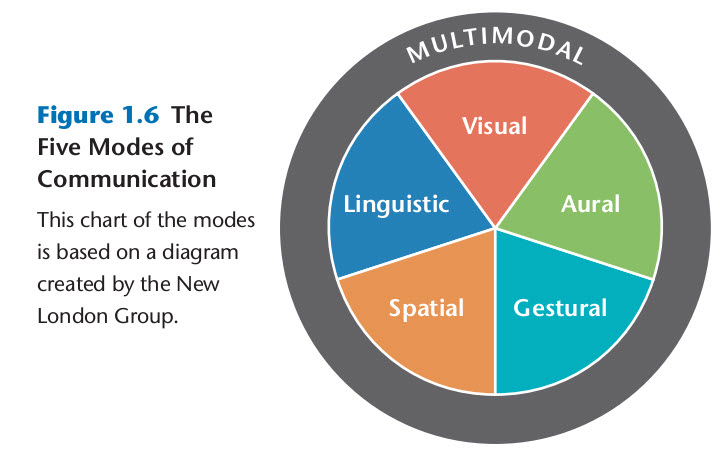
Top images from around the web for Time-Based and Spatial Arrangements
Patterns of Organization and Methods of Development – The Scholarship of Writing in Nursing ... View original
Is this image relevant?
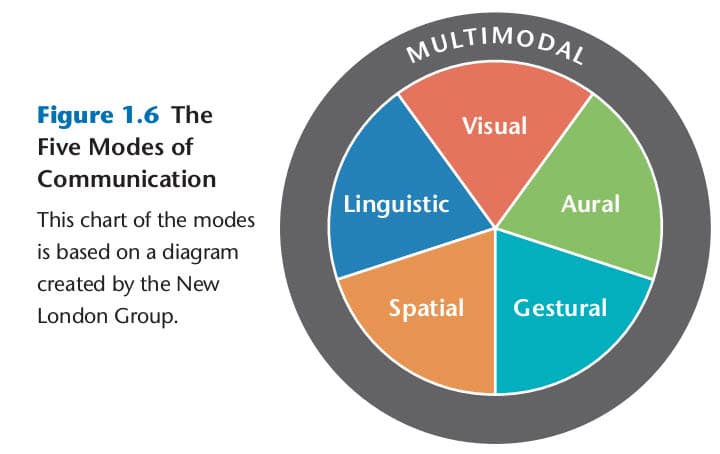
The Five Modes | English Composition 1 View original
Is this image relevant?
Effective Visual Delivery | Boundless Communications View original
Is this image relevant?
Patterns of Organization and Methods of Development – The Scholarship of Writing in Nursing ... View original
Is this image relevant?
The Five Modes | English Composition 1 View original
Is this image relevant?
Time-Based and Spatial Arrangements
Chronological pattern organizes information in time order. You move from earliest to latest (or first step to last step), which makes it a natural fit for historical speeches or process explanations. If you're tracing the evolution of democracy from ancient Athens to modern elections, or walking through the steps of how a bill becomes a law, chronological order keeps things intuitive.
Spatial pattern arranges content by physical location or geography. Instead of moving through time, you move through space. This works well for descriptive speeches: describing the layout of a college campus from the main entrance to the back athletic fields, or giving a virtual tour of a city's landmarks from north to south. The audience builds a mental map as you speak.
Topic-Focused and Analytical Patterns
Topical pattern divides your main subject into logical subtopics. This is probably the most common pattern for informative speeches because it's flexible. If you're discussing types of renewable energy, you might organize around solar, wind, and hydroelectric as three equal subtopics. The key is making sure your subtopics don't overlap and that together they cover the subject well.
Problem-solution pattern presents an issue first, then proposes one or more remedies. It's a go-to for persuasive speeches because it creates a natural sense of urgency. You describe the problem (rising plastic pollution in oceans), establish why it matters, then offer concrete solutions (banning single-use plastics, investing in biodegradable alternatives). The audience feels the tension of the problem before you offer relief.
Cause-effect pattern explores why something happens and what results from it. You can organize this in either direction: causes first then effects, or start with the effects and trace back to causes. For example, a speech on sleep deprivation might start with causes (screen time, stress, irregular schedules) and then cover effects (poor concentration, weakened immune system, mood changes).
Specialized Persuasive and Comparative Patterns
Monroe's Motivated Sequence is a five-step pattern designed specifically for persuasive speeches that call the audience to action:
- Attention — Grab the audience's interest with a hook
- Need — Describe the problem or unmet need
- Satisfaction — Present your solution
- Visualization — Help the audience picture what life looks like if they adopt (or reject) the solution
- Action — Tell the audience exactly what to do next
This pattern is particularly effective when you want people to do something, not just agree with you. Speeches encouraging organ donation or promoting a campus recycling program fit this structure well.
Compare-contrast pattern highlights similarities and differences between two or more subjects. You can organize it subject-by-subject (cover everything about Subject A, then everything about Subject B) or point-by-point (compare both subjects on Point 1, then both on Point 2, and so on). Point-by-point tends to be clearer for audiences because the comparisons are immediate. This pattern works well for speeches analyzing options, like comparing traditional and online education.
Choosing the Right Pattern

Purpose and Audience Considerations
Start by identifying your speech's primary purpose, since that narrows your options quickly:
- Informative speeches typically use topical, chronological, or spatial patterns
- Persuasive speeches tend to work best with problem-solution, cause-effect, or Monroe's Motivated Sequence
Your audience matters too. Consider what they already know and what will feel logical to them. A technical audience might prefer a topical breakdown that gets straight to the categories. An audience unfamiliar with your subject might follow a chronological or spatial pattern more easily because those mirror how people naturally experience the world.
Topic complexity also plays a role. If your subject has many distinct categories, topical organization helps break it into manageable pieces. If you're explaining a process with sequential steps, chronological keeps things clear.
Practical and Strategic Considerations
Time constraints should influence your choice. Shorter speeches (3-5 minutes) work better with straightforward patterns like topical or chronological. Longer speeches can support more complex structures like Monroe's Motivated Sequence, which needs enough time to develop all five steps.
Your evidence type matters as well. If you're relying on statistics and data, topical or compare-contrast patterns let you present numbers in organized chunks. If your strongest evidence is stories or case studies, chronological or cause-effect patterns give those narratives room to breathe.
Think about the emotional response you want. Problem-solution creates urgency. Spatial patterns build vivid mental images. Cause-effect can generate concern or understanding. Match the pattern to the feeling you want your audience to walk away with.
Studying speeches similar to yours can also help. TED Talks often use topical or chronological patterns for informative content. Political speeches frequently rely on problem-solution or Monroe's Motivated Sequence.
Adapting Patterns for Impact
Customizing Patterns to Speech Content
No pattern has to be used exactly as described in a textbook. You can adapt and combine them:
- Hybrid patterns work well for complex subjects. A speech on the history of climate science might use chronological order overall but switch to topical organization within each era to cover key discoveries.
- Transitional phrases should match your pattern. Chronological speeches use time markers ("Next," "By the 1990s," "The final step"). Compare-contrast speeches use comparative language ("In contrast," "Similarly," "On the other hand"). These signposts tell the audience where they are in your structure.
- Your pattern should highlight your thesis. If your core message is that a problem needs solving, problem-solution structure reinforces that argument at every turn. If your thesis is that two things are more alike than people think, compare-contrast keeps that idea front and center.

Enhancing Pattern Effectiveness
Balance your sections. If you have three main points, each should get roughly equal time and development. An audience notices when one section is packed with detail and another feels rushed.
Preview your structure in the introduction. A simple line like "We'll look at three types of renewable energy: solar, wind, and hydroelectric" tells the audience what to expect and makes the speech easier to follow. Then reinforce that structure in your conclusion by revisiting those same main points.
Adjust depth strategically. Not every point needs the same level of detail. Give more depth to your most important or most complex points, and keep supporting points concise. The pattern provides the skeleton; you decide where to add muscle.
Rhetorical devices can also strengthen your pattern. Repetition (anaphora) works well in topical speeches to reinforce parallel structure. Vivid descriptive language enhances spatial patterns by helping the audience "see" what you're describing.
Evaluating Organizational Effectiveness
Assessing Clarity and Audience Impact
After drafting your speech, step back and check the structure:
- Logical flow — Can you move from one main point to the next without any awkward jumps? If you have to backtrack or explain something out of order, your pattern might need adjusting.
- Transitions — Are there clear verbal cues guiding the audience? Phrases like "Now that we've covered X, let's turn to Y" act as signposts. If you read through your speech and can't identify where one section ends and the next begins, add stronger transitions.
- Purpose alignment — Does the pattern actually serve your goal? If you're trying to persuade but used a topical pattern, you might find the speech feels informative rather than motivating. Consider whether a different pattern would better support your purpose.
Measuring Engagement and Retention
- Content balance — Read through each section and note its length. If one section takes up half your speech while another gets two sentences, redistribute.
- Memorability — Think about what your audience will remember five minutes after you finish. Does your pattern help them recall the main ideas? Spatial patterns help people remember locations; chronological patterns help people remember sequences. If your key points aren't sticking, the pattern might not be supporting recall.
- Alternative comparison — It's worth asking: would a different pattern have worked better? If you chose topical but the speech feels flat, maybe problem-solution would have added more energy. This kind of reflection improves your pattern selection for future speeches.
- Audience feedback — Watch for signs of confusion or disengagement during practice runs. If listeners look lost at a particular transition, that's a structural issue. Post-speech questions like "What were my main points?" can tell you whether your organization came through clearly.
See Fiveable more often in Google
Mark Fiveable as a preferred source and Google is more likely to show you our guides in Top Stories, with a "preferred" badge in AI Mode and AI Overviews.