4.4 Ethical Considerations in Research and Topic Selection

📞Intro to Public Speaking Unit 4 Review
4.4 Ethical Considerations in Research and Topic Selection
📞 Intro to Public Speaking
Avoiding Plagiarism and Citing Sources

Top images from around the web for Understanding plagiarism and its consequences
What is Academic Integrity? – Understanding Plagiarism View original
Is this image relevant?
Understanding Plagiarism Lesson Plan including PowerPoint and Student Activities View original
Is this image relevant?
Introduction - Plagiarism - how to avoid it - LibGuides at Dundalk Institute of Technology View original
Is this image relevant?
What is Academic Integrity? – Understanding Plagiarism View original
Is this image relevant?
Understanding Plagiarism Lesson Plan including PowerPoint and Student Activities View original
Is this image relevant?
Understanding Plagiarism and Its Consequences
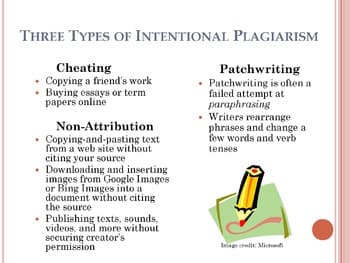
Plagiarism means using someone else's words, ideas, or work without giving them credit. In public speaking, this includes reading a passage from a book and presenting it as your own thought, or borrowing the structure of someone else's speech without acknowledgment.
The consequences are real. In academic settings, plagiarism can lead to failing grades, disciplinary hearings, or even expulsion. In professional life, it damages your reputation and can carry legal consequences. Detection tools like Turnitin make it easier than ever for instructors to catch copied material, but the bigger point is this: citing your sources actually strengthens your speech by showing you've done the research.
Proper Citation Techniques
Proper citation gives credit to the original source of information, ideas, or direct quotations. Different fields use different citation styles (APA, MLA, Chicago), but the core idea is the same: tell your audience where your information came from.
In a speech, oral citations do the heavy lifting. You weave the source information directly into what you say, rather than putting it in a footnote. Here's what that looks like in practice:
- Direct quote: "According to Dr. Jane Smith in her 2023 study published in The Journal of Communication..."
- Paraphrase: "Research from the Pew Research Center found that..." (You're restating the idea in your own words, but you still name the source.)
- Statistics: "The CDC reported in 2024 that..." (Always name who collected the data.)
A strong oral citation typically includes three things: who produced the information, when it was published, and where it appeared (the publication or organization).
Paraphrasing is not just swapping out a few words. You need to genuinely restate the idea in your own language and still credit the original source. If you keep the original sentence structure but change a couple of synonyms, that's still plagiarism.
Ethical Use of Sources
Beyond just citing, you need to represent your sources fairly. That means:
- Don't cherry-pick a quote that makes it sound like an author agrees with you when their overall argument doesn't
- Don't strip context from statistics to make them more dramatic
- Balance direct quotes with paraphrasing to show you actually understand the material
- Evaluate sources for credibility and relevance before you cite them. A random blog post doesn't carry the same weight as a peer-reviewed study
If a source contradicts your argument, the ethical move is to acknowledge it, not ignore it. Audiences respect speakers who engage honestly with complexity.
Ethical Implications of Sensitive Topics

Identifying and Addressing Sensitive Topics
Some speech topics carry extra weight because they touch on deeply personal or divisive issues. Topics involving race, religion, politics, sexuality, or trauma can evoke strong emotional responses from your audience.
This doesn't mean you should avoid these topics. It means you need to handle them with care:
- Maintain objectivity. Present multiple sides rather than steamrolling with one perspective.
- Watch your language. Avoid inflammatory or loaded terms that escalate tension rather than inform. For instance, there's a difference between saying "undocumented immigrants" and using a dehumanizing slur. Word choice signals whether you're trying to inform or provoke.
- Respect diverse viewpoints. Your audience likely holds a range of opinions. Acknowledging that range builds trust.
- Consider content advisories. If your speech includes graphic descriptions or potentially distressing material, a brief heads-up at the start shows respect for your listeners.
Balancing Free Speech and Responsibility
You have the right to speak on controversial topics. You also have the responsibility to think about the impact of your words. These two things aren't in conflict; they work together.
Before choosing a sensitive topic, ask yourself: Does this speech inform, challenge, or contribute something meaningful? Or does it just provoke?
A few practical guidelines:
- Develop awareness of the cultural and social context your audience lives in
- Tailor your approach for your specific audience. What works in one setting may land very differently in another.
- Anticipate counterarguments and address them respectfully within your speech
- Be prepared to listen. If audience members push back, engage in constructive dialogue rather than getting defensive
Impact of Speech on Audience and Community
Audience Analysis and Consideration
Your speech doesn't exist in a vacuum. It lands on real people with different backgrounds, experiences, and beliefs. That's why audience analysis matters before you finalize your topic.
Think about three dimensions:
- Demographic factors: Age, cultural background, education level, and other characteristics of your audience
- Psychographic factors: Their values, attitudes, and existing beliefs about your topic
- Situational factors: The occasion, setting, and what's happening in the broader community at the time
Once you understand your audience, evaluate how your content might affect them. Could your speech marginalize or alienate a specific group? What are the short-term emotional reactions and the longer-term social consequences? Thinking through these questions ahead of time doesn't limit your speech; it makes it more effective.

Ethical Principles in Public Speaking
Several ethical principles guide responsible public speaking:
- Beneficence: Your speech should provide more benefit than harm. If the primary effect of your topic is to hurt people without offering insight or value, reconsider your approach.
- Speaker ethos: Your credibility depends on your character as much as your expertise. Audiences trust speakers who are honest, fair, and transparent. Ethos isn't something you claim; it's something you build through consistent ethical choices.
- Accountability: Take responsibility for the consequences of your words, even unintended ones. If you learn after a speech that something you said was inaccurate or harmful, own it and correct it.
- Openness to dialogue: Foster conversation by addressing multiple perspectives and being willing to hear feedback from your audience and community.
The goal isn't to play it safe on every topic. It's to speak with integrity, knowing that your words carry weight.
Responsible Use of Research Materials
Ethical Research Practices
Good research isn't just about finding sources that agree with you. It's about building an honest, well-supported argument.
- Prioritize credible sources. Academic journals, reputable news outlets, and established organizations carry more weight than personal blogs or partisan websites.
- Present data accurately. Don't strip statistics of their context to make a point seem stronger than it is. For example, saying "crime increased by 50%" sounds alarming, but if the actual numbers went from 2 incidents to 3, that's a very different picture.
- Acknowledge conflicting evidence. If some research contradicts your thesis, mention it. Addressing counterevidence honestly makes your argument stronger, not weaker.
- Be transparent about limitations. If your source has a small sample size or a narrow scope, say so. Your audience will trust you more for it.
Respecting Intellectual Property
Intellectual property rules apply to speeches just like they apply to written work.
- Fair use allows limited use of copyrighted material for educational purposes, but it has boundaries. You can quote a short passage from a book in your speech; you can't reproduce an entire article or read someone else's speech word for word.
- Visual aids need attribution too. If you use an image, chart, or video clip in your presentation, credit the creator on the slide itself.
- Permissions matter. For copyrighted music, extended video clips, or proprietary data, get permission before using them.
- Privacy and consent. If your research involves real people's stories or data, respect their privacy. Don't share identifying information without consent, and be especially careful with interview material or personal anecdotes shared with you in confidence.
Following these guidelines isn't just about avoiding trouble. It builds your credibility as a speaker and shows your audience that you take your work seriously.
See Fiveable more often in Google
Mark Fiveable as a preferred source and Google is more likely to show you our guides in Top Stories, with a "preferred" badge in AI Mode and AI Overviews.