13.1 Types of Special Occasion Speeches

📞Intro to Public Speaking Unit 13 Review
13.1 Types of Special Occasion Speeches
📞 Intro to Public Speaking
Types of Special Occasion Speeches
Special occasion speeches serve a specific moment: a wedding, a memorial, an award ceremony, a building dedication. Unlike informative or persuasive speeches, their primary job is to match the emotional tone of the event and connect the audience to what's being celebrated, honored, or remembered.
Each type has its own conventions for tone, length, and content. Knowing those conventions is what separates a speech that feels right from one that falls flat.

Top images from around the web for Commemorative and Celebratory Speeches
Launching the Memory Watch national commemorative event • President of Russia View original
Is this image relevant?
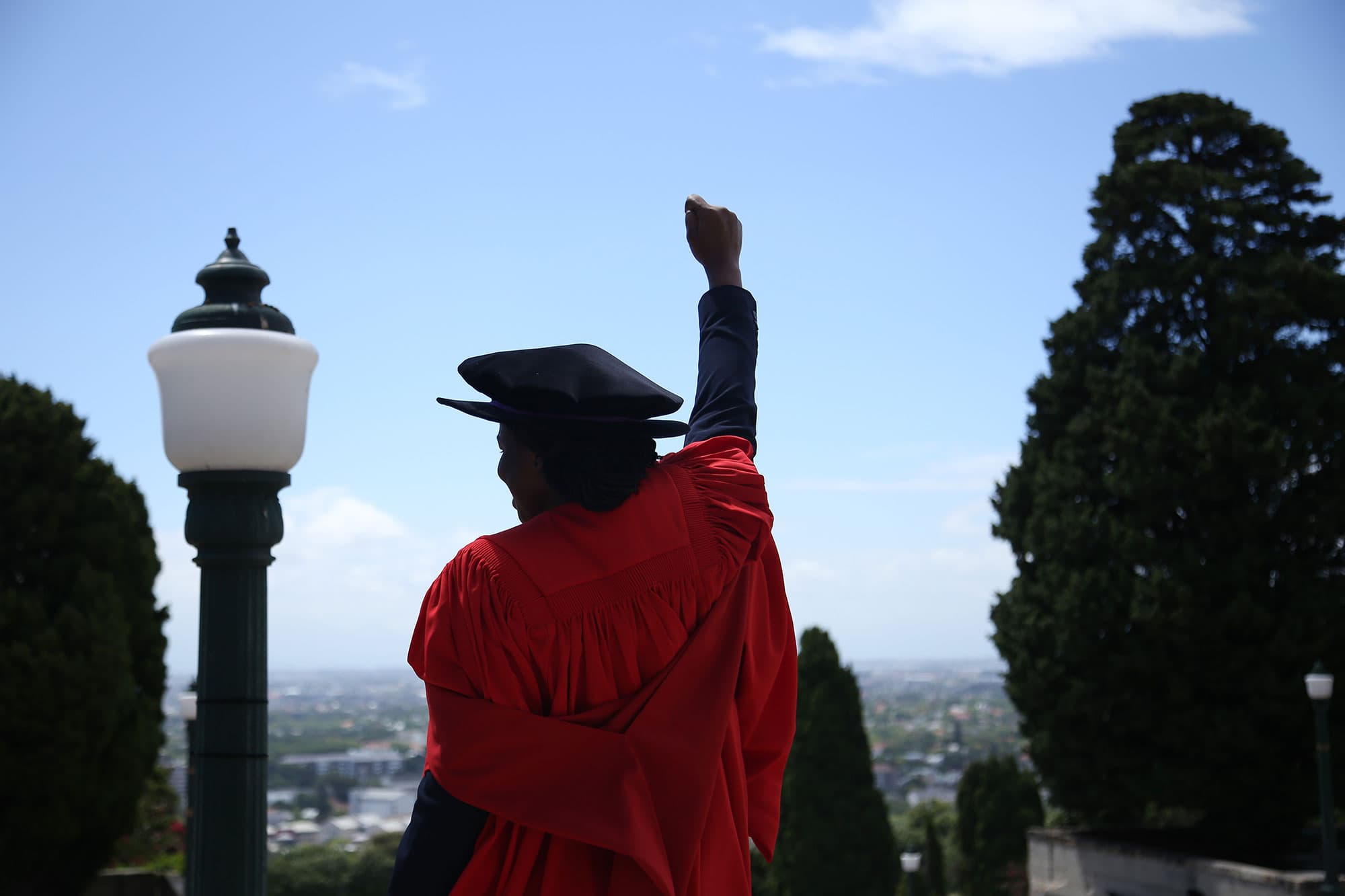
Celebrating UCT’s PhD graduates | UCT News View original
Is this image relevant?
Launching the Memory Watch national commemorative event • President of Russia View original
Is this image relevant?
Celebrating UCT’s PhD graduates | UCT News View original
Is this image relevant?
Types of Special Occasion Speeches
Commemorative and Celebratory Speeches
Commemorative speeches honor significant events, people, or ideas. Their goal is to reinforce shared values and strengthen the audience's sense of community. Think of a speech given on Martin Luther King Jr. Day or at the anniversary of a city's founding. The tone is respectful and reflective, and the speaker typically weaves in historical context to remind the audience why this moment matters.
Celebratory speeches mark joyous occasions like weddings, graduations, and award ceremonies. The tone shifts to upbeat and enthusiastic. These speeches highlight achievements, acknowledge milestones, and look forward to what's ahead. A valedictorian address at graduation is a classic example: it recognizes the class's accomplishments while building excitement about the future.
The key difference: commemorative speeches look back with reverence, while celebratory speeches look forward with energy. Both bring people together around a shared experience.
Dedicatory and Eulogistic Speeches
Dedicatory speeches formally open or unveil something new: a building, monument, park, or public art installation. The speaker explains the significance of what's being dedicated and connects it to broader community values. For example, a speech at the opening of a new community center might describe how the space will serve families for generations. The tone is formal but accessible, since the audience is often diverse.
Eulogistic speeches (eulogies) pay tribute to someone who has died. These are among the most emotionally demanding speeches you'll encounter. A good eulogy combines personal anecdotes with broader reflections on the person's character and legacy. The tone is somber yet appreciative. Gentle humor can work well here when it genuinely reflects the person's spirit, but dignity should guide every word.
After-Dinner and Toast Speeches
After-dinner speeches entertain audiences at formal dinners, galas, or social gatherings. They prioritize entertainment but still convey a meaningful message. Humor and storytelling are the main tools. A keynote at an annual charity gala, for instance, might use funny anecdotes to highlight the organization's impact. The tone is conversational, though the speaker still needs to read the room and stay appropriate.
Toast speeches are brief, celebratory remarks at social events. A best man's toast at a wedding reception is the most familiar example. Toasts typically last just a few minutes and focus tightly on honoring a person or occasion. The goal is to create warmth and unity. Because they're short, every sentence needs to count.
Purposes of Special Occasion Speeches
Honoring and Commemorating
Commemorative speeches ask the audience to reflect. They examine significant historical events or figures and encourage people to connect with collective memory. A speech on the anniversary of a city's founding, for example, fosters a sense of shared identity by reminding residents of their common roots.
Celebratory speeches, by contrast, are about recognition and momentum. They spotlight individual or group accomplishments and inspire continued success. A speech at a company's 50th anniversary party celebrates what's been built while energizing people about what comes next.
Dedication and Tribute
Dedicatory speeches connect a new space or object to the community it serves. A speech at the unveiling of a public art installation might explain the artist's vision and how the piece reflects the neighborhood's identity. The purpose is to inspire appreciation and encourage future engagement with what's being dedicated.
Eulogistic speeches serve a dual purpose: they comfort the grieving and celebrate the deceased. A memorial speech for a respected teacher, for instance, might share classroom stories that make people laugh and cry, then reflect on the broader lessons that teacher's life offers. The audience leaves feeling both the loss and the gratitude.

Entertainment and Social Bonding
After-dinner speeches use humor and storytelling to strengthen social bonds. At a professional conference dinner, a well-told funny story about shared industry experiences can make a room of strangers feel like colleagues. The entertainment isn't just filler; it builds connection.
Toast speeches set the emotional tone for an event. A toast to newlyweds expresses admiration and gratitude in a way that draws the whole room into the celebration. Even though they're short, toasts carry real weight because everyone is listening together in a shared moment.
Tone and Content for Special Occasion Speeches
Adapting Tone to the Occasion
Different occasions demand different emotional registers. Getting the tone wrong can undermine even well-written content.
- Commemorative speeches call for a respectful, reflective tone. A 9/11 memorial speech, for example, should be serious yet hopeful. Overly casual language would feel disrespectful.
- Celebratory speeches thrive on energy and positivity. A speech at a championship celebration should match the crowd's excitement. Dwelling on setbacks or negatives would drain the room.
- Eulogistic speeches require a balance of somber appreciation and warmth. Acknowledge the grief in the room while celebrating the life that was lived. Gentle humor that reflects the person's personality can be powerful, but it needs to feel natural, not forced.
Tailoring Content to the Audience and Event
Three factors should shape your content decisions:
-
Audience demographics and relationship to the occasion. A high school graduation speech should reference school traditions and shared memories. A corporate retirement toast should reflect the company culture. Adjust your language complexity, references, and examples to fit who's actually in the room.
-
Event expectations and cultural context. Research any customs or protocols before you write. A wedding toast in a religious ceremony may call for specific references or sensitivities that a secular reception wouldn't. Getting this wrong can be genuinely offensive, so do your homework.
-
Emotional balance. Gauge where the audience is emotionally and meet them there. A retirement speech works best when it blends personal stories with relevant company history. Too much emotion without substance feels hollow; too many facts without feeling falls flat.
Strategies for Delivering Special Occasion Speeches
Preparation and Research
Strong special occasion speeches don't happen off the cuff. Here's how to prepare:
-
Research the event, audience, and occasion. Understand the historical or cultural significance. Identify key stakeholders or honored guests. Familiarize yourself with the venue and any logistical constraints (microphone setup, time limits, where you'll stand).
-
Develop a clear central theme. Every special occasion speech needs a single, focused message that all your content supports. For a product launch, that might be "innovation through collaboration." For a eulogy, it might be a defining quality of the person you're honoring. If you can't state your theme in one sentence, it's not focused enough.
-
Choose supporting material that fits the occasion. Personal anecdotes create emotional connection. Quotes from respected figures add weight. Historical references or cultural touchstones ground your speech in something larger. Pick the mix that serves your theme and audience best.
Effective Delivery Techniques
- Respect time constraints. A wedding toast that runs 10 minutes when everyone expected 3 will lose the room. Rehearse with a timer.
- Use pauses deliberately. After an emotional moment or a key point, a brief pause lets the audience absorb what you've said. Rushing through undermines your impact.
- Match your body language to the tone. Expansive gestures suit an inspirational graduation speech. A eulogy calls for more contained, grounded movement. Make eye contact with the audience rather than reading from notes the entire time.
- Prepare for emotional moments. If you're delivering a eulogy for someone close to you, practice the speech enough that you know which parts might trip you up. Plan a pause or a sip of water at those points. It's completely normal to get emotional, but having a plan helps you keep going.
See Fiveable more often in Google
Mark Fiveable as a preferred source and Google is more likely to show you our guides in Top Stories, with a "preferred" badge in AI Mode and AI Overviews.