2.3 Building Self-Confidence as a Speaker

📞Intro to Public Speaking Unit 2 Review
2.3 Building Self-Confidence as a Speaker
📞 Intro to Public Speaking
Personal Strengths and Qualities
Building self-confidence as a speaker starts with knowing what you bring to the table. Before you can improve, you need an honest picture of where you already stand and what makes your voice worth hearing. That self-awareness becomes the foundation for everything else in this unit.

Top images from around the web for Self-Assessment and Unique Attributes
Frontiers | The Look of (Un)confidence: Visual Markers for Inferring Speaker Confidence in Speech View original
Is this image relevant?
How to Become a Rhetorically Effective Speaker – Starr Sumner – Medium View original
Is this image relevant?
Significance of Ethics in Public Speaking | Boundless Communications View original
Is this image relevant?
Frontiers | The Look of (Un)confidence: Visual Markers for Inferring Speaker Confidence in Speech View original
Is this image relevant?
How to Become a Rhetorically Effective Speaker – Starr Sumner – Medium View original
Is this image relevant?
Self-Assessment and Unique Attributes
Self-assessment means taking a deliberate look at your past speaking experiences, gathering feedback from others, and reflecting on how you naturally communicate. The goal is to pinpoint both your strengths and the areas that need work.
Your unique qualities as a speaker might include your vocal tone, your body language habits, your ability to tell a story, or specialized knowledge you carry from your own life. These aren't extras; they're what make you different from every other speaker in the room.
It also helps to understand your natural communication style, since that shapes how you come across:
- Assertive style: You express ideas directly and with confidence
- Empathetic style: You focus on emotionally connecting with your audience
- Analytical style: You lean on logical arguments and data to make your case
None of these is "the right one." Knowing yours helps you lean into your strengths and shore up your weak spots.
Personal experiences and background add authenticity to your speeches. Cultural heritage can offer a unique lens on global issues, and professional accomplishments lend authority when you're presenting on topics you know well.
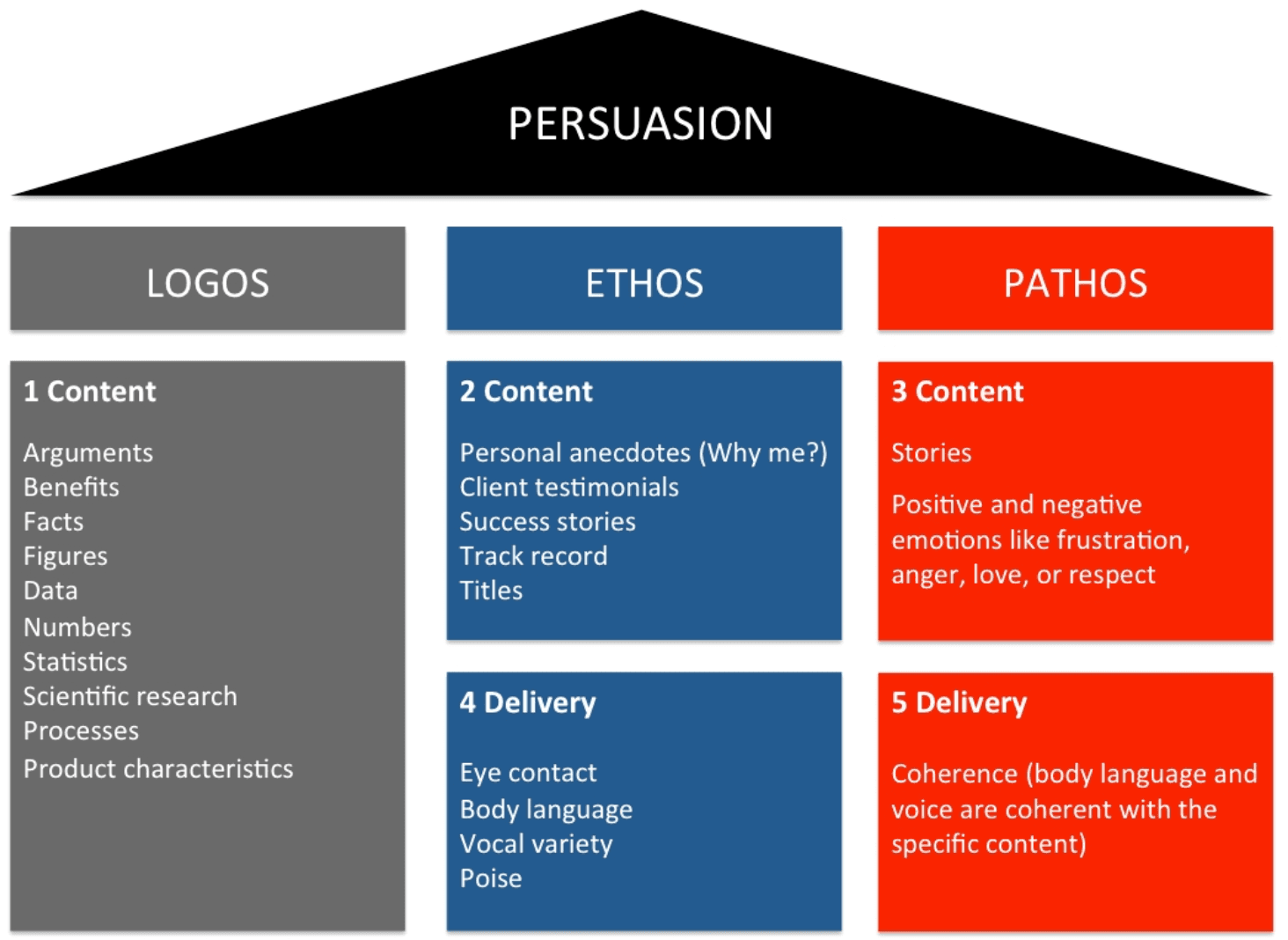
All of this ties into what Aristotle called ethos, or speaker credibility. Audiences judge your ethos on three things:
- Competence: Do you know your stuff? (Shown through research and preparation.)
- Character: Are you honest and ethical?
- Goodwill: Do you genuinely care about the audience's needs?
Developing a Personal Inventory
A personal inventory is a concrete list of your speaking strengths and areas for improvement. Writing it down makes it real and gives you something to work from.
- Strengths might include clear articulation, engaging storytelling, or deep knowledge of your topic
- Areas for improvement could be managing nervousness, organizing content more clearly, or using visual aids effectively
From that list, pick specific skills to target. For example, you might work on voice modulation to keep your audience engaged, or practice open body language to project confidence.
Don't overlook personal traits that can set you apart. A natural sense of humor can make heavy topics more accessible. An ability to break down complex ideas into simple language is genuinely rare and valuable.
Growth Mindset for Improvement

Understanding Growth Mindset
Psychologist Carol Dweck coined the term growth mindset to describe the belief that abilities and intelligence develop through effort and practice, rather than being fixed traits you're born with. For public speaking, this means treating every speech as a chance to get better, not as a test of whether you're "naturally" good or bad.
The brain science backs this up. Neuroplasticity is the brain's ability to form and strengthen neural pathways through repeated practice. Regular speaking exercises literally build stronger connections for effective communication, and varied speaking experiences help you become more adaptable.
Adopting a growth mindset in practice looks like:
- Volunteering for challenging speaking roles, like impromptu speeches or technical presentations
- Seeking out unfamiliar audiences to stretch your communication range
- Treating discomfort as a signal that you're growing, not a sign that you should stop
Applying Growth Mindset to Public Speaking
One of the most practical applications is reframing negative self-talk. The thoughts you repeat to yourself shape how you feel on stage.
- Instead of "I'm not good at public speaking," try "I'm improving my speaking skills with each presentation."
- Instead of "I'm so nervous," try "I'm excited to share what I know with this audience."
This isn't about lying to yourself. It's about choosing an interpretation that keeps you moving forward.
SMART goals give your improvement a clear target. Here's an example built around eye contact:
- Specific: "Improve eye contact during presentations"
- Measurable: "Make eye contact with at least 5 different audience members during a 5-minute speech"
- Achievable: "Practice eye contact techniques for 10 minutes daily"
- Relevant: "Better eye contact will increase audience engagement"
- Time-bound: "Achieve consistent improvement within 3 months"
To accelerate your development, seek out diverse speaking opportunities. Organizations like Toastmasters offer structured practice with peer feedback. Workplace presentations, class discussions, and community events all count too.
When setbacks happen, and they will, treat them as data. Analyze what went wrong, note the lesson, and adjust your approach. Progress isn't a straight line.
Self-Affirmation Techniques

Implementing Self-Affirmation Strategies
Self-affirmation theory, developed by psychologist Claude Steele, holds that when you remind yourself of your core personal values, you create a buffer against stress and threats to your self-image. For speakers, this means that affirming what matters to you can reduce the anxiety that comes with standing in front of an audience.
Effective affirmations are positive, specific, and stated in the present tense:
- "I am a confident and engaging speaker."
- "My preparation makes me an effective communicator."
- "I connect with my audience through authentic delivery."
Visualization reinforces these affirmations. Before a speech, mentally rehearse yourself delivering it well. Picture the audience nodding, leaning in, responding positively. This isn't wishful thinking; mental rehearsal activates many of the same neural pathways as actual practice.
Mindfulness is another useful tool. Focusing on your breath before and during a speech centers your attention in the present moment. When anxious thoughts pop up, you can observe them without judgment and let them pass, rather than spiraling.
Enhancing Confidence Through Physical and Mental Practices
Consider building a pre-speaking ritual that incorporates these techniques:
- Recite your personal affirmations while reviewing your materials
- Practice a confident posture for about two minutes before you go on
- Take several slow, deep breaths to settle your nerves
The posture piece draws on research by Amy Cuddy, who found that standing in expansive, open positions (sometimes called "power poses") can increase feelings of confidence. Stand tall, shoulders back, feet planted. Even if the research on hormonal effects is debated, the psychological boost of carrying yourself confidently is well-documented.
Finally, track your wins. Keep a brief journal of positive speaking experiences, even small ones like asking a good question in class or explaining something clearly to a friend. Sharing these accomplishments with supportive peers or a mentor reinforces your sense of progress and keeps motivation high.
Feedback for Confidence Building
Effective Feedback Strategies
Feedback is one of the fastest ways to improve, but only if you approach it systematically. Waiting for feedback to come to you isn't enough; you need to actively seek it out.
Here's a practical approach:
- Create a simple feedback form with specific questions (e.g., "Was my main point clear?" or "How was my pacing?") and give it to audience members or peers after you speak
- Schedule regular check-ins with a mentor or speaking coach who can track your development over time
- Write a brief self-assessment after each speaking engagement, noting what went well and what you'd change
When feedback comes in, learn to tell the difference between constructive and destructive criticism. Constructive feedback is specific and actionable: "Your introduction was strong, but you lost momentum in the middle. Try using a transition to bridge your second and third points." Destructive criticism is vague or personal: "That was boring." The first type helps you grow. The second you can safely discard.
Comparing your own self-assessment with external feedback gives you the most complete picture. You'll often find blind spots you didn't know you had.
Utilizing Tools and Resources for Improvement
Video recording is one of the most powerful (and humbling) tools available. Record your presentations and review them for body language, vocal delivery, and content organization. Comparing recordings over time makes your progress visible in a way that's hard to argue with.
Other strategies for continued growth:
- Peer review: Join a speaking club where members give each other structured feedback after every speech
- Mentorship: Seek out experienced speakers who can offer personalized guidance based on where you are in your development
- Incremental goals: Set one small, specific goal for each speaking opportunity, like improving voice projection or reducing filler words
When a speech genuinely doesn't go well, resist the urge to just move on. Do a brief post-mortem: What specifically went wrong? What would you do differently? Write down the lesson and build it into your preparation for next time. Failures that you analyze become some of your most valuable learning experiences.
See Fiveable more often in Google
Mark Fiveable as a preferred source and Google is more likely to show you our guides in Top Stories, with a "preferred" badge in AI Mode and AI Overviews.