3.2 Methods of Gathering Audience Information

📞Intro to Public Speaking Unit 3 Review
3.2 Methods of Gathering Audience Information
📞 Intro to Public Speaking
Audience Data Collection Techniques
Effective public speaking starts with knowing your audience. The better you understand who's listening, the more you can tailor your message to actually land. This section covers the main ways speakers gather audience information, from formal research methods to real-time observation.

Top images from around the web for Structured Data Gathering Methods
Measuring Interviewer Characteristics Pertinent to Social Surveys: A Conceptual Framework ... View original
Is this image relevant?
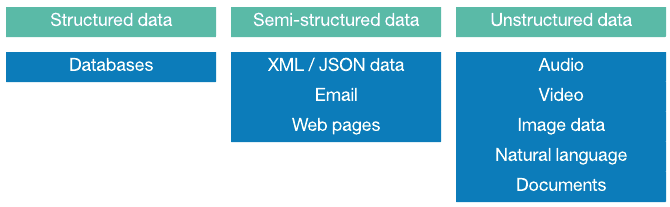
Structured vs Unstructured Data View original
Is this image relevant?
Measuring Interviewer Characteristics Pertinent to Social Surveys: A Conceptual Framework ... View original
Is this image relevant?
Structured vs Unstructured Data View original
Is this image relevant?
Structured Data Gathering Methods
These are your planned, deliberate approaches to learning about an audience before you speak.
- Surveys and questionnaires collect both quantitative data (age, education level) and qualitative data (opinions, concerns). They're one of the most common tools because you can distribute them widely and analyze results quickly.
- Interviews go deeper than surveys. A one-on-one conversation lets you explore an individual's perspective, follow up on interesting answers, and pick up on tone and emotion that a written survey misses.
- Focus groups bring together a small group of potential audience members for a guided discussion. The real value here is hearing people react to each other's ideas, which often surfaces shared opinions or concerns you wouldn't find in individual responses.
- Social media analysis reveals what your audience cares about based on what they post, share, and engage with on platforms like Facebook, LinkedIn, or X (formerly Twitter). This is especially useful for understanding informal attitudes and trending interests.
- Pre-event registration forms let you ask attendees directly about their backgrounds, expectations, and what they hope to get from the presentation. If the event organizer offers this option, use it.
- Existing organizational data, such as membership records or customer databases, can give you demographic and historical information without requiring any new data collection at all.
Leveraging Existing Resources
You don't always need to collect data from scratch. A lot of useful audience information already exists if you know where to look.
- Census data and government reports provide broad demographic information about a community or region, including age distribution, income levels, and education.
- Market research reports and industry publications are helpful when you're speaking to a professional audience. They reveal the challenges, trends, and priorities that specific industries are focused on.
- Psychographic profiling tools go beyond demographics to capture values, attitudes, and lifestyle preferences. These help you understand not just who your audience is, but what they care about.
- Online analytics tools like Google Analytics or social media insights dashboards track audience behavior online, showing you what content they consume and engage with most.
- Literature reviews on the audience's field can reveal current knowledge gaps or hot-button issues, which helps you pitch your content at the right level.
- Event organizers and institutional partners often have their own audience research. Reaching out to them is one of the simplest ways to get useful data you couldn't easily gather yourself.
Audience Observation and Interaction
Formal research gives you a foundation, but real-time observation fills in the gaps. What you notice before and during your speech can be just as valuable as any survey.
Non-verbal Communication Analysis
- Body language, facial expressions, and attentiveness are your primary indicators of how engaged the audience is. Crossed arms, wandering eyes, or people checking their phones all signal something different than leaning forward and nodding.
- Attire and personal items offer clues about professional background and formality expectations. A room full of suits suggests a different communication style than a room in casual wear.
- Pre-speech behavior is worth watching. How the audience acts during earlier sessions or while waiting for your talk reveals their energy level, interest in the topic, and group dynamics.
- Audience interactions with each other can tell you about social dynamics. Are people networking actively, or sitting quietly in separate groups? That affects how interactive your presentation can be.
Direct Engagement Strategies
Talking to audience members before you speak is one of the most underused tools in public speaking. Even brief conversations can reshape how you deliver your message.
- Informal conversations before the speech help you gauge mood, expectations, and immediate concerns. If several people mention the same topic or worry, you know what to address.
- Active listening during Q&A sessions uncovers underlying attitudes and knowledge gaps that your prepared content might not cover. Pay attention to how people phrase their questions, not just what they ask.
- Small talk and mingling build rapport and sometimes produce personal anecdotes you can reference during your speech, making your content feel more connected to the room.

Demographic and Psychographic Research
Demographics tell you who is in the audience. Psychographics tell you how they think. Both shape the choices you make as a speaker.
Demographic Data Collection
- Age distribution influences content complexity and the cultural references that will resonate. A joke that works for college students might fall flat with retirees, and vice versa.
- Gender composition can affect which topics feel most relevant and how you frame certain examples.
- Education levels guide your vocabulary and how much background explanation you need to provide. A room of specialists needs less setup than a general audience.
- Occupational backgrounds shape whether industry-specific terminology helps or hinders your message. Knowing your audience works in healthcare versus finance changes which case studies you'd choose.
- Income brackets inform the examples you use related to lifestyle, spending, or economic concerns.
Psychographic Profiling
- Values and beliefs guide how you frame arguments. An audience that prioritizes community will respond differently than one focused on individual achievement.
- Lifestyle preferences influence which analogies and examples feel relatable. References to outdoor recreation land differently than references to urban nightlife, depending on the group.
- Personality traits can inform your presentation style. A highly analytical audience may want data and evidence, while a more extraverted group might respond better to storytelling and interaction.
- Hobbies and interests give you material for icebreakers and relatable examples that make your content feel less generic.
- Political leanings matter most when your topic touches on anything potentially controversial. Knowing where your audience stands helps you present balanced viewpoints and avoid alienating listeners.
Speaking Context Analysis
The context surrounding your speech shapes audience expectations just as much as who the audience members are individually.
Event Characteristics
- Nature of the event signals the audience's expertise level and why they're there. An academic conference, a corporate training session, and a community lecture each call for a different approach.
- Venue location and characteristics provide clues about geographic origin and socioeconomic context. Speaking at an urban conference center versus a rural community hall suggests different audience backgrounds.
- Timing within the event schedule directly affects attention span. A morning keynote audience is typically more alert than a post-lunch breakout session crowd. Plan your energy and pacing accordingly.
- Dress code and formality reveal cultural norms and professional expectations. Match your own presentation style to the tone of the event.
Presentation Environment
- The advertised topic and title set audience expectations for prior knowledge and depth. If the title promises an introduction, don't assume advanced knowledge. If it signals expertise, don't over-explain basics.
- Translators or multilingual materials indicate linguistic diversity. This affects your pacing, word choice, and how much you rely on idioms or culturally specific references.
- Available technology shapes what's possible in your presentation. A room with interactive displays invites a different approach than one with just a basic projector or no A/V at all.
- Room layout and seating influence interaction. Theater-style seating limits group discussion, while round tables encourage it. Knowing the setup in advance lets you plan activities that actually work in the space.
See Fiveable more often in Google
Mark Fiveable as a preferred source and Google is more likely to show you our guides in Top Stories, with a "preferred" badge in AI Mode and AI Overviews.