9.6 Measuring and Evaluating Strategic Performance

👔Principles of Management Unit 9 Review
9.6 Measuring and Evaluating Strategic Performance
👔 Principles of Management
Evaluating Strategic Performance
Measuring strategic performance gives organizations a way to check whether their strategies are actually working. Without clear metrics and regular evaluation, companies end up guessing about what's driving results and what needs to change. This section covers the tools used to measure performance, how the strategy cycle keeps improvement going, and why performance feedback matters so much for decision-making.
Evaluating Strategic Performance
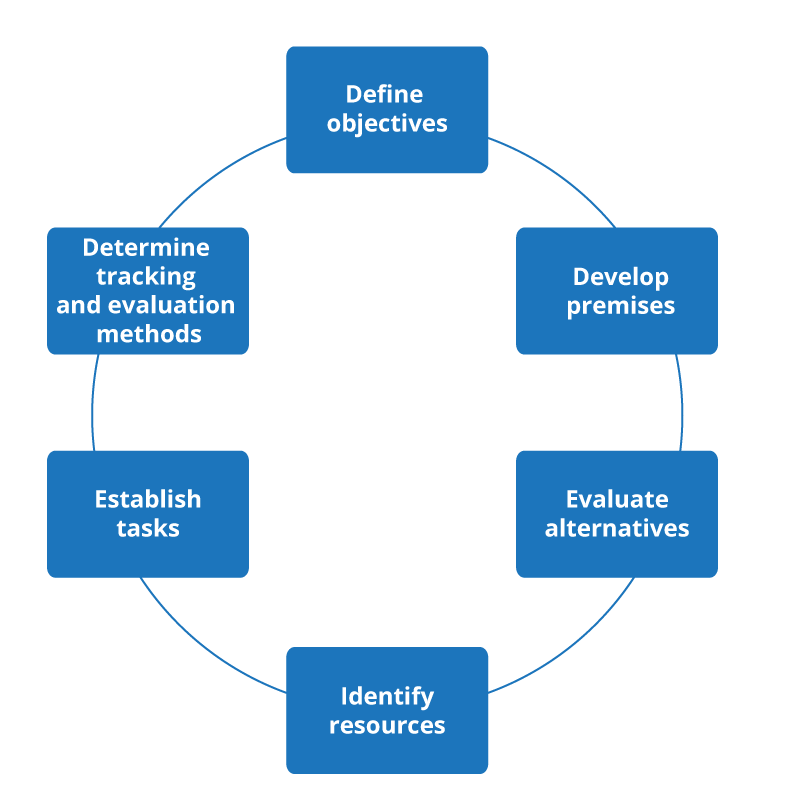
Performance Measures for Strategic Plans
Strategic plans need concrete metrics to track progress. Vague goals like "grow the business" don't cut it. Organizations rely on several measurement tools to stay objective.
Quantitative metrics translate strategic goals into numbers you can track. Common examples include:
- Financial ratios like return on investment (ROI) and profit margin, which show whether the strategy is generating value
- Market share, which reveals competitive positioning
- Customer satisfaction scores, often gathered through surveys like Net Promoter Score (NPS)
- Employee turnover rates, which signal internal health and culture alignment
Benchmarking compares your organization's performance against industry standards, competitors, or recognized best practices. This helps identify where you're falling behind and sets realistic improvement targets. For example, if the industry average profit margin is 12% and yours is 8%, that gap becomes a clear priority.
The Balanced Scorecard is a framework that measures performance across four perspectives:
- Financial: Are we meeting profitability and revenue goals?
- Customer: Are customers satisfied and loyal?
- Internal processes: Are operations efficient and effective?
- Learning and growth: Are we building capabilities for the future?
The value of the Balanced Scorecard is that it prevents organizations from fixating on financial results alone. A company might hit its revenue target while losing top talent or neglecting process improvements, which creates problems down the road.
Key Performance Indicators (KPIs) are specific, measurable targets tied directly to strategic objectives. They give teams clear benchmarks to hit and enable data-driven decisions rather than gut-feel management.
All of these measures need regular review and adjustment. Organizations should monitor metrics at set intervals (monthly, quarterly, annually) and adapt strategies based on what the data reveals.

Components of the Strategy Cycle
Strategy isn't a one-time event. It follows a repeating cycle of four stages:
-
Strategy Formulation
- Define the organization's mission, vision, and values
- Conduct internal and external analyses using tools like SWOT and PESTEL
- Set long-term objectives and develop strategies to achieve them
-
Strategy Implementation
- Translate strategies into specific action plans and allocate resources (budget, personnel, technology)
- Align organizational structure, culture, and systems with the chosen strategy
- Communicate the strategy clearly and engage stakeholders at every level
-
Strategy Evaluation
- Assess the effectiveness of implemented strategies using the performance measures and benchmarking tools described above
- Identify gaps between actual results and desired performance
- Generate feedback that feeds into future planning and decision-making
-
Continuous Improvement
- Incorporate evaluation insights into the next round of the strategy cycle
- Adapt to changes in the environment, whether that's new technology, shifting consumer preferences, or competitive moves
- Build a culture where learning and innovation are ongoing, not occasional
The cycle matters because business environments don't stand still. A strategy that worked two years ago may be outdated today. The cycle keeps organizations responsive rather than rigid.
Strategic Control and Performance Management
Strategic control is the process of ensuring that day-to-day organizational activities stay aligned with strategic objectives. Without it, departments can drift toward their own priorities and lose sight of the bigger picture.
Performance management systems create this alignment by linking individual and team goals to the organization's strategy. When a sales team's quarterly targets connect directly to the company's market share objective, everyone pulls in the same direction.
Strategic alignment means connecting operational activities to the overarching strategy. If the strategy emphasizes customer experience, then hiring practices, training programs, and process design should all reflect that priority.
Data-driven decision-making ties all of this together. Rather than relying on intuition or past habits, leaders use performance data to guide strategic choices. This reduces bias and makes decisions more defensible to stakeholders.
Impact of Performance Feedback
Performance feedback is what turns raw data into strategic action. Here's how it shapes the organization:
- Identifies strengths and weaknesses. Feedback highlights where the organization excels (perhaps customer service ratings are consistently high) and where it falls short (maybe operational efficiency lags behind competitors). This helps leaders prioritize which initiatives get resources first.
- Informs goal setting. Past performance data makes future goals more realistic. If your team grew revenue 6% last year, setting a 7-8% target is grounded. Feedback also reveals where stretch targets make sense because momentum is already strong.
- Triggers strategy adaptation. Sometimes feedback reveals that a strategy needs to be modified or abandoned entirely. Market disruptions, regulatory changes, or unexpected competitive moves may require a pivot. Organizations that act on feedback stay agile instead of clinging to outdated plans.
- Enhances decision-making quality. Data-driven insights from performance evaluation support more informed and objective decisions. This reduces reliance on gut instinct or confirmation bias in strategic planning.
- Facilitates organizational learning. Regular feedback promotes reflection and knowledge sharing across teams. Over time, this builds a culture where continuous improvement becomes the norm rather than the exception.
- Aligns stakeholder expectations. Communicating performance results to investors, customers, and employees builds trust and credibility. Transparent reporting helps manage expectations and generates support for future strategic initiatives.
See Fiveable more often in Google
Mark Fiveable as a preferred source and Google is more likely to show you our guides in Top Stories, with a "preferred" badge in AI Mode and AI Overviews.