2.3 Programmed and Nonprogrammed Decisions

👔Principles of Management Unit 2 Review
2.3 Programmed and Nonprogrammed Decisions
👔 Principles of Management
Types of Managerial Decisions
Programmed vs. Nonprogrammed Decisions
Not every decision a manager makes requires the same level of thought. Programmed decisions are routine, repetitive choices that come up in predictable situations. Because they happen regularly, organizations develop established procedures, policies, or rules to handle them. Think of reordering office supplies when stock runs low, processing weekly payroll, or handling common customer complaints. A manager doesn't need to reinvent the wheel each time; they follow the standard operating procedure and move on.
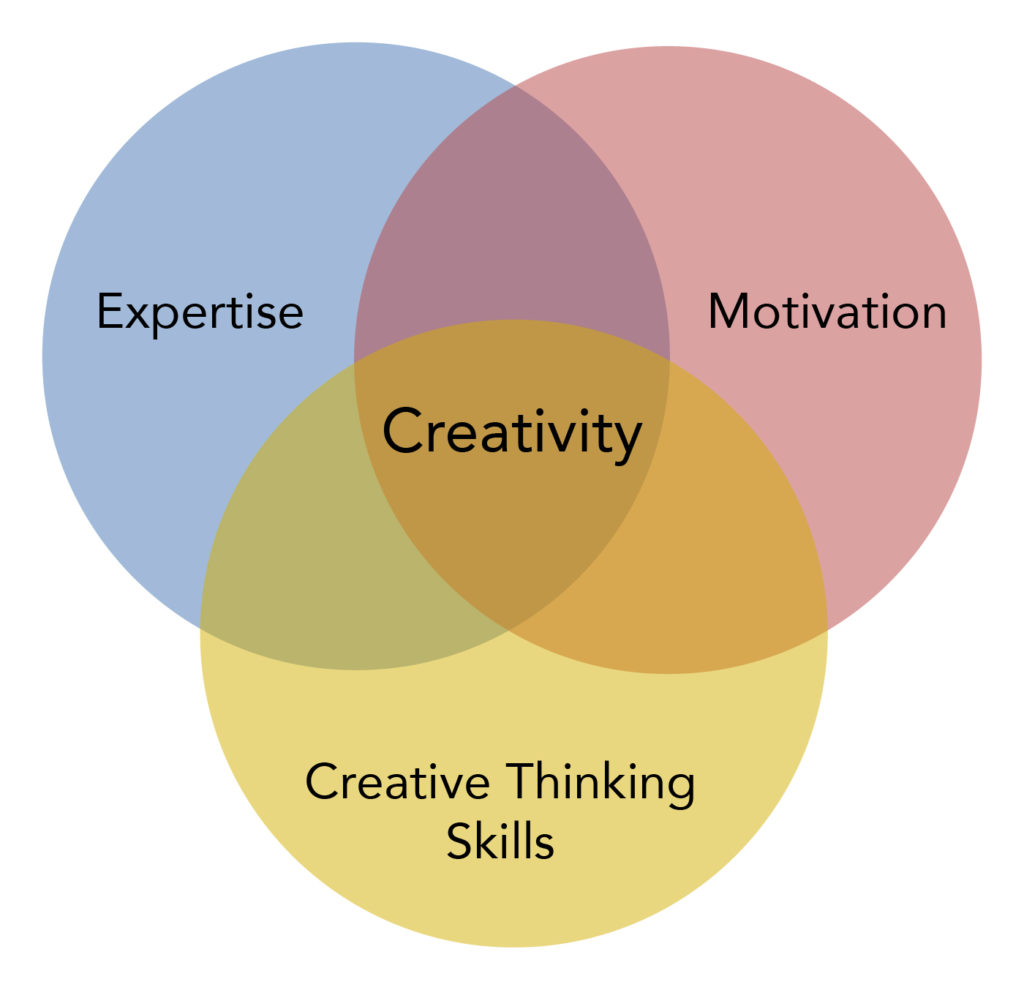
Nonprogrammed decisions are the opposite. These arise from unique, complex, or unpredictable situations where no pre-established guidelines exist. Launching a new product line, entering an untapped market, or responding to a major crisis all fall into this category. These decisions involve higher uncertainty, greater risk, and potentially larger impact on the organization. Managers have to rely on creativity, judgment, and thorough information-gathering. Tools like decision trees can help here by mapping out potential outcomes and their probabilities.
The key distinction: programmed decisions follow existing rules; nonprogrammed decisions require managers to develop new solutions from scratch.
Heuristics in Programmed Decisions
Heuristics are mental shortcuts that help managers make programmed decisions quickly and efficiently. Three common types show up in management:
- Availability heuristic: You base your decision on information that comes to mind most easily. For example, a manager might choose a supplier because a recent positive experience with them is fresh in memory, even if other suppliers have stronger overall track records.
- Representativeness heuristic: You judge a situation based on how similar it seems to past experiences or stereotypes. A hiring manager might assume a candidate with an Ivy League degree will outperform others, even though school prestige doesn't guarantee job performance.
- Anchoring and adjustment heuristic: You start with an initial reference point and adjust from there. Setting next year's project budget by starting with last year's number and tweaking it up or down is a classic example.
Heuristics save time, but they can also introduce biases and lead to suboptimal choices. A manager who only relies on the availability heuristic might overlook better options they haven't encountered recently. The best practice is to use heuristics as a starting point while staying aware of their limitations and supplementing them with data or other decision-making tools.
Six-Step Nonprogrammed Decision Process
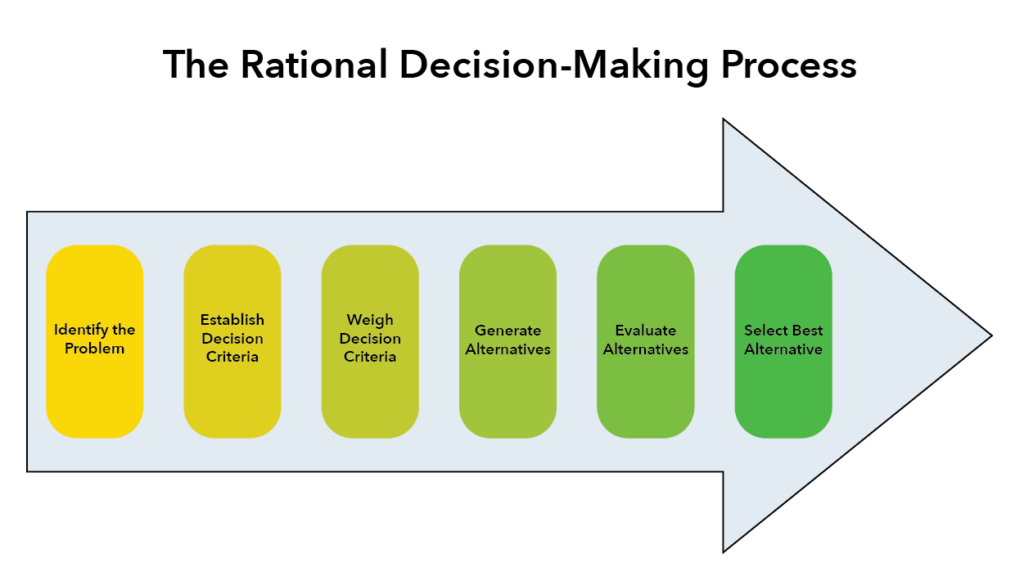
When facing a novel problem, managers benefit from a structured approach. The six-step process works like this:
-
Identify and define the problem. Recognize that a problem or opportunity exists and clarify its scope, nature, and potential impact. This means gathering relevant information through market research, financial analysis, or stakeholder input before jumping to solutions.
-
Generate alternative solutions. Brainstorm a wide range of possible courses of action. The goal is quantity and variety at this stage. Hold ideation sessions, seek diverse perspectives, and challenge assumptions to surface both conventional and unconventional approaches.
-
Evaluate alternatives. Assess each option's feasibility, costs, benefits, and risks. Consider both short-term and long-term consequences for the organization and its stakeholders. Tools like cost-benefit analyses, scenario planning, and risk assessments are useful here.
-
Choose the best alternative. Select the solution that best meets your decision criteria and aligns with organizational goals and values. This involves evaluating trade-offs, considering available resources, and determining how much risk the organization can accept.
-
Implement the chosen alternative. Develop a detailed action plan. Allocate resources, assign responsibilities, and set timelines. Communicate the decision clearly and provide any training or support people need to carry it out.
-
Monitor and evaluate the results. Track progress using key performance indicators and regular reviews. Gather feedback from stakeholders and watch for unintended consequences. If results aren't meeting expectations or circumstances change, adjust the plan by reallocating resources, modifying timelines, or adapting strategies.
Additional Decision-Making Approaches
Beyond the structured six-step process, two other approaches shape how managers actually make decisions in practice:
- Bounded rationality acknowledges that managers don't have unlimited information, brainpower, or time. Instead of searching for the perfect solution, they tend toward satisficing, which means choosing the first option that meets an acceptable threshold. If you need to hire someone by Friday, you're probably going with the first qualified candidate rather than interviewing fifty people to find the absolute best.
- Intuitive decision-making relies on gut feelings, accumulated experience, and pattern recognition. This is especially common in time-sensitive or highly complex situations where a full analytical process isn't practical. Experienced managers often "just know" something feels right because they've seen similar patterns before.
- Decision support systems (DSS) are computer-based tools that help managers analyze data, model different scenarios, and access relevant information. They don't replace human judgment, but they give managers better inputs to work with, especially for decisions involving large amounts of data.
See Fiveable more often in Google
Mark Fiveable as a preferred source and Google is more likely to show you our guides in Top Stories, with a "preferred" badge in AI Mode and AI Overviews.