11.6 Talent Development and Succession Planning

👔Principles of Management Unit 11 Review
11.6 Talent Development and Succession Planning
👔 Principles of Management
Talent Development and Succession Planning
Talent development and succession planning help organizations build a workforce that's ready for the future. Talent development focuses on growing employees' skills and preparing them for bigger roles, while succession planning makes sure there's always someone ready to step into critical positions when leaders leave or retire. Together, they reduce the risk of leadership gaps and keep the organization running smoothly.

Top images from around the web for Components of talent development
Employee Training and Development | OpenStax Intro to Business View original
Is this image relevant?
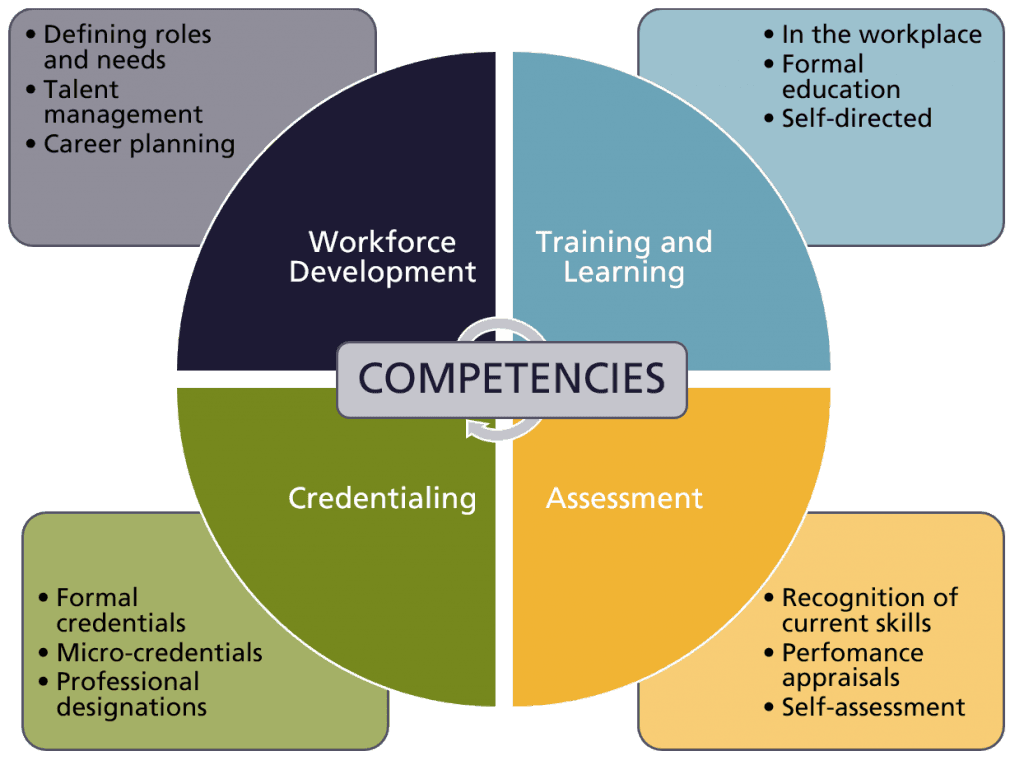
Uses for competency frameworks – eCampusOntario Open Competency Toolkit View original
Is this image relevant?
A Principal's Reflections: 8 Elements of Effective Coaching View original
Is this image relevant?
Employee Training and Development | OpenStax Intro to Business View original
Is this image relevant?
Uses for competency frameworks – eCampusOntario Open Competency Toolkit View original
Is this image relevant?
Components of Talent Development
Talent development isn't just one program; it's a set of overlapping strategies that help employees grow over time.
- Identifying high-potential employees means recognizing people who have the skills, motivation, and ability to succeed in larger roles. These might be top performers, fast learners, or employees who consistently take initiative.
- Training and development opportunities equip employees with new knowledge and skills. This includes workshops, seminars, online courses, and certification programs. The goal is to close skill gaps before they become problems.
- Coaching and mentoring pairs employees with experienced leaders who provide personalized guidance through one-on-one sessions and regular feedback. Mentoring tends to focus on long-term career growth, while coaching often targets specific skills or challenges.
- Stretch assignments and job rotations push employees outside their comfort zone. A stretch assignment might involve leading a cross-functional project, while a job rotation temporarily places someone in a different department. Both build broader organizational knowledge.
- Career pathing helps employees map out their long-term trajectory within the company. When people can see a clear path forward, they're more likely to stay engaged and committed.

Purpose of 9-Box Talent Reviews
The 9-box talent review is a grid that plots employees along two axes: current performance (low, moderate, high) and future potential (low, moderate, high). Each employee lands in one of nine boxes based on where they fall on both dimensions.
This tool serves several purposes:
- Spotting high-potential employees. Those in the top-right box (high performance, high potential) are your strongest candidates for advancement.
- Revealing workforce strengths and gaps. If most employees cluster in the low-potential boxes, the organization may face succession risks. If talent is spread across the grid, you can target development where it's needed most.
- Guiding development decisions. Someone with high potential but moderate performance might need coaching, while a high performer with lower potential might thrive with deeper expertise in their current role rather than a promotion track.
- Evaluating bench strength. Bench strength refers to how deep your pool of potential leaders actually is. A healthy organization doesn't rely on just one or two people to fill future leadership roles.
The 9-box review works best when managers use consistent criteria and discuss ratings together to reduce individual bias.
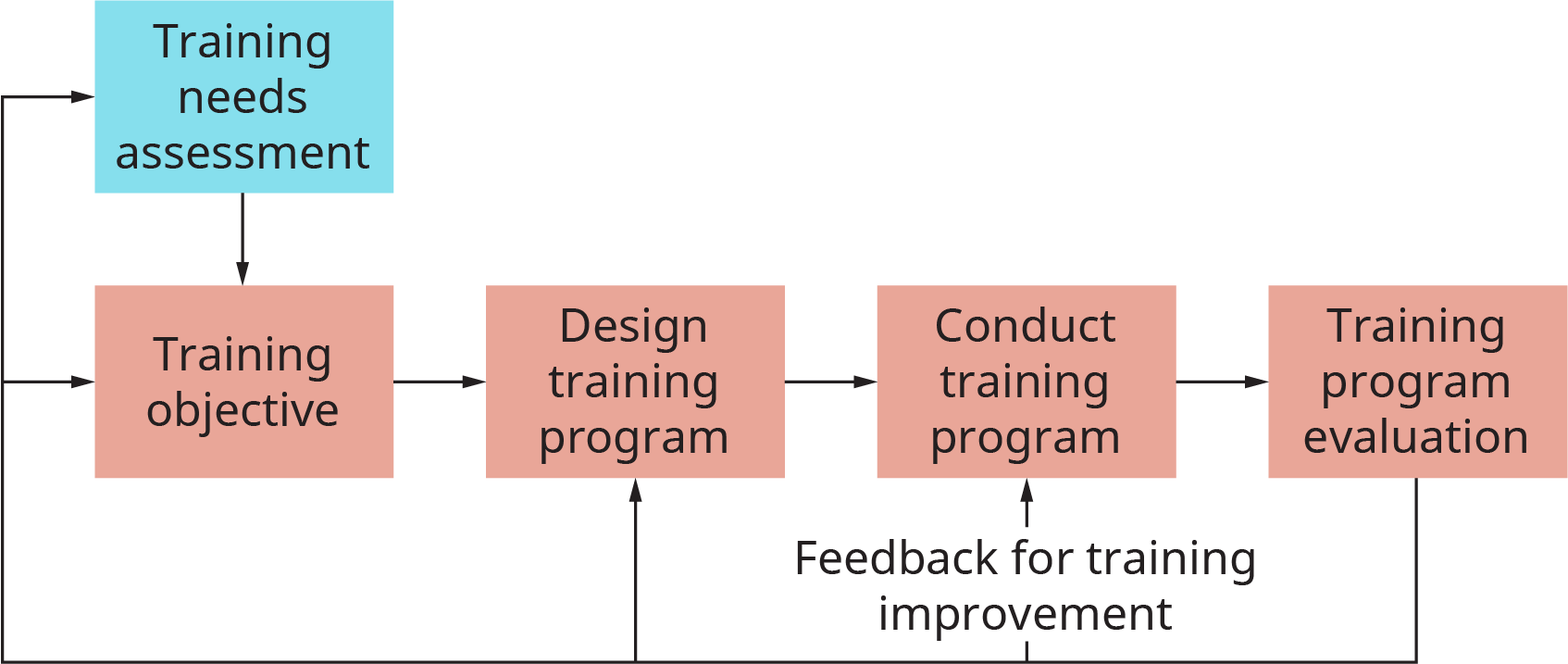
Steps for Succession Planning
Succession planning is a structured process, not a one-time event. Here's how it works:
-
Identify critical roles that are essential to business continuity. These are typically senior leadership positions and key technical roles where a sudden vacancy would cause serious disruption.
-
Assess potential successors by evaluating performance, skills, experience, and leadership qualities. Use tools like performance reviews and 360-degree feedback.
- Consider both internal and external candidates.
- Conduct a skill gap analysis to pinpoint what each candidate still needs to develop.
-
Develop succession plans for each critical role, including:
- Individual development plans for potential successors (training, mentoring, stretch assignments)
- Timelines that distinguish between short-term emergency replacements and long-term planned transitions
- Clear transition responsibilities so both the departing leader and the successor know what's expected
-
Implement and monitor the plans by communicating with stakeholders, providing resources, and tracking progress through regular check-ins. Adjust plans when circumstances change.
-
Review and update succession plans on a regular cycle, typically annually. Organizations evolve, people leave, and strategic priorities shift, so plans that aren't revisited quickly become outdated.
Talent Management Strategies
A few broader strategies tie talent development and succession planning together:
- Building a leadership pipeline ensures there's a continuous flow of qualified candidates for key positions, rather than scrambling to fill roles reactively.
- Promoting talent mobility gives employees diverse experiences across departments or locations. This develops well-rounded leaders and keeps high performers engaged.
- Focusing on talent retention matters because development investments are wasted if employees leave. Retention strategies like competitive compensation, meaningful work, and clear advancement opportunities help keep your strongest people in place.
See Fiveable more often in Google
Mark Fiveable as a preferred source and Google is more likely to show you our guides in Top Stories, with a "preferred" badge in AI Mode and AI Overviews.