16.4 Managerial Communication and Corporate Reputation

👔Principles of Management Unit 16 Review
16.4 Managerial Communication and Corporate Reputation
👔 Principles of Management
Managerial Communication and Corporate Reputation

Top images from around the web for Communication's impact on corporate reputation
Reputation Management for Executives: What It Is and Why It Matters View original
Is this image relevant?
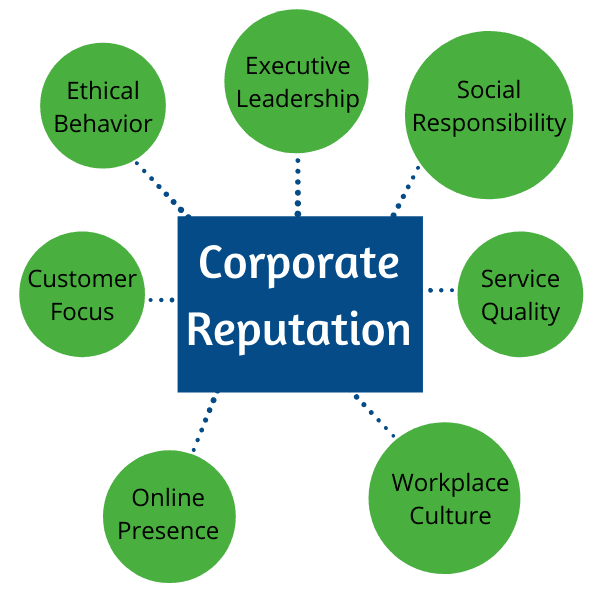
How to Measure and Manage Your Corporate Reputation View original
Is this image relevant?
Your Company’s Reputational Foundation Is Trust - Reputation Sciences™ View original
Is this image relevant?
Reputation Management for Executives: What It Is and Why It Matters View original
Is this image relevant?
How to Measure and Manage Your Corporate Reputation View original
Is this image relevant?
Communication's Impact on Corporate Reputation
How managers communicate directly shapes how stakeholders perceive the organization. Consistent, transparent messaging builds trust and credibility over time, while ambiguous or misleading communication erodes confidence and can cause lasting reputational damage.
Different stakeholder groups rely on different forms of communication to form their opinions:
- Shareholders and investors look at financial reports, earnings calls, and strategic plans to assess company performance and make investment decisions.
- Customers form impressions through advertising, public relations, and customer service interactions, all of which affect brand loyalty and purchasing behavior.
- Employees are shaped by internal communications like memos, emails, and meetings. These directly influence engagement, productivity, and job satisfaction.
Proactive communication is especially critical during crises. When something goes wrong (a product recall, a data breach), timely and honest messaging can limit the damage and demonstrate transparency. Addressing stakeholder concerns head-on and offering concrete solutions signals responsibility, which helps restore trust.

Key Components of Managerial Communication
Four core skill sets underpin effective managerial communication. Each one contributes to how the organization is perceived.
Speaking skills allow managers to convey confidence and authority. Clear articulation and appropriate tone inspire trust, while adapting language to the audience (whether investors, employees, or customers) ensures the message lands. Nonverbal cues like body language and eye contact reinforce credibility just as much as the words themselves.
Writing skills matter because so much organizational communication happens in text. Concise, well-structured writing improves clarity and makes messages easier to remember. Error-free content projects professionalism. And tailoring the style to the format (a formal report vs. a quick email vs. a client proposal) maximizes the impact of each piece.
Listening skills help managers understand what stakeholders actually need. Active listening means paying full attention, asking clarifying questions, and providing feedback. Empathetic listening builds rapport and trust. Hearing diverse perspectives also leads to better-informed decisions and more effective problem-solving.
Critical thinking skills ensure that communication is grounded in solid analysis. This means evaluating the credibility of sources, identifying patterns and trends in data, and considering alternative viewpoints before drawing conclusions. Strong critical thinking makes arguments more persuasive and strategies more robust.

Language Strategies for Reputation Management
The way a message is worded can shift how people interpret it. Several language strategies help managers shape perceptions deliberately.
Framing techniques guide how stakeholders process information:
- Positive framing emphasizes benefits and opportunities, such as highlighting growth potential or competitive advantage, to encourage support.
- Negative framing draws attention to risks and consequences, like financial losses or reputational damage, to discourage undesirable actions.
- Contrast framing places options side by side (comparing product features or investment returns) so that one appears clearly more favorable.
Rhetorical devices strengthen the persuasive power of communication:
- Metaphors and analogies make complex ideas relatable (describing a company as "a ship navigating rough waters").
- Repetition reinforces key messages and improves retention, such as consistently emphasizing core values across channels.
- Emotional appeals connect with stakeholders' values and motivations, inspiring pride or evoking empathy to drive engagement.
Adapting language to organizational needs keeps reputation management on track. This means aligning all communication with the company's mission, vision, and values so messaging stays consistent. Using industry-specific terminology demonstrates expertise to investors, regulators, and competitors. And addressing concerns with empathy shows stakeholders the organization is responsive and cares.
Crisis communication planning prepares the organization before problems arise. A solid plan follows these steps:
- Identify potential crisis scenarios and create response templates in advance, which saves time and reduces panic under pressure.
- Designate trained spokespeople with clear key messages to ensure consistency and minimize the risk of misinformation.
- Monitor media and social channels continuously so emerging issues are caught early and addressed before they escalate.
Corporate Reputation Management Strategies
Beyond day-to-day communication, several broader strategies contribute to a strong corporate reputation.
Public relations shapes public perception through deliberate communication strategies. This includes building relationships with media outlets to ensure accurate, favorable coverage and proactively telling the organization's story.
Corporate social responsibility (CSR) demonstrates a commitment to ethical practices and community well-being. Implementing sustainable business practices and supporting local initiatives enhances reputation, but only if those efforts are communicated effectively to stakeholders. CSR that goes unshared has limited reputational value.
Organizational culture connects internal behavior to external image. When internal values and employee conduct align with the organization's public messaging, the result is authenticity. Employees who genuinely believe in the company's mission become natural brand ambassadors, reinforcing reputation through every interaction.
Corporate governance affects stakeholder trust at a structural level. Transparent decision-making processes and ethical leadership practices signal accountability. Communicating governance policies openly demonstrates integrity and gives stakeholders confidence in the organization's direction.
Thought leadership positions the organization as an industry expert. Sharing valuable insights through conferences, publications, and social media builds credibility and influence. Over time, this establishes the organization as a go-to voice in its field, which strengthens overall reputation.
See Fiveable more often in Google
Mark Fiveable as a preferred source and Google is more likely to show you our guides in Top Stories, with a "preferred" badge in AI Mode and AI Overviews.