4.6 Organizing for Change in the 21st Century

👔Principles of Management Unit 4 Review
4.6 Organizing for Change in the 21st Century
👔 Principles of Management
Adapting to Environmental Trends and Risks
Organizations that survive long-term are the ones that recognize shifts in their environment and adjust before they're forced to. This section covers the major strategies 21st-century companies use to stay competitive, responsible, and resilient in the face of constant change.

Top images from around the web for Adaptation to environmental trends
Infographic: Digital Transformation – Tech Trends – Medium View original
Is this image relevant?
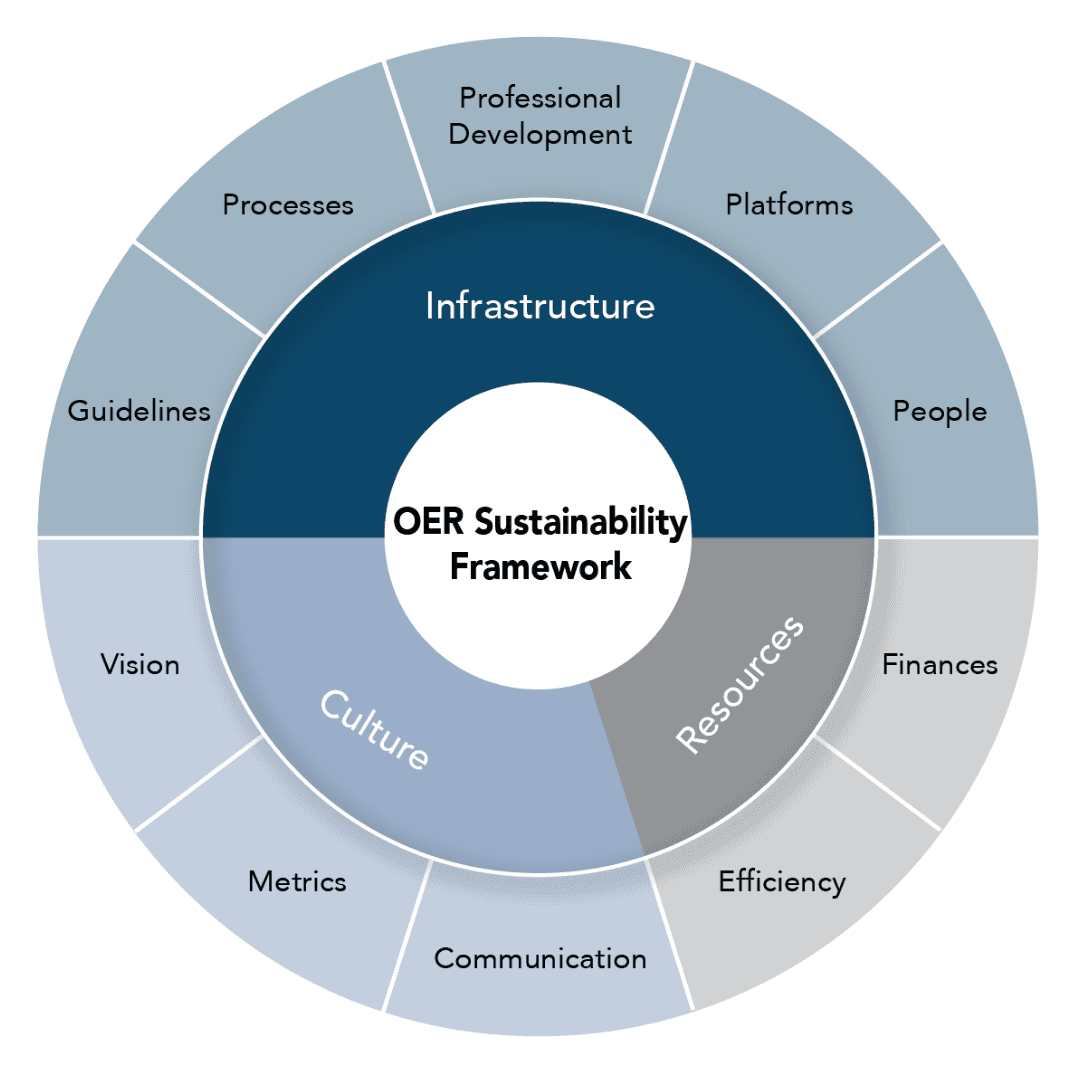
OER sustainability framework View original
Is this image relevant?
Ecological Sustainable Development Design Tool Ethosolution : One Community View original
Is this image relevant?
Infographic: Digital Transformation – Tech Trends – Medium View original
Is this image relevant?
OER sustainability framework View original
Is this image relevant?
Digital Transformation and Data-Driven Decisions
Adopting new technologies isn't optional anymore. Companies that integrate tools like cloud computing and AI into their operations can streamline processes, cut costs, and respond faster to market shifts. But technology alone isn't enough. Organizations also need to leverage data analytics to turn raw customer data and market trends into actionable decisions, rather than relying on gut instinct.
A strong online presence matters too. E-commerce platforms and social media aren't just marketing channels; they're how many companies build direct relationships with customers.
Fostering Innovation
Staying ahead of competitors requires a culture where employees feel encouraged to think creatively and propose new ideas. This means more than just saying "be innovative." Organizations can:
- Invest in research and development to create new products or services before the market demands them
- Collaborate with startups and other organizations through partnerships and joint ventures, bringing in fresh perspectives
- Create formal processes for employees to pitch ideas and receive support to develop them
Sustainability and Social Responsibility
Consumers and investors increasingly expect companies to operate responsibly. Organizations respond by:
- Implementing eco-friendly practices like renewable energy adoption and waste reduction programs
- Engaging in corporate social responsibility (CSR) initiatives such as community outreach and charitable donations
- Communicating sustainability efforts transparently through annual reports and marketing campaigns to build stakeholder trust
Workforce Flexibility and Inclusion
The talent landscape has shifted significantly. Companies that offer remote work options and flexible schedules have a real advantage in attracting and retaining skilled workers. Beyond flexibility, organizations benefit from:
- Providing training and development opportunities to upskill employees for evolving roles
- Promoting diversity and inclusion by valuing different perspectives, which research consistently links to stronger creativity and better decision-making
Risk Management
Every organization faces threats, from cyber attacks to natural disasters to supply chain breakdowns. Strong risk management involves:
- Conducting regular risk assessments to identify potential vulnerabilities
- Developing contingency plans that outline specific responses to likely disruptions
- Investing in cybersecurity measures (firewalls, encryption, employee training) to protect sensitive data
- Building cross-cultural competencies as operations expand into global markets

The Rise of Social Enterprises
A social enterprise is a business that prioritizes social or environmental objectives while still operating in a financially sustainable way. Unlike traditional nonprofits, social enterprises generate revenue through market activity, but they reinvest a significant portion of profits back into their mission rather than maximizing shareholder returns.
Why Social Enterprises Are Growing
Several forces are driving their rise:
- Consumer demand for socially responsible products and services (fair trade, organic goods) keeps increasing
- Impact investing has grown as investors seek companies that generate measurable social good alongside financial returns
- There's wider recognition that businesses can play a meaningful role in addressing challenges like poverty and climate change, contributing to the UN Sustainable Development Goals
Advantages of the Social Enterprise Model
- They attract and retain mission-driven employees who are motivated by purpose, not just a paycheck
- Brand reputation and customer loyalty tend to be strong because consumers increasingly support businesses that align with their values
- When managed well, social enterprises can achieve long-term financial sustainability by balancing impact with viability
Notable Examples
- TOMS Shoes built its brand around a one-for-one model, donating a pair of shoes to a child in need for every pair sold, expanding access to footwear in developing countries
- Warby Parker follows a similar approach with eyewear, providing affordable glasses in underserved communities through its buy-a-pair, give-a-pair program
- Grameen Bank provides microfinance loans to low-income entrepreneurs (primarily women) in Bangladesh, helping them start and grow small businesses without requiring traditional collateral
Building Organizational Resilience
Organizational resilience is a company's ability to anticipate, prepare for, and adapt to disruptions while continuing to operate effectively. It's not just about surviving a crisis; it's about emerging from one in a stronger position.

Culture and Communication
Resilient organizations tend to share a few cultural traits. They have a clear sense of purpose and shared values that keep people aligned during uncertainty. They also prioritize open communication across teams, breaking down silos so that knowledge flows freely. A growth mindset, where employees view challenges as learning opportunities rather than threats, is a consistent feature of adaptable organizations.
Employee Well-Being and Engagement
People are the foundation of resilience. Organizations build this foundation by:
- Providing resources for physical and mental health, such as wellness programs and employee assistance programs
- Offering professional development through training, mentoring, and internal mobility opportunities
- Recognizing and rewarding contributions through performance-based incentives and public acknowledgment
Diversity as a Resilience Strategy
A diverse workforce isn't just an ethical priority; it's a strategic one. Organizations that recruit across different backgrounds (gender, ethnicity, age, experience) and foster an inclusive culture where differences are genuinely valued tend to make better decisions. Diversity training and employee resource groups are common tools for building this kind of environment.
Supply Chain Resilience
Supply chain disruptions can cripple even well-run companies. To reduce this vulnerability, organizations should:
- Diversify suppliers so they're not dependent on a single source
- Develop contingency plans that identify alternative suppliers or build inventory buffers for critical materials
- Collaborate with suppliers to improve sustainability and responsibility practices across the entire chain
Continuous Learning and Change Management
Resilience requires constant self-assessment. Organizations that regularly evaluate their strengths and weaknesses through feedback loops and data analysis can spot problems early. Creating a safe space for experimentation, where employees can take calculated risks and learn from failures without punishment, keeps the organization adaptive. When major transitions are needed, effective change management strategies help guide people through uncertainty with clear communication, defined milestones, and visible leadership support.
Adapting to the Knowledge Economy
The knowledge economy refers to an economic system where value is increasingly driven by information, expertise, and intellectual capabilities rather than physical labor or raw materials. Organizations that thrive in this environment treat knowledge as their most important asset.
To compete, companies need to:
- Prioritize digital literacy by training employees to use evolving digital tools effectively
- Foster a culture of continuous learning and knowledge sharing so the organization's collective expertise keeps growing
- Implement knowledge management systems that capture, organize, and make institutional knowledge accessible, preventing critical information from being lost when employees leave
- Create dedicated time and spaces for employees to explore new ideas and collaborate on creative projects, rather than keeping everyone locked into routine tasks
- Develop strategies for stakeholder engagement that build strong, ongoing relationships with customers, partners, and communities, since these relationships are themselves a form of organizational knowledge
See Fiveable more often in Google
Mark Fiveable as a preferred source and Google is more likely to show you our guides in Top Stories, with a "preferred" badge in AI Mode and AI Overviews.