11.3 Performance Management

👔Principles of Management Unit 11 Review
11.3 Performance Management
👔 Principles of Management
Performance Management
Performance management is the ongoing process of aligning what employees do every day with what the organization needs to achieve. Rather than just evaluating people once a year, modern performance management focuses on continuous feedback, coaching, and development. This section covers why performance management matters, how it has evolved, the shift from annual reviews to continuous feedback, and what a comprehensive approach looks like.

Top images from around the web for Impact of performance management practices
The-Impact-of-Motivation,-Ability,-Role-Perception-on-Employee - Research leap View original
Is this image relevant?
Work Components of Motivation | Organizational Behavior and Human Relations View original
Is this image relevant?
The Effective Organization: Five Questions to Translate Leadership into Strong Management ... View original
Is this image relevant?
The-Impact-of-Motivation,-Ability,-Role-Perception-on-Employee - Research leap View original
Is this image relevant?
Work Components of Motivation | Organizational Behavior and Human Relations View original
Is this image relevant?
Impact of Performance Management Practices
Performance management works best when it connects individual effort to bigger organizational goals. Here's how that plays out in practice:
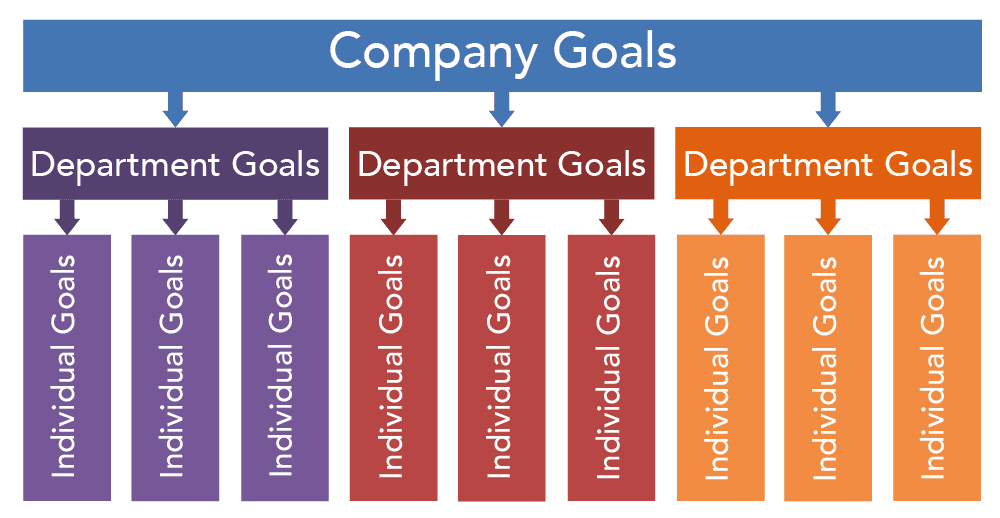
Goal alignment is the foundation. When employees understand how their specific work (hitting sales targets, meeting quality metrics) contributes to company success, they're more focused and engaged. Regular check-ins and goal-setting discussions between managers and employees keep this alignment tight across all levels of the organization.
Feedback and coaching help employees improve in real time. Instead of waiting months to hear what's going wrong, regular performance conversations identify skill gaps early. This opens the door to targeted development like technical training or leadership workshops, and it encourages a mindset of continuous learning.
Recognition and rewards reinforce the behaviors that drive results. Bonuses, promotions, and public acknowledgment motivate employees to maintain or exceed performance standards. When people see that strong performance is noticed and rewarded, it shapes the culture.
Training and development needs surface naturally through performance management. Managers can spot where employees need new skills and connect them with the right resources. This also supports career advancement and succession planning, since the organization can identify who's ready to move up.
Performance-based compensation ties pay to individual and team results through tools like merit increases and stock options. This helps attract and retain top talent while reinforcing a high-performance culture.

Evolution of Performance Management Systems
Performance management didn't start in corporate offices. Understanding where it came from helps explain why some outdated practices still linger.
- Military origins: The earliest formal performance appraisals evaluated soldiers on traits like loyalty, courage, and initiative. These were subjective and trait-focused rather than results-focused.
- Merit rating systems (early 1900s): As industrialization grew, organizations began using numerical scales and descriptive categories to rate job-related factors like productivity and attendance. This was an early attempt to standardize evaluation.
- Management by Objectives (MBO), 1950s: Peter Drucker popularized the idea that employees and managers should set measurable objectives together. MBO linked individual goals to organizational strategy, introducing the concept of accountability for specific results.
- Behaviorally Anchored Rating Scales (BARS), 1960s: BARS defined specific observable behaviors for each performance level (e.g., what "excellent customer service" actually looks like in practice). The goal was to reduce the subjectivity that plagued earlier rating methods.
- 360-degree feedback, 1990s: This approach gathered input from supervisors, peers, subordinates, and self-evaluations. It gave a much more complete picture of performance than a single manager's perspective.
- Modern continuous approaches (2000s–present): Many organizations have moved toward frequent check-ins, coaching conversations, and real-time feedback throughout the year. The emphasis has shifted from rating past performance to developing future capability, with performance metrics used to objectively measure contributions.
The overall trend is clear: performance management has moved from subjective, top-down, backward-looking evaluation toward objective, collaborative, forward-looking development.

Annual Reviews vs. Continuous Feedback
This is one of the biggest shifts in modern HR, and you should understand the trade-offs.
Traditional annual reviews are conducted once a year, usually at the end of a performance cycle.
- They focus on past performance and accomplishments over the previous 12 months
- They're often tied to compensation decisions and formal ratings (e.g., "meets expectations," "exceeds expectations")
- They provide limited opportunity for real-time coaching, since feedback comes long after the behavior occurred
- They struggle to account for shifting priorities or goals that change mid-year
Continuous feedback models prioritize frequent check-ins and conversations throughout the year.
- Feedback addresses current performance and progress toward goals while it's still actionable
- The emphasis is forward-looking: what can you improve next, rather than what went wrong last quarter
- Goals can be adjusted as business needs change (many companies use quarterly OKRs for this)
- Regular communication builds stronger manager-employee relationships and trust
- Technology platforms (performance management software) help track progress and facilitate ongoing feedback
The key distinction: annual reviews ask "How did you do?" while continuous feedback asks "How can you do better right now?" Most organizations are moving toward continuous models, though many still use some form of annual review for compensation decisions.
Comprehensive Performance Management Approach
Effective performance management doesn't exist in isolation. It connects to several other HR functions:
- Talent management strategies integrate performance data with recruitment, development, and succession planning. Strong performers get identified early for leadership pipelines, and hiring decisions reflect the competencies the organization actually needs.
- Competency assessment evaluates employees' skills, knowledge, and behaviors against defined standards. This pinpoints specific strengths and development areas rather than relying on vague impressions.
- Employee engagement initiatives link performance management to broader satisfaction and productivity. When employees feel their growth is supported and their contributions recognized, engagement rises.
- Performance improvement plans (PIPs) provide a structured path for employees who are underperforming. A PIP typically outlines specific expectations, a timeline for improvement, and the resources or support available. The goal is to help the employee succeed, not just document a path to termination.
See Fiveable more often in Google
Mark Fiveable as a preferred source and Google is more likely to show you our guides in Top Stories, with a "preferred" badge in AI Mode and AI Overviews.