12.4 Challenges of Diversity

👔Principles of Management Unit 12 Review
12.4 Challenges of Diversity
👔 Principles of Management
Diversity in the Workplace
Workplace discrimination remains one of the most persistent challenges in organizational management. Understanding the forms it takes, the laws designed to prevent it, and the barriers that still exist helps you think critically about how organizations can build genuinely inclusive environments.

Top images from around the web for Effects of workplace discrimination
The Role of Senior Leaders in Building a Race Equity Culture | Bridgespan View original
Is this image relevant?
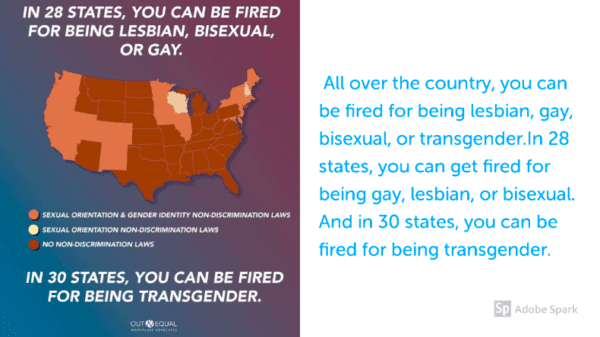
Workplace Discrimination for the LGBTQ+ Community – Youth Voices View original
Is this image relevant?
Frontiers | Gender inequalities in the workplace: the effects of organizational structures ... View original
Is this image relevant?
The Role of Senior Leaders in Building a Race Equity Culture | Bridgespan View original
Is this image relevant?
Workplace Discrimination for the LGBTQ+ Community – Youth Voices View original
Is this image relevant?
Effects of workplace discrimination
Discrimination based on protected characteristics (race, gender, age, religion, national origin, disability, and sexual orientation) leads to unfair treatment, limited opportunities, and hostile work environments. These effects show up differently depending on the characteristic involved.
- Racial discrimination results in unequal pay, fewer promotions, and higher unemployment rates for racial minorities. Microaggressions and stereotyping also contribute to a negative daily work experience.
- Gender discrimination causes women to face pay disparities, underrepresentation in leadership roles like C-suite positions, and sexual harassment. Pregnancy discrimination can result in job loss or denial of accommodations such as maternity leave.
- Age discrimination leads to older workers experiencing bias in hiring, promotions, and layoffs. Stereotypes about technological skills and adaptability limit their opportunities.
- Religious discrimination causes employees to face harassment, lack of accommodations for religious practices like prayer breaks, and bias in hiring or promotions.
- Disability discrimination results in individuals encountering bias, lack of reasonable accommodations like accessible workspaces, and limited access to job opportunities.
- LGBTQ+ discrimination causes employees to experience harassment, unequal treatment, and fear of disclosing their sexual orientation or gender identity at work.
One concept worth understanding here is intersectionality, which recognizes that individuals may face multiple, overlapping forms of discrimination at the same time. For example, a Black woman may experience bias related to both race and gender simultaneously, and those effects compound rather than simply adding together.

Federal anti-discrimination laws
Several federal laws form the legal framework against workplace discrimination. You should know what each one covers and who it protects.
- Title VII of the Civil Rights Act (1964) prohibits discrimination based on race, color, religion, sex, and national origin. It applies to employers with 15 or more employees.
- Equal Pay Act (1963) mandates equal pay for equal work regardless of gender. It applies to jobs requiring substantially equal skill, effort, and responsibility under similar working conditions.
- Age Discrimination in Employment Act (ADEA, 1967) protects individuals aged 40 and older from age-based discrimination in hiring, promotion, discharge, and compensation.
- Pregnancy Discrimination Act (PDA, 1978) forbids discrimination based on pregnancy, childbirth, or related medical conditions. Employers must treat pregnant employees the same as other employees with similar abilities or limitations.
- Americans with Disabilities Act (ADA, 1990) prohibits discrimination against individuals with disabilities and requires employers to provide reasonable accommodations, such as assistive technology or modified workspaces.
Beyond these laws, affirmative action policies aim to increase representation of underrepresented groups in employment and education. These policies are designed to address the effects of historical discrimination, though they remain a subject of ongoing legal and political debate.

Challenges in diversity initiatives
Even when organizations commit to diversity, putting that commitment into practice is difficult. Here are the most common obstacles:
- Resistance to change happens when employees feel uncomfortable with new policies or perceive increased diversity as a threat. Managers may also be reluctant to alter existing practices or challenge the status quo.
- Lack of leadership commitment undermines initiatives from the top. Diversity programs require visible support from senior management. Leaders need to model inclusive behaviors and hold others accountable, not just sign off on a policy document.
- Insufficient resources limit what organizations can actually do. Diversity programs, training, and outreach all require financial investment, and budgets get tight during economic downturns.
- Difficulty attracting and retaining diverse talent is a real problem when workplace culture isn't genuinely inclusive. Recruiting employees from underrepresented groups is only half the challenge; keeping them requires a supportive environment.
- Unconscious bias can quietly influence hiring, promotion, and performance evaluation decisions. Organizations often address this through implicit bias training, though training alone is rarely enough without structural changes to decision-making processes.
- Measuring progress is harder than it sounds. Organizations need clear metrics to assess whether their diversity efforts are actually improving representation, inclusion, and business outcomes. Tools like employee engagement surveys help, but designing meaningful measures takes deliberate effort.
- Developing cultural competence among employees is essential for managing diverse teams effectively and creating a work environment where differences are understood rather than just tolerated.
Barriers to advancement
Even in organizations with diversity initiatives, structural barriers can still block career progression for underrepresented groups.
The glass ceiling refers to invisible barriers that prevent women and minorities from advancing to top leadership positions, despite having the qualifications and experience. The term captures how the barrier isn't a formal policy but rather a pattern of systemic obstacles.
Stereotype threat occurs when individuals fear confirming negative stereotypes about their group. This anxiety can negatively impact performance on evaluations, interviews, or high-stakes tasks, which in turn limits career progression.
Tokenism happens when organizations hire or promote a small number of individuals from underrepresented groups primarily to create an appearance of diversity. Without meaningful inclusion, token hires often feel isolated and face extra pressure to represent their entire group.
Breaking down these barriers requires inclusive leadership, where leaders actively work to create equitable opportunities, challenge biased systems, and ensure that all employees have genuine access to advancement.
See Fiveable more often in Google
Mark Fiveable as a preferred source and Google is more likely to show you our guides in Top Stories, with a "preferred" badge in AI Mode and AI Overviews.