15.5 Team Diversity

👔Principles of Management Unit 15 Review
15.5 Team Diversity
👔 Principles of Management
Benefits of Team Diversity
Multiple Perspectives in Decision-Making
When a team includes people with different backgrounds, experiences, and ways of thinking, the group generates a wider range of ideas. During brainstorming sessions or design thinking workshops, this variety means more potential solutions land on the table.
Diverse teams are also better at catching blind spots. A homogeneous team might overlook a market trend or misread customer needs simply because everyone shares similar assumptions. Team members with different perspectives naturally challenge each other's preconceptions, which leads to more thorough analysis and stronger decisions.
- Members can play a natural "devil's advocate" role, pressure-testing ideas through constructive criticism
- Different knowledge bases and skill sets combine into a form of collective intelligence, making the team more effective on complex problems than any single expert would be
- Cross-functional and interdisciplinary collaboration becomes more natural when the team already thinks in varied ways
Diversity and Financial Performance
Research consistently links team diversity to stronger financial outcomes. A well-known McKinsey & Company study found that companies in the top quartile for racial and ethnic diversity were 35% more likely to have financial returns above their national industry medians. For gender diversity, that figure was 15%.
Why does this happen? A few reinforcing factors:
- Market understanding: Teams that reflect the diversity of their target customers are better equipped to develop products, services, and marketing strategies that resonate broadly. Think multicultural marketing campaigns or inclusive product design.
- Leadership diversity: A study by the Peterson Institute for International Economics found that companies with at least 30% female representation in leadership roles (board of directors, executive teams) had higher net profit margins than those with fewer women in leadership.
- Engagement and productivity: Inclusive leadership practices tend to improve employee engagement, which feeds back into overall performance.
Innovation Through Diverse Teams
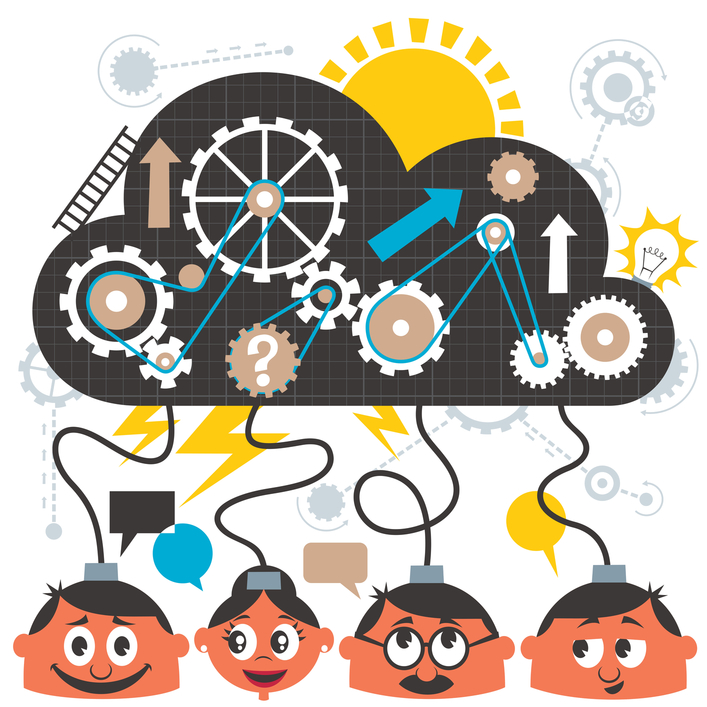
Diverse teams tend to produce more novel ideas because members draw on different life experiences, cultural backgrounds, and problem-solving approaches. Solutions that seem obvious to one person may never occur to someone from a similar background, and vice versa.
Exposure to unfamiliar viewpoints pushes people to think beyond conventional wisdom. This is how breakthrough innovations happen: someone brings an unconventional business model from one industry, or a disruptive technology concept gets refined through debate with people who see its applications differently.
- Constructive debate sharpens ideas. Design sprints and structured brainstorming benefit from genuine disagreement, not just agreement from different angles.
- Psychological safety is the key enabler here. When team members feel safe sharing unconventional ideas and taking creative risks, innovation flourishes. Organizations foster this through practices like innovation labs and hackathons, but the foundation is a culture where people aren't penalized for thinking differently.
Managing Diversity in Teams
Having a diverse team doesn't automatically produce better results. Without intentional management, diversity can actually increase conflict and miscommunication. Here are the core practices that make diversity work:
- Cultural competence: Team members need skills for effective cross-cultural communication. This means understanding that people from different backgrounds may have different norms around directness, hierarchy, and feedback.
- Unconscious bias training: Everyone carries biases they're not aware of. Training and awareness programs help team members recognize these biases so they don't distort hiring decisions, performance evaluations, or day-to-day interactions.
- Intersectionality: People hold multiple identities at once (race, gender, age, socioeconomic background, etc.), and these identities interact in ways that shape their experiences on the team. Effective managers recognize this complexity rather than treating diversity as a single dimension.
- Social identity theory: This concept from psychology explains how people naturally form in-groups and out-groups. Understanding this tendency helps managers anticipate intergroup tensions and build structures (shared goals, cross-group collaboration) that reduce them.
See Fiveable more often in Google
Mark Fiveable as a preferred source and Google is more likely to show you our guides in Top Stories, with a "preferred" badge in AI Mode and AI Overviews.