2.2 How the Brain Processes Information to Make Decisions: Reflective and Reactive Systems

👔Principles of Management Unit 2 Review
2.2 How the Brain Processes Information to Make Decisions: Reflective and Reactive Systems
👔 Principles of Management
Brain's Decision-Making Systems
Your brain doesn't make every decision the same way. It switches between two distinct systems depending on the situation: a slow, analytical reflective system and a fast, instinct-driven reactive system. Understanding how these systems work (and when each one takes over) is central to understanding why managers make the choices they do.
Reflective vs. Reactive Decision-Making
The reflective system is slow, deliberate, and conscious. It's what you use when you sit down to work through a complex problem step by step.
- Conducts rational analysis of available data and options
- Considers potential long-term consequences and implications
- Involves higher cognitive functions, primarily in the prefrontal cortex
- Utilizes executive function to plan, organize, and regulate behavior
Think of a manager evaluating whether to enter a new market. They'd gather sales data, analyze competitors, weigh costs against projected revenue, and consider long-term strategic fit. That's the reflective system at work.
The reactive system is fast, automatic, and largely unconscious. It evolved to handle situations where speed matters more than precision.
- Relies heavily on heuristics (mental shortcuts) and intuitive judgments
- Focuses on immediate rewards and short-term outcomes (e.g., impulse purchases)
- Driven by emotions, instincts, and learned associations
- Involves limbic system structures such as the amygdala, which processes fear responses
A manager who senses tension in a meeting and immediately shifts their tone to de-escalate is using the reactive system. There's no time for a spreadsheet; they're reading the room and responding instinctively.

Emotions in Decision Processes
Emotions aren't separate from decision-making; they're woven into it. They can override rational analysis, pushing you toward gut feelings instead of careful evaluation. A manager gripped by fear of failure, for instance, might reject a sound proposal simply because it feels risky.
More specifically, emotions can:
- Amplify the perceived benefits of short-term rewards (making a quick win look better than it is)
- Minimize the perceived risks and potential negative consequences of a choice
Positive emotions (excitement, optimism) tend to produce:
- Increased risk-taking behavior and bolder choices
- Greater creativity, openness to new ideas, and willingness to explore alternatives
- Enhanced problem-solving and cognitive flexibility
Negative emotions (anxiety, anger) tend to produce:
- Risk avoidance and preference for safer, more conservative options
- Narrowed focus and tunnel vision, reducing capacity for creative thinking
- Lower decision-making quality and accuracy overall
The takeaway isn't that positive emotions are "good" and negative ones are "bad." Overconfidence from excitement can lead to reckless decisions, and caution from anxiety can prevent costly mistakes. The key is recognizing which emotions are influencing you and whether they're helping or hurting the decision at hand.
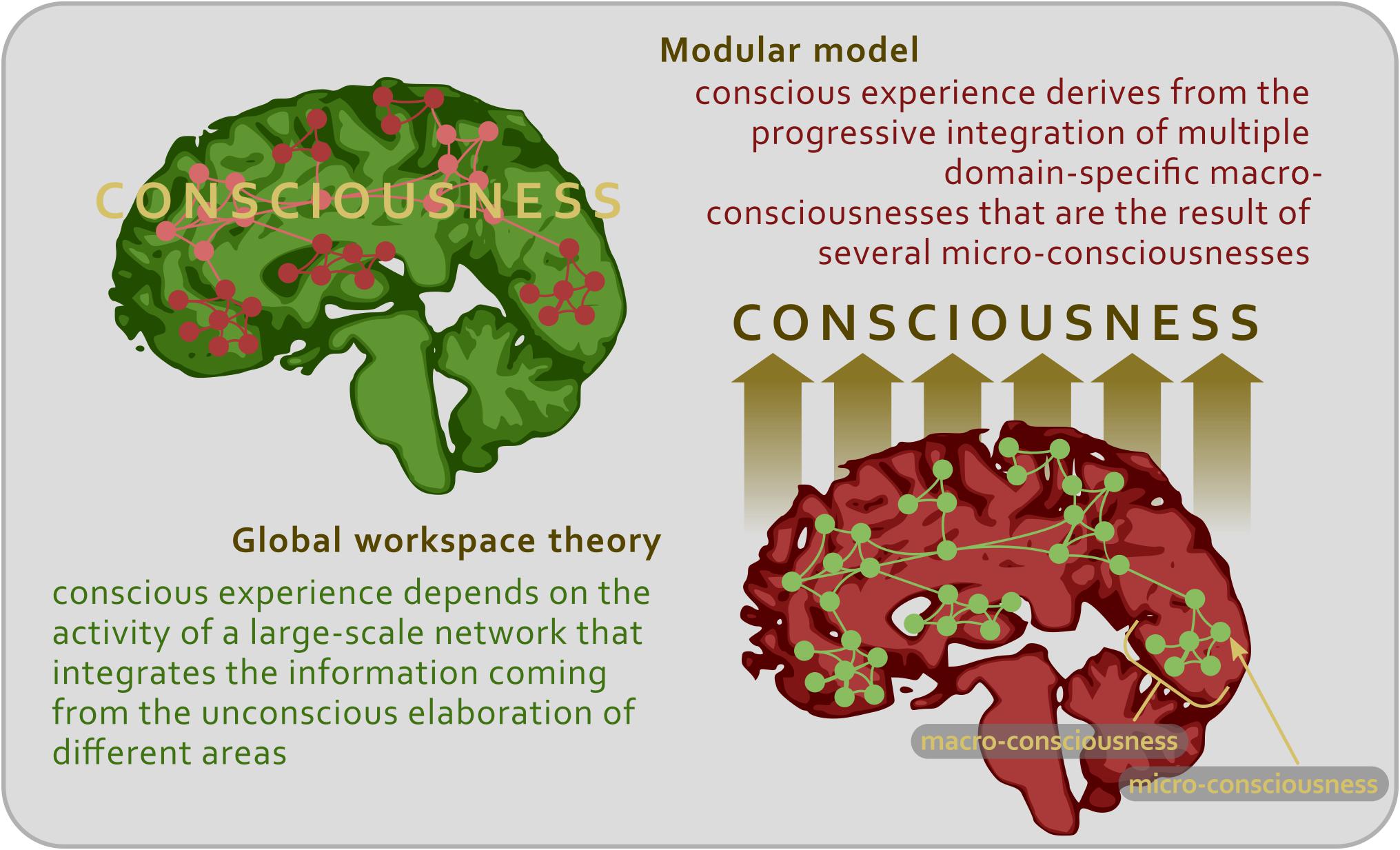
Dual-Process Theory and Cognitive Biases
The framework behind these two systems is called dual-process theory, which labels them System 1 and System 2:
- System 1: Fast, intuitive, automatic (maps to the reactive system)
- System 2: Slow, deliberate, analytical (maps to the reflective system)
Most of the time, System 1 runs the show. You rely on it for routine judgments without even noticing. The problem is that System 1 uses mental shortcuts that can produce cognitive biases, which are systematic errors in judgment. A few important ones:
- Confirmation bias: Seeking out information that supports what you already believe while ignoring contradictory evidence
- Anchoring: Relying too heavily on the first piece of information you encounter (e.g., an initial price quote shapes all later negotiations)
- Availability heuristic: Judging something as more likely because examples come to mind easily (a recent product failure makes you overestimate the risk of launching something new)
Two other concepts worth knowing:
- Neuroplasticity means the brain can adapt and change its decision-making patterns over time. With practice, you can train yourself to engage System 2 more often in situations where System 1 would normally take over.
- Decision fatigue occurs after making many decisions in a row. As your mental energy depletes, the quality of your choices drops, and you're more likely to default to System 1 shortcuts or simply avoid deciding altogether.
Managerial Applications
Managerial Use of Decision Approaches
Reflective decision-making is best suited for complex, high-stakes decisions with long-term implications, like strategic planning or major resource allocation.
- Use it when ample time, information, and resources are available
- It supports systematic problem-solving, cost-benefit analysis, and forecasting
Reactive decision-making can be effective in time-sensitive situations requiring quick action, like crisis management or handling an unexpected disruption.
- Works well in familiar or routine contexts where past experience is relevant
- Useful when limited information or cognitive resources are available
Neither system is universally better. The real skill is knowing when to use which. Managers should strive to balance both approaches by:
- Recognizing their own emotional biases and how those biases shape decisions
- Deliberately engaging the reflective system for important, high-impact choices
- Trusting instincts when appropriate, but not relying on them exclusively
- Seeking diverse perspectives to challenge assumptions and blind spots (e.g., inviting team input before finalizing a plan)
- Continuously learning from past decisions to refine future judgment
See Fiveable more often in Google
Mark Fiveable as a preferred source and Google is more likely to show you our guides in Top Stories, with a "preferred" badge in AI Mode and AI Overviews.