16.3 Factors Affecting Communications and the Roles of Managers

👔Principles of Management Unit 16 Review
16.3 Factors Affecting Communications and the Roles of Managers
👔 Principles of Management
Factors Affecting Organizational Communication
Communication inside an organization doesn't happen in a vacuum. It's shaped by who holds power, how status is distributed, and how skilled people are at actually talking to each other. Managers need to understand these dynamics because they directly affect whether information flows freely or gets stuck.
Top images from around the web for Power and status in communication
Types of Managers and Their Roles | Principles of Management View original
Is this image relevant?
Interpersonal skills - Praxis Framework View original
Is this image relevant?
Management Roles | Principles of Management View original
Is this image relevant?
Types of Managers and Their Roles | Principles of Management View original
Is this image relevant?
Interpersonal skills - Praxis Framework View original
Is this image relevant?
Power and Status in Communication
Power dynamics determine who speaks up and who stays quiet. People with more power tend to express opinions freely. A senior manager, for example, won't think twice about sharing a strategic vision in a meeting. But an entry-level employee sitting in that same meeting with executives may hesitate to voice concerns, even valid ones. This imbalance means managers can miss critical information if they don't actively invite input from lower-power individuals.
Status differences work similarly. Higher-status individuals (like a CEO addressing the whole company) tend to communicate more frequently and assertively. Lower-status individuals often defer, even when they have something valuable to contribute. Think of an intern presenting to a manager: they're more likely to soften their language, avoid disagreement, or hold back ideas entirely.
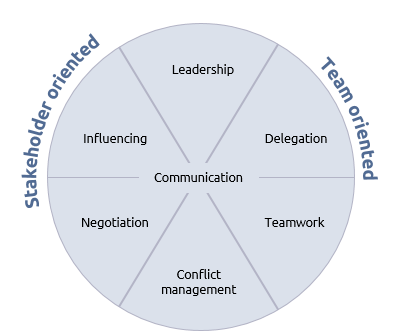
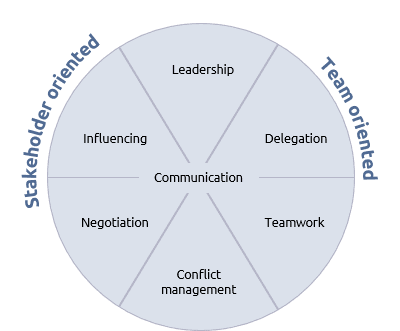
Interpersonal skills are what bridge these gaps:
- Active listening builds trust and shows people their input matters. A manager conducting a performance review who genuinely listens will get more honest feedback than one who just talks.
- Emotional intelligence helps you read nonverbal cues like body language, tone, and facial expressions, which often carry more meaning than the words themselves.
- Conflict resolution skills keep disagreements productive rather than destructive. Mediating a dispute between team members, for instance, requires understanding both sides before pushing toward a solution.

Communication Environment
Beyond individual skills, the broader environment shapes how communication works:
- Organizational culture sets the norms. Some cultures encourage open debate; others expect deference to authority. The culture determines what feels "safe" to say.
- Communication channels matter more than people realize. A complex policy change sent through a brief email will land differently than the same message delivered in a town hall meeting with Q&A.
- Feedback loops ensure messages are actually understood. Without them, a manager might assume everyone is on the same page when they're not.
- Cross-cultural communication requires adapting to different norms around directness, formality, and nonverbal behavior. What's considered respectful in one culture may seem evasive in another.
- Communication barriers like jargon, information overload, physical distance, or emotional tension can all block effective exchange. Recognizing these barriers is the first step to removing them.
Managerial Roles and Information Processing
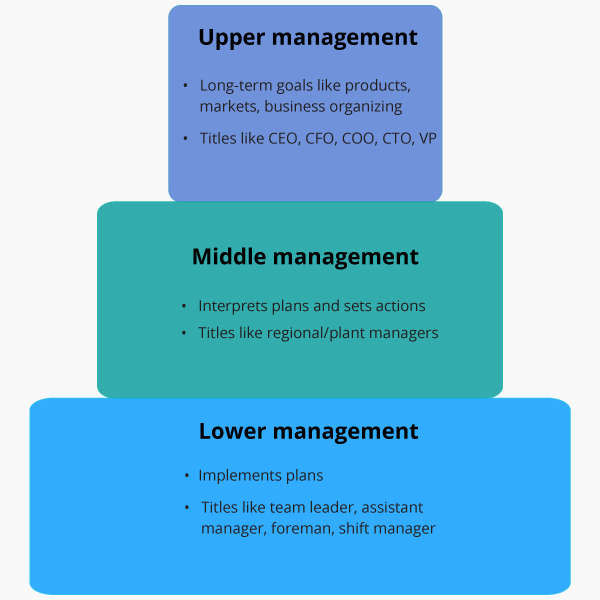
Managers don't just make decisions. They spend a huge portion of their time processing and routing information. Henry Mintzberg's classic framework breaks managerial roles into three categories, and each one involves communication in a different way.
Key Roles of Managers
Interpersonal roles are about relationships and representation:
- Figurehead: Representing the organization in symbolic or ceremonial duties, like attending a ribbon-cutting ceremony or welcoming new hires.
- Leader: Motivating, guiding, and evaluating employees. This includes setting performance goals, providing feedback, and shaping team culture.
- Liaison: Building and maintaining relationships outside the immediate team or organization, such as networking at an industry conference or coordinating with another department.
Informational roles put the manager at the center of information flow:
- Monitor: Scanning internal and external sources for useful data, like reviewing market research reports or tracking competitor moves.
- Disseminator: Passing relevant information along to the people who need it. Presenting quarterly results to the board is a classic example.
- Spokesperson: Communicating on behalf of the organization to outside audiences, such as giving an interview to a journalist or speaking at a public event.
Decisional roles turn information into action:
- Entrepreneur: Spotting opportunities and initiating projects to improve performance, like launching a new product line.
- Disturbance handler: Responding to unexpected problems and crises, such as managing a product recall.
- Resource allocator: Deciding how to distribute limited resources (budget, people, time) among competing priorities.
- Negotiator: Representing the organization in formal negotiations, like working out terms with a supplier.
Information Flow in Management
Managers process information in three stages. Each stage requires different skills.
1. Gathering information
- Monitor both internal operations and external environments for relevant data (tracking industry trends, competitor activities, employee sentiment).
- Practice active listening during meetings and conversations by asking questions and seeking clarification rather than just waiting to talk.
- Seek input from multiple sources: employees, customers, and other stakeholders through surveys, focus groups, or informal check-ins.
2. Processing information
- Analyze data to spot patterns, trends, and actionable insights. Data analytics tools can help uncover things like shifting customer preferences.
- Synthesize information from multiple sources. A good decision rarely comes from one data point; it comes from combining financial data with market research, employee feedback, and competitive analysis.
- Evaluate reliability and relevance. Not all information is equally trustworthy. Assess the credibility of sources and the quality of the data before acting on it.
3. Disseminating information
- Communicate key insights and decisions to the right people at the right time. A company-wide email update works for broad announcements, but sensitive changes may need face-to-face delivery.
- Tailor messages to the audience and channel. A video message for social media requires a different tone and format than a board presentation.
- Prioritize timeliness and accuracy, especially during a crisis, when people need real-time updates they can trust.
See Fiveable more often in Google
Mark Fiveable as a preferred source and Google is more likely to show you our guides in Top Stories, with a "preferred" badge in AI Mode and AI Overviews.