16.5 The Major Channels of Management Communication Are Talking, Listening, Reading, and Writing

👔Principles of Management Unit 16 Review
16.5 The Major Channels of Management Communication Are Talking, Listening, Reading, and Writing
👔 Principles of Management
Effective Management Communication
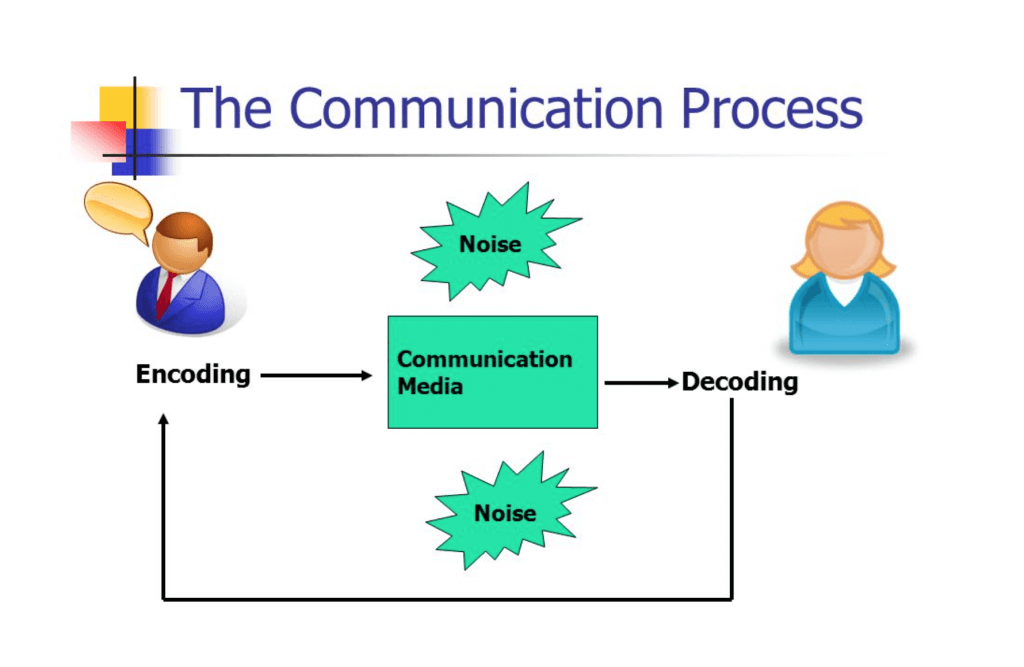
Talking, listening, reading, and writing are the four channels managers rely on every day to get work done through other people. Weakness in any one of these areas creates blind spots: instructions get misunderstood, employee concerns go unheard, critical reports go unread, or decisions never get properly documented. Understanding how each channel works, and when to use it, is central to effective management.

Top images from around the web for Components of management communication
Introduction to the Three-Part Writing Process | Business Communication Skills for Managers View original
Is this image relevant?
Communication for Business Professionals View original
Is this image relevant?
8.2 Key Components of Communication – Organizational Behavior View original
Is this image relevant?
Introduction to the Three-Part Writing Process | Business Communication Skills for Managers View original
Is this image relevant?
Communication for Business Professionals View original
Is this image relevant?
Components of Management Communication
Talking is the most immediate channel. Managers use it to give instructions, deliver feedback, and coordinate teamwork. It's also how trust gets built, since face-to-face (or voice-to-voice) interaction carries tone, emotion, and spontaneity that other channels can't match.
Listening is often undervalued, but it drives better decisions. When managers practice active listening, they fully concentrate on the speaker, ask clarifying questions, and reflect back what they've heard rather than just waiting for their turn to talk. This helps surface employee concerns, catch emerging problems early, and show genuine respect.
Reading keeps managers informed. Reports, industry publications, market research, financial statements, and internal memos all require a manager's attention. The ability to read critically, to separate useful data from noise, directly affects decision quality.
Writing creates a permanent record. Emails, memos, project plans, and performance evaluations all serve as documentation that can be referenced later. Writing also enables communication across time zones and locations, making it essential for distributed teams. Strong writing requires digital literacy as well, since managers now work across platforms like Slack, email, shared documents, and project management tools.
Types of Verbal Managerial Interactions
-
One-on-one conversations
- Performance reviews and feedback sessions where a manager discusses an employee's progress and areas for improvement
- Coaching and mentoring discussions that guide professional development
- Conflict resolution meetings to work through interpersonal or operational issues
-
Team meetings
- Project updates and progress reports that keep everyone aligned
- Brainstorming sessions designed to generate creative solutions
- Decision-making discussions where the group works through challenges together
-
Presentations
- Communicating company vision, mission, and strategic goals to larger audiences
- Pitching project proposals or sharing results with stakeholders such as investors or executives
- Delivering training sessions to build employee skills and knowledge
-
Informal interactions
- Casual hallway or break-room conversations that build rapport and trust
- Networking with colleagues and industry peers
- Impromptu problem-solving when an issue needs a quick response
The mix matters. Managers who rely too heavily on formal meetings miss the relationship-building that happens informally. Those who only communicate casually may struggle with accountability and follow-through.
Impact of Written Communication on Management
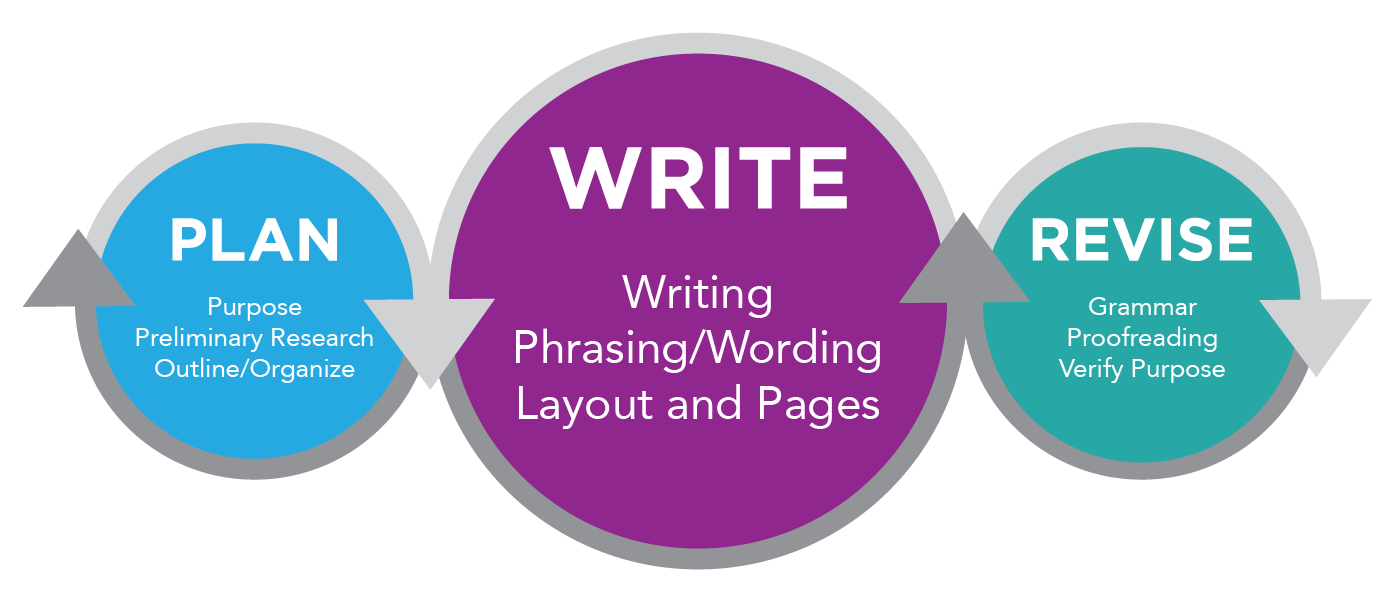
Clarity and conciseness reduce misunderstandings. When a manager writes with clear structure, using headings, bullet points, and direct language, recipients grasp expectations faster and waste less time asking for clarification. This also signals that the manager can organize thoughts effectively.
Professionalism shows in the details. Proper grammar, correct spelling, and clean formatting build credibility. Sloppy writing, even in a quick email, can undermine a manager's authority and reputation within the organization.
Documentation provides a paper trail. Written records of decisions, agreements, and action items make it possible to hold people accountable and track project progress. They also protect the organization if disputes arise later about what was agreed upon.
Career progression often depends on writing ability. Leadership roles require skills like drafting executive summaries, business plans, and strategic proposals. A manager who writes well stands out when competing for promotions, because their reports and presentations showcase both expertise and strategic thinking.
Enhancing Communication Effectiveness
Interpersonal communication skills form the foundation. Developing emotional intelligence, the ability to recognize and manage your own emotions while understanding others', helps managers respond appropriately in tense or sensitive situations. It also helps to recognize that team members have different communication preferences; some respond better to direct feedback, while others need more context and encouragement.
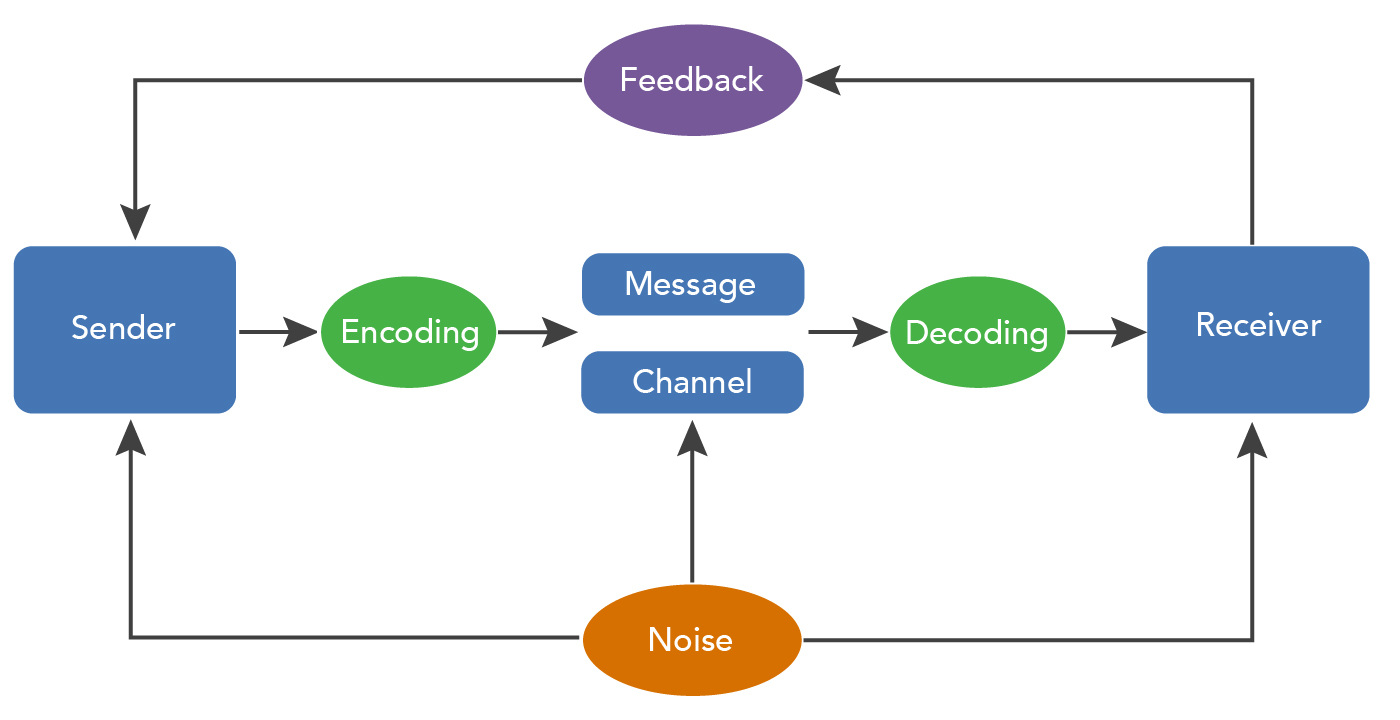
Feedback loops ensure communication flows in both directions. Regular check-ins, anonymous surveys, suggestion boxes, and open-door policies all give employees a structured way to share input. Without these loops, managers risk operating on assumptions rather than real information.
Organizational culture shapes how freely people communicate. When leadership models transparency and encourages honest dialogue, employees are more likely to speak up about problems before they escalate. Communication practices should align with the company's stated values; if the organization says it values openness but punishes bad news, trust erodes quickly.
Overcoming communication barriers requires identifying obstacles first, then acting on them. Common barriers include:
- Language differences in diverse or global teams
- Hierarchical structures that discourage upward communication
- Physical distance between offices or remote workers
- Information overload that causes important messages to get lost
Strategies like using plain language, flattening approval chains for routine communication, leveraging video calls for remote teams, and prioritizing messages by urgency can all help reduce these barriers.
See Fiveable more often in Google
Mark Fiveable as a preferred source and Google is more likely to show you our guides in Top Stories, with a "preferred" badge in AI Mode and AI Overviews.