15.4 Opportunities and Challenges to Team Building

👔Principles of Management Unit 15 Review
15.4 Opportunities and Challenges to Team Building
👔 Principles of Management
Team Building: Opportunities and Challenges
Team building shapes how groups move from a collection of individuals to a high-performing unit. The process creates real opportunities for innovation and stronger problem-solving, but it also surfaces conflict that teams need to handle well. How a team responds to that conflict determines whether it becomes a source of growth or a drain on productivity.
Benefits of Constructive Conflict
Not all conflict is bad. When disagreements stay focused on ideas rather than personalities, they actually make teams stronger. Here's how constructive conflict creates value:
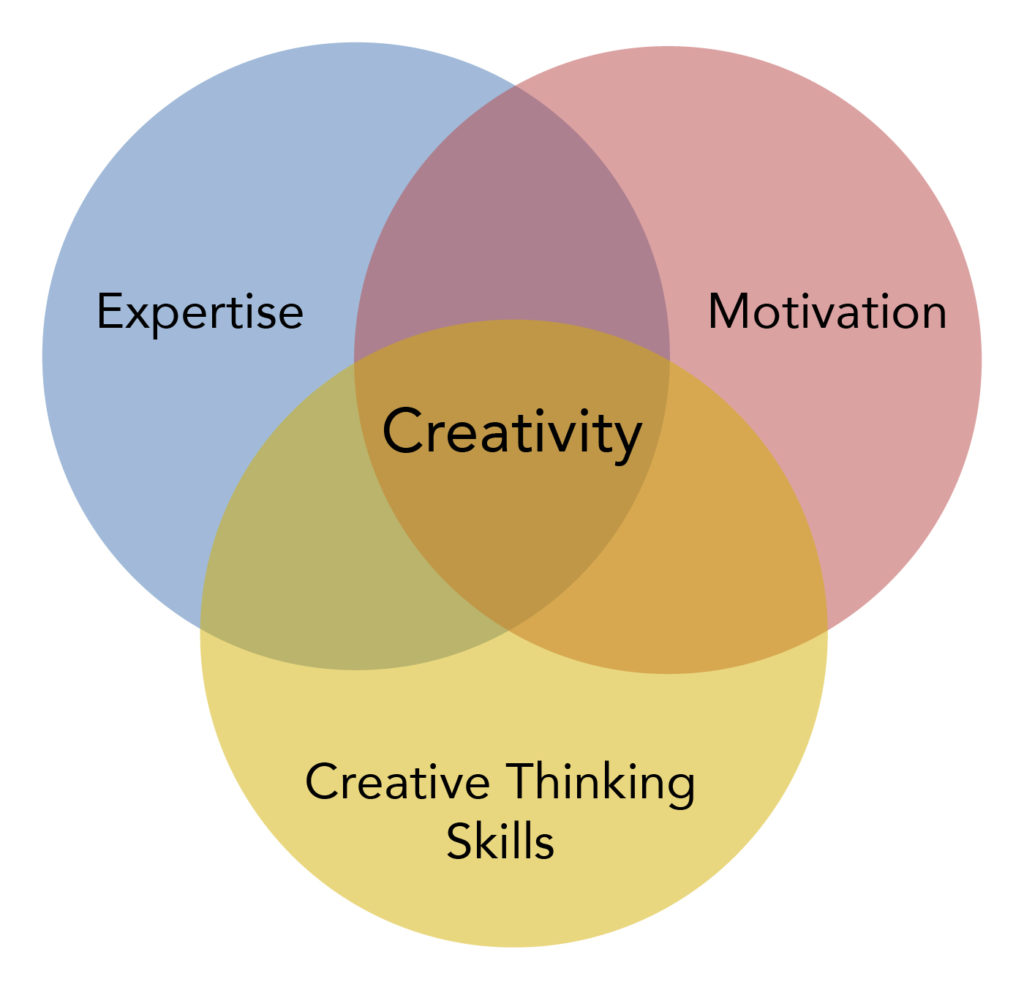
It drives creativity and better decisions. When team members bring different viewpoints to the table, they challenge each other's assumptions and prevent groupthink, the tendency for cohesive groups to converge on a single idea without critically evaluating alternatives. Techniques like assigning a devil's advocate role or running structured brainstorming sessions help teams tap into this benefit deliberately.
It builds a culture of open communication. Teams that handle disagreement well develop transparency over time. Members feel comfortable voicing concerns and pushing back on ideas during regular feedback sessions or problem-solving workshops. This kind of honest dialogue leads to deeper understanding of issues.
It strengthens problem-solving. Constructive conflict pushes teams toward critical thinking. Instead of settling on the first decent idea, teams consider multiple angles through tools like root cause analysis or decision matrices, producing more robust solutions.
It deepens trust and cohesion. When people see that they can disagree respectfully and still be valued, it creates psychological safety, the shared belief that the team is safe for interpersonal risk-taking. This is what allows members to share unconventional ideas without fear of ridicule.
It produces synergy, where the team's collective output exceeds what individual members could achieve separately.
Strategies for Conflict Resolution
When conflict does arise, teams need concrete approaches to resolve it productively. These strategies work best when practiced consistently, not just pulled out during a crisis.
-
Establish clear communication channels. Set up regular check-ins like weekly team meetings so issues surface early. Provide safe outlets for concerns, such as anonymous suggestion boxes, especially for sensitive topics.
-
Practice active listening. Pay attention to both verbal and non-verbal cues. Paraphrase what you've heard to confirm understanding, ask clarifying questions, and resist the urge to plan your response while someone else is talking. Empathy mapping, where you try to articulate what another person is thinking and feeling, can help here.
-
Focus on the issue, not the person. Keep the discussion centered on the problem rather than assigning blame. Using "I" statements (e.g., "I'm concerned about the timeline" instead of "You're always late with deliverables") helps separate emotions from facts and keeps things professional.
-
Identify common ground and shared goals. Remind the team of its collective mission and objectives. Interest-based negotiation focuses on underlying needs rather than fixed positions, making win-win solutions more likely.
-
Engage in collaborative problem-solving. Brainstorm solutions together using techniques like mind mapping, then evaluate options against objective criteria such as feasibility, cost, and alignment with team goals.
-
Seek mediation when necessary. If the team can't resolve a conflict internally, bring in a neutral third party. A professional mediator can apply structured techniques like principled negotiation to help both sides reach a mutually acceptable outcome.
-
Invest in team cohesion proactively. Team-building activities and shared experiences build the relational foundation that makes conflict resolution easier when disagreements eventually occur.

Constructive vs. Destructive Conflict Responses
The line between productive disagreement and harmful conflict often comes down to specific behaviors. Recognizing these patterns helps you steer interactions in the right direction.
Constructive responses:
- Keeping the discussion focused on the issue, not attacking the person (issue-based problem-solving)
- Listening to understand rather than to respond, and reflecting back what you hear (reflective listening)
- Regulating your emotions and maintaining a calm, professional tone, a core skill of emotional intelligence
- Working collaboratively toward solutions that benefit everyone (win-win negotiation)
- Ensuring all members feel heard and valued through interest-based negotiation
Destructive responses:
- Launching personal attacks or assigning blame, which shifts focus away from the problem (ad hominem arguments)
- Dismissing or ignoring others' opinions, which creates hostility and shuts down communication (stonewalling)
- Letting emotions escalate unchecked, leading to irrational decisions and broken trust (emotional hijacking)
- Prioritizing personal interests over team goals, treating the situation as if one person's gain requires another's loss (zero-sum thinking)
- Refusing to compromise or consider alternatives, which leads to deadlock (positional bargaining)
- Using passive-aggressive behavior like the silent treatment or subtle sabotage, which erodes morale over time
Team Dynamics and Collaboration
Effective teams recognize that their members are interdependent: each person's work affects everyone else's ability to succeed. This means collaboration isn't optional; it's built into how the team functions.
Diversity within a team, whether in skills, backgrounds, or thinking styles, is a genuine asset, but only if the team actively leverages those differences. That requires a collaborative environment where open communication and idea-sharing are the norm, not the exception.
Building that environment takes deliberate effort. Teams should develop strategies for managing group dynamics, including how to onboard new members, handle uneven participation, and address interpersonal friction before it escalates. The conflict resolution strategies covered above are a core part of this toolkit.
See Fiveable more often in Google
Mark Fiveable as a preferred source and Google is more likely to show you our guides in Top Stories, with a "preferred" badge in AI Mode and AI Overviews.