18.2 Developing Technology and Innovation

👔Principles of Management Unit 18 Review
18.2 Developing Technology and Innovation
👔 Principles of Management
18.1
MTI—Its Importance Now and In the Future
18.2
Developing Technology and Innovation
18.3
External Sources of Technology and Innovation
18.4
Internal Sources of Technology and Innovation
18.5
Management Entrepreneurship Skills for Technology and Innovation
18.6
Skills Needed for MTI
18.7
Managing Now for Future Technology and Innovation
Developing Technology and Innovation
Innovation drives business growth and competitiveness. Companies use a range of strategies to develop new technologies, from internal R&D to partnerships and acquisitions. A core challenge is balancing short-term improvements with long-term breakthroughs.
Effective innovation management means creating a culture that encourages creativity, allocating resources wisely, and tapping both internal and external sources of ideas. Agile and lean approaches help companies innovate efficiently and respond quickly to market changes.
Internal and External Innovation Processes
Organizations source innovation from inside and outside their walls. Internal processes give you more control, while external processes bring in fresh perspectives and speed. Most successful companies use a mix of both.
Internal processes focus on building innovation capabilities within the organization:
- R&D departments conduct structured research to develop new technologies and products. Industries like pharmaceuticals and consumer electronics depend heavily on dedicated R&D teams.
- Employee-driven innovation uses incentives, recognition programs, and dedicated ideation time to tap into workforce creativity. Google's famous "20% time" policy and 3M's "15% rule" both give employees room to pursue their own project ideas.
- Resource allocation for internal projects includes budget, personnel, and infrastructure. Without deliberate investment, innovation stalls.
- Culture of experimentation means treating failures as learning opportunities and encouraging bold ideas. Amazon's "Day 1" mentality pushes teams to act like a startup regardless of the company's size.
External processes bring outside knowledge and capabilities into the organization:
- University and research partnerships give companies access to cutting-edge knowledge and facilities. IBM, for example, maintains long-running partnerships with MIT and Stanford.
- Joint ventures combine complementary expertise from two or more companies. The Sony-Ericsson mobile phone venture pooled Sony's consumer electronics strength with Ericsson's telecom expertise.
- Technology licensing lets a company quickly acquire proven innovations without developing them from scratch. Microsoft has licensed touch screen technology rather than building it internally.
- Startup acquisitions provide access to new technologies, talent, and market opportunities all at once. Facebook's acquisitions of Instagram and WhatsApp are textbook examples.
- Technology transfer bridges the gap between academic research and commercial products, helping discoveries move from the lab to the market.
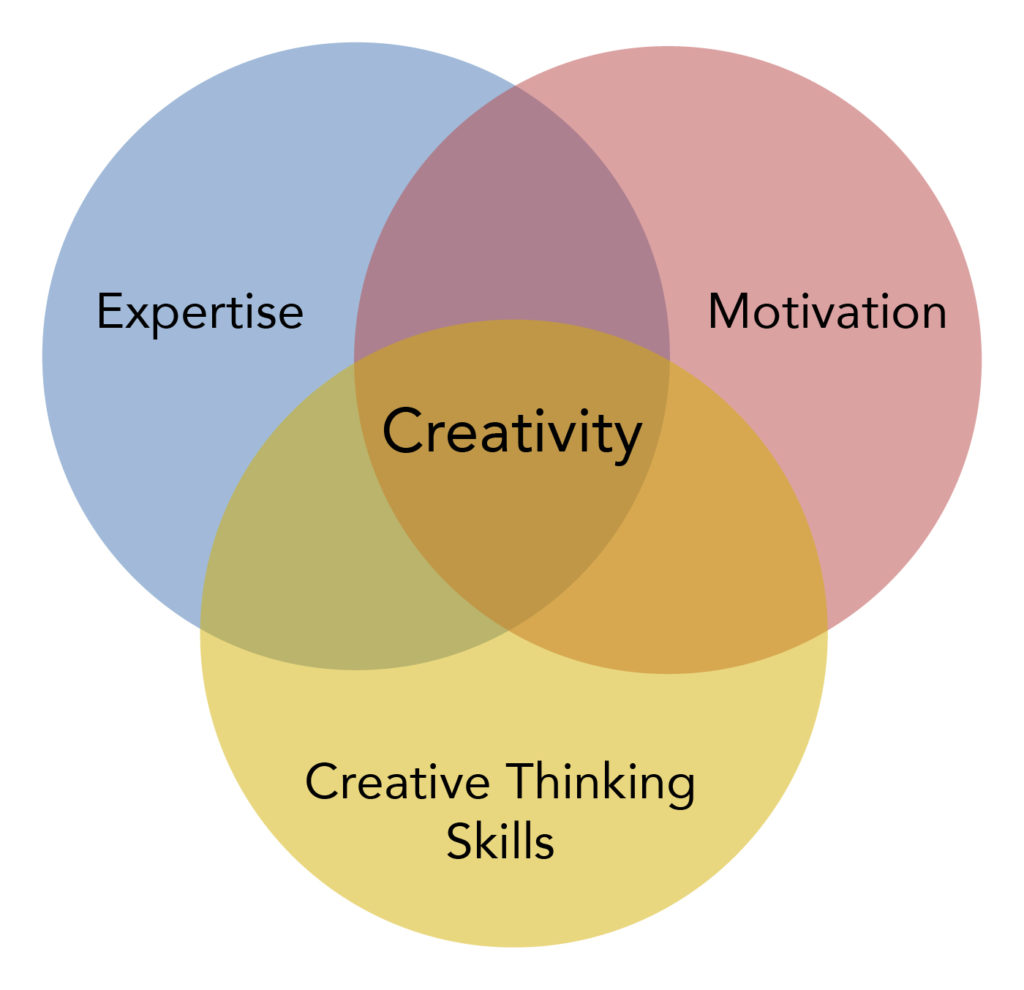
Strategies for Agility and Efficiency
These four strategic frameworks help companies innovate faster and more effectively. They aren't mutually exclusive; many organizations blend elements of several.
Ambidexterity is the ability to pursue incremental improvements and radical innovations at the same time.
- Companies balance exploitation (refining existing products for short-term gains) with exploration (developing entirely new offerings for long-term growth). Toyota illustrates this well: its Kaizen philosophy drives continuous small improvements, while the Prius represented a radical bet on hybrid technology.
- Apple does this by iterating on the iPhone year after year while simultaneously launching entirely new product categories like the Apple Watch.
- Organizations often create separate structures or teams for each type of innovation to prevent conflicts over resources and attention. IBM's Emerging Business Opportunities program housed breakthrough projects away from the core business.
Open Innovation treats organizational boundaries as permeable, letting ideas and resources flow in and out.
- Procter & Gamble's Connect + Develop program actively seeks external knowledge from universities, research institutes, and industry partners.
- Co-creation with customers generates ideas grounded in real user needs. LEGO's Ideas platform lets fans submit and vote on product designs that LEGO then manufactures.
- Crowdsourcing taps collective intelligence at scale. Netflix offered a million prize to anyone who could improve its recommendation algorithm, and the winning solution came from an outside team.
- Cisco's Innovation Centers and Entrepreneurs in Residence program show how companies can institutionalize open innovation rather than treating it as a one-off.
Lean Innovation applies lean manufacturing principles to the innovation process itself.
- The core idea is minimizing waste and maximizing value at every stage. GE's FastWorks methodology adapted lean startup thinking for a large corporation.
- Rapid experimentation and iteration help teams validate assumptions before committing major resources. Intuit's "Design for Delight" approach builds quick prototypes and tests them with real users.
- Continuous customer feedback shapes development in real time. Dropbox relied heavily on beta testing and user research to refine its product.
- The emphasis is on learning and adaptability over rigid planning. Spotify's squad-based development model gives small teams autonomy to experiment and pivot.
Agile Innovation borrows from software development methodologies to make innovation projects more flexible and responsive.
- Agile methodologies like Scrum and Kanban break work into short cycles called sprints. Salesforce uses agile across its cloud-based CRM development.
- Cross-functional, self-organizing teams bring together people from different departments. Amazon's "two-pizza teams" (small enough to feed with two pizzas) keep groups nimble and accountable.
- Short iterative cycles deliver working results quickly and gather feedback early. Google's rapid release cycles for Chrome updates exemplify this approach.
- Embracing change is built into the process. Tesla's over-the-air software updates let the company improve its vehicles continuously after they've already been sold.

Methods for Technological Creation
There are four main methods companies use to create or acquire new technology. Each has distinct trade-offs in cost, control, speed, and risk.
In-House Development
Build it yourself within the organization.
- Advantages:
- Greater control over the process, allowing customization aligned with organizational goals. Apple's tight integration of hardware and software design is a prime example.
- Ability to leverage existing proprietary knowledge and experienced personnel. Intel develops its chips in-house to maintain its technological edge.
- Potential to create unique, proprietary technologies that differentiate you from competitors. Google's search algorithm and AdWords platform were built entirely internally.
- Disadvantages:
- Higher costs and resource demands. Microsoft spends roughly billion annually on R&D.
- Limited exposure to external ideas, which can lead to insular thinking. Kodak had deep internal expertise in film but failed to embrace digital photography.
- Risk of internal resistance or inertia, especially in large organizations with entrenched cultures. Blockbuster's inability to adapt to streaming is a cautionary tale.
Partnerships and Collaborations
Team up with other organizations to share the work.
- Advantages:
- Access to complementary skills and resources that fill gaps in your own capabilities. Coca-Cola partners with smaller beverage brands to expand its portfolio.
- Shared risks and costs reduce the burden on any single organization. Pharmaceutical companies frequently collaborate on expensive drug development.
- Potential for synergistic outcomes, as partners bring diverse perspectives. The Renault-Nissan alliance pooled resources for electric vehicle development.
- Disadvantages:
- Aligning goals across organizations is difficult, especially when partners have different priorities or cultures. The Daimler-Chrysler merger struggled with deep cultural clashes.
- Conflicts over intellectual property rights can arise. Apple and Samsung's lengthy patent disputes illustrate this risk.
- Knowledge leakage may erode competitive advantage if a partner becomes a rival or misuses shared information. Amazon has faced tensions with suppliers who felt the company exploited their sales data.
Mergers and Acquisitions
Buy another company to gain its technology, talent, or market position.
- Advantages:
- Rapid access to new technologies and capabilities. Disney acquired Pixar to gain world-class animation expertise almost overnight.
- Immediate market impact, since the acquired company's customers and revenue come with the deal. Facebook's Instagram acquisition brought a massive user base.
- Economies of scale and scope from combining operations. The Exxon-Mobil merger created the world's largest oil company with significant cost synergies.
- Disadvantages:
- High upfront costs and financial risk. AOL's billion acquisition of Time Warner is widely considered one of the worst deals in corporate history.
- Cultural integration is notoriously difficult. HP struggled for years after acquiring Compaq due to clashing organizational cultures.
- Employee resistance and turnover often follow, especially if the acquisition feels like a hostile takeover. Daimler employees resented the Chrysler deal despite it being marketed as a "merger of equals."
Open Innovation and Crowdsourcing
Source ideas and solutions from outside the organization's boundaries.
- Advantages:
- Access to a wide range of ideas and expertise, increasing the chance of breakthrough innovations. LEGO's Mindstorms robotics kits originated partly from external community input.
- Potentially lower costs and faster time-to-market, since external contributors share the development burden. GE's Fuse platform crowdsources product design ideas.
- Customer engagement and co-creation build loyalty and help ensure market fit. Starbucks' "My Starbucks Idea" platform collected thousands of customer suggestions, some of which became real products.
- Disadvantages:
- Managing and evaluating large volumes of ideas is resource-intensive. Dell's IdeaStorm website received over 28,000 submissions, creating a significant filtering challenge.
- Intellectual property risks arise when external contributors claim ownership or allege infringement. Quirky, a crowdsourced invention company, went bankrupt partly due to lawsuits over inventor compensation.
- Loss of control over the innovation process, since external contributors may have different quality standards or goals. NASA encountered this challenge with crowdsourced Mars habitat designs.
Innovation Management and Planning
Beyond choosing how to innovate, companies need systems to manage innovation over time. These planning tools keep efforts focused and productive.
- A technology roadmap aligns innovation efforts with long-term business goals and market trends. It maps out which technologies to develop, when, and how they connect to strategic priorities.
- An innovation pipeline manages and prioritizes ideas from initial conception through commercialization. Think of it as a funnel: many ideas enter, but only the most viable ones make it to market.
- Technology scouting systematically identifies emerging technologies and potential partners or acquisition targets before competitors do.
- An innovation ecosystem connects internal teams with external stakeholders (suppliers, universities, startups, customers) to support continuous innovation across organizational boundaries.
- Studying the diffusion of innovation helps companies understand how new technologies get adopted and spread within markets. This knowledge shapes launch timing, pricing, and marketing strategies.
See Fiveable more often in Google
Mark Fiveable as a preferred source and Google is more likely to show you our guides in Top Stories, with a "preferred" badge in AI Mode and AI Overviews.