16.1 The Process of Managerial Communication

👔Principles of Management Unit 16 Review
16.1 The Process of Managerial Communication
👔 Principles of Management
The Process of Managerial Communication
Communication is the core mechanism through which managers plan, organize, lead, and control. When communication breaks down, everything else in the organization suffers. This section covers how the communication process actually works, what gets in the way, and what strategies managers use to communicate more effectively.
The Process of Managerial Communication
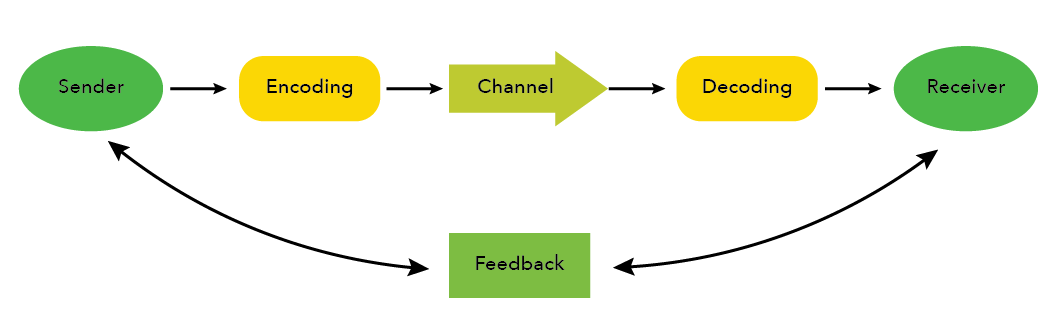
Process of Communication
The communication process follows a loop. A sender creates a message, transmits it, and a receiver interprets it and responds. Each step introduces the possibility of the message getting distorted, which is why understanding the full process matters.
Step 1: The sender encodes a message. The sender converts thoughts and ideas into a transmittable format, whether that's spoken words, written text, or nonverbal cues like gestures. Encoding includes choosing the right language, tone, and style to convey the intended meaning. A manager drafting a performance review, for example, is encoding.
Step 2: The message travels through a channel. The sender selects a medium to deliver the message. Different channels have different strengths:
- Face-to-face conversations allow immediate feedback and nonverbal cues (facial expressions, body language)
- Email works well for asynchronous communication and creates a written record
- Phone calls provide vocal tone and real-time interaction but lack visual cues
Step 3: The receiver decodes the message. The receiver interprets the message and assigns meaning to it. This interpretation is shaped by the receiver's own experiences, knowledge, and current context. Two people can decode the same message very differently.
Step 4: The receiver provides feedback. Feedback closes the loop. It signals whether the message was understood as intended. Feedback can be verbal (asking a clarifying question) or nonverbal (nodding, a confused expression). Without feedback, the sender has no way to know if communication actually succeeded.
Factors that influence encoding and decoding:
- Language and cultural differences (idioms, slang, or cultural references that don't translate)
- Personal experiences and biases that shape how someone interprets a message
- Emotional states that color the tone and meaning a person reads into a message
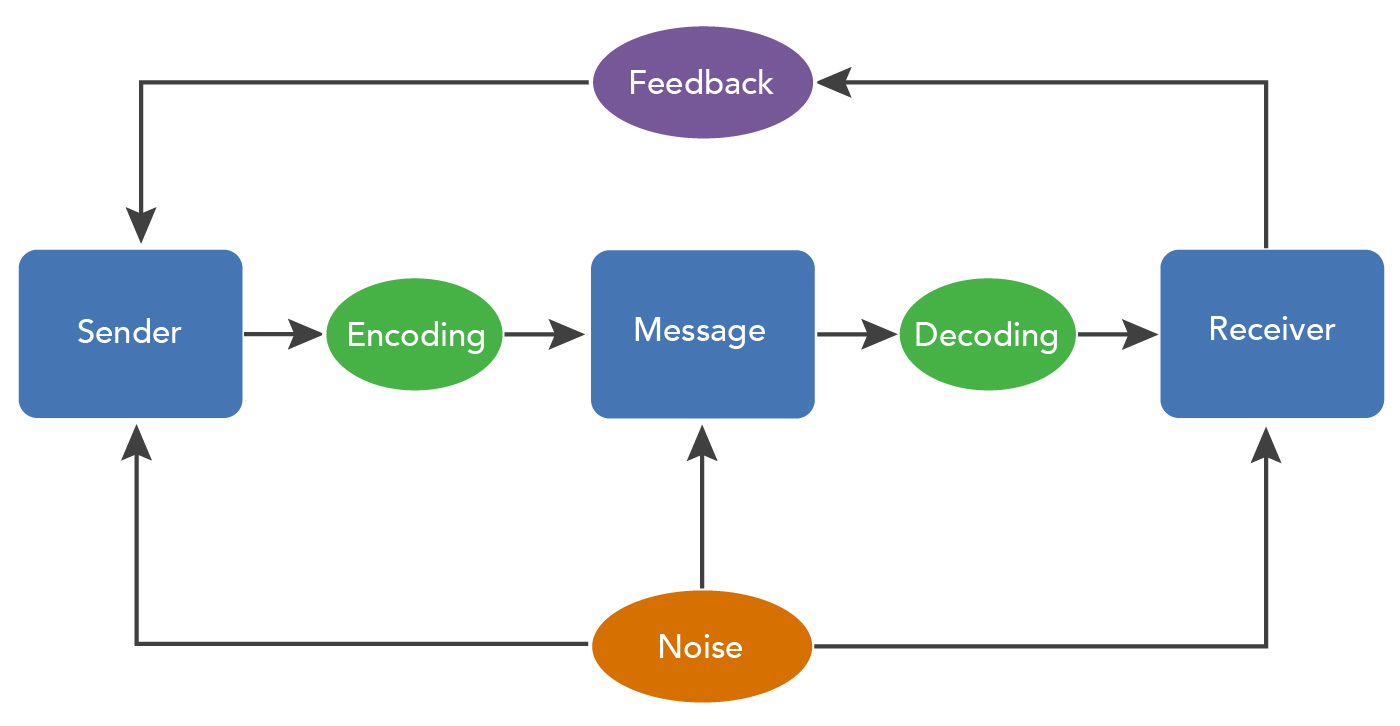
Barriers to Organizational Communication
Even when managers follow the process carefully, barriers can disrupt communication at any stage. Recognizing these barriers is the first step to overcoming them.
- Physical barriers: Geographic distance limits face-to-face interaction. Noisy or distracting environments, like open office layouts, interrupt the flow of conversation.
- Language and cultural barriers: Differences in language proficiency or heavy use of jargon lead to misunderstandings. Cultural norms also shape interpretation. For instance, some cultures value direct communication while others consider it rude.
- Emotional barriers: A lack of trust between sender and receiver makes open communication difficult. Personal biases, prejudices, or stereotypes can distort how someone perceives a message before they even fully process it.
- Information overload: When receivers are flooded with too much information (lengthy reports, dozens of email threads), they struggle to identify what actually matters. Key points get buried.
- Technology-related barriers: Technical problems like a poor internet connection can disrupt digital communication. Unfamiliarity or discomfort with a platform can also prevent people from using it effectively.
- Semantic barriers: Even when people speak the same language, words can carry different meanings depending on context. Ambiguous phrasing or overly technical terminology creates confusion about what was actually meant.
Strategies for Managerial Communication
These are practical approaches managers use to reduce barriers and communicate more effectively.
-
Active listening
- Give the speaker your full attention rather than planning your response while they talk
- Ask clarifying questions and paraphrase what you heard to confirm understanding
- Show empathy, which builds trust and encourages the other person to share openly
-
Clear and concise messaging
- Use simple, direct language so the message is easy to understand
- Avoid jargon or technical terms unless the audience is familiar with them
- Organize information logically so the receiver can follow your reasoning
-
Choosing appropriate communication channels
- Match the channel to the situation. Use email for detailed instructions that need a paper trail. Use face-to-face meetings for sensitive topics like performance issues or conflict resolution.
- Consider urgency, complexity, and the receiver's preferences when selecting a channel.
-
Encouraging open and honest feedback
- Create a safe environment where team members feel comfortable raising concerns or sharing ideas without fear of punishment
- Regularly ask for input and suggestions, which promotes both inclusivity and better decision-making
-
Adapting communication style to the audience
- Tailor your message to the receiver's needs, preferences, and cultural background
- Use examples, analogies, or visuals to make complex ideas more concrete and memorable
-
Addressing conflicts and misunderstandings promptly
- Acknowledge communication breakdowns early before they escalate into larger problems
- Engage in respectful dialogue focused on resolving the issue, not assigning blame
- Aim for mutually beneficial solutions that preserve working relationships
Types of Managerial Communication
Managers communicate in several distinct contexts, and each requires a slightly different approach.
- Interpersonal communication refers to one-on-one interactions between a manager and an employee. These conversations build relationships, address individual concerns, and provide personalized feedback. Think of a manager meeting with a direct report to discuss career goals.
- Organizational communication covers the formal and informal flow of information across the company. This includes policies, procedures, memos, and company-wide announcements. It flows downward (from leadership to employees), upward (from employees to leadership), and laterally (between peers or departments).
- Cross-cultural communication involves interactions between people from different cultural backgrounds. It requires awareness of and sensitivity to different norms around things like eye contact, directness, and hierarchy.
- Developing communication competence is the ongoing process of improving your ability to communicate effectively across all of these contexts. It's not a skill you master once; it develops over time through practice, feedback, and self-awareness.
See Fiveable more often in Google
Mark Fiveable as a preferred source and Google is more likely to show you our guides in Top Stories, with a "preferred" badge in AI Mode and AI Overviews.