11.5 Building an Organization for the Future

👔Principles of Management Unit 11 Review
11.5 Building an Organization for the Future
👔 Principles of Management
Talent Acquisition and Leadership Recruitment
Talent acquisition is a strategic, long-term approach to securing skilled workers that aligns with an organization's goals. Unlike short-term recruitment (filling an open position as fast as possible), talent acquisition focuses on anticipating future workforce needs and building a pipeline of candidates over time. This distinction matters because organizations that plan ahead consistently outperform those that scramble to hire reactively.

Top images from around the web for Competitive advantage through talent acquisition
Reading: Strategic Opportunity Matrix – Introduction to Marketing I (MKTG 1010) View original
Is this image relevant?
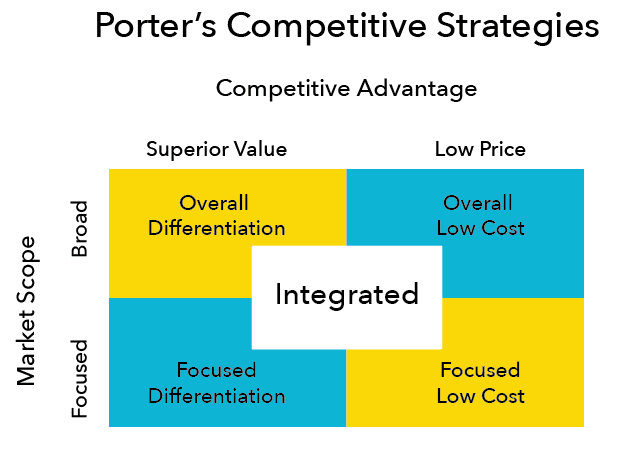
Stages and Types of Strategy | Principles of Management View original
Is this image relevant?
Using Insights to Tame the Strategic Planning Beast View original
Is this image relevant?
Reading: Strategic Opportunity Matrix – Introduction to Marketing I (MKTG 1010) View original
Is this image relevant?
Stages and Types of Strategy | Principles of Management View original
Is this image relevant?
Competitive Advantage Through Talent Acquisition
Talent acquisition creates competitive advantage in several concrete ways:
- Proactive workforce planning rather than reactive hiring. For example, a company planning to expand into Asian markets would begin recruiting bilingual managers and regional specialists well before the launch date.
- Employer branding that attracts top candidates. This means building a reputation through competitive compensation, visible career development paths, and a strong organizational culture. Think of how companies like Google or Patagonia attract applicants partly on brand alone.
- Better hiring metrics. Strategic talent acquisition reduces time-to-fill (how long a position stays open) and cost-per-hire (total recruiting spend divided by number of hires). Both save money and keep teams productive.
- Higher retention and engagement. When hiring is aligned with both skill requirements and cultural fit, employees tend to stay longer and perform better. This reduces the expensive cycle of turnover and retraining.
- Organizational agility. A well-built talent pipeline lets the organization adapt quickly when market conditions shift or new competitors emerge.

Steps in Leadership Recruitment
Recruiting leaders follows a more deliberate process than standard hiring because the stakes are higher. A bad executive hire can cost an organization millions in lost productivity and strategic missteps.
- Anticipate leadership needs. Review organizational strategy (growth plans, new markets) and succession planning (upcoming retirements, leadership gaps). Identify which roles are critical and what competencies those roles demand, such as change management or digital fluency.
- Develop an employee value proposition (EVP). This is your pitch to top leadership talent. It should highlight what makes your organization unique: stock options, an innovation-driven culture, the chance to lead transformational projects. The EVP needs to be specific and honest, not generic.
- Source candidates through multiple channels. Use a mix of internal sources (leadership development programs, high-potential employee lists) and external ones (executive search firms, professional associations). Employee referrals are particularly valuable at this level because leaders tend to know other strong leaders.
- Assess candidates rigorously. Combine behavioral interviews ("Describe a time you led a team through a major change"), situational questions ("How would you handle a division that's underperforming?"), cognitive ability tests, and reference checks. Evaluate across three dimensions: technical skills (e.g., financial acumen), leadership competencies (e.g., emotional intelligence), and cultural fit.
- Select the best candidate based on a holistic evaluation of qualifications, leadership potential, and alignment with organizational direction.
- Extend a competitive offer that includes base salary, benefits, and any additional incentives like relocation assistance or signing bonuses.
- Onboard and integrate the new leader. A structured orientation covering company history, strategy, and culture is just the starting point. Schedule stakeholder meetings so the new leader builds relationships quickly, and provide resources like executive coaching during the transition period.

Best Practices for Executive Selection
Several practices separate effective executive hiring from guesswork:
- Define clear role criteria upfront. Specify required skills (strategic thinking, financial literacy), experience (global exposure, industry tenure), and leadership competencies (ability to influence without authority). Vague job descriptions lead to vague hiring decisions.
- Use structured interviews consistently. Structured interviews ask every candidate the same core questions, which makes comparison fairer and more reliable. Mix behavioral questions ("Tell me about a time you managed a cross-functional initiative") with situational ones ("How would you prioritize competing demands from two business units?").
- Administer validated assessments. These measure cognitive abilities (problem-solving), personality traits (adaptability), and leadership potential (learning agility). Compare results against benchmarks for successful leaders in similar roles to add objectivity to the process.
- Conduct thorough reference checks. Go beyond a single former boss. Seek input from supervisors, peers, and direct reports to get a 360-degree view of the candidate's leadership style, collaboration skills, and people management track record.
- Involve multiple stakeholders. Include HR (for compliance and process), the hiring manager (for job fit), and senior leaders (for strategic alignment). A consensus-based approach, where stakeholders discuss and compare evaluations, reduces individual bias.
- Evaluate cultural fit and diversity together. Assess whether the candidate aligns with organizational values while also considering whether they bring diverse perspectives. Look specifically for evidence of inclusive leadership, such as a track record of building and empowering diverse teams.
- Provide feedback to all candidates. Whether selected or not, candidates should hear back promptly and constructively. This protects your employer brand and keeps strong runners-up in your talent pipeline for future roles.
Building an Organization for the Future
Hiring the right people is only part of the equation. Organizations also need to create conditions where those people can drive long-term success.
- Foster a culture of innovation. Encourage creativity and calculated risk-taking. This means tolerating some failure as a natural byproduct of experimentation, not just talking about innovation in mission statements.
- Pursue digital transformation. Modernize processes, adopt new technologies, and build digital capabilities across the workforce. Organizations that lag on digital adoption lose ground to more agile competitors.
- Promote continuous learning. Provide development opportunities at every level, from entry-level training to executive education. The skills that matter today may not be the skills that matter in five years, so a learning culture keeps the workforce adaptable.
- Integrate sustainability into operations. Sustainable business practices are increasingly tied to long-term competitiveness, not just corporate responsibility. Embedding sustainability into core decision-making helps attract talent, satisfy stakeholders, and reduce risk.
See Fiveable more often in Google
Mark Fiveable as a preferred source and Google is more likely to show you our guides in Top Stories, with a "preferred" badge in AI Mode and AI Overviews.