9.2 Social Media Marketing

📣Intro to Marketing Unit 9 Review
9.2 Social Media Marketing
📣 Intro to Marketing
Social Media's Importance in Marketing
Social media marketing is how brands build relationships with consumers at scale. It gives businesses a cost-effective way to reach targeted audiences, generate leads, and drive sales while enabling the kind of two-way communication that builds real customer loyalty.

Top images from around the web for Critical Component of Modern Marketing Strategies
Putting It Together: Marketing Function | Principles of Marketing View original
Is this image relevant?
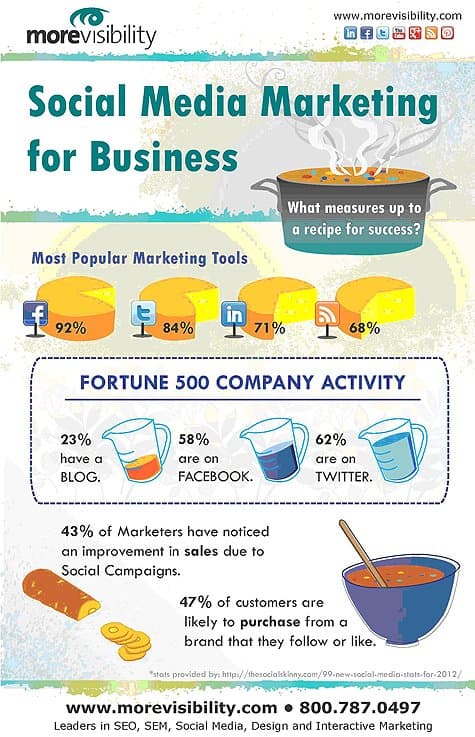
Social Media Marketing para empresas. Infografía ~ Curioseando View original
Is this image relevant?
4 pasos para una estrategia en Social Media. Infografía | Curioseando View original
Is this image relevant?
Putting It Together: Marketing Function | Principles of Marketing View original
Is this image relevant?
Social Media Marketing para empresas. Infografía ~ Curioseando View original
Is this image relevant?
A Critical Component of Modern Marketing Strategies
Social media isn't just another advertising channel. It lets brands have actual conversations with customers, respond to feedback, and build communities around their products. Traditional advertising talks at people; social media talks with them.
- Reaches large, targeted audiences at a fraction of the cost of traditional media
- Builds brand awareness through organic sharing and word-of-mouth
- Generates leads and drives sales through both organic content and paid ads
- Facilitates two-way communication that strengthens customer relationships
Influence on Consumer Behavior
Consumers spend significant time on social media, especially on mobile devices, which makes these platforms essential touchpoints in the customer journey. Social media influences every stage:
- Awareness: A user sees a friend share a product or encounters a sponsored post
- Consideration: They check the brand's profile, read reviews, and watch demo videos
- Purchase: They click a link, use a discount code, or buy directly through in-app shopping features
Because social media touches all three stages, ignoring it means missing customers at multiple decision points.
Tailoring Social Media Strategies
Defining Your Target Audience
A well-defined target audience shapes everything: what content you create, which platforms you prioritize, and how you engage. Without this foundation, you're posting into the void.
Buyer personas are fictional profiles that represent your ideal customers. To build one, you need to understand your audience's:
- Demographics: age, gender, location, income level
- Interests: hobbies, favorite brands, lifestyle preferences
- Pain points: problems your product or service solves for them
- Social media behavior: which platforms they use, when they're active, what content they engage with
Once you know your audience, you can identify the most relevant platforms and tailor content to each one. A fashion brand targeting Gen Z will invest heavily in TikTok and Instagram, while a B2B software company will focus on LinkedIn.

Developing a Content Strategy
Your content strategy should align with what your target audience actually wants to see. Posting random promotions won't build a following. Instead, aim for a deliberate mix of content types:
- Educational: how-to guides, industry insights, tips and tutorials
- Entertaining: memes, behind-the-scenes looks, relatable content
- Promotional: product features, special offers, launches
A consistent brand voice and visual identity across platforms builds recognition and trust. If your Instagram looks polished but your Twitter sounds completely different, it creates confusion.
Paid social media advertising adds precision to your strategy. You can target users based on:
- Demographics (age, gender, location)
- Interests (hobbies, favorite brands)
- Behaviors (purchase history, device usage)
This means you're spending ad dollars on people most likely to convert, not broadcasting to everyone.
Measuring Social Media Campaign Success
Setting Goals and Key Performance Indicators (KPIs)
Every campaign needs clear, measurable goals. Otherwise, you can't tell what's working. Common KPIs for social media marketing include:
- Engagement rate: likes, comments, shares relative to your audience size
- Reach and impressions: how many people saw your content (reach = unique viewers; impressions = total views, including repeats)
- Click-through rate (CTR): percentage of people who clicked a link in your post or ad
- Conversions: specific actions you want users to take, like signing up for a newsletter or making a purchase
- Return on investment (ROI): revenue generated compared to what you spent
The KPIs you track should connect directly to your campaign goals. A brand awareness campaign focuses on reach and impressions; a sales campaign focuses on conversions and ROI.
Utilizing Analytics Tools
Most platforms have built-in analytics (Facebook Insights, Twitter/X Analytics, Instagram Insights) that show you audience demographics, content performance, and engagement metrics.
Third-party tools like Hootsuite and Sprout Social let you track data across multiple platforms in one dashboard. They can also monitor competitor activity and industry trends, giving you a broader view of your performance.
To get the most from your data:
- Monitor metrics regularly, not just at the end of a campaign
- Identify your top-performing content and figure out why it worked
- Adapt your strategy based on what the data tells you about your audience
- Run A/B tests by comparing different versions of a post (different headlines, visuals, or calls-to-action) to see which drives more engagement or conversions

Measuring Return on Investment (ROI)
ROI tells you whether your social media efforts are actually paying off financially.
- Track the revenue generated from social media campaigns (using tracking links, promo codes, or platform conversion tools)
- Add up the costs of creating and promoting that content (ad spend, design costs, tools, labor)
- Compare the two: if revenue exceeds costs, you have a positive ROI
This calculation helps justify social media budgets and guides decisions about where to invest more.
Marketing on Major Social Platforms
Facebook remains the largest social media platform, making it strong for brand awareness and community building. Its advertising tools are especially powerful: Custom Audiences let you target people who've already interacted with your brand, while Lookalike Audiences find new users who resemble your existing customers. Facebook Groups can foster community around your brand and encourage user-generated content.
Instagram is a visual-first platform built around high-quality images and videos. It's well-suited for product showcases, brand storytelling, and influencer marketing, where brands partner with creators who have established trust with their followers. Instagram Stories (temporary 24-hour posts) and Reels (short-form video) are key tools for behind-the-scenes content and real-time engagement.
Twitter/X and LinkedIn
Twitter/X is a fast-paced, text-based platform built for real-time conversation. Its character limit pushes you toward concise, attention-grabbing posts. Hashtags increase visibility, and the platform works well for customer service, news sharing, and joining trending conversations.
LinkedIn is the go-to platform for B2B marketing, thought leadership, and professional networking. Content here should be industry-specific and value-driven. LinkedIn Groups allow targeted engagement within professional niches, and the platform is particularly effective for establishing authority and recruiting.
YouTube and TikTok
YouTube is the leading long-form video platform, ideal for educational content, product demonstrations, and brand storytelling. Optimizing video titles, descriptions, and tags with relevant keywords improves discoverability, both on YouTube itself and in Google search results.
TikTok is a short-form video platform that skews toward younger audiences (Gen Z and younger Millennials). Content here thrives on creativity, authenticity, and trend participation. Brands can leverage popular music, hashtags, and challenges to tap into viral trends and reach new audiences quickly. The algorithm is especially good at surfacing content to users who don't already follow you, which makes organic reach on TikTok higher than on most other platforms.
See Fiveable more often in Google
Mark Fiveable as a preferred source and Google is more likely to show you our guides in Top Stories, with a "preferred" badge in AI Mode and AI Overviews.