3.3 Consumer Motivation and Perception

📣Intro to Marketing Unit 3 Review
3.3 Consumer Motivation and Perception
📣 Intro to Marketing
Consumer motivation and perception are the psychological processes behind why people buy what they buy and how they interpret the marketing around them. These two concepts work together: motivation creates the internal drive to act, and perception filters how consumers make sense of the options in front of them.
Understanding both helps marketers create strategies that actually connect with people. By tapping into what consumers need and shaping how they experience a brand, companies can position products more effectively and craft messages that stick.
Motivation in Consumer Behavior

Top images from around the web for The Role of Motivation
Influences on Consumer Decisions | Principles of Marketing View original
Is this image relevant?
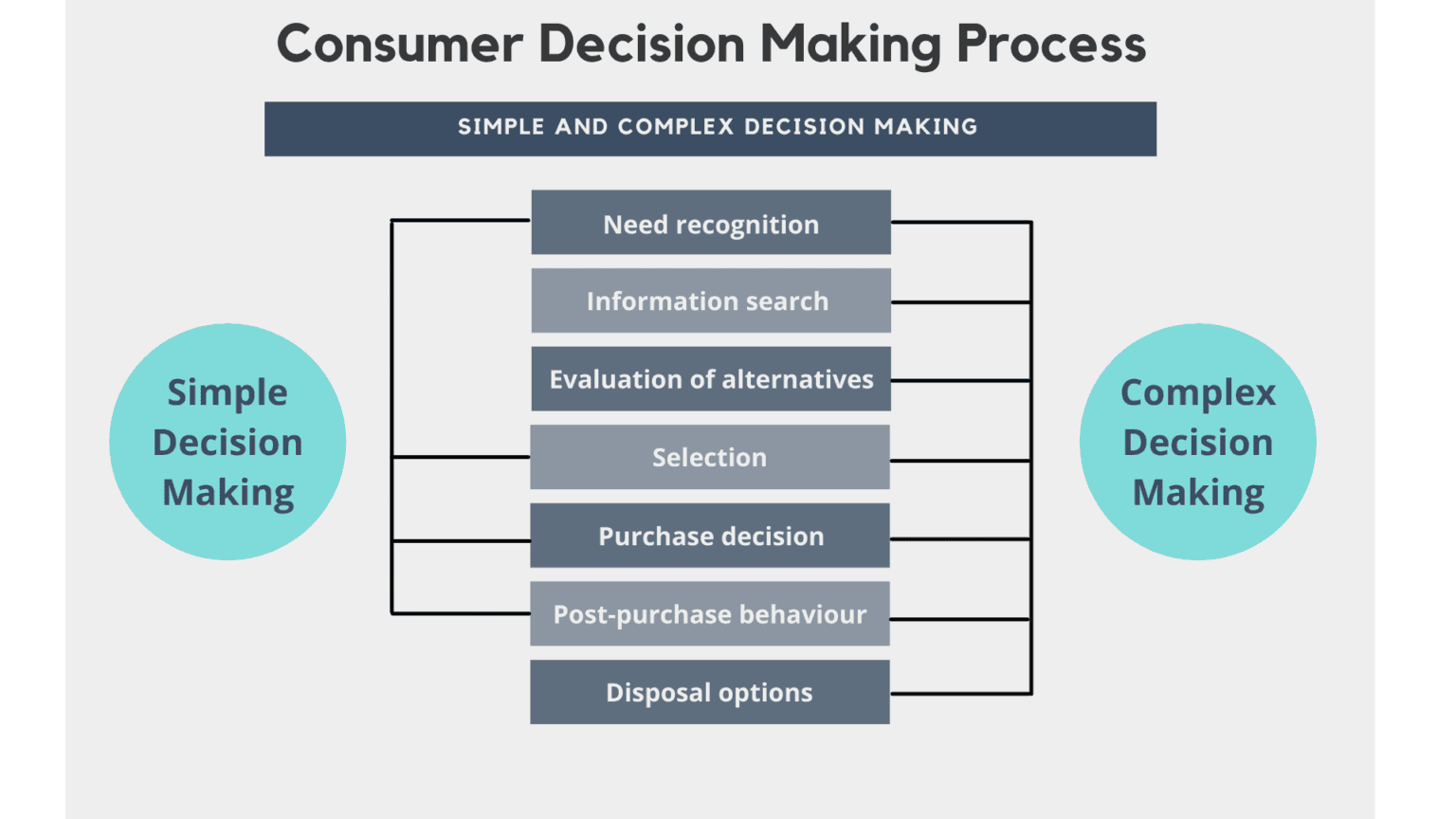
Consumer Decision Making Process – Introduction to Consumer Behaviour View original
Is this image relevant?
Purchase funnel - Wikipedia View original
Is this image relevant?
Influences on Consumer Decisions | Principles of Marketing View original
Is this image relevant?
Consumer Decision Making Process – Introduction to Consumer Behaviour View original
Is this image relevant?
The Role of Motivation
Motivation is the internal drive that pushes someone to act on an unfulfilled need. Think of it this way: when a need goes unmet, it creates tension, and motivation is what moves a person to resolve that tension.
In consumer behavior, motivation shapes three things about a purchase decision:
- Direction — what products or services someone chooses to buy
- Intensity — how strongly they feel compelled to buy
- Persistence — how long they'll keep searching or saving up before they act
Types and Sources of Motivation
Motivation falls into two broad categories:
- Intrinsic motivation comes from within. It's driven by personal interests, values, or goals. Buying a book because you're genuinely curious about the topic, or choosing eco-friendly products because sustainability matters to you, are both intrinsic.
- Extrinsic motivation comes from outside forces like incentives, rewards, or social pressure. Buying a trendy jacket to fit in with your friend group, or using a coffee shop loyalty card to earn a free drink, are both extrinsic.
Most real purchases involve a mix of both. Someone might buy running shoes because they enjoy running (intrinsic) and because they want the latest Nike release their friends are talking about (extrinsic).
Importance for Marketers
When marketers understand why consumers are motivated, they can tailor product positioning and promotional messages to match those specific drives. A brand targeting intrinsically motivated buyers might emphasize quality and personal fulfillment, while one targeting extrinsic motivation might highlight social status or limited-time rewards.
Motivational appeals in advertising work by triggering a felt need. A home security ad that shows a family sleeping peacefully taps into safety motivation. A travel ad showing someone hiking alone through mountains taps into self-fulfillment.
Consumer Needs and Hierarchy
Maslow's Hierarchy of Needs
Maslow's hierarchy organizes human needs into five levels, from most basic to most complex. Marketers use this framework to understand which needs their products address.
- Physiological needs — the basics for survival: food, water, shelter, sleep
- Safety needs — security, stability, and protection from harm (financial security, health insurance, a safe neighborhood)
- Social needs — love, belonging, and acceptance (friendships, community, feeling connected)
- Esteem needs — self-respect, recognition, and status (products that boost self-image or signal prestige)
- Self-actualization needs — personal growth, self-fulfillment, and reaching your full potential (education, creative pursuits, meaningful experiences)

Hierarchy and Priority
The core idea of Maslow's model is that lower-level needs generally take priority over higher-level ones. A consumer dealing with financial hardship will spend on groceries and rent before thinking about a luxury watch. Once basic needs feel secure, people start focusing on social belonging, then esteem, then self-actualization.
This isn't always rigid in practice. Someone might skip a meal to buy concert tickets (social/esteem over physiological). But as a general framework for understanding consumer priorities, it holds up well.
Application in Marketing
Marketers use Maslow's hierarchy to figure out which level of need their target audience cares about most, then position their product as a solution at that level.
- A food delivery service like DoorDash might emphasize convenience and reliability, appealing to physiological and safety needs.
- A brand like Peloton might highlight community and shared goals, targeting social and esteem needs.
- A luxury car brand like Mercedes might focus on prestige and exclusivity, aiming squarely at esteem needs.
The key is matching your message to the need your audience is actually feeling.
Perception and Consumer Behavior
The Perceptual Process
Perception is how people select, organize, and interpret sensory information to make sense of the world around them. Two consumers can look at the exact same product and walk away with completely different impressions. That's perception at work.
The process has three stages:
- Sensation — Your sensory receptors (eyes, ears, nose, etc.) detect stimuli from the environment. You see a product on a shelf, hear a jingle, or smell fresh bread in a store.
- Organization — Your brain arranges that sensory input into recognizable patterns. You group the product with similar items you've seen before, or you associate the jingle with a brand.
- Interpretation — You assign meaning to what you've organized, based on your past experiences, cultural background, beliefs, and expectations.
Subjectivity and Variability
Because interpretation depends on individual experience, perception is inherently subjective. A consumer who had a great experience with Apple products will likely perceive a new Apple ad more favorably than someone who had a frustrating experience with their last iPhone. Same ad, different perception.
Cultural background matters too. Color associations, humor, and even product packaging can be interpreted very differently across cultures.

Implications for Marketers
Marketers work to shape positive perceptions through product design, packaging, and messaging that align with their target audience's preferences. This is how brands differentiate themselves from competitors, even when the actual products are similar.
A well-crafted perception strategy builds a strong brand identity over time. Think about how Apple's clean, minimalist packaging creates a perception of premium quality before you even turn the product on.
Selective Perception: Attention, Distortion, Retention
Consumers don't absorb every piece of marketing they encounter. Instead, they filter information through three selective processes. Understanding these filters is critical for marketers trying to get their message through.
Selective Attention
The average consumer encounters thousands of marketing messages per day but only notices a small fraction. Selective attention is the tendency to focus on stimuli that are relevant to your current needs or interests and tune out the rest.
If you're hungry, you're far more likely to notice a fast-food billboard than a car insurance ad. Marketers compete for this limited attention using:
- Distinctive packaging that stands out on a crowded shelf
- Eye-catching visuals or unexpected ad formats
- Personalized messaging (like emails using your name or browsing history)
Selective Distortion
Even when consumers do pay attention, they don't always interpret the message the way marketers intended. Selective distortion is the tendency to twist incoming information so it fits your existing beliefs.
A loyal Pepsi drinker might watch a Coca-Cola ad and mentally downplay its claims, while interpreting a Pepsi ad more generously. The information gets filtered through preexisting brand attitudes.
To reduce distortion, marketers aim for clear, consistent, and credible messaging. Vague or exaggerated claims are more likely to get reinterpreted or dismissed.
Selective Retention
Of everything consumers notice and interpret, they only remember a portion. Selective retention means people tend to remember information that supports their existing beliefs and forget what contradicts them.
Marketers use several strategies to improve the odds that their message sticks:
- Repetition — Seeing or hearing a message multiple times increases recall
- Memorable slogans and jingles — McDonald's "I'm lovin' it" is hard to forget precisely because it's simple, catchy, and repeated constantly
- Emotional storytelling — Budweiser's "Puppy Love" Super Bowl ad created a strong emotional connection that made the brand more memorable
- Consistent brand elements — Coca-Cola's red color and script logo are instantly recognizable because they've stayed consistent for decades
The takeaway across all three filters: consumers aren't passive receivers of marketing. They actively select, reshape, and remember information based on their own needs and beliefs. Effective marketing works with these filters, not against them.
See Fiveable more often in Google
Mark Fiveable as a preferred source and Google is more likely to show you our guides in Top Stories, with a "preferred" badge in AI Mode and AI Overviews.