8.1 The Promotion Mix

📣Intro to Marketing Unit 8 Review
8.1 The Promotion Mix
📣 Intro to Marketing
Promotion's Role in the Marketing Mix
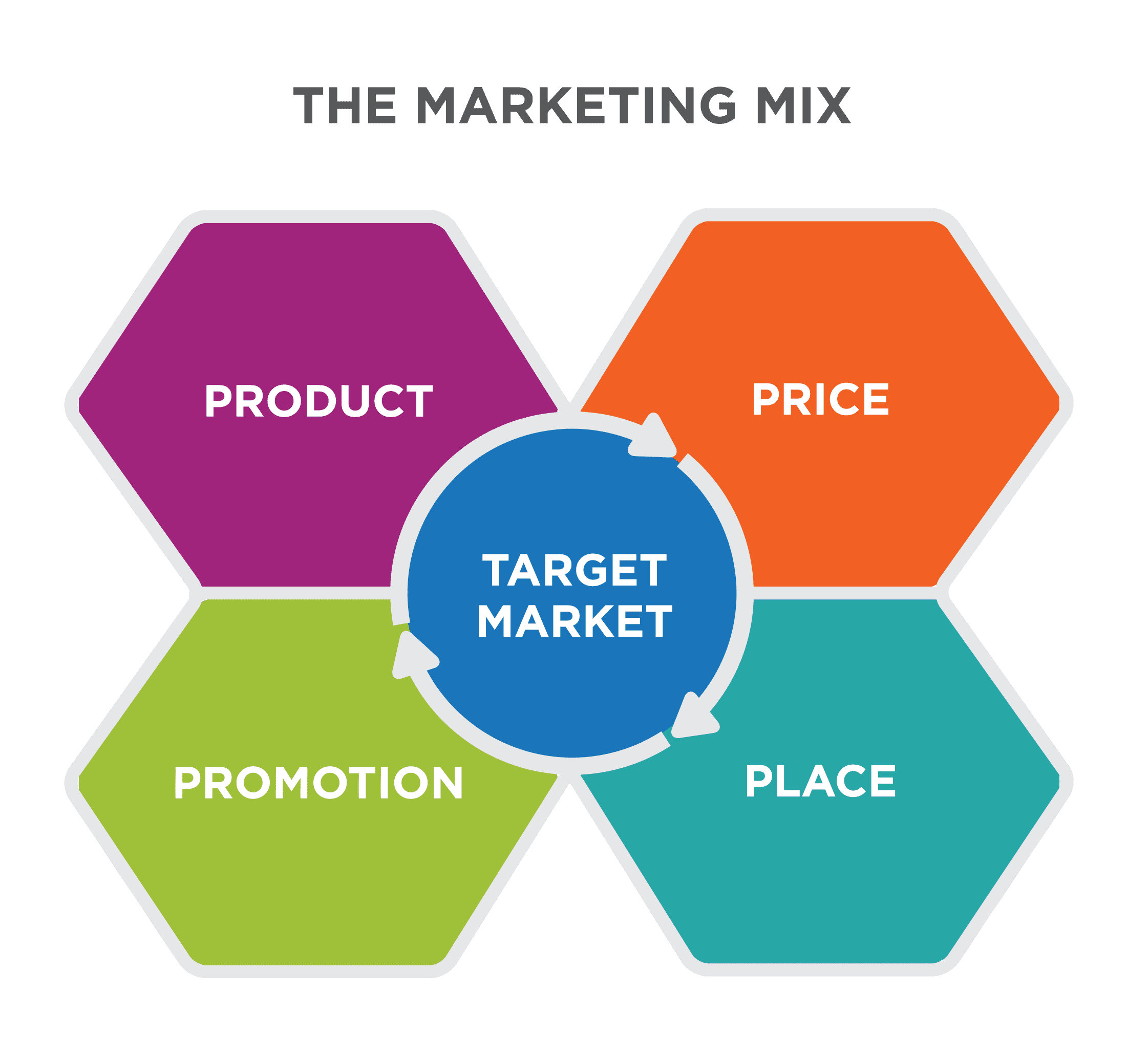
The promotion mix is how a company communicates with its target audience to inform, persuade, and remind them about its products or services. It's one of the four Ps of the marketing mix (product, price, place, and promotion), and it ties all the others together. A great product at a great price means nothing if nobody knows about it.

Top images from around the web for Promotion as a Key Element of the Marketing Mix
Putting It Together: Marketing Function | Introduction to Marketing View original
Is this image relevant?
Reading: Targeting Strategies and the Marketing Mix | Introduction to Marketing View original
Is this image relevant?
Promotion: Integrated Marketing Communication (IMC) | Introduction to Business View original
Is this image relevant?
Putting It Together: Marketing Function | Introduction to Marketing View original
Is this image relevant?
Reading: Targeting Strategies and the Marketing Mix | Introduction to Marketing View original
Is this image relevant?
Promotion as a Key Element of the Marketing Mix
Promotion's job is to move customers through a process: create awareness, build interest, spark desire, and drive action (purchase). You might recognize this as the AIDA model. Every promotional activity a company runs is trying to push people further along that path.
Beyond driving purchases, promotion also:
- Differentiates the product from competitors so customers understand why they should choose it
- Builds brand loyalty by keeping the company top-of-mind after the first purchase
- Maintains ongoing customer relationships that lead to repeat business
Benefits of Effective Promotion
- Increases visibility and awareness among the target audience. Think billboards along a highway or sponsored posts in a social media feed.
- Educates consumers about features, benefits, and unique selling points. Product demonstrations and informational content help customers understand what they're actually buying.
- Persuades and motivates action. Limited-time offers or customer testimonials can push someone from "maybe" to "yes."
- Builds brand equity. Sponsorships and corporate social responsibility initiatives shape how consumers feel about a brand over time, not just what they know about it.
Elements of the Promotion Mix

Traditional Promotion Mix Elements
There are four classic elements. Each one works differently, and most companies use a combination.
- Advertising is paid, non-personal communication through media channels like TV, print, radio, or online display ads. It's great for reaching large audiences quickly, but it's a one-way message. The company talks; the audience listens.
- Personal selling is direct, usually face-to-face communication between a salesperson and a potential buyer. It's the most expensive per-contact method, but also the most persuasive because the salesperson can respond to questions and objections in real time. Common in B2B sales and high-value consumer purchases like cars.
- Sales promotion includes short-term incentives designed to encourage immediate action. Coupons, buy-one-get-one-free offers, free samples, contests, and loyalty programs all fall here. These work well for boosting short-term sales but don't build long-term brand loyalty on their own.
- Public relations (PR) focuses on managing the company's reputation through earned media coverage, events, sponsorships, and community outreach. A well-placed press release or a viral charity initiative can generate positive attention that feels more credible than paid advertising because it comes from a third party.
Direct and Digital Marketing
The traditional four elements have been expanded by two more categories that reflect how people actually consume media today.
- Direct marketing targets individual customers with personalized messages through email, direct mail, telemarketing, or targeted online ads. The goal is to generate a measurable, direct response. A personalized email with a discount code for items you browsed last week is a classic example.
- Digital marketing covers promotional efforts across digital channels: search engine marketing (SEM), social media marketing, content marketing, influencer partnerships, and mobile marketing. What makes digital unique is that it's highly targetable, interactive, and measurable. You can track exactly how many people saw an ad, clicked it, and made a purchase.
The rise of digital tools like retargeting ads, chatbots, and social media contests has given marketers far more ways to reach specific audiences and measure results than traditional channels alone.
Importance of Integrated Marketing Communications

Consistency and Cohesion in Messaging
Integrated marketing communications (IMC) is a strategic approach that coordinates all promotional elements so they deliver one consistent, unified message across every channel. Instead of the advertising team saying one thing and the social media team saying another, IMC makes sure everything aligns.
This means the brand's messaging, visual identity, and positioning stay cohesive whether a customer sees a TV spot, visits the website, or reads an email. Consistent logo usage, a unified brand voice, and matching campaign themes across platforms all reflect IMC in action.
The payoff: companies maximize their marketing spend, avoid sending contradictory messages, and build stronger brand equity over time.
Synergy and Amplification of Promotional Efforts
IMC creates synergy, where the combined effect of multiple promotional elements working together is greater than the sum of each one working alone. A coordinated product launch, for example, might pair a social media teaser campaign with influencer posts, an email blast to existing customers, and in-store displays, all reinforcing the same message simultaneously.
To pull this off, marketers need a deep understanding of their target audience: what media they consume, when they consume it, and what kinds of messages resonate. Techniques like persona-based marketing and multi-channel attribution help companies figure out which combination of channels delivers the best results.
The ultimate goal of IMC is delivering the right message, to the right audience, at the right time, through the right channel.
Factors Influencing the Promotion Mix
Product and Market Characteristics
Not every product calls for the same promotional approach. Several factors shape which elements get emphasized:
- Type of product or service. Consumer goods sold to millions of people (like snacks) lean heavily on advertising and sales promotions. Industrial products sold to a handful of business buyers (like manufacturing equipment) rely more on personal selling.
- Product life cycle stage. During the introduction stage, heavy advertising builds awareness. During maturity, sales promotions help maintain market share against competitors. During decline, promotional spending typically drops.
- Target market characteristics. Demographics, psychographics, and buying behavior all matter. Social media campaigns work well for reaching younger consumers, while trade shows and personal selling are more effective in B2B markets.
Company Resources and Competitive Landscape
- Budget is often the biggest constraint. A larger budget allows for extensive advertising campaigns across multiple channels, while a smaller budget might mean focusing on lower-cost digital marketing or PR efforts.
- Market size and geography affect channel choices. A national brand needs broad-reach media like TV or digital ads, while a local business might rely on community events and local search advertising.
- Competitor activity shapes decisions too. If a rival launches an aggressive ad campaign, a company might respond with comparative advertising or price-matching guarantees to hold its position.
- Overall marketing objectives tie everything together. A company focused on brand-building will invest differently than one focused on short-term customer acquisition. The promotion mix should always align with the company's broader positioning and long-term goals.
See Fiveable more often in Google
Mark Fiveable as a preferred source and Google is more likely to show you our guides in Top Stories, with a "preferred" badge in AI Mode and AI Overviews.