8.2 Advertising Strategies and Types

📣Intro to Marketing Unit 8 Review
8.2 Advertising Strategies and Types
📣 Intro to Marketing
Advertising Strategies
Advertising strategies shape how brands communicate with consumers. Different strategies serve different goals: some educate, some persuade, some simply keep a brand visible. Understanding which strategy fits which situation is a core skill in marketing.

Top images from around the web for Informative and Persuasive Advertising
Influences on Consumer Decisions | Principles of Marketing View original
Is this image relevant?
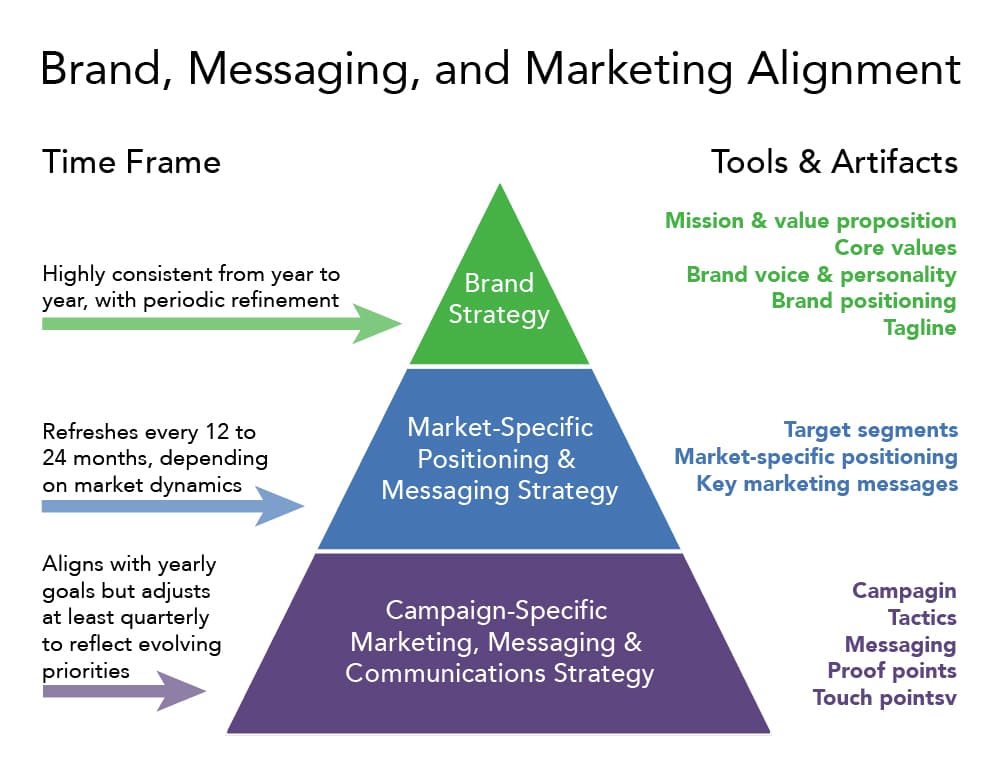
Reading: Brand Positioning and Alignment – Introduction to Marketing II (MKTG 2005) View original
Is this image relevant?
Promotion: Integrated Marketing Communication (IMC) | Introduction to Business View original
Is this image relevant?
Influences on Consumer Decisions | Principles of Marketing View original
Is this image relevant?
Reading: Brand Positioning and Alignment – Introduction to Marketing II (MKTG 2005) View original
Is this image relevant?
Informative and Persuasive Advertising
Informative advertising gives consumers factual details about a product or service. The goal is to educate, not to emotionally sway. This strategy is most common when consumers need to learn something before they can buy.
- Used heavily during new product launches (think of Apple explaining the features of a new iPhone) or when entering a new market where people aren't familiar with the brand
- Focuses on features, benefits, and specifications so consumers can make informed decisions
- Works best early in the product life cycle, when awareness is low
Persuasive advertising tries to influence attitudes and behavior by highlighting why one brand is the better choice. Where informative advertising says "here's what this does," persuasive advertising says "here's why you should want it."
- Often used to differentiate from competitors (Coca-Cola vs. Pepsi campaigns)
- Relies on emotional appeals, testimonials, and compelling visuals to build a strong brand image
- The goal is action: get consumers to switch brands, try a product, or develop brand preference
Reminder and Comparative Advertising
Reminder advertising keeps an established brand top-of-mind. It's not trying to teach you anything new or convince you to switch. It just makes sure you don't forget.
- Used by brands with strong market presence (McDonald's, Nike) that don't need to explain what they sell
- Helps sustain brand equity (the value a brand carries in consumers' minds) and prevents customers from drifting to competitors
- Relies on repetition and consistent messaging across channels
Comparative advertising directly compares a product to a competitor's, pointing out where the advertised brand wins.
- Can be very effective for positioning a brand as superior (Verizon's old "Can you hear me now?" campaign against AT&T)
- Carries legal risk: claims must be substantiated, or competitors can challenge them in court
- Requires careful execution because overly aggressive comparisons can backfire and make the brand look petty
Advertising Media Types
Media types fall into two broad categories, though the lines between them keep blurring. Marketers rarely rely on just one; multi-channel campaigns are the norm.
Traditional and Digital Media
Traditional media includes print (newspapers, magazines, brochures), broadcast (television, radio), and outdoor (billboards, transit ads).
- Offers wide reach and the ability to target demographics through media selection (a fashion magazine reaches a different audience than sports radio)
- Tends to be more expensive and less precisely targeted than digital options
- Effectiveness has declined as media consumption shifts online and ad-blocking becomes more common
Digital media covers online formats like display ads, search engine marketing (SEM), social media ads, email marketing, and mobile advertising.
- Enables precise targeting based on user data and behavior (for example, retargeting ads that follow someone who abandoned a shopping cart)
- Provides real-time performance tracking, so you can see what's working and adjust immediately
- Allows personalization and dynamic content tailored to individual users
- Requires continuous optimization because platform algorithms and user expectations change frequently

Direct Mail and Product Placement
Direct mail sends promotional materials to potential customers through postal mail.
- Allows personalization (addressing recipients by name) and can effectively reach specific groups like local businesses or high-income households
- Often perceived as intrusive ("junk mail"), and response rates tend to be lower than digital channels
- Requires accurate, up-to-date mailing lists; costs per impression are typically higher than digital alternatives
Product placement embeds products or brands within entertainment content like movies, TV shows, or video games.
- A subtle approach that builds brand awareness and positive associations (James Bond driving an Aston Martin, Reese's Pieces in E.T.)
- Less effective at driving immediate sales, but contributes to long-term brand recognition
- Must feel natural within the content; forced placements can feel inauthentic and annoy audiences
- Difficult to measure direct impact on sales or brand perception
Developing Advertising Campaigns
Building a campaign involves a sequence of decisions, each one building on the last. Here's how the process flows.
Setting Objectives and Identifying the Target Audience
Step 1: Define your objectives. What specifically should this campaign accomplish?
- Objectives should follow the SMART framework: Specific, Measurable, Achievable, Relevant, and Time-bound
- Examples: "Increase brand awareness among 18-24 year olds by 20% within 6 months" or "Generate 500 qualified leads per month through paid search"
Step 2: Identify your target audience. Who are you trying to reach?
- Conduct market research to understand the demographic (age, gender, income), psychographic (values, interests, lifestyle), and behavioral (purchasing habits, brand loyalty) traits of your ideal customer
- Build buyer personas, which are fictional profiles representing your ideal customers, to guide creative decisions and media selection
- The more precisely you define your audience, the less money you waste reaching people who won't convert
Budgeting, Creative Strategy, and Media Selection
Step 3: Set the budget. How much can you spend, and how should you allocate it?
- Consider three key factors: reach (how many people see the ad), frequency (how many times each person sees it), and cost-per-impression (what you pay for each exposure)
- Use historical campaign data and industry benchmarks to estimate what it'll take to hit your objectives
Step 4: Develop the creative strategy. What will the ad actually say and look like?
- Choose the format (text, image, video), visual elements (colors, fonts, imagery), and a clear call-to-action (CTA) that tells the audience what to do next
- The creative should be consistent with the brand's voice and values while standing out from competitors
Step 5: Select media channels. Where will the ads run?
- Match channels to where your target audience actually spends time
- Weigh each channel's strengths and limitations (reach, targeting precision, cost) and consider how channels can work together
- A campaign targeting college students will look very different from one targeting retirees, even if the product is the same

Measuring and Optimizing Performance
Step 6: Track performance using KPIs (key performance indicators).
- Common metrics include reach, engagement (likes, comments, shares), click-through rate (CTR), and conversion rate (percentage of people who take the desired action, like making a purchase or signing up)
- Tools like Google Analytics and platform-specific dashboards (Meta Ads Manager, etc.) help you collect and analyze this data
Step 7: Optimize based on what you learn.
- Adjust targeting, creative content, and media mix based on what's performing well and what isn't
- Run A/B tests by comparing two versions of an ad (different headlines, images, or CTAs) to see which performs better
- Optimization is ongoing, not a one-time task. Continuously refining the campaign is how you maximize return on investment (ROI)
Advertising Types: Advantages vs. Disadvantages
Television and Print Advertising
- Television advertising
- Advantages: Wide reach, high impact through combined visual and audio elements, ability to demonstrate product features in action
- Disadvantages: High production and airtime costs, limited targeting options, declining live viewership as consumers shift to streaming services (Netflix, Hulu) and skip ads with DVRs
- Print advertising
- Advantages: Tangible format that can sit on a table for weeks, ability to target niche audiences through specialized publications (trade magazines, local newspapers), strong engagement among certain demographics (older adults)
- Disadvantages: Limited reach compared to digital, declining readership overall, longer lead times for placing ads
Online Display and Social Media Advertising
- Online display advertising
- Advantages: Precise targeting based on user data (interests, browsing history, search behavior), real-time performance tracking, generally lower costs than traditional media
- Disadvantages: Ad blindness (users learn to ignore banner ads), ad-blocking software reduces visibility, limited creative space on standard banner formats
- Social media advertising
- Advantages: Highly targeted reach using detailed user profile data, two-way engagement with customers (responding to comments and messages), viral potential through shares and user-generated content
- Disadvantages: Platforms and ad formats change constantly, negative comments are publicly visible, ROI can be hard to measure for softer goals like brand awareness or sentiment
Outdoor Advertising
- Outdoor advertising
- Advantages: High visibility in high-traffic areas, effective for targeting local audiences (specific neighborhoods, commuter routes), relatively cost-effective for building broad brand awareness
- Disadvantages: Very limited message space (you have a few seconds to communicate), difficult to measure effectiveness, vulnerable to physical damage from weather or vandalism
See Fiveable more often in Google
Mark Fiveable as a preferred source and Google is more likely to show you our guides in Top Stories, with a "preferred" badge in AI Mode and AI Overviews.