8.5 Direct and Digital Marketing

📣Intro to Marketing Unit 8 Review
8.5 Direct and Digital Marketing
📣 Intro to Marketing
Direct Marketing: Benefits and Characteristics
Direct marketing is any marketing effort that communicates straight to a specific person (or group) to get a measurable response, whether that's a purchase, a sign-up, or a phone call. Unlike mass advertising that broadcasts to everyone, direct marketing targets selected individuals with personalized messages. That distinction matters because it makes results trackable and budgets more efficient.

Top images from around the web for Key Characteristics and Benefits
Putting It Together: Marketing Function | Principles of Marketing View original
Is this image relevant?
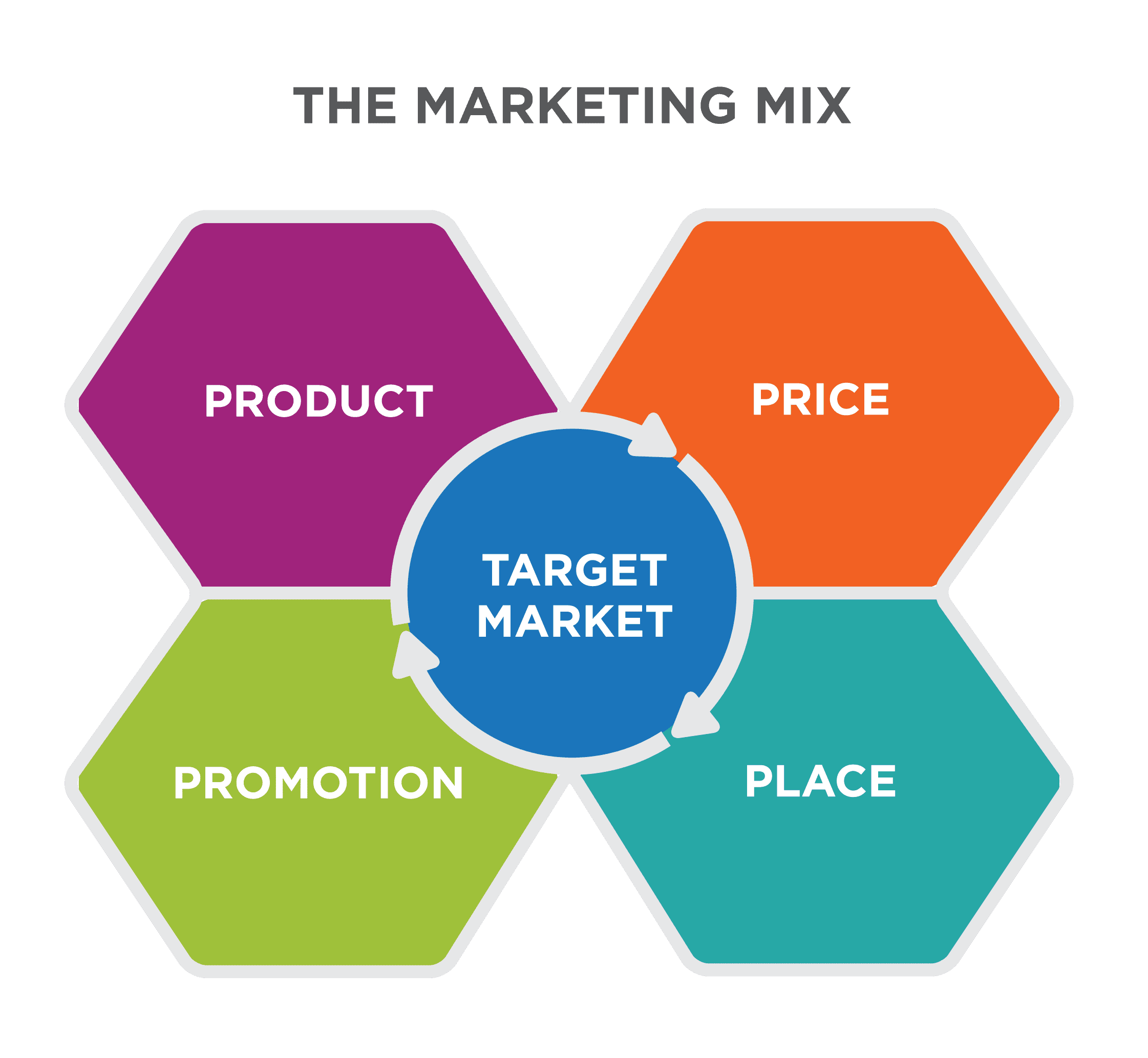
Reading: Defining the Marketing Mix | Introduction to Marketing View original
Is this image relevant?
Reading: Using and Updating the Marketing Plan | Principles of Marketing View original
Is this image relevant?
Putting It Together: Marketing Function | Principles of Marketing View original
Is this image relevant?
Reading: Defining the Marketing Mix | Introduction to Marketing View original
Is this image relevant?
Key Characteristics
- Targeted audience selection — You choose exactly who receives your message based on demographics, purchase history, or other data, rather than hoping the right people see a billboard.
- Personalization — Messages are tailored to the recipient. Think of an email that addresses you by name and recommends products based on your past purchases.
- Measurable results — Every campaign can be tracked. You know how many people opened an email, clicked a link, or made a purchase, so you can calculate exact return on investment.
- Relationship building — Repeated, relevant contact builds loyalty over time. A customer who gets useful offers is more likely to stick around than one who only sees generic ads.
Testing and Optimization
One of direct marketing's biggest advantages is A/B testing. You send two versions of a message (different subject lines, different offers, different designs) to small segments of your audience, then roll out whichever version performs better. This lets you refine campaigns based on actual customer behavior rather than guesswork.
Marketing Objectives It Supports
Direct marketing isn't just about immediate sales. It can serve multiple goals:
- Lead generation — Collecting contact info from interested prospects
- Sales conversion — Driving purchases through targeted offers
- Customer retention — Keeping existing customers engaged with loyalty rewards or personalized content
- Brand awareness — Reinforcing your brand through consistent, direct touchpoints
Direct Marketing Channels and Tactics
Traditional Channels
Direct mail sends physical pieces like letters, postcards, and catalogs to targeted individuals. It might seem old-fashioned, but it still works well for certain audiences. A well-designed catalog arriving at someone's home can feel more tangible and trustworthy than a digital ad.
Telemarketing involves contacting potential or existing customers by phone to promote products, generate leads, or conduct surveys. It's highly interactive since the caller can respond to questions in real time, but it also carries a higher risk of annoying people if done poorly.
Digital Channels
- Email marketing sends promotional or informational messages to a targeted list of subscribers. It's one of the most cost-effective channels available, with average returns often cited around for every spent.
- SMS marketing delivers text messages promoting products, services, or time-sensitive offers. Open rates for texts are extremely high (often above 90%), making SMS effective for flash sales or appointment reminders.
- Direct response advertising appears on TV, radio, or print but asks the audience to take immediate action, like calling a toll-free number or visiting a specific URL. Infomercials with "Call now!" prompts are a classic example.

Digital Marketing in the Marketing Mix
Digital marketing uses online channels and tactics to reach, engage, and convert target audiences. It's not a replacement for traditional marketing but rather a complement that adds precision and speed.
Key Digital Channels
- Websites — Your brand's home base online
- Search engines — Where customers actively look for solutions (Google, Bing)
- Social media platforms — Where audiences spend time and engage with content (Instagram, TikTok, LinkedIn)
- Email — Direct line to subscribers' inboxes
- Mobile apps — Branded experiences on customers' phones
- Online advertising — Display ads, video ads, and sponsored content across the web
Core Digital Tactics
- Search engine optimization (SEO) improves your website's visibility in unpaid search results
- Pay-per-click (PPC) advertising places ads in search results or on websites, and you only pay when someone clicks
- Content marketing creates valuable content (blog posts, videos, guides) that attracts and retains an audience
- Social media marketing uses organic posts and paid ads on social platforms to build awareness and engagement
Digital marketing's real strength is that it allows real-time interaction and precise targeting. You can adjust a campaign mid-flight based on performance data, something traditional channels can't match as easily.
Effectiveness of Digital Marketing Strategies
Each digital tactic has its own set of metrics that tell you whether it's working. Knowing which numbers to watch is essential.
Search Engine Optimization (SEO)
SEO optimizes your website's content and structure so it ranks higher in organic (unpaid) search results. The goal is to appear on page one when someone searches for terms related to your product or service.
How you measure it:
- Organic search traffic (visitors arriving from search engines)
- Keyword rankings (where your pages appear for target search terms)
- Click-through rate (percentage of people who see your listing and click)
- Conversion rate (percentage of visitors who take a desired action)
Social Media Marketing
Social media marketing promotes your brand through platforms where your audience already spends time. The focus is on engagement and community building, not just broadcasting messages.
How you measure it:
- Follower growth over time
- Engagement rate (likes, comments, shares relative to audience size)
- Reach (how many unique users see your content)
- Referral traffic (visitors sent from social platforms to your website)

Email Marketing
Email marketing sends targeted, personalized messages to subscribers. It's particularly effective for nurturing leads and driving repeat purchases from existing customers.
How you measure it:
- Open rate (percentage of recipients who open the email)
- Click-through rate (percentage who click a link inside the email)
- Conversion rate (percentage who complete a desired action after clicking)
- Revenue generated per campaign
A/B Testing Across Channels
A/B testing isn't limited to email. You can test ad copy variations in PPC campaigns, different landing page designs, social media post formats, and more. The principle is always the same: change one variable, split your audience, measure which version wins, and apply what you learn.
Ethical Considerations in Direct and Digital Marketing
The data that makes direct and digital marketing so effective also creates serious ethical responsibilities. Collecting, storing, and using personal information requires care.
Privacy Concerns
Every time you collect a customer's email, track their browsing behavior, or store their purchase history, you're handling personal data. Misusing that data, or failing to protect it, can lead to legal consequences and lasting damage to consumer trust.
Two major regulations you should know:
- GDPR (General Data Protection Regulation) — Governs data privacy across the European Union. Requires explicit consent before collecting personal data and gives individuals the right to access or delete their information.
- CCPA (California Consumer Privacy Act) — Gives California residents the right to know what personal data is collected about them and to opt out of its sale.
Ethical Practices
- Obtain consent before collecting or using personal information. Pre-checked boxes or buried terms don't count as genuine consent.
- Provide clear opt-out mechanisms. Every marketing email should include an easy unsubscribe link. Every SMS campaign needs a simple "STOP" option.
- Be transparent about what data you collect and how you use it. Privacy policies should be written in plain language, not legal jargon.
- Avoid deceptive tactics. False advertising, spam, and phishing erode consumer trust and can result in fines or legal action. Even aggressive clickbait can damage your brand over time.
The Personalization-Privacy Balance
This is one of the trickiest challenges in modern marketing. Customers want relevant, personalized experiences, but they also don't want to feel surveilled. The best approach is to use data responsibly: collect only what you need, be upfront about how you use it, and always respect people's preferences when they ask you to stop.
See Fiveable more often in Google
Mark Fiveable as a preferred source and Google is more likely to show you our guides in Top Stories, with a "preferred" badge in AI Mode and AI Overviews.