11.4 Sustainability and Green Marketing

📣Intro to Marketing Unit 11 Review
11.4 Sustainability and Green Marketing
📣 Intro to Marketing
Sustainability and Green Marketing
Sustainability and green marketing are reshaping how companies do business. These practices focus on minimizing environmental impact while still maintaining economic viability. As consumer demand for responsible products grows, companies are responding with eco-friendly processes, sustainable packaging, and more transparent communication about their environmental efforts.
Green marketing specifically promotes products based on their environmental benefits. It can differentiate brands, attract environmentally conscious consumers, and open up a fast-growing market segment. But it also comes with real challenges, from higher costs to the risk of greenwashing.

Top images from around the web for The Concept and Relevance of Sustainability
Ecological Sustainable Development Design Tool Ethosolution : One Community View original
Is this image relevant?
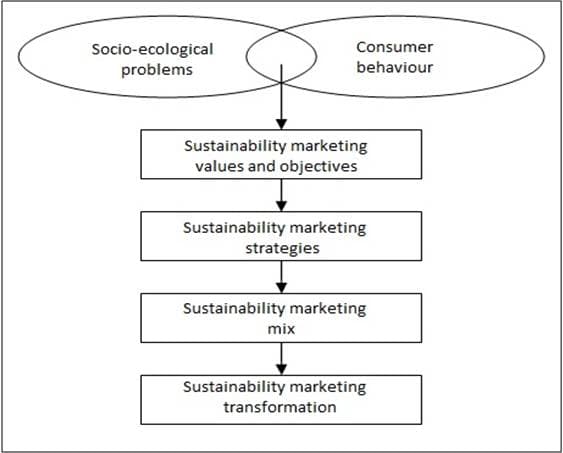
File:Framing sustainability marketing.jpg View original
Is this image relevant?
File:Triple Bottom Line graphic.jpg - Wikimedia Commons View original
Is this image relevant?
Ecological Sustainable Development Design Tool Ethosolution : One Community View original
Is this image relevant?
File:Framing sustainability marketing.jpg View original
Is this image relevant?
Sustainability in Marketing
The Concept and Relevance of Sustainability
Sustainability means meeting present needs without compromising future generations' ability to meet theirs. In marketing, that translates to developing and promoting products and services that minimize negative environmental and social impacts while remaining economically viable over the long term.
A useful framework here is the triple bottom line (TBL), which evaluates business decisions across three dimensions:
- Environmental: How does the product or process affect the natural world?
- Social: How does it affect people, communities, and workers?
- Economic: Is it financially sustainable for the company?
Sustainable marketing tries to balance the interests of all stakeholders: customers, employees, shareholders, and the environment. Consumer concern about environmental and social issues has grown steadily, which is why sustainability has become a core part of many companies' marketing strategies rather than just a nice add-on.
The Impact of Sustainability on Marketing Practices
Sustainability now influences nearly every stage of the marketing process:
- Product development: Companies are designing products with smaller environmental footprints from the start.
- Production: Firms are adopting eco-friendly processes like using renewable energy and reducing carbon emissions. For example, IKEA has invested heavily in solar and wind energy for its operations.
- Packaging: Sustainable packaging materials and waste minimization are increasingly standard. Think of how many brands have shifted from plastic to compostable or recycled materials.
- Promotion: Transparent and accurate communication of environmental benefits through labeling, advertising, and public relations is essential. Vague claims like "all natural" without evidence can backfire.
- Corporate social responsibility (CSR): Supporting environmental causes and community well-being can strengthen brand image and deepen customer loyalty.
Green Marketing Elements

Defining Green Marketing
Green marketing (also called environmental or eco-marketing) promotes products or services based on their environmental benefits or sustainability. It goes beyond just advertising: green marketing involves developing eco-friendly products that minimize waste, conserve resources, and reduce environmental impact throughout their entire life cycle, from raw materials to disposal.
A key goal is educating consumers about the environmental impact of their purchasing decisions and encouraging them to choose more sustainable options.
Key Components of Green Marketing
Green marketing involves several interconnected practices:
- Eco-friendly product design: Creating products that are biodegradable, energy-efficient, or made from recycled materials. Seventh Generation, for instance, makes household cleaners from plant-based ingredients.
- Sustainable packaging: Using recyclable or compostable materials and reducing unnecessary packaging.
- Responsible production: Adopting renewable energy, cutting carbon emissions, and minimizing waste during manufacturing.
- Transparent communication: Accurately labeling products with their environmental benefits and backing up claims with data or third-party certifications (like Energy Star or Fair Trade).
- CSR initiatives: Actively supporting environmental causes beyond just the product itself.
Benefits of Green Marketing
- Differentiates a company from competitors in a crowded market
- Attracts environmentally conscious consumers, many of whom are willing to pay a premium (studies suggest up to 10-15% more for verified sustainable products)
- Builds positive brand reputation and deeper customer loyalty
- Helps companies tap into a growing market segment as sustainability awareness increases
Sustainable Marketing Strategies

Opportunities in Sustainable Marketing
- Premium pricing potential: Environmentally conscious consumers are often willing to pay more for products they trust are genuinely sustainable.
- Stronger brand loyalty: Demonstrating real commitment to environmental and social responsibility builds lasting customer relationships.
- Cost savings: Resource efficiency, waste reduction, and energy conservation can lower operating costs over time.
- Innovation: Sustainability goals push companies to develop new products and services that meet evolving consumer needs.
- Regulatory compliance: Proactively adopting sustainable practices helps companies stay ahead of tightening environmental regulations and avoid legal or reputational risks.
Challenges in Sustainable Marketing
- Higher upfront costs: Sourcing sustainable materials, adopting eco-friendly production, and obtaining certifications (like B Corp or LEED) can be expensive.
- Communication difficulty: Explaining environmental benefits in a way that's clear, compelling, and not overly technical is harder than it sounds.
- Greenwashing risk: Making misleading or exaggerated environmental claims can destroy consumer trust. The FTC's Green Guides outline what counts as deceptive environmental marketing.
- Competing priorities: Profitability, environmental sustainability, and social responsibility don't always align neatly, and companies have to make trade-offs.
- Consumer skepticism: Some consumers doubt green claims entirely, especially after high-profile greenwashing scandals. Overcoming that skepticism requires consistent, verifiable action.
Green Marketing Impact on Consumers
Influencing Consumer Behavior
Green marketing can genuinely shift how people shop. It raises awareness of environmental issues and encourages more sustainable consumption habits. Surveys consistently show that consumers increasingly weigh environmental factors in their purchasing decisions.
Successful green marketing campaigns create a positive brand image and set a company apart from competitors, which drives customer loyalty and market share. But transparency and authenticity are non-negotiable. Consumers who feel misled by green claims won't just stop buying; they'll actively share their negative experience.
Factors Affecting Green Marketing's Impact
The effectiveness of green marketing varies based on several factors:
- Demographics: Age, income, education, and cultural background all influence how much weight a consumer gives to sustainability. Younger consumers (Gen Z and Millennials) tend to prioritize it more heavily.
- Brand consistency: Companies that demonstrate genuine, ongoing commitment to sustainability across their products, services, and corporate practices are far more credible than those that run a single green campaign.
- Ripple effects: When one company succeeds with sustainable practices, it pressures competitors to follow, contributing to broader industry shifts.
Two well-known examples illustrate different approaches. Patagonia's "Don't Buy This Jacket" ad urged consumers to think twice before purchasing, reinforcing the brand's commitment to reducing consumption. Unilever's Sustainable Living Plan set company-wide targets for reducing environmental impact across its product lines. Both campaigns succeeded because they were backed by real, measurable action rather than just marketing language.
See Fiveable more often in Google
Mark Fiveable as a preferred source and Google is more likely to show you our guides in Top Stories, with a "preferred" badge in AI Mode and AI Overviews.