8.3 Sales Promotion and Public Relations

📣Intro to Marketing Unit 8 Review
8.3 Sales Promotion and Public Relations
📣 Intro to Marketing
Sales promotion and public relations are key components of integrated marketing communications. These strategies aim to boost sales, enhance brand image, and build relationships with customers and stakeholders. They work alongside advertising and other marketing efforts to create a cohesive brand message.
Sales promotions use short-term incentives to drive immediate action, while PR focuses on long-term reputation management. Both techniques support overall marketing goals by increasing visibility, attracting customers, and differentiating the brand from competitors.
Sales Promotion and Its Objectives

Top images from around the web for Defining sales promotion and its role in marketing
Reading: The Role of the Marketing Plan | Principles of Marketing View original
Is this image relevant?
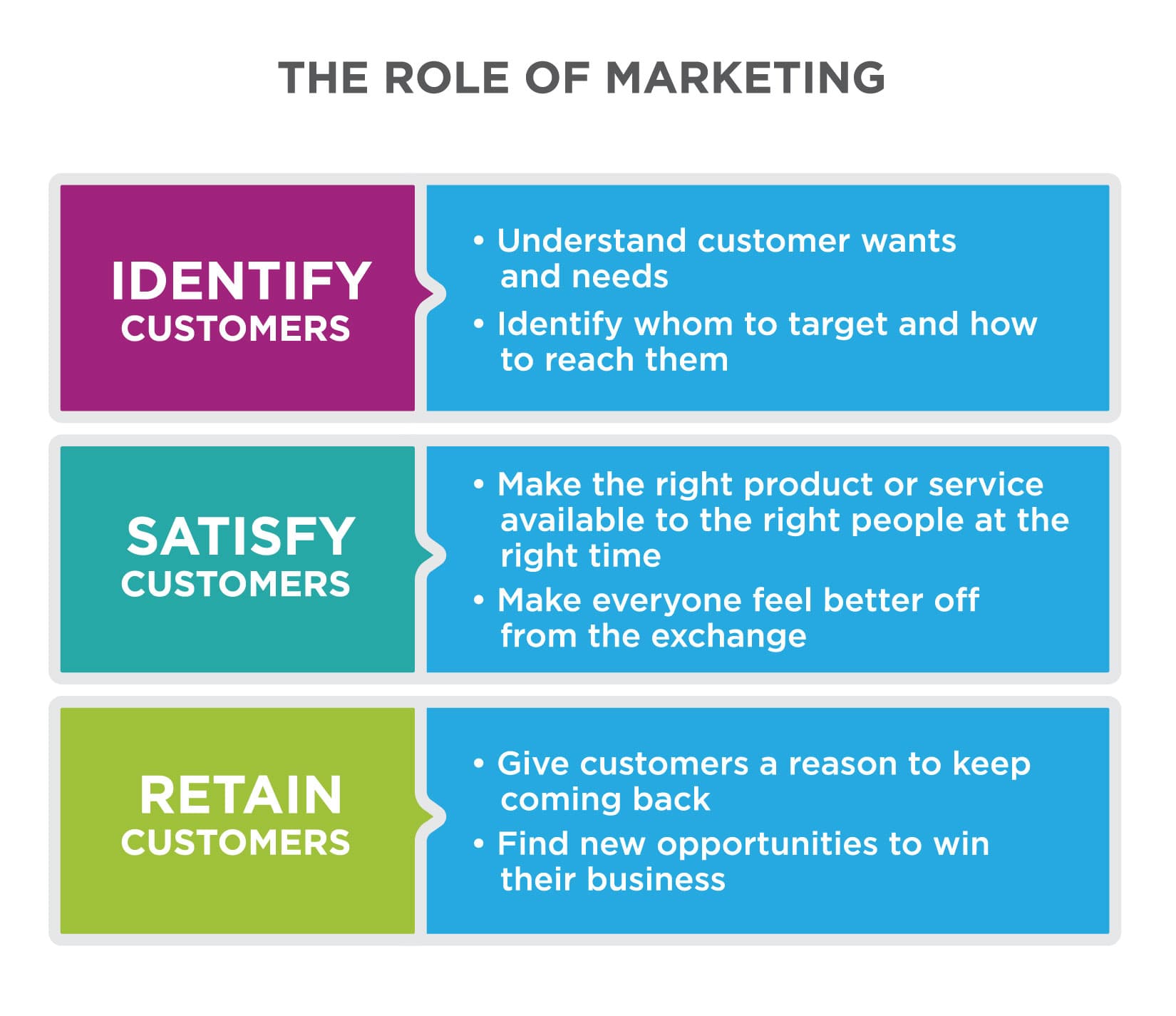
The Role of Customers in Marketing | Introduction to Business View original
Is this image relevant?
Promotion: Integrated Marketing Communication (IMC) | Introduction to Business View original
Is this image relevant?
Reading: The Role of the Marketing Plan | Principles of Marketing View original
Is this image relevant?
The Role of Customers in Marketing | Introduction to Business View original
Is this image relevant?
Defining sales promotion and its role in marketing
Sales promotion is a marketing technique that uses short-term incentives to encourage the purchase or sale of a product or service. The whole point is to create urgency so people act now rather than later.
Companies typically turn to sales promotions when they need to:
- Introduce a new product and get it into customers' hands quickly
- Clear out excess inventory before a new season or product launch
- Attract new customers who haven't tried the brand before
- Encourage repeat purchases from existing customers
Because promotions are time-limited, they tend to produce fast, measurable results. That said, relying on them too heavily can train customers to wait for deals rather than buying at full price.
Objectives of sales promotion
The core objectives of sales promotion center on stimulating demand and driving purchases. More specifically:
- Generating product trial — Getting first-time buyers to try something new. Think of how food brands hand out free samples at grocery stores.
- Increasing sales volume — Offering incentives like "buy 2, get 1 free" to push larger or more frequent purchases.
- Gaining market share — Drawing customers away from competitors with a compelling short-term offer.
- Countering competitive actions — Responding when a rival launches their own promotion or drops prices. If a competitor runs a 20% off sale, you might match it to avoid losing customers.
Types of Sales Promotion Techniques
Consumer-oriented sales promotions
These promotions target the end consumer directly. Each technique works a bit differently:
- Coupons — Discounts on specific products, distributed through mail, apps, or in-store. Coupons are one of the most common promotions because they're easy to track and measure.
- Samples — Free product trials that let customers experience the product before committing to a purchase. This is especially useful for new products where customers might be hesitant.
- Premiums — Free gifts offered with a purchase (like a free tote bag when you buy a certain amount of cosmetics).
- Point-of-purchase displays — Eye-catching displays placed near checkout counters or at the end of store aisles to encourage impulse buys.
- Contests and sweepstakes — Prize-based promotions that generate excitement and engagement. Contests require some skill or effort to enter, while sweepstakes are based purely on chance.
- Rebates — Cash back offered after a purchase. Unlike coupons, the customer pays full price upfront and submits proof of purchase to receive money back later.

Trade-oriented and business-oriented sales promotions
Trade-oriented promotions target the middlemen in the distribution channel, like retailers and wholesalers. The goal is to get these partners to stock more product, give it better shelf placement, or promote it more actively.
- Price deals — Discounts or allowances offered to retailers to encourage larger orders (e.g., 15% off cases ordered during a specific window).
- Sales contests — Competitions that incentivize retail sales teams to push a particular product.
- Trade shows — Events where manufacturers showcase products to potential retail buyers and distributors. These are huge in industries like consumer electronics and food service.
- Cooperative advertising — The manufacturer and retailer split the cost of advertising. For example, a shoe brand might pay half the cost of a retailer's newspaper ad that features their shoes.
Business-oriented promotions target industrial or B2B customers through conventions, sales presentations, and customized deals tailored to a specific company's needs.
Sales force promotions
These promotions are directed inward at a company's own sales staff to motivate higher performance:
- Bonuses and commissions that reward hitting or exceeding sales targets
- Sales contests that create friendly competition among team members
- Training programs that help salespeople sharpen their product knowledge and selling skills
- Incentive trips or other rewards for top performers (a common example: the annual "President's Club" trip for top sellers)
Public Relations in Marketing Communications
The role of public relations in marketing
Public relations (PR) is the strategic communication process that builds mutually beneficial relationships between an organization and its various publics. Where advertising is paid media that you control, PR largely works through earned media, meaning coverage you didn't pay for directly.
PR activities aim to create a positive image of the company among key stakeholders: customers, employees, investors, and the media. Effective PR can build credibility in ways that advertising alone can't, because a positive news story or third-party endorsement carries more trust than a paid ad.

How public relations supports marketing objectives
PR supports marketing in several distinct ways:
- Generating positive publicity — Favorable media coverage increases brand visibility and reinforces marketing messages. A glowing product review in a major publication can do more for sales than a traditional ad.
- Managing crises — When negative events occur (product recalls, data breaches, executive scandals), PR teams work to minimize reputational damage and maintain customer trust. How a company handles a crisis often matters more than the crisis itself.
- Enhancing advertising credibility — PR can lend weight to advertising claims through third-party endorsements, expert opinions, or independent research. Consumers tend to trust information from journalists or industry experts more than they trust brand messaging.
Tools and Strategies for Public Relations
Media relations and press releases
Media relations involve building and maintaining relationships with journalists, editors, and other media professionals to secure positive coverage. This is the backbone of most PR efforts.
A press release is an official statement issued to the media to announce news about a company's products, events, or milestones. Effective press releases are newsworthy, concise, and written in a journalistic style so reporters can easily adapt them.
Strong media relations require understanding what different outlets care about, crafting compelling story angles, and providing timely, accurate information. A tech blog wants a different story than a local newspaper, so PR professionals tailor their pitches accordingly.
Sponsorships, partnerships, and CSR initiatives
Sponsorships and partnerships associate a brand with events, causes, or organizations to boost visibility and credibility. Red Bull sponsoring extreme sports events is a classic example: the brand becomes linked with energy and adventure in consumers' minds. Other examples include partnering with a charity for a cause-marketing campaign or collaborating with an influencer whose audience matches your target market.
Corporate social responsibility (CSR) initiatives demonstrate a company's commitment to social and environmental issues. Patagonia's environmental activism or TOMS' "one for one" shoe donation program are well-known CSR efforts that build goodwill and strengthen brand reputation. CSR works best when the cause genuinely aligns with the company's values rather than feeling like a marketing stunt.
Thought leadership and social media engagement
Thought leadership involves positioning a company or its executives as industry experts through speaking engagements, published articles, podcasts, and other content. This builds trust with potential customers and can generate leads, particularly in B2B markets where buyers research extensively before purchasing.
Social media engagement allows companies to interact directly with their audiences, monitor public sentiment, and respond to inquiries or concerns in real time. Platforms like X (formerly Twitter), Instagram, and LinkedIn each serve different purposes: X is strong for real-time conversation, Instagram for visual storytelling, and LinkedIn for professional and B2B communication. The key is choosing platforms where your target audience actually spends time.
See Fiveable more often in Google
Mark Fiveable as a preferred source and Google is more likely to show you our guides in Top Stories, with a "preferred" badge in AI Mode and AI Overviews.