5.2 New Product Development Process

📣Intro to Marketing Unit 5 Review
5.2 New Product Development Process
📣 Intro to Marketing
New Product Development Stages
New product development (NPD) is the structured process companies use to bring a new product from initial idea to market launch. It matters because most new products fail, and following a disciplined process at each stage dramatically improves the odds of creating something customers actually want to buy.
The process has eight commonly recognized stages, grouped here into four phases.

Top images from around the web for Idea Generation and Screening
Competitive Analysis - Clipboard image View original
Is this image relevant?
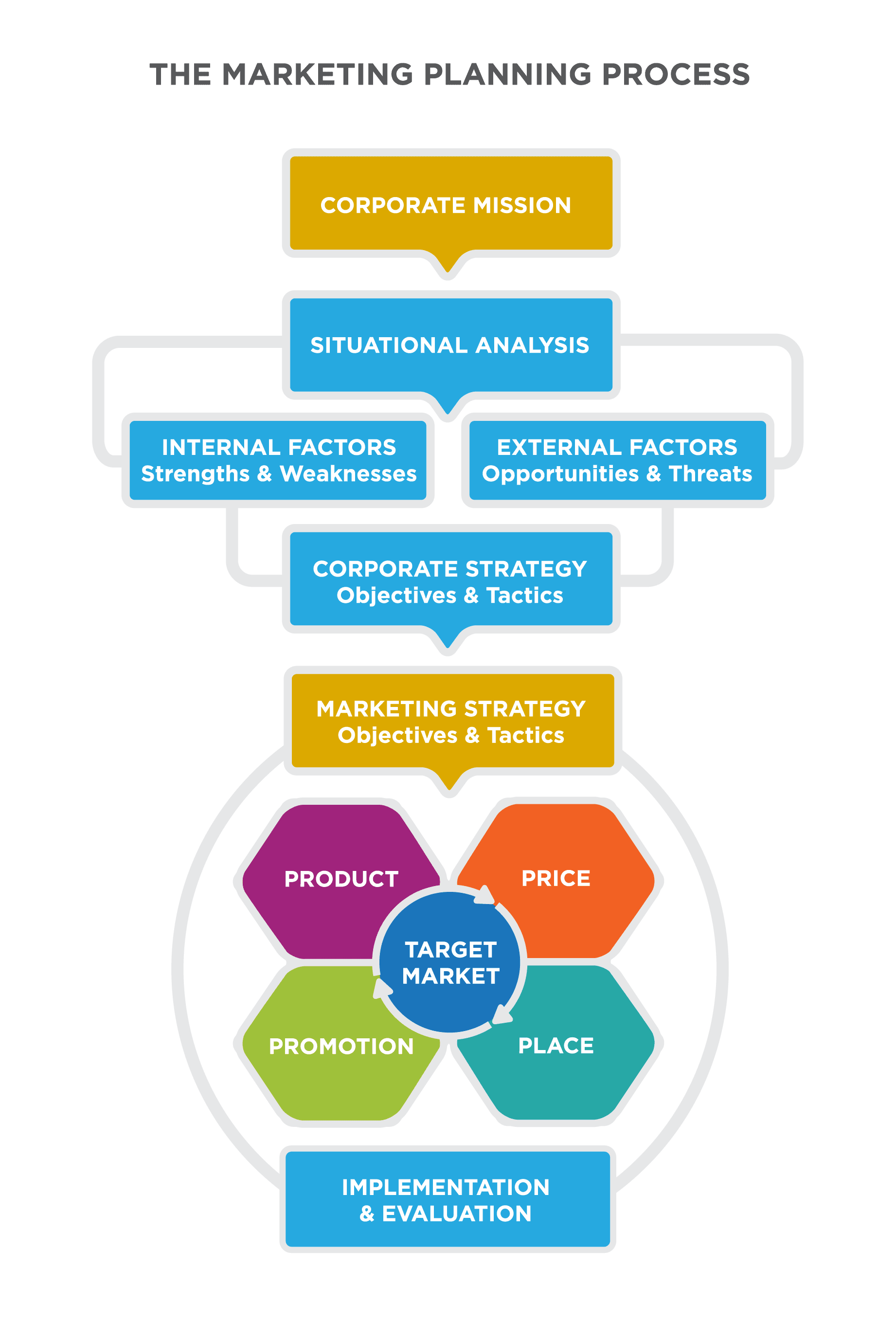
Reading: The Role of the Marketing Plan | Principles of Marketing View original
Is this image relevant?
New Product Development | Boundless Marketing View original
Is this image relevant?
Competitive Analysis - Clipboard image View original
Is this image relevant?
Reading: The Role of the Marketing Plan | Principles of Marketing View original
Is this image relevant?
Idea Generation and Screening
Idea generation is about casting a wide net to collect as many potential product ideas as possible. The goal is quantity first, quality later. Common sources include:
- Brainstorming sessions using techniques like mind mapping or lateral thinking
- Customer feedback from surveys, focus groups, and online reviews that reveal unmet needs
- Competitive analysis to spot gaps competitors haven't filled
- Trend spotting through social media monitoring and industry reports to catch emerging preferences early
Idea screening is the filter. Each idea gets evaluated against a set of criteria to weed out the weak ones before the company spends real money. The three main screening criteria are:
- Market potential: Is the target market large enough, growing, and profitable?
- Technical feasibility: Can the company actually build, manufacture, and deliver this product with its current resources?
- Strategic alignment: Does the idea fit the company's brand, business strategy, and long-term goals?
Screening is about saying "no" to most ideas so the company can focus resources on the few with real promise.
Concept Development, Testing, and Business Analysis
Once an idea passes screening, it gets shaped into a product concept: a detailed description of the product's features, benefits, design, and value proposition that explains how it differs from competitors.
Concept testing puts that concept in front of target customers to see how they react. Methods include surveys, prototype demonstrations, and simulated purchase exercises. The feedback loop matters here. You refine the concept based on what customers tell you, then test again if needed.
Business analysis is where the numbers come in. Before committing to full development, the company estimates:
- Costs: R&D, manufacturing, marketing, and distribution expenses
- Sales projections: Expected revenue and market share based on market size and demand
- Profitability and ROI: Net profit and return on investment over the product's lifecycle
If the numbers don't work, the product gets shelved or reworked, no matter how exciting the concept seemed.
Product Development and Test Marketing
Product development turns the approved concept into something real. This phase involves three overlapping processes:
- Design: CAD modeling and industrial design create detailed specs for the product's form, features, and user interface
- Engineering: Prototyping, testing, and refinement ensure the product meets functional, performance, and safety standards
- Manufacturing planning: Sourcing materials, planning production, and setting quality control standards so the product can be made at scale
Test marketing launches the product on a limited scale in carefully selected markets that resemble the broader target audience. The purpose is to see how the product performs in real-world conditions before committing to a full launch.
- Test markets are chosen based on demographic, psychographic, and behavioral similarity to the target market
- Tactics like sampling, promotions, and events drive awareness and trial
- Key metrics tracked include sales volume, market share, and customer satisfaction
One risk of test marketing: competitors can observe your test and prepare a response before you launch nationally.
Commercialization and Ongoing Optimization
Commercialization is the full-scale launch. Everything comes together at once:
- Production ramp-up to build enough inventory while maintaining quality
- Distribution through retail, online, or direct channels with the right logistics and partnerships in place
- Pricing set based on the product's value, competitive positioning, and what target customers are willing to pay
- Promotion through advertising, PR, and sales promotions to build awareness and drive initial purchases
The work doesn't stop at launch. Ongoing optimization means continuously gathering market feedback, tracking performance, and looking for opportunities to improve the product, add features, or extend the product line. Companies also plan for the full product lifecycle, including eventual updates, redesigns, and phase-out strategies.

Customer Input and Market Research
Customer input isn't a one-time event. It plays a specific role at every stage of the NPD process:
- Idea generation: Customer feedback and market trends reveal unmet needs and pain points that inspire new ideas
- Screening: Market research helps estimate demand, target market size, and the competitive landscape for each idea
- Concept testing: Direct engagement with target customers gauges reactions to features, benefits, pricing, and positioning
- Business analysis: Market research feeds into sales forecasts and market size estimates that determine financial viability
- Product development: Ongoing customer input helps optimize design, user experience, and functionality
- Test marketing: Real customer feedback on the actual product, price, and promotion guides final adjustments before full launch
Post-Launch Research and Future Innovation
After launch, continuous research keeps the product competitive:
- Customer satisfaction metrics like Net Promoter Score and repeat purchase rates reveal how the product is performing and where it needs improvement
- Competitive intelligence tracks emerging threats, substitutes, and innovations that might require product updates
- Customer ideas can inspire new variants, complementary products, or entirely new product lines
- Segmentation analysis may uncover new customer groups or markets that need adapted versions of the product
- Long-term product roadmaps incorporate all of this research to plan the product portfolio's evolution as markets shift
Risks and Challenges in New Product Development
Stage-Specific Risks
Every stage carries its own risks:
| Stage | Key Risk |
|---|---|
| Idea generation | Producing too many mediocre ideas and not enough truly innovative ones |
| Idea screening | Killing a great idea based on bad data, or greenlighting a weak one |
| Concept development/testing | Poorly communicating the concept to test participants, leading to unreliable feedback |
| Business analysis | Making inaccurate financial projections due to flawed assumptions or shifting market conditions |
| Product development | Technical problems, cost overruns, or timeline delays that let competitors beat you to market |
| Test marketing | Choosing unrepresentative test markets, or tipping off competitors about your plans |
| Commercialization | Failing to execute the marketing mix effectively, or misjudging initial market reception |

Overarching Risks and How to Manage Them
Beyond stage-specific issues, several risks can threaten the entire process:
- Budget overruns from underestimated costs, scope creep, or unexpected technical hurdles
- Delays caused by supplier problems, regulatory requirements, or internal coordination breakdowns that cause the company to miss its market window
- Changing market conditions like economic downturns, shifting customer preferences, or disruptive innovations that reduce demand for the product
- Competitive threats such as new entrants, substitute products, or price wars that erode the product's differentiation
Companies manage these risks through robust upfront planning and budgeting, agile development methods that allow quick pivots, scenario planning for different market conditions, and contingency plans that kick in when things go wrong.
Cross-Functional Teams for New Products
Successful NPD rarely happens within a single department. Cross-functional teams bring together people from across the organization so that technical, financial, and market perspectives all shape the product from the start.
Roles of Each Functional Area
- Marketing contributes market insights, customer understanding, and competitive intelligence to guide product strategy and positioning
- R&D and Engineering assess technical feasibility, develop specifications, and build prototypes that meet performance requirements
- Manufacturing provides input on production processes, capacity, cost, and quality to ensure the product can be made efficiently at scale
- Finance handles business analysis, cost estimates, pricing strategy, and ROI projections
- Sales shares frontline knowledge of customer needs, buying behavior, and channel dynamics to inform design and go-to-market plans
Best Practices for Cross-Functional Collaboration
Getting these different functions to work well together requires deliberate effort:
- Involve the team early. Bringing in diverse perspectives during ideation and concept development catches conflicts early, like when a desired feature would make manufacturing costs prohibitive.
- Communicate regularly. Scheduled cross-functional meetings and shared communication channels keep everyone aligned and prevent information silos.
- Use collaboration tools. Co-location is ideal, but virtual tools can also build trust and enable real-time problem-solving across departments.
- Define clear roles. Each member should know exactly what they're responsible for and what they need to deliver.
- Align incentives. Shared goals and metrics foster collective ownership. If marketing is measured on one thing and engineering on another, conflicts are inevitable.
- Empower the team. Leadership should give the team authority to make decisions and take calculated risks without getting bogged down in bureaucracy.
After launch, the same cross-functional team can continue collaborating on product improvements and extensions, building on the shared knowledge they developed during the initial process.
See Fiveable more often in Google
Mark Fiveable as a preferred source and Google is more likely to show you our guides in Top Stories, with a "preferred" badge in AI Mode and AI Overviews.