12.2 Situation Analysis and Objectives

📣Intro to Marketing Unit 12 Review
12.2 Situation Analysis and Objectives
📣 Intro to Marketing
Marketing strategy starts with understanding where you currently stand. A situation analysis examines your company's internal strengths and weaknesses alongside external market conditions. From there, you set clear marketing objectives that guide decision-making and keep your team focused on what matters most.
Situation Analysis: Internal vs External Factors

Top images from around the web for Conducting a Comprehensive Review
Reading: SWOT Analysis | Introduction to Marketing View original
Is this image relevant?
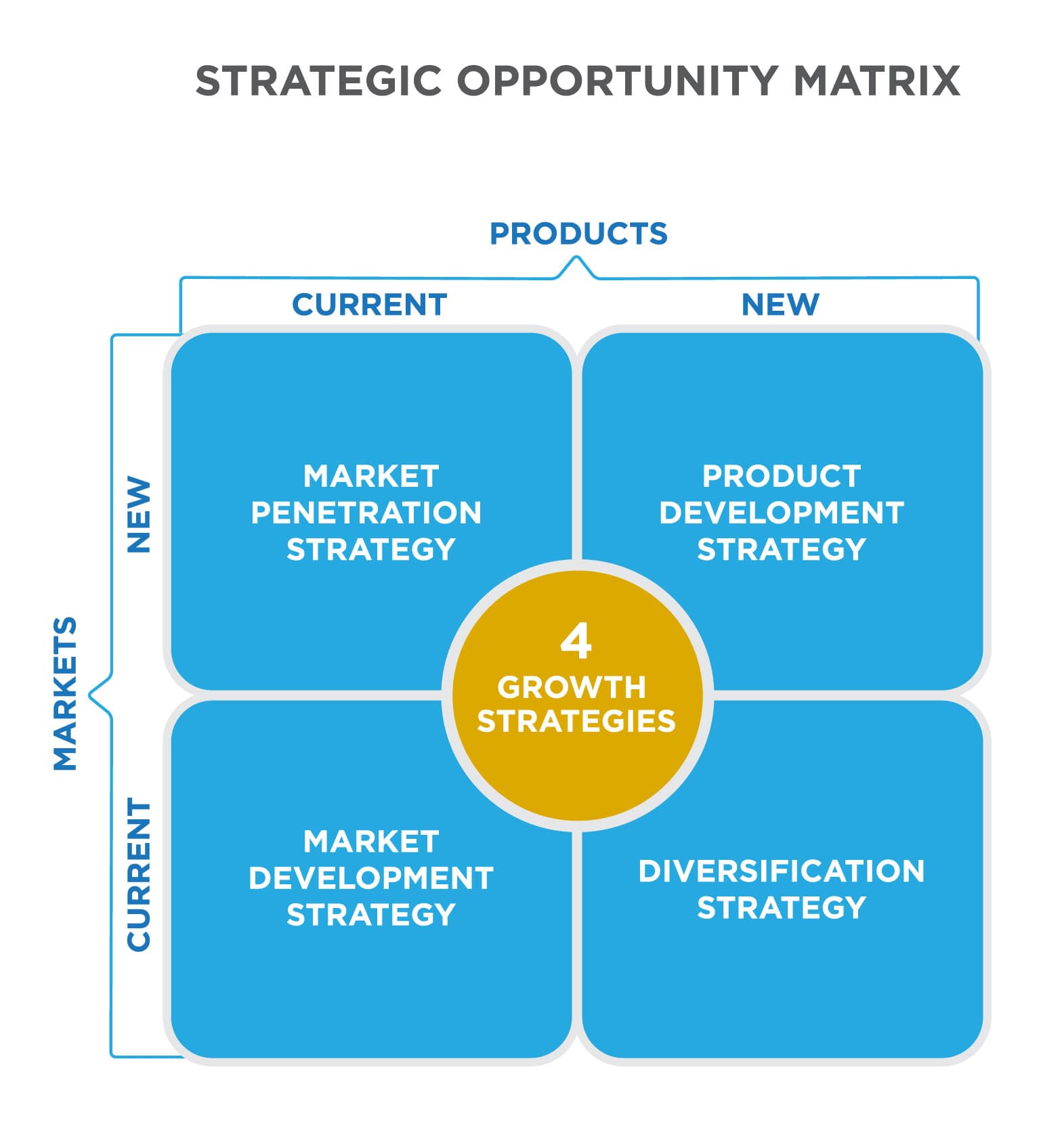
Strategic Opportunity Matrix | Principles of Marketing View original
Is this image relevant?
Creating the Marketing Strategy | Principles of Marketing View original
Is this image relevant?
Reading: SWOT Analysis | Introduction to Marketing View original
Is this image relevant?
Strategic Opportunity Matrix | Principles of Marketing View original
Is this image relevant?
Conducting a Comprehensive Review
A situation analysis is a thorough review of a company's current marketing environment, covering both internal and external factors that affect marketing performance. Think of it as a diagnostic check-up for your business before you make any strategic moves.
To conduct one, you gather and interpret data from sources like financial reports, customer feedback, market research, and industry benchmarks. The goal is to build a clear picture of where the business stands right now and spot areas for improvement or growth.
Analyzing Internal and External Factors
Internal factors are things within the company's control:
- Resources: financial, human, and technological assets the company has available
- Capabilities: how effectively the company can use those resources to hit marketing goals
- Strengths: areas where the company excels or holds a competitive edge (e.g., strong brand loyalty, proprietary technology)
- Weaknesses: limitations or gaps that hold the company back (e.g., limited budget, high employee turnover)
- Other internal factors include the current marketing mix, brand positioning, and performance metrics
External factors are forces outside the company's direct control:
- Market trends: shifts in consumer preferences, emerging industries, or changing demographics
- Customer needs and behaviors: what your target audience wants, what frustrates them, and how they buy
- Competitive landscape: what direct competitors are doing, their market share, and how they differentiate themselves
- Technological advancements: new tech that could disrupt the industry or open doors for innovation
- Economic conditions: inflation rates, consumer spending power, and overall market stability
- Legal/regulatory considerations: industry-specific regulations or changes in laws that affect how you operate
SWOT Analysis: Strengths, Weaknesses, Opportunities, and Threats
A SWOT analysis organizes the findings from your situation analysis into four categories. Strengths and weaknesses are internal; opportunities and threats are external.

Evaluating Internal Factors: Strengths and Weaknesses
Strengths give the company a competitive advantage. Examples include:
- Proprietary technology, exclusive partnerships, or a highly skilled workforce
- A strong brand reputation built through consistent quality or effective marketing
- Efficient operations, such as a well-optimized supply chain or cost-saving processes
Weaknesses hinder performance or put the company at a disadvantage. Examples include:
- A tight marketing budget, understaffed departments, or a lack of key expertise
- Outdated technology that slows production or reduces efficiency
- Poor customer service that leads to negative reviews and high churn rates
Assessing External Factors: Opportunities and Threats
Opportunities are external conditions the company can capitalize on:
- Emerging market trends that open the door to new product categories or geographic regions
- Untapped customer segments that could respond well to tailored offerings
- New technologies that enable innovative products or better customer experiences
Threats are external conditions that could hurt the company:
- Intense competition that drives price wars or erodes market share
- Changing customer preferences that make current products less relevant
- Economic downturns that reduce consumer spending and tighten budgets
The SWOT analysis should flow directly from your situation analysis and provide a concise summary of the company's current market position.
Marketing Objectives: Clear and Measurable

Defining SMART Objectives
Marketing objectives are specific, measurable goals a company sets based on insights from the situation analysis. They answer the question: What exactly are we trying to accomplish with our marketing?
Objectives should follow the SMART framework:
- Specific: clearly define the desired outcome with no vague language (e.g., "increase Instagram followers among 18-24 year olds" rather than "grow social media presence")
- Measurable: include quantifiable targets or KPIs so you can track progress
- Achievable: be realistic given the company's resources and market conditions
- Relevant: align with the company's overall mission, vision, and strategic priorities
- Time-bound: include a clear deadline or timeframe (e.g., "within Q3" or "by end of fiscal year")
Setting SMART objectives helps marketers focus their efforts, allocate resources wisely, and know whether they're actually making progress.
Prioritizing and Tracking Objectives
Common marketing objectives and how to measure them:
- Increasing brand awareness: track website traffic, social media engagement, or survey recognition scores
- Improving customer satisfaction: monitor Net Promoter Scores (NPS), customer feedback, or retention rates
- Growing market share: compare your sales volume or revenue against competitors or industry benchmarks
- Launching new products: evaluate sales figures, customer adoption rates, or product reviews
- Enhancing customer loyalty: measure repeat purchase rates, customer lifetime value, or referral program participation
Not all objectives carry equal weight. Prioritize based on two factors: potential impact on the business and feasibility given current resources. High-impact objectives that align closely with strategic priorities come first. Objectives that require significant resources or face major barriers may need to be broken into smaller, more manageable goals.
Regularly tracking progress lets you adjust strategies when something isn't working and double down on what is.
Marketing Alignment: Mission and Vision
Ensuring Consistency with Company Direction
A company's mission statement defines its purpose, values, and target customers. The vision statement outlines where the company wants to be in the long run. Marketing objectives should directly support both.
This means:
- Prioritizing objectives that contribute to the company's core purpose and long-term goals
- Making sure marketing strategies and tactics reflect the company's values and resonate with target customers
- Keeping messaging, branding, and customer experience consistent, which builds trust and loyalty over time
When objectives are aligned, every marketing initiative pushes the company in the same direction. When they're not, teams end up pulling in different directions.
Maintaining Relevance and Adaptability
Misaligned objectives create real problems. Resources get wasted on initiatives that don't support the company's direction. Inconsistent messaging confuses customers and can damage brand reputation.
To stay aligned:
- Review objectives regularly as the company's strategic direction evolves. New priorities or target audiences may require updated marketing goals.
- Watch for market shifts. Changes in trends, customer preferences, or the competitive landscape may call for adjustments to your strategy and objectives.
- Keep communication open between marketing teams and company leadership. Alignment isn't a one-time exercise; it requires ongoing collaboration to stay responsive to changing conditions.
See Fiveable more often in Google
Mark Fiveable as a preferred source and Google is more likely to show you our guides in Top Stories, with a "preferred" badge in AI Mode and AI Overviews.