9.1 E-commerce and Online Marketing

📣Intro to Marketing Unit 9 Review
9.1 E-commerce and Online Marketing
📣 Intro to Marketing
E-commerce has reshaped how goods and services are bought and sold. Understanding how online transactions, digital marketing channels, and website design work together is central to modern marketing strategy. This unit covers e-commerce fundamentals, the key online marketing tactics businesses use, and how website design supports online sales.
E-commerce Fundamentals and Modern Marketing

Top images from around the web for The Growth and Impact of E-commerce
Putting It Together: Consumer Behavior | Principles of Marketing View original
Is this image relevant?
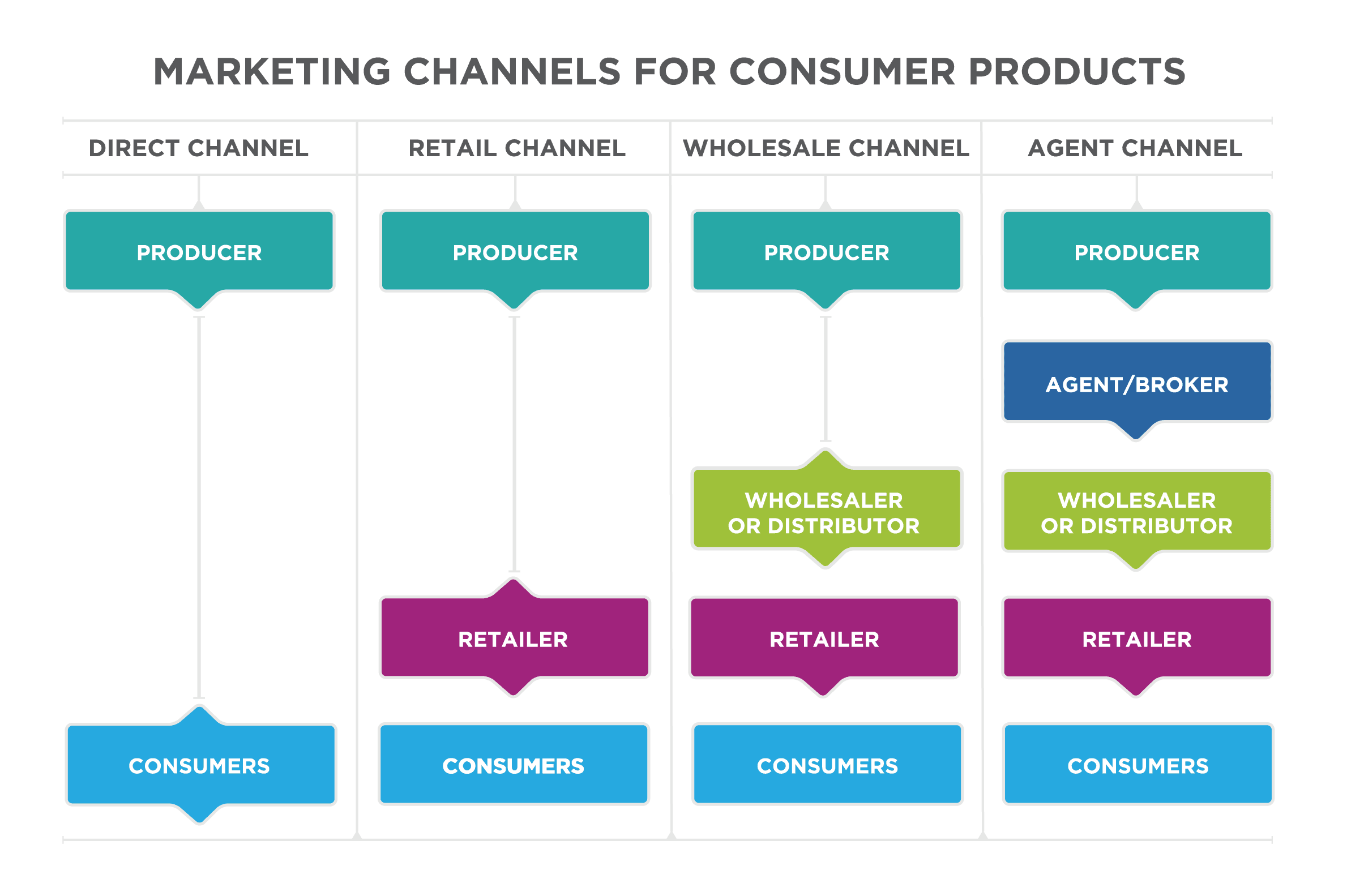
Putting It Together: Place: Distribution Channels | Principles of Marketing View original
Is this image relevant?
The Retail Mix | Retail Management View original
Is this image relevant?
Putting It Together: Consumer Behavior | Principles of Marketing View original
Is this image relevant?
Putting It Together: Place: Distribution Channels | Principles of Marketing View original
Is this image relevant?
The Growth and Impact of E-commerce
E-commerce refers to the buying and selling of goods or services over the internet. It covers everything from a customer ordering shoes on a website to a business purchasing software through an online subscription.
The shift to e-commerce has changed consumer behavior in a few important ways:
- Customers can shop anytime, from anywhere, and compare prices across sellers in seconds
- Businesses can reach a global audience and operate 24/7 without the overhead of a physical storefront
- Online marketplaces like Amazon and eBay give even small businesses access to millions of potential buyers by providing a shared platform
The Rise of Mobile Commerce and Adapting Marketing Strategies
Mobile commerce (m-commerce) is the subset of e-commerce that happens on smartphones and tablets. As more consumers shop on their phones, businesses have had to rethink how they design websites and run campaigns.
Two big priorities have emerged:
- Mobile optimization: Websites and ads need to look good and function smoothly on smaller screens. A site that's hard to navigate on a phone will lose customers fast.
- Personalization: Techniques like targeted product recommendations ("customers who bought X also bought Y") and customized email campaigns help businesses build stronger connections with online shoppers and drive repeat sales.
Effective Online Marketing Campaigns
Defining the Target Audience and Creating Engaging Content
Every effective online campaign starts with knowing who you're trying to reach. A well-defined target audience lets you tailor your messaging, choose the right channels, and spend your budget where it counts.
To define that audience, businesses typically:
- Conduct market research (surveys, analytics, competitor analysis)
- Create buyer personas, which are fictional profiles that represent key customer segments, including their preferences, behaviors, and pain points
- Use those personas to guide content creation and ad targeting
Once you know your audience, you need content that draws them in. Blog posts, videos, and infographics can attract potential customers while building brand credibility. That content should also be optimized for search engines (SEO) so it ranks well in search results and drives organic (unpaid) traffic to the site.
Leveraging Digital Advertising and Social Media Marketing
Pay-per-click (PPC) advertising, such as Google Ads, lets businesses place targeted ads in search results and on other websites. The business pays only when someone actually clicks the ad. PPC is effective because it reaches users who are already searching for relevant products or keywords.
Social media marketing uses platforms like Facebook, Instagram, and TikTok to build brand awareness, engage with customers, and drive website traffic. Consistently posting valuable content and responding to followers helps businesses foster relationships and encourage user-generated content (UGC), where customers create posts featuring the brand on their own.

Nurturing Leads and Optimizing Conversion Rates
Not every visitor is ready to buy right away. Email marketing helps businesses stay in touch with potential and existing customers through personalized campaigns. Segmenting email lists by subscriber preferences, past purchases, or demographics makes those emails more relevant and effective.
Conversion rate optimization (CRO) is the process of improving the percentage of website visitors who take a desired action, whether that's making a purchase, signing up for a newsletter, or filling out a form. One common CRO technique is A/B testing: you create two versions of a page element (a headline, a button color, a call-to-action) and see which version performs better. Over time, these small improvements add up.
Website Design for Online Sales
Intuitive Navigation and Responsive Design
A well-designed website makes it easy for users to find what they're looking for. That means clear categories, descriptive labels, and a working search function. If visitors feel lost, they leave.
- Responsive web design ensures the site adapts to different screen sizes, so it works just as well on a phone as on a desktop
- Fast loading times are critical. Users expect pages to load in a few seconds. Slow sites lead to higher bounce rates (visitors leaving without interacting)
Enhancing Product Presentation and Building Trust
Online shoppers can't touch or try products, so the website has to compensate. High-quality images, detailed descriptions, multiple product views, and zoom functionality help customers feel confident about what they're buying. Video demonstrations can further bridge the gap between online and in-store experiences.
Trust signals also matter:
- Customer reviews and ratings provide social proof and influence purchasing decisions
- Trust badges, such as security certifications (SSL) and recognized payment provider logos, reassure customers that their personal and financial information is safe
Streamlining the Checkout Process and Personalizing the Experience
Cart abandonment is one of the biggest challenges in e-commerce. A complicated checkout process is a major cause. To reduce it:
- Keep the number of steps to a minimum
- Offer guest checkout so users don't have to create an account
- Provide multiple secure payment options
- Save customer information for future purchases (with permission)
Personalization extends beyond the browsing experience. Automated emails like abandoned cart reminders ("You left something behind") and post-purchase follow-ups help recover lost sales and build loyalty over time.

Online Marketing Channels for Business Models
Different channels work better for different business goals. The key is matching the channel to your audience and what you're trying to achieve.
Search Engine Marketing and Content Marketing
Search engine marketing (SEM) includes both SEO and PPC. It's most effective for businesses targeting customers who are actively searching for specific products or solutions. Better keyword optimization, high-quality backlinks, and mobile-friendly design all contribute to higher search rankings.
Content marketing (blogging, video creation, guides) works well for businesses that want to establish thought leadership and attract organic traffic over the long term. Unlike paid ads, content marketing builds compounding value: a well-written blog post can keep driving traffic for months or years.
Social Media and Influencer Marketing
Social media marketing is especially valuable for businesses with visually appealing products or those targeting younger demographics. Platforms like Instagram and Pinterest let brands showcase products in a lifestyle context.
Influencer marketing involves partnering with individuals who have a loyal following in a specific niche. This can take the form of product reviews, sponsored posts, or social media takeovers. The influencer's credibility transfers to the brand, generating social proof and exposing the business to new audiences.
Affiliate Marketing and Email Marketing
Affiliate marketing is a performance-based model where businesses pay commissions to external partners (bloggers, websites, industry experts) for each customer or sale they refer. It's cost-effective because you only pay for results.
Email marketing is one of the highest-ROI channels for businesses with an existing customer base. To maximize its effectiveness:
- Segment your lists so messages are relevant to each group
- Create compelling subject lines and content
- Automate campaigns based on customer behavior (welcome sequences, re-engagement emails, purchase follow-ups)
Display Advertising and Retargeting
Display advertising (banner ads on websites) is useful for brand awareness and reaching a broad audience, though click-through rates tend to be lower than search or social ads. Targeting ads by user demographics, interests, or browsing behavior improves relevance and performance.
Retargeting is a specific type of display advertising that shows ads to users who have already visited your website. For example, if someone views a product page but doesn't buy, retargeting ads can follow them across other sites, reminding them of that product. This re-engages potential customers and helps recover sales that might otherwise be lost.
See Fiveable more often in Google
Mark Fiveable as a preferred source and Google is more likely to show you our guides in Top Stories, with a "preferred" badge in AI Mode and AI Overviews.