11.1 Ethical Issues in Marketing

📣Intro to Marketing Unit 11 Review
11.1 Ethical Issues in Marketing
📣 Intro to Marketing
Marketing ethics is about navigating the tension between a company's drive for profit and its responsibility to treat consumers, communities, and the environment fairly. Understanding these ethical issues matters because marketing decisions directly shape what people buy, how they spend, and what information they receive. This section covers the main ethical dilemmas marketers face, the consequences of unethical practices, strategies for doing better, and the role of professional codes of conduct.
Ethical Dilemmas in Marketing

Top images from around the web for Product Safety and Disclosure
File:Thorazine advert.jpg - Wikimedia Commons View original
Is this image relevant?
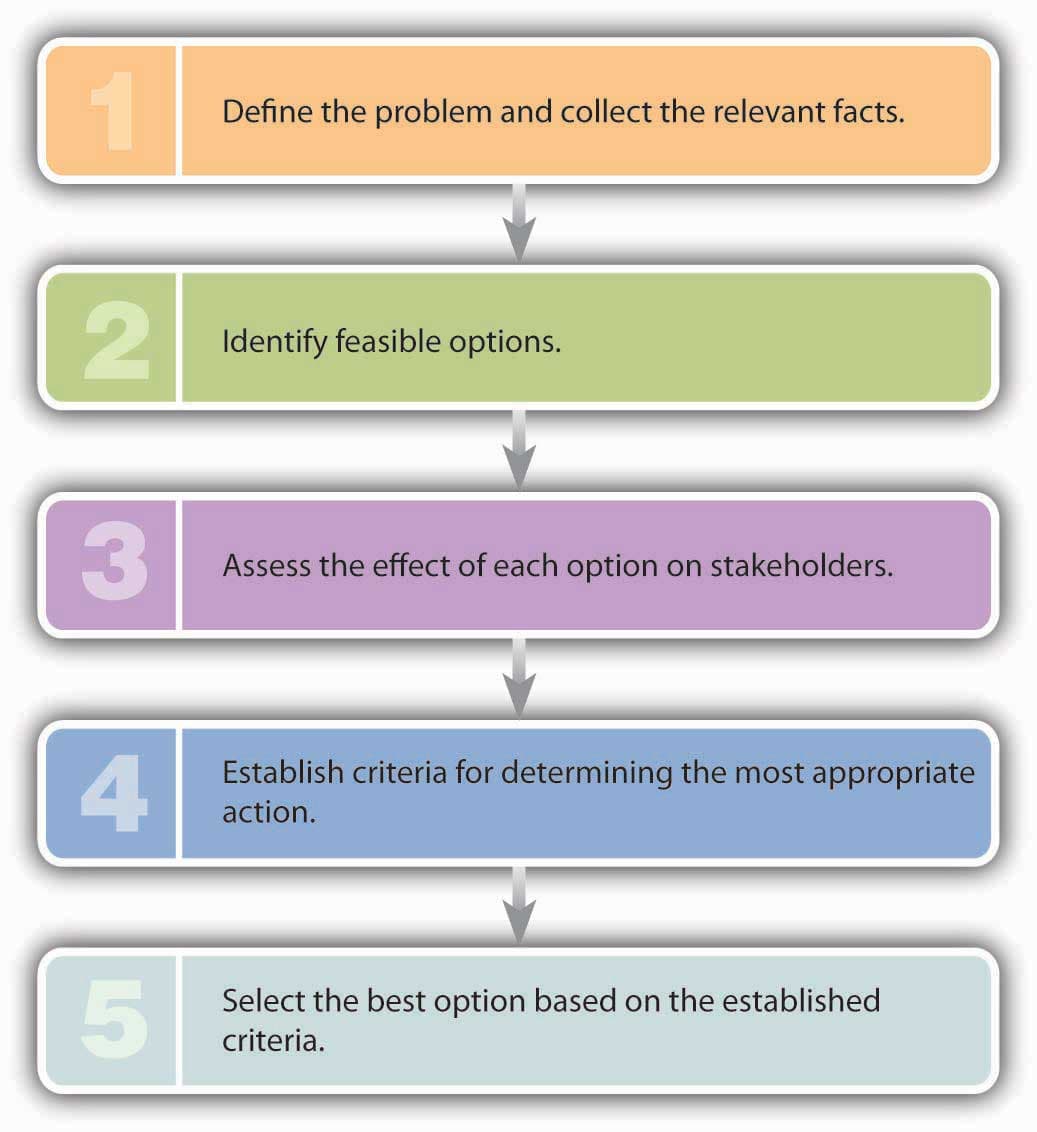
3.3 The Individual Approach to Ethics – Foundations of Business View original
Is this image relevant?
Ethical Advertising - Free of Charge Creative Commons Chalkboard image View original
Is this image relevant?
File:Thorazine advert.jpg - Wikimedia Commons View original
Is this image relevant?
3.3 The Individual Approach to Ethics – Foundations of Business View original
Is this image relevant?
Product Safety and Disclosure
Marketers regularly face tough calls about how much to reveal regarding product risks. The core question is: how transparent should you be when full disclosure might hurt sales?
- Companies must decide how prominently to display warning labels, whether to recall products with known defects, and how openly to communicate potential side effects.
- The ethical standard is clear in theory (disclose everything), but in practice, companies weigh legal liability, competitive pressure, and consumer perception.
- A well-known example: pharmaceutical companies marketing antidepressants had to decide whether to prominently highlight the rare but serious risk of increased suicidal thoughts in young adults. The FDA eventually required a black box warning, the strongest label warning available.
Advertising Ethics and Targeting
Advertising raises questions about truthfulness, manipulation, and who's being targeted.
- Marketers must balance persuasion with honesty. There's a difference between presenting your product favorably and making misleading claims.
- Targeting vulnerable populations is especially controversial. Children, the elderly, and people in financial distress may lack the ability to critically evaluate marketing messages. For instance, McDonald's advertising Happy Meals during children's TV programming sparked debate because young kids can't distinguish ads from entertainment and can't make informed dietary choices.
- Deceptive tactics like bait-and-switch offers, fake testimonials, or exaggerated claims cross the line from persuasion into manipulation.
Pricing Fairness and Transparency
Pricing strategies can create ethical problems even when they're technically legal.
- Price discrimination means charging different prices to different consumers based on factors like location, browsing history, or device type. An e-commerce site showing higher prices to Apple users than Android users, for example, raises fairness concerns because it exploits inferred willingness to pay.
- Dynamic pricing adjusts prices in real time based on demand. Think of ride-sharing surge pricing or airline tickets that change by the hour. While this reflects supply and demand, it can make it nearly impossible for consumers to know if they're getting a fair deal.
- The ethical issue in both cases is transparency: are consumers aware that prices vary, and do they understand why?
Consumer Privacy and Data Use
Digital marketing has made data collection a central ethical battleground.
- Companies gather enormous amounts of personal information through website tracking, loyalty programs, social media activity, and app usage. The question is whether consumers truly understand and consent to this collection.
- Using that data for targeted advertising can feel helpful (relevant ads) or invasive (ads that seem to "know too much"). The line gets especially blurry with sensitive attributes like health conditions, political beliefs, or financial status.
- Selling consumer data to third parties without clear consent, or failing to protect it from breaches, can lead to identity theft, discrimination, and manipulation.
- Example: Social media platforms allowing advertisers to micro-target users based on sensitive personal attributes have faced significant public backlash and regulatory scrutiny.
Corporate Social Responsibility
CSR dilemmas arise when profit goals conflict with broader social and environmental well-being.
- Marketers face trade-offs between cost efficiency and ethical sourcing, fair labor practices, and environmental sustainability.
- A clothing retailer, for instance, might weigh the higher cost of eco-friendly packaging or fair wages for supply chain workers against the impact on margins.
- These decisions also involve authenticity. Consumers increasingly punish companies that claim social responsibility without following through, a practice known as greenwashing.
Impact of Unethical Marketing
Erosion of Consumer Trust
Trust is one of the most valuable assets a brand can have, and unethical behavior destroys it quickly.
- When consumers discover they've been deceived, loyalty drops and negative word-of-mouth spreads fast, especially on social media.
- Rebuilding trust takes far longer than losing it. Toyota experienced significant sales declines after it was revealed the company had been slow to address accelerator pedal defects, even though the eventual recall was massive.

Consumer Harm and Ill-Informed Decisions
Deceptive marketing leads people to make choices they wouldn't make with accurate information.
- False health claims can cause real physical harm. Supplement companies have faced lawsuits after consumers relied on unsubstantiated claims about herbal weight loss pills and delayed seeking proven medical treatment.
- Price gouging during crises (natural disasters, pandemics) and hidden fees cause direct financial harm.
- Bait-and-switch tactics waste consumers' time and money while undermining fair competition.
Violation of Consumer Privacy
When companies mishandle personal data, the consequences go beyond bad publicity.
- The Target data breach exposed millions of customers' credit card numbers and personal details, leading to financial fraud and lasting anxiety for affected consumers.
- Privacy violations can also enable discrimination, such as when data is used to offer different loan rates or insurance prices based on race or zip code without consumers' knowledge.
Societal and Environmental Consequences
Marketing doesn't just affect individual consumers; it shapes culture and resource use.
- Advertising that promotes excessive consumption contributes to environmental degradation.
- Ads that perpetuate unrealistic body images, gender stereotypes, or racial biases can normalize harmful attitudes. Beauty brands have faced backlash for heavily Photoshopped images that contribute to body image issues, particularly among young women.
Damage to Industry Reputation
When high-profile ethical failures occur, the entire marketing profession suffers.
- Scandals lead to stricter regulation that affects all companies, not just the offenders. Purdue Pharma's misleading marketing of OxyContin contributed to the opioid crisis and triggered sweeping regulatory changes across the entire pharmaceutical industry.
- Lawsuits and fines impose direct financial costs, while the resulting public distrust makes it harder for even ethical marketers to connect with consumers.
Strategies for Ethical Marketing
Establishing Ethical Guidelines and Culture
A written code of ethics is the foundation, but culture is what makes it stick.
- Companies should implement a clear, comprehensive code of ethics that all employees review and sign.
- Regular ethics training with real-world scenario discussions keeps the guidelines practical rather than abstract.
- An organizational culture that rewards integrity, not just results, helps prevent ethical shortcuts.
Stakeholder Engagement and Transparency
Ethical blind spots often come from only hearing internal perspectives.
- Seeking input from consumers, advocacy groups, employees, and community members can surface concerns that marketers might miss. A food company consulting nutritionists and consumer groups when developing product labeling (like front-of-package nutrition scores) is a good example.
- Transparency about practices like data collection, sponsored content, and pricing policies demonstrates respect for consumer autonomy.

Proactive Ethical Decision-Making
The best time to catch ethical problems is before a campaign launches, not after a scandal breaks.
- Build ethical review into the planning process from the start, not as an afterthought.
- Use structured tools like ethical checklists, impact assessments, or stakeholder analysis to evaluate each campaign's potential harms, fairness, and transparency.
- Empower employees at all levels to raise concerns and challenge questionable practices without fear of retaliation.
Monitoring and Accountability Mechanisms
Even good systems need oversight to stay effective.
- Establish anonymous reporting channels (like a hotline) so employees can flag suspected violations safely.
- Conduct regular audits of marketing practices to catch problems early.
- Set clear consequences for ethical breaches, from disciplinary action to termination. Without enforcement, codes of ethics become empty documents.
Professional Codes of Conduct for Marketing
Industry Standards and Principles
Professional organizations provide shared ethical standards that guide the entire marketing field.
- These codes typically address honesty, transparency, fairness, and respect for consumer rights.
- Key examples include the American Marketing Association's Statement of Ethics, the International Chamber of Commerce's Advertising and Marketing Communication Practice, and the Direct Marketing Association's Guidelines for Ethical Business Practice.
Guidance for Ethical Decision-Making
Codes of conduct give marketers a common framework for working through ethical gray areas.
- They offer specific guidance on issues like truthful advertising, consumer privacy, environmental claims, and marketing to vulnerable audiences.
- When a marketer isn't sure whether a celebrity endorsement could be seen as deceptive, for instance, their industry code provides concrete criteria to evaluate the decision.
Self-Regulation and Accountability
The marketing industry uses self-regulation to maintain standards without waiting for government intervention.
- Organizations like the Advertising Self-Regulatory Council (ASRC) in the US monitor compliance and handle complaints.
- Companies can voluntarily submit claims (like environmental marketing assertions) to third-party review to ensure accuracy and avoid greenwashing.
- Self-regulation works best when it's visible and credible, demonstrating to the public that the industry takes ethics seriously.
Enforcement and Consequences
Codes without enforcement carry little weight. Violations can result in real penalties.
- Industry associations may investigate breaches and impose sanctions like fines, suspension, or revocation of professional certifications.
- Government regulators sometimes use professional codes as benchmarks when evaluating legal compliance.
- Example: A marketing professional could lose their AMA accreditation for plagiarizing ad content.
Continuous Improvement and Relevance
Ethical standards must evolve as marketing practices change.
- New technologies like AI-driven personalization, influencer marketing, and algorithmic targeting create ethical questions that older codes didn't anticipate.
- Industry associations should regularly survey members and the public to identify emerging concerns and update their guidelines accordingly.
- A code that hasn't been revised in a decade is unlikely to address the ethical challenges marketers face today.
See Fiveable more often in Google
Mark Fiveable as a preferred source and Google is more likely to show you our guides in Top Stories, with a "preferred" badge in AI Mode and AI Overviews.