7.5 Senescence and programmed cell death

🥀Intro to Botany Unit 7 Review
7.5 Senescence and programmed cell death
🥀 Intro to Botany
Senescence in Plants
Senescence is a highly regulated process where plants break down cellular components and shuttle the recovered nutrients to other parts of the plant. Think of autumn leaves changing color: that's senescence in action. The plant is actively dismantling its leaf cells and pulling valuable resources like nitrogen back into the stems and roots before winter.
This process is critical for nutrient recycling and overall plant survival. It can be triggered by age, environmental stress, or hormonal signals.
Definition of Senescence
Senescence refers to the final stage of organ development (most commonly studied in leaves), characterized by the orderly degradation of cellular components and remobilization of nutrients. Two things to keep straight:
- It's genetically programmed, not random decay. The plant "decides" to break down those cells.
- It's an active process that requires ongoing gene expression and protein synthesis. The cell is working hard even as it dies.
Types of Senescence
- Developmental senescence occurs as part of the normal life cycle. Deciduous trees like oaks and maples dropping their leaves each fall are the classic example.
- Stress-induced senescence is triggered by environmental factors like drought, nutrient deficiency, or extreme temperatures. The plant cuts its losses on damaged tissue.
- Reproductive senescence occurs in flowers and fruits after fertilization and seed development. Once the reproductive job is done, those organs are dismantled.
Causes of Senescence
Several factors can initiate senescence, and they often work together:
- Age: Leaves have a built-in developmental clock. Even under ideal conditions, they'll eventually senesce.
- Environmental stresses: Drought, nutrient deficiency, and temperature extremes can accelerate the process.
- Hormonal signals: Ethylene and abscisic acid promote senescence, while cytokinins delay it (more on this below).
- Reproductive development: When a plant starts forming flowers and fruits, it redirects nutrients away from leaves, which triggers leaf senescence. This is why heavily fruiting plants often lose leaves faster.
Hormonal Regulation of Senescence
Hormones act as the plant's internal messaging system for controlling when and how fast senescence proceeds:
- Ethylene promotes senescence by turning on senescence-associated genes (SAGs). This is the same hormone that ripens fruit.
- Abscisic acid (ABA) also promotes senescence, especially in response to drought and other stresses.
- Cytokinins delay senescence by promoting cell division and maintaining chlorophyll levels. Plants with higher cytokinin levels in their leaves stay green longer.
- Auxins can also delay leaf senescence, though their role is less clearly understood than the other hormones listed here.
The balance between these pro-senescence and anti-senescence hormones determines the timing and speed of the process.
Nutrient Remobilization During Senescence
During senescence, the plant recovers valuable nutrients from dying tissues:
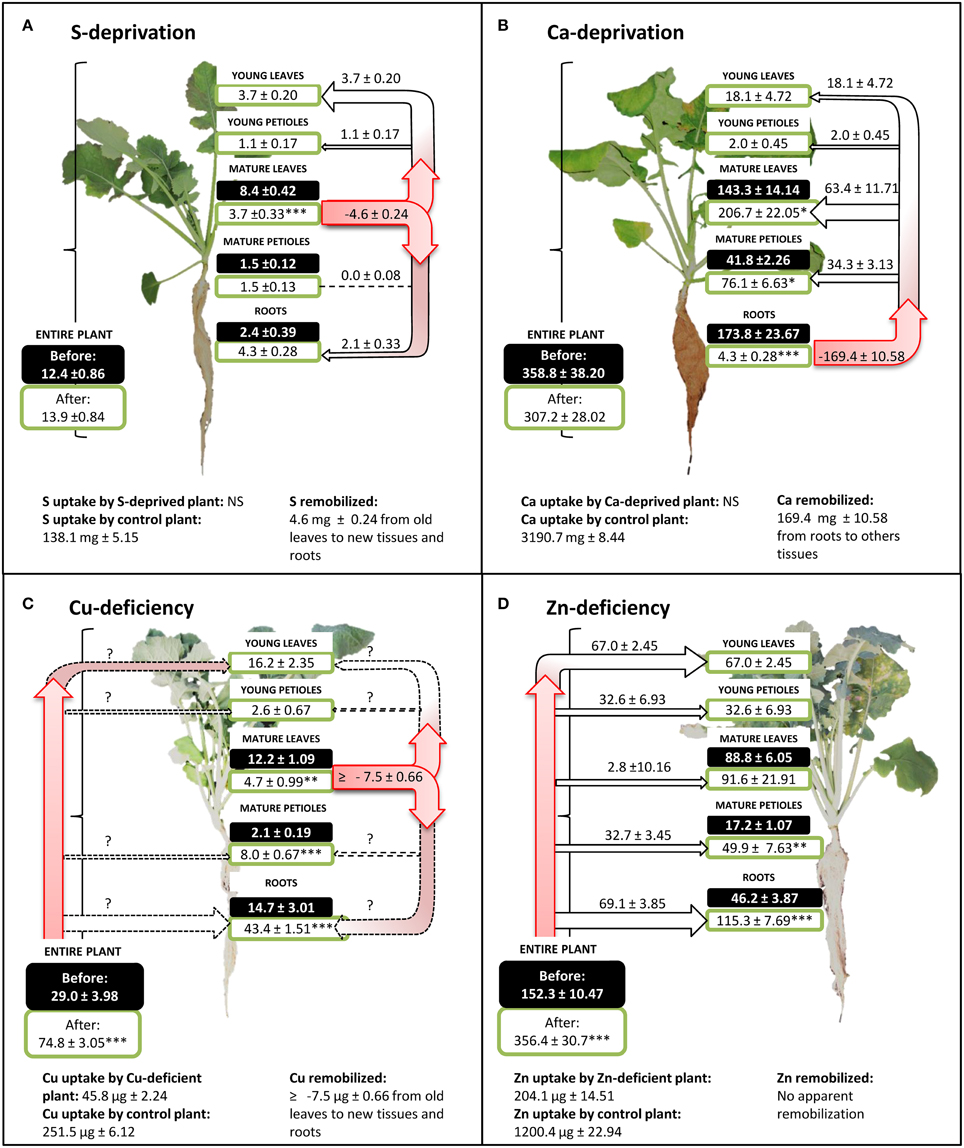
- Nitrogen, phosphorus, and potassium are the primary nutrients remobilized from senescing leaves to growing tissues, developing seeds, or storage organs.
- This recycling is especially important in annual plants, which complete their entire life cycle in one season and need to pack as many resources as possible into their seeds before dying.
- Even in perennials, nutrient remobilization from leaves before winter conserves resources that would otherwise be lost when leaves drop.
Chlorophyll Degradation in Senescence
The yellowing of autumn leaves is the most visible sign of senescence, and it happens because chlorophyll is being actively broken down.
- Enzymes like chlorophyllase and Mg-dechelatase dismantle chlorophyll molecules in a controlled sequence.
- As green chlorophyll disappears, other pigments (carotenoids, anthocyanins) that were already present become visible, producing yellow, orange, and red colors.
- Chlorophyll breakdown isn't just cosmetic. It allows the plant to recycle the nitrogen trapped in chlorophyll molecules, which is a significant nitrogen source.
Senescence-Associated Genes (SAGs)
SAGs are genes that get switched on specifically during senescence. They're the molecular workforce carrying out the dismantling process.
- SAGs encode proteins like proteases (break down other proteins), lipases (break down membrane lipids), and nutrient transporters (move recovered nutrients out of the dying cell).
- Their expression is tightly controlled by transcription factors and hormonal signals, ensuring senescence proceeds in an orderly way.
- Researchers use SAGs as molecular markers to track how far senescence has progressed in experimental studies.
Programmed Cell Death (PCD) in Plants
Programmed cell death is a genetically controlled process where specific cells or groups of cells are killed off in a deliberate, organized way. Unlike senescence, which typically affects whole organs gradually, PCD can target individual cells and often happens rapidly. It plays essential roles in development, pathogen defense, and stress responses.
Definition of PCD
PCD is the controlled, genetically programmed death of cells or tissues. Like senescence, it's an active process requiring gene expression and energy input. The cell doesn't just fall apart; it's systematically dismantled from the inside.
PCD vs. Necrosis
This distinction comes up frequently, so make sure you can tell them apart:
| Feature | PCD | Necrosis |
|---|---|---|
| Control | Genetically regulated, orderly | Uncontrolled, caused by external damage |
| Energy | Requires energy (active process) | Passive, no energy required |
| Cell changes | Cell shrinkage, DNA fragmentation | Cell swelling and rupture |
| Trigger | Internal signals, developmental cues, pathogen recognition | Physical injury, toxins, extreme conditions |
The key idea: PCD is the plant choosing to kill a cell. Necrosis is a cell being destroyed against the plant's "wishes."
Types of PCD in Plants
- Developmental PCD: Part of normal growth. Examples include formation of xylem vessels, deletion of root cap cells, and the holes in lace plant leaves.
- Pathogen-induced PCD: Triggered when the plant recognizes a pathogen. Leads to the hypersensitive response (HR), where cells around the infection site rapidly die to wall off the invader.
- Abiotic stress-induced PCD: Occurs in response to drought, salinity, or extreme temperatures. Helps the plant eliminate damaged cells and conserve resources.
Developmental PCD
Developmental PCD is how plants build some of their most important structures. The best example is xylem vessel formation. Tracheary elements (the water-conducting cells of xylem) must die and hollow out to function as pipes. Without PCD, the plant couldn't transport water.
Other examples include:
- Root cap cells are continuously produced and then killed off as the root pushes through soil.
- Lace plant (Aponogeton madagascariensis) leaf perforations form when specific cells undergo PCD, creating the characteristic holes in the leaves.
All of these are tightly regulated by hormonal signals and transcription factors.
Pathogen-Induced PCD
When a plant detects a pathogen, one of its most effective defenses is to kill its own cells at the infection site. This is the hypersensitive response (HR).
- The plant recognizes pathogen-associated molecular patterns (PAMPs) or specific effector proteins from the pathogen.
- Cells at and around the infection site rapidly undergo PCD.
- The dead cells form a barrier that starves the pathogen of living tissue to feed on.
- The HR can also trigger systemic acquired resistance (SAR), a whole-plant immune response that protects against future infections.
This strategy works especially well against biotrophic pathogens (those that need living host cells to survive).
Abiotic Stress-Induced PCD
Drought, high salinity, and extreme temperatures can all trigger PCD. The logic here is triage: the plant sacrifices damaged or unproductive cells to redirect resources toward cells that can still function. The molecular mechanisms are complex and involve multiple overlapping signaling pathways, including hormone signaling and ROS production.
Molecular Mechanisms of PCD
At the molecular level, PCD involves a tug-of-war between pro-survival and pro-death signals. The main players are:
- Caspase-like proteases (metacaspases): Enzymes that cleave specific target proteins, dismantling cellular structures. Their activity is tightly regulated by inhibitors and activators so PCD only happens when appropriate.
- Reactive oxygen species (ROS): Molecules like hydrogen peroxide () and superoxide () act as signaling molecules. At low concentrations they can serve as signals; at high concentrations they cause oxidative damage that pushes cells toward death.
- Mitochondria: Similar to their role in animal apoptosis, plant mitochondria release pro-death factors (such as cytochrome c) and generate ROS. Permeabilization of the mitochondrial outer membrane is a key trigger for PCD.
The balance between these signals determines whether a given cell lives or dies.
Relationship Between Senescence and PCD
Senescence and PCD are related but not identical. Both involve controlled cellular breakdown, but they differ in scale, speed, and primary function.
Senescence as a Form of PCD
Senescence can be considered a specialized, slow form of PCD. Both are genetically programmed, require active gene expression, and share some molecular machinery (caspase-like proteases, ROS signaling). Some researchers classify senescence as a subtype of PCD, while others treat them as distinct but overlapping processes.
Differences Between Senescence and PCD
| Feature | Senescence | PCD |
|---|---|---|
| Scale | Typically organ-level (whole leaves) | Can target individual cells or small groups |
| Speed | Gradual, over days to weeks | Often rapid, within hours |
| Primary function | Nutrient remobilization | Development, defense, stress response |
| Trigger | Age, hormones, reproductive cues | Pathogens, developmental signals, stress |

Overlap in Molecular Pathways
Despite these differences, senescence and PCD share regulatory components. Both involve caspase-like proteases and ROS generation. Some SAGs also play roles in PCD regulation. This overlap suggests the two processes evolved from shared ancestral pathways and were later specialized for different functions.
Ecological and Evolutionary Significance
Role of Senescence in Nutrient Cycling
Senescence is a major driver of nutrient cycling in ecosystems. When plants remobilize nitrogen and phosphorus from senescing leaves before dropping them, they retain those nutrients internally. The leaf litter that does fall still contains some nutrients, which decomposers break down and return to the soil, supporting microbial communities and neighboring plants.
In nutrient-poor environments, efficient remobilization during senescence can be the difference between a plant thriving or failing.
Senescence and PCD in Plant Defense
PCD-based defense, particularly the hypersensitive response, is one of the most effective weapons plants have against pathogens. By rapidly killing infected cells, the plant creates a dead zone the pathogen can't cross.
Senescence also contributes to defense. A plant can shed infected or heavily damaged leaves entirely, removing the pathogen along with the tissue. This is a slower but still effective strategy for limiting disease spread.
Evolutionary Advantages of Senescence and PCD
Both processes represent adaptive strategies shaped by natural selection:
- In nutrient-poor environments, efficient nutrient remobilization through senescence gives plants a competitive edge.
- In high-disease environments, robust PCD-based defense mechanisms improve survival.
- The ability to strategically sacrifice parts of the plant (leaves, infected cells) to benefit the whole organism is a fundamental survival strategy across the plant kingdom.
Practical Applications
Senescence and PCD in Crop Plants
Manipulating senescence and PCD has real agricultural payoffs:
- Delaying leaf senescence extends the photosynthetic period, meaning more carbon fixation and potentially higher yields. Varieties with delayed senescence (called "stay-green" traits) are already used in crops like maize and sorghum.
- Enhancing PCD-based defense can improve pathogen resistance, reducing the need for chemical pesticides.
Manipulating Senescence for Crop Improvement
Several molecular strategies can alter senescence timing:
- Overexpressing cytokinins in leaves keeps them green and photosynthetically active longer.
- Suppressing ethylene signaling (through genetic modification or chemical inhibitors) delays the onset of senescence.
- Targeting specific SAGs can fine-tune which aspects of senescence are altered.
A word of caution: delaying senescence too much can backfire. If nutrients aren't remobilized to seeds at the right time, seed quality and yield can actually decrease. The goal is balance, not elimination of senescence.
Senescence and PCD in Horticulture
- Controlling senescence in cut flowers extends vase life. Many commercial flower preservatives work by inhibiting ethylene.
- Delaying senescence in fruits and vegetables reduces post-harvest losses, which is a major economic and food security concern.
- In ornamental foliage plants, slowing senescence keeps leaves looking vibrant longer.
Senescence and PCD in Plant Biotechnology
The molecular tools of senescence and PCD have biotechnological uses beyond just delaying aging:
- SAG promoters can drive transgene expression specifically in senescing tissues, useful for targeted nutrient recovery or biosensor applications.
- PCD-based containment systems can be engineered into genetically modified plants to induce cell death in pollen or seeds, preventing unwanted gene flow to wild populations.
See Fiveable more often in Google
Mark Fiveable as a preferred source and Google is more likely to show you our guides in Top Stories, with a "preferred" badge in AI Mode and AI Overviews.