6.3 Plant secondary metabolites

🥀Intro to Botany Unit 6 Review
6.3 Plant secondary metabolites
🥀 Intro to Botany
Types of Plant Secondary Metabolites
Plant secondary metabolites are compounds that aren't directly involved in core processes like growth, photosynthesis, or reproduction. Instead, they help plants interact with their environment: defending against herbivores, attracting pollinators, fighting off pathogens, and coping with stress. These metabolites are incredibly diverse in structure and function, and they contribute to what makes each plant species unique.
Three major classes dominate the field: terpenes, phenolics, and alkaloids. A fourth, smaller group of sulfur-containing compounds also plays important roles in certain plant families.

Top images from around the web for Terpenes and terpenoids
Frontiers | Linking Plant Secondary Metabolites and Plant Microbiomes: A Review View original
Is this image relevant?
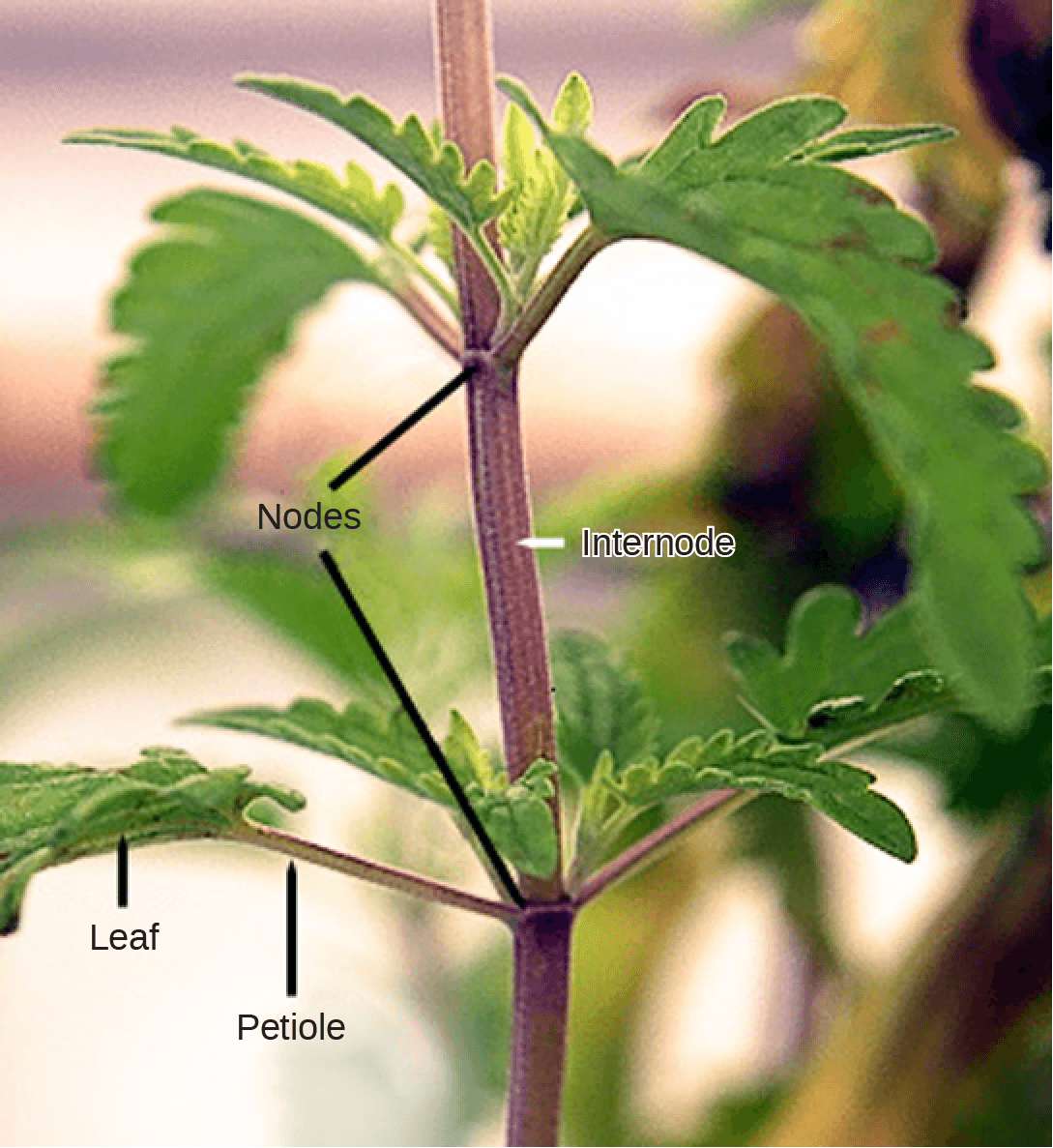
Stems | OpenStax Biology 2e View original
Is this image relevant?
Frontiers | Linking Plant Secondary Metabolites and Plant Microbiomes: A Review View original
Is this image relevant?
Stems | OpenStax Biology 2e View original
Is this image relevant?
Terpenes and Terpenoids
Terpenes are the largest class of secondary metabolites. They're all built from the same five-carbon building block: isoprene units (). The number of isoprene units determines the subclass:
- Monoterpenes (2 isoprene units, ): limonene (citrus scent)
- Sesquiterpenes (3 units, ): artemisinin (antimalarial compound)
- Diterpenes (4 units, ): taxol (anticancer drug)
- Triterpenes (6 units, ): saponins (foaming defense compounds)
Terpenoids are modified terpenes that carry additional functional groups like alcohols, aldehydes, or ketones. Many terpenes and terpenoids have strong odors and flavors. Menthol and camphor, for example, serve as attractants or repellents in plant-animal interactions.
Phenolic Compounds
Phenolic compounds all share a common structural feature: at least one aromatic ring with one or more hydroxyl groups () attached.
They range from simple to complex:
- Simple phenolics: phenolic acids (caffeic acid), coumarins
- Complex phenolics: flavonoids (quercetin), tannins, lignins
Phenolics serve a wide range of functions. Anthocyanins (a type of flavonoid) provide red, blue, and purple pigmentation. Lignins give structural rigidity to cell walls and wood. Tannins defend against herbivores by binding to proteins and reducing digestibility.
Many phenolics also have antioxidant properties, which is why compounds like resveratrol (in grapes) and catechins (in tea) are associated with health benefits in human diets.
Alkaloids and Other Nitrogen-Containing Compounds
Alkaloids are a diverse group of nitrogen-containing compounds derived from amino acids. They tend to have potent biological effects, which is why so many are pharmacologically active.
Familiar examples include:
- Nicotine (from tobacco): insect neurotoxin
- Caffeine (from coffee and tea): stimulant, also deters herbivores
- Morphine (from opium poppy): powerful analgesic
- Quinine (from cinchona bark): antimalarial
Alkaloids typically defend plants through toxicity or bitter taste. Other nitrogen-containing secondary metabolites include non-protein amino acids (which can disrupt herbivore metabolism) and cyanogenic glycosides (which release hydrogen cyanide when plant tissue is damaged).
Sulfur-Containing Compounds
Sulfur-containing secondary metabolites are less widespread but very important in certain plant families.
- Glucosinolates are found in Brassicaceae plants (broccoli, mustard, cabbage). When tissue is damaged, an enzyme called myrosinase breaks them down into toxic or pungent compounds like isothiocyanates. That sharp bite you taste in mustard and horseradish comes from this reaction.
- Alliin and its derivatives (especially allicin) give garlic and onions their characteristic odor and flavor. These compounds form when cells are crushed and alliin contacts the enzyme alliinase.
- Sulfur volatiles like dimethyl disulfide can attract pollinators or seed dispersers in some species.
Biosynthesis of Secondary Metabolites
Secondary metabolites are synthesized through specialized pathways that branch off from primary metabolism. These pathways use enzymes specific to secondary metabolism and are often tightly regulated, switching on in response to developmental signals or environmental triggers.
Shikimate Pathway for Phenolic Compounds
The shikimate pathway is a seven-step metabolic route that produces the aromatic amino acids phenylalanine, tyrosine, and tryptophan. This pathway is the starting point for most phenolic compounds.
The key entry point into phenolic metabolism:
- The enzyme phenylalanine ammonia-lyase (PAL) catalyzes the first committed step, converting phenylalanine to cinnamic acid.
- From cinnamic acid, a series of modifications (hydroxylation, methylation, glycosylation) generate the enormous diversity of phenolic secondary metabolites, including flavonoids, coumarins, and lignins.
PAL is one of the most studied enzymes in plant secondary metabolism because it sits at this critical branch point.
Mevalonate and Non-Mevalonate Pathways for Terpenes
All terpenes are built from two five-carbon precursors: isopentenyl diphosphate (IPP) and dimethylallyl diphosphate (DMAPP). Plants have two separate pathways to make these precursors, and they operate in different cellular compartments:
- Mevalonate (MVA) pathway: located in the cytosol. Produces IPP from acetyl-CoA via the intermediate mevalonic acid. Primarily supplies precursors for sesquiterpenes and triterpenes.
- Methylerythritol phosphate (MEP) pathway: located in plastids. Generates IPP and DMAPP from pyruvate and glyceraldehyde-3-phosphate. Primarily supplies precursors for monoterpenes and diterpenes.
From there, the assembly process follows a general pattern:
- Prenyltransferases join IPP and DMAPP units together to form larger precursors: geranyl diphosphate (GPP, ) for monoterpenes, farnesyl diphosphate (FPP, ) for sesquiterpenes.
- Terpene synthases convert these precursors into specific terpene skeletons.
- Additional enzymes modify the skeletons further (oxidation, hydroxylation, etc.) to produce the final products.
Amino Acid-Derived Pathways for Alkaloids
Alkaloids are derived from amino acids such as lysine, tyrosine, tryptophan, and ornithine. The general biosynthetic strategy involves decarboxylation of the amino acid to form an amine, followed by additional modifications.
Two examples illustrate the process:
Nicotine biosynthesis:
- Ornithine is decarboxylated to form putrescine.
- Putrescine undergoes oxidation, methylation, and cyclization steps to produce the pyrrolidine ring of nicotine.
Morphine biosynthesis:
- Tyrosine is converted into both dopamine and 4-hydroxyphenylacetaldehyde.
- These two intermediates condense to form (S)-reticuline.
- Reticuline is converted to morphine through several enzymatic steps involving ring closures and reductions.
Ecological Roles of Secondary Metabolites
Secondary metabolites mediate a plant's interactions with nearly every aspect of its environment. They defend, attract, compete, and protect.
Defense Against Herbivores and Pathogens
This is the most studied ecological role of secondary metabolites. Plants use a variety of chemical strategies:
- Tannins bind to dietary proteins in an herbivore's gut, reducing digestibility and nutritional value of leaves.
- Alkaloids and terpenoids can be directly toxic or repellent. Nicotine is a potent insect neurotoxin, and pyrethrin (from chrysanthemums) disrupts insect nervous systems.
- Phytoalexins are phenolic compounds produced rapidly in response to pathogen attack. Resveratrol and camalexin inhibit fungal and bacterial growth at the infection site.
- Cyanogenic glycosides (like amygdalin in bitter almonds) release toxic hydrogen cyanide () when tissue is damaged, creating a chemical "booby trap" for herbivores.
Allelopathic Interactions with Other Plants
Allelopathy is the phenomenon where one plant releases chemicals that inhibit the germination or growth of neighboring plants. This gives the producing plant a competitive advantage.
- Juglone, released by black walnut trees through roots and decomposing leaves, inhibits the growth of many plant species nearby.
- Sorgoleone, exuded from sorghum roots, suppresses weed growth and has been studied as a potential natural herbicide.
These compounds can be released from roots, leaves, or decomposing tissues into the surrounding soil.
Attraction of Pollinators and Seed Dispersers
Plants that rely on animals for pollination and seed dispersal use secondary metabolites to attract these partners:
- Floral scents are often composed of volatile terpenes and phenolics. Linalool in lavender, for instance, attracts specific bee species.
- Pigments like anthocyanins (reds, blues, purples) and carotenoids (yellows, oranges) make flowers and fruits visually conspicuous. Lycopene gives tomatoes their red color, signaling ripeness to seed dispersers.
- Reward chemistry: nectar and fruit pulp can contain secondary metabolites that reinforce animal visits. Caffeine in coffee nectar, for example, has been shown to enhance bee memory, making them more likely to return.
Protection Against Abiotic Stresses
Secondary metabolites also help plants cope with non-living environmental challenges:
- UV protection: Flavonoids, especially anthocyanins, absorb UV-B radiation and shield photosynthetic tissues from damage.
- Antioxidant defense: Under drought or salinity stress, reactive oxygen species (ROS) accumulate and damage cells. Terpenes like isoprene and phenolics like flavonoids can scavenge these ROS.
- Osmotic protection: Proline and glycine betaine (not classic secondary metabolites, but they accumulate under stress) act as osmolytes, stabilizing proteins and membranes during dehydration.
Medicinal and Economic Importance
Humans have used plant secondary metabolites for centuries as medicines, pesticides, flavorings, and dyes. Many modern products are derived from or inspired by these compounds.

Plant-Derived Drugs and Pharmaceuticals
Some of the most important drugs in modern medicine come directly from plant secondary metabolites:
- Paclitaxel (Taxol) from Pacific yew: anticancer agent that stabilizes microtubules
- Vinblastine from Madagascar periwinkle: anticancer agent that inhibits microtubule assembly
- Artemisinin from sweet wormwood (Artemisia annua): the leading antimalarial drug
- Morphine from opium poppy: powerful pain reliever
Herbal medicines and dietary supplements (ginkgo biloba, echinacea) also rely on plant extracts rich in secondary metabolites, though their efficacy varies and is not always well-supported by clinical evidence.
Natural Pesticides and Herbicides
Plant-derived pesticides can offer safer, more environmentally friendly alternatives to synthetic chemicals:
- Pyrethrin from chrysanthemum flowers targets insect nervous systems and degrades quickly in the environment.
- Neem oil from the neem tree contains limonoids that act as insect growth regulators and feeding deterrents.
- Sorgoleone from sorghum has been explored as a natural herbicide for weed control.
Flavors, Fragrances, and Dyes
Many familiar flavors and scents come from secondary metabolites:
- Menthol (mint), vanillin (vanilla), and eugenol (clove) are all terpenes or phenolics used widely in food and fragrance industries.
- Anthocyanins and betacyanins (from red beets) serve as natural food colorings.
- Indigo, derived from the leaves of indigo plants, was historically one of the most important textile dyes.
Challenges in Secondary Metabolite Production
Producing these compounds at scale is not straightforward:
- Yields depend on genotype, developmental stage, and environmental conditions, making consistency difficult.
- Many metabolites accumulate in low quantities or only in specialized tissues, requiring large amounts of plant material for extraction.
- Chemical synthesis of complex secondary metabolites is often difficult and expensive.
- Biotechnological approaches like metabolic engineering and plant cell culture are being developed to increase production and reduce reliance on harvesting wild or cultivated plants.
Regulation of Secondary Metabolism
Plants don't produce secondary metabolites constantly or uniformly. Biosynthesis is tightly regulated at multiple levels so that plants allocate resources efficiently and respond appropriately to their environment.
Genetic Control of Biosynthetic Pathways
Genes encoding secondary metabolite enzymes are often organized in clusters or co-regulated networks. Transcription factors are the key regulators that turn these genes on or off.
A well-studied example: the MYB-bHLH-WD40 (MBW) complex regulates anthocyanin biosynthesis in many plant species. This protein complex activates the genes needed to produce anthocyanin pigments.
Mutations in biosynthetic genes or their regulators can dramatically alter a plant's metabolite profile. High-anthocyanin purple tomatoes, for instance, result from engineered changes to transcription factors controlling the anthocyanin pathway.
Environmental Factors Influencing Production
Environmental conditions strongly influence which secondary metabolites a plant produces and in what quantities:
- UV-B radiation induces flavonoid production as a protective response.
- Drought and salinity trigger accumulation of osmolytes and antioxidants (proline, flavonoids).
- Herbivore or pathogen attack elicits defense compounds through jasmonate signaling, a hormonal pathway that activates alkaloid and phenolic production.
- Nutrient availability affects resource allocation. Low nitrogen, for example, can shift metabolism toward carbon-based secondary metabolites like phenolics, since there's less nitrogen available for protein synthesis.
Tissue and Organ-Specific Distribution
Secondary metabolites are typically produced where they're most needed:
- Glandular trichomes (specialized hair-like structures on leaf surfaces) are common sites of terpene and phenolic production. The menthol in mint leaves is synthesized in these structures.
- Roots exude secondary metabolites into the rhizosphere, influencing soil microbes and neighboring plants.
- Flowers and fruits accumulate pigments, volatiles, and defense compounds in specific tissues. Anthocyanins concentrate in berry skins, for example, rather than being distributed throughout the fruit.
Developmental Stages and Secondary Metabolism
Secondary metabolite production changes as plants and their organs develop:
- Young leaves often contain higher concentrations of defense compounds than mature leaves. This makes sense because young leaves are more photosynthetically valuable and more vulnerable to herbivory.
- Flowers and fruits typically accumulate secondary metabolites as they mature, with pigments and volatiles peaking at the stage when pollinator or disperser attraction is most needed.
- Senescing tissues show altered metabolite profiles as resources are remobilized. The anthocyanins that produce fall foliage colors, for instance, are synthesized during senescence and may protect leaves while nitrogen is being recovered.
Methods for Studying Secondary Metabolites
Studying secondary metabolites requires tools from analytical chemistry, molecular biology, and bioinformatics. Researchers typically combine multiple techniques to identify, quantify, and characterize these compounds and the pathways that produce them.
Extraction and Isolation Techniques
Getting secondary metabolites out of plant tissue and purifying them follows a general workflow:
- Extraction: Plant tissue is ground and mixed with a solvent. The solvent choice depends on the target compound's polarity (water or methanol for polar compounds, chloroform or hexane for nonpolar ones).
- Purification: Techniques like solid-phase extraction (SPE) or liquid-liquid extraction (LLE) concentrate specific compounds from the crude extract.
- Separation: Chromatographic methods separate individual compounds. High-performance liquid chromatography (HPLC) works well for non-volatile compounds, while gas chromatography (GC) is suited for volatile ones.
- Preparative isolation: Flash chromatography or preparative HPLC can yield larger quantities of purified compounds for structural analysis or bioassays.
Structural Elucidation Using Spectroscopic Methods
Once a compound is isolated, its structure needs to be determined. Several spectroscopic techniques are used, often in combination:
- Nuclear magnetic resonance (NMR) spectroscopy: Reveals how atoms are connected and arranged in three-dimensional space. This is usually the most informative single technique for structure determination.
- Mass spectrometry (MS): Determines molecular mass and fragmentation patterns, helping identify elemental composition and structural features.
- Infrared (IR) spectroscopy: Identifies functional groups (, , etc.) based on characteristic absorption frequencies.
- UV-Vis spectroscopy: Detects chromophores (light-absorbing groups) and can help identify compound classes.
- X-ray crystallography: Provides the absolute three-dimensional structure for compounds that can be crystallized.
Metabolomics and Metabolite Profiling
Metabolomics is the comprehensive analysis of all metabolites in a biological sample. It comes in two flavors:
- Untargeted metabolomics aims to detect as many metabolites as possible, using high-resolution MS or NMR. This approach is useful for discovering unexpected compounds or patterns.
- Targeted metabolomics focuses on quantifying specific known metabolites, using techniques like triple quadrupole MS or GC-MS.
Metabolite profiling can compare secondary metabolite accumulation across different genotypes, treatments, or developmental stages. Statistical tools like principal component analysis (PCA) and partial least squares discriminant analysis (PLS-DA) help identify meaningful differences in complex datasets.
Genetic Approaches to Understanding Biosynthesis
Molecular and genomic tools connect secondary metabolites to the genes and enzymes that produce them:
- Transcriptomics (RNA sequencing, microarrays) reveals which biosynthetic genes are expressed under different conditions.
- Genome mining identifies gene clusters associated with secondary metabolite pathways based on sequence similarity and genomic context.
- Functional genomics uses overexpression, gene silencing, or knockout experiments to test what specific genes do in secondary metabolism.
- QTL mapping and genome-wide association studies (GWAS) identify genetic loci that explain natural variation in secondary metabolite accumulation across plant populations.
See Fiveable more often in Google
Mark Fiveable as a preferred source and Google is more likely to show you our guides in Top Stories, with a "preferred" badge in AI Mode and AI Overviews.