11.6 Plant conservation policies and international agreements

🥀Intro to Botany Unit 11 Review
11.6 Plant conservation policies and international agreements
🥀 Intro to Botany
Importance of plant conservation
Plants form the foundation of nearly every terrestrial ecosystem. They provide food, shelter, and habitat for other organisms, and preserving their diversity is directly tied to the long-term health of ecosystems and human societies alike.

Top images from around the web for Role of plants in ecosystems
Soil carbon | Environment, land and water | Queensland Government View original
Is this image relevant?
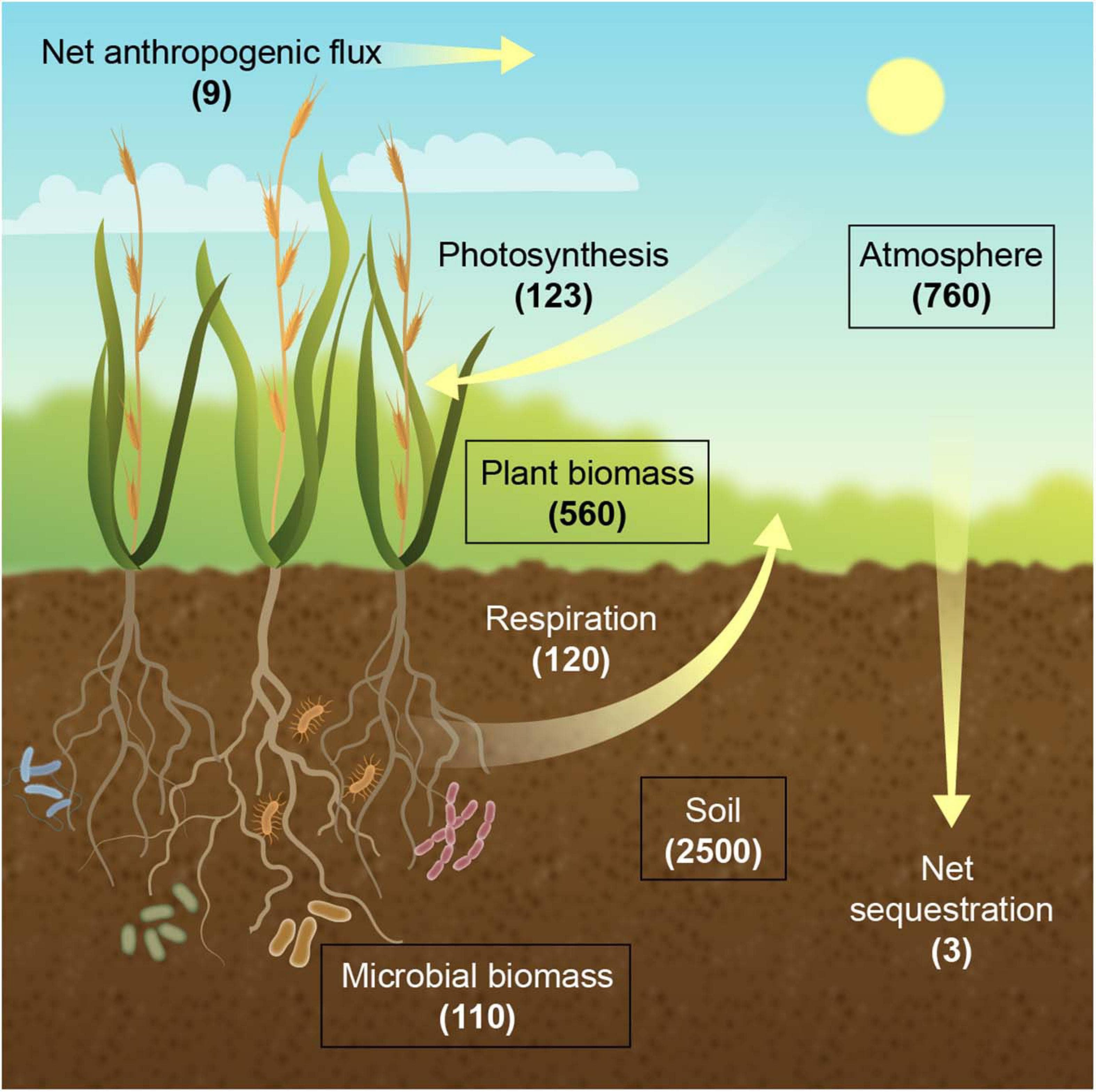
Frontiers | Crops for Carbon Farming View original
Is this image relevant?
Frontiers | Crops for Carbon Farming View original
Is this image relevant?
Soil carbon | Environment, land and water | Queensland Government View original
Is this image relevant?
Frontiers | Crops for Carbon Farming View original
Is this image relevant?
Role of plants in ecosystems
As primary producers, plants convert sunlight into chemical energy through photosynthesis, forming the base of virtually all terrestrial food chains. Beyond energy, they regulate water cycles by absorbing and releasing water through transpiration, prevent soil erosion with their root systems, and sequester atmospheric carbon dioxide. They also maintain soil fertility through decomposition and provide physical habitat for animals, insects, and microorganisms.
Impact of plant loss on biodiversity
When a plant species goes extinct, the effects ripple outward. Animals that depend on that plant for food or shelter may decline or disappear too. Reduced plant diversity disrupts ecosystem services like pollination and nutrient cycling. At the population level, loss of genetic diversity within a plant species makes it less resilient to disease, pests, or changing environmental conditions. Over time, these losses reduce the overall stability and productivity of ecosystems.
Economic value of plant diversity
Plants underpin major economic sectors. They supply food, medicine, timber, and fibers directly, and many industries depend on plant-derived compounds for pharmaceuticals, cosmetics, and biofuels. Plant genetic diversity is also a critical resource for crop breeding, helping develop varieties resistant to drought, disease, or pests. Healthy, diverse plant communities support ecotourism and recreation as well.
Major threats to plant species
Several interconnected threats drive plant species toward decline and extinction. Effective conservation requires understanding each of these pressures and how they interact.
Habitat loss and fragmentation
The single largest threat to plants is the conversion of natural habitats for agriculture, urbanization, and infrastructure. Tropical deforestation is a well-known example, but grassland conversion for livestock grazing is equally devastating and often overlooked. When habitats are broken into smaller patches, plant populations become isolated. This reduces gene flow between populations, making them more vulnerable to inbreeding and local extinction. Fragmented habitats also create edge effects, where altered microclimates and increased exposure to invasive species degrade habitat quality even in remaining patches.
Overexploitation of plant resources
Unsustainable harvesting pushes many species toward decline. Rosewood logging in Madagascar has decimated populations of several tree species, while wild ginseng in Appalachia has been overharvested for decades. Illegal trade in rare plants, particularly orchids and cacti, compounds the problem. When harvesting rates exceed a population's ability to reproduce, local extinctions follow.
Climate change effects
Shifting temperature and precipitation patterns are altering where plants can survive and when they flower, fruit, or leaf out (their phenology). Alpine plants are especially vulnerable because as temperatures rise, their suitable habitat shrinks toward mountaintops with nowhere left to go. More frequent droughts, floods, and wildfires add further stress. Rising sea levels threaten coastal and island plant communities, and warming oceans degrade seagrass beds tied to coral reef systems.
Invasive species impact
Non-native plants introduced through horticulture, shipping, or other human activities can outcompete native species for light, water, and nutrients. Kudzu vine in the southeastern United States, for instance, smothers native vegetation by growing over trees and blocking sunlight. Water hyacinth chokes African lakes, displacing native aquatic plants and disrupting entire ecosystems. Invasive species can also alter fire regimes and nutrient cycling, fundamentally changing habitat structure.
International agreements for conservation
No single country can protect global plant diversity alone. International agreements create shared frameworks for setting goals, coordinating actions across borders, and mobilizing resources.
Convention on Biological Diversity (CBD)
Adopted in 1992, the CBD is the broadest international treaty addressing biodiversity. It has three main objectives: conserving biological diversity, promoting sustainable use of its components, and ensuring equitable sharing of benefits from genetic resources. Under the CBD, signatory nations develop National Biodiversity Strategies and Action Plans (NBSAPs) to guide their conservation efforts.
The CBD's Aichi Biodiversity Targets (set in 2010 for 2011–2020) included specific benchmarks such as protecting at least 17% of terrestrial areas (Target 11) and preventing the extinction of known threatened species (Target 12). These targets have since been succeeded by the Kunming-Montreal Global Biodiversity Framework (adopted in 2022), which sets new goals for 2030, including protecting 30% of land and sea areas.
Global Strategy for Plant Conservation (GSPC)
The GSPC operates as a program under the CBD, focused specifically on plants. It originally set 16 outcome-oriented targets for 2020, addressing conservation, sustainable use, education, and capacity building. Notable targets included having at least 75% of threatened plant species conserved in ex-situ collections like seed banks (Target 8) and incorporating the importance of plant diversity into education programs (Target 14). While not all targets were fully met by 2020, the GSPC provided a concrete roadmap that focused global attention on plant-specific conservation needs.

CITES for regulating plant trade
The Convention on International Trade in Endangered Species of Wild Fauna and Flora (CITES) specifically regulates cross-border trade in threatened species. It uses a three-appendix system:
- Appendix I: Species threatened with extinction. Commercial trade is generally prohibited.
- Appendix II: Species not yet threatened with extinction but requiring trade regulation to prevent unsustainable use.
- Appendix III: Species that individual countries have asked other CITES parties to help regulate.
CITES covers thousands of plant species, including many orchids, cacti, and timber species like mahogany.
Ramsar Convention for wetland protection
The Ramsar Convention (1971) is the oldest intergovernmental environmental treaty, focused on the conservation and wise use of wetlands. Wetlands support unique plant communities and provide critical ecosystem services like water filtration and flood control. Signatory nations designate Wetlands of International Importance and develop management plans for them. Well-known Ramsar sites include the Okavango Delta in Botswana and the Pantanal wetland spanning Brazil, Bolivia, and Paraguay.
National policies and strategies
International agreements set the direction, but national governments are responsible for putting conservation into practice. Effective national policies translate global goals into enforceable laws and on-the-ground programs.
Endangered species legislation
Many countries have laws that specifically protect threatened and endangered plants from harm, collection, or habitat destruction. The Endangered Species Act (ESA) in the United States, for example, makes it illegal to harm listed species and requires the designation of critical habitat. India's Wildlife Protection Act similarly provides legal protection for listed plant species. These laws create enforcement mechanisms, including penalties for violations, and often mandate recovery plans for listed species.
Protected area networks
Governments establish protected areas to safeguard habitats and the plant populations within them. These range in designation and management intensity:
- National parks typically restrict most extractive activities
- Nature reserves may focus on specific species or habitat types
- Wildlife sanctuaries often allow some human use alongside conservation
Effective management depends on adequate funding, regular monitoring, and involvement of surrounding communities. Examples include Kruger National Park in South Africa and Gunung Mulu National Park in Malaysia.
Ex-situ conservation efforts
Ex-situ conservation means protecting species outside their natural habitats, in places like botanic gardens and seed banks. These collections serve as a safety net: if a species disappears from the wild, stored seeds or living specimens can be used for reintroduction. Ex-situ efforts complement in-situ conservation (protection in natural habitats) rather than replacing it. Major institutions include the Royal Botanic Gardens at Kew in the United Kingdom and the National Germplasm Resources Laboratory in the United States.
Sustainable use policies
Conservation doesn't always mean hands-off protection. Sustainable use policies aim to balance human needs with long-term species survival. This includes developing harvesting guidelines, regulating trade, and certifying sustainably sourced products. Community-based approaches, where local people share in the benefits of conservation, tend to be more effective than top-down restrictions alone. Examples include sustainable forestry certification and non-timber forest product programs.
Conservation organizations and initiatives
Non-governmental organizations and international partnerships fill gaps that governments can't always address, providing scientific expertise, public outreach, and direct conservation action.
Botanic gardens and seed banks
Botanic gardens maintain living collections of plants for research, education, and conservation. Seed banks take a different approach, storing seeds under controlled conditions for long-term preservation. The Svalbard Global Seed Vault in Norway, built into an Arctic mountainside, serves as a backup for seed collections worldwide. The Missouri Botanical Garden in the United States maintains one of the world's largest herbarium collections and conducts extensive fieldwork in biodiversity hotspots.
IUCN Red List of Threatened Species
The IUCN Red List is the most widely used system for assessing extinction risk. It evaluates species using standardized criteria and assigns them to categories ranging from Least Concern to Extinct. For plants, the Red List helps identify which species need urgent attention and informs policy decisions. Examples of Red-Listed plants include Rafflesia arnoldii (Critically Endangered) and the Wollemi pine, Wollemia nobilis (Endangered), which was thought to be extinct until a small population was discovered in Australia in 1994.
Millennium Seed Bank Partnership
Coordinated by the Royal Botanic Gardens at Kew, this global network of seed banks aimed to collect and conserve seeds from 25% of the world's bankable plant species by 2020. The partnership prioritizes threatened, endemic, and economically important species. Partner institutions include the Australian PlantBank and the South African National Biodiversity Institute. Collected seeds are dried and frozen, allowing them to remain viable for decades or even centuries.

Global Trees Campaign
This partnership between Fauna & Flora International and Botanic Gardens Conservation International focuses on saving the world's most threatened tree species. It funds field conservation projects, builds local capacity, and raises public awareness. Projects have targeted species like the Critically Endangered Mulanje cedar in Malawi and Grandidier's baobab in Madagascar, combining habitat protection with community engagement.
Challenges in plant conservation
Real progress has been made, but significant obstacles continue to limit conservation effectiveness.
Funding and resource limitations
Conservation is chronically underfunded. Available money often falls short of what's needed for research, habitat protection, and species recovery. In many biodiversity-rich countries, trained personnel and infrastructure are scarce. Competing priorities for limited funds mean that plant conservation frequently receives less attention than animal conservation, despite plants being equally critical to ecosystem health.
Balancing conservation and development
Conservation goals often conflict with economic pressures. A government may want to protect a forest, but local communities may depend on that land for farming or timber. Successful conservation usually requires finding ways to meet both needs, through approaches like sustainable livelihoods programs, payments for ecosystem services, or integrating conservation into land-use planning rather than treating it as a separate concern.
Implementing policies effectively
Having a law on the books is not the same as enforcing it. Many countries have strong conservation legislation but lack the resources, political will, or institutional capacity to implement it. Corruption, weak governance, and conflicting land-use policies can undermine even well-designed regulations. Effective implementation requires stakeholder engagement, clear accountability, and consistent monitoring.
Monitoring and assessing progress
You can't protect what you haven't measured. Developing standardized methods for tracking plant populations, habitat quality, and threat levels remains a challenge. Data collection is expensive and labor-intensive, especially in remote or biodiverse regions. Citizen science programs and traditional ecological knowledge from indigenous communities can help fill data gaps, but integrating these sources into formal monitoring systems takes coordination.
Future directions and opportunities
Conservation is evolving, and new tools and approaches are expanding what's possible.
Integrating conservation and sustainable use
Rather than treating conservation and resource use as opposites, newer strategies aim to combine them. Agroforestry systems, for example, grow crops alongside native trees, maintaining some habitat value while providing income. Shade-grown coffee plantations preserve forest canopy, and sustainable medicinal plant harvesting programs ensure that wild populations can recover. Incorporating conservation goals into broader land-use and ecosystem management plans makes protection more durable.
Engaging local communities
Indigenous and local communities often have deep knowledge of local plant species and ecosystems. Conservation efforts that incorporate traditional ecological knowledge and give communities a genuine role in decision-making tend to be more effective and longer-lasting. Examples include community-managed sacred groves in India and participatory forest management programs across Africa and Southeast Asia. Benefit-sharing arrangements ensure that communities have economic incentives to protect biodiversity.
Harnessing technology for conservation
Technology is opening new possibilities for conservation at every scale. Remote sensing and GIS allow researchers to monitor habitat change across large areas. Drones can map vegetation in hard-to-reach terrain. Genomic tools help scientists understand genetic diversity within and between populations, guiding decisions about which populations to prioritize. Cryopreservation, the storage of plant tissues at ultra-low temperatures, offers a way to conserve species whose seeds can't survive conventional seed banking.
Strengthening international cooperation
Plant conservation works best when countries, organizations, and researchers share knowledge and resources. Joint research programs, capacity-building initiatives, and networks like the Global Partnership for Plant Conservation help coordinate efforts. The Botanical Gardens Climate Change Alliance, for instance, brings together gardens worldwide to study and respond to climate impacts on plant diversity. As threats like climate change and invasive species cross borders, international cooperation becomes not just helpful but necessary.
See Fiveable more often in Google
Mark Fiveable as a preferred source and Google is more likely to show you our guides in Top Stories, with a "preferred" badge in AI Mode and AI Overviews.