6.2 Plant primary metabolites

🥀Intro to Botany Unit 6 Review
6.2 Plant primary metabolites
🥀 Intro to Botany
Types of primary metabolites
Primary metabolites are the compounds plants absolutely need to survive. Unlike secondary metabolites (which handle things like defense and pigmentation), primary metabolites are directly involved in growth, development, and reproduction. Every plant produces them, and they fall into four main categories: carbohydrates, lipids, proteins, and nucleic acids.

Top images from around the web for Carbohydrates
Connections of Carbohydrate, Protein, and Lipid Metabolic Pathways | OpenStax Biology 2e View original
Is this image relevant?
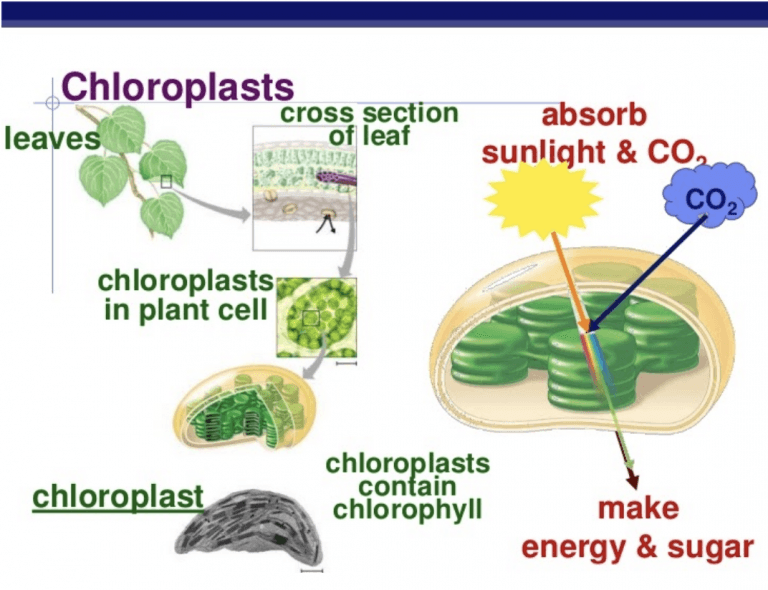
Photosynthesis – Classroom Partners View original
Is this image relevant?
Connections of Carbohydrate, Protein, and Lipid Metabolic Pathways | OpenStax Biology 2e View original
Is this image relevant?
Photosynthesis – Classroom Partners View original
Is this image relevant?
Carbohydrates
Carbohydrates are organic molecules made of carbon, hydrogen, and oxygen, typically in a 1:2:1 ratio, represented by the general formula . They're the main energy currency for plants and the direct product of photosynthesis.
Plant carbohydrates show up in three key forms:
- Sugars (glucose, fructose, sucrose): small molecules used for immediate energy and transport. Sucrose is the main form plants use to move energy through the phloem.
- Starch: a storage polysaccharide packed into plastids, broken down when the plant needs energy (like at night, when photosynthesis stops).
- Cellulose: a structural polysaccharide that forms rigid cell walls. It's the most abundant organic molecule on Earth.
Lipids
Lipids are a diverse group of hydrophobic (water-repelling) molecules. They serve roles in energy storage, membrane structure, and signaling.
- Triglycerides: storage lipids, especially concentrated in seeds and fruits. They pack more energy per gram than carbohydrates.
- Phospholipids and glycolipids: the building blocks of cell membranes, forming the lipid bilayer that separates the cell from its environment.
- Cutin and suberin: waxy protective lipids. Cutin coats leaf and stem surfaces to reduce water loss, while suberin waterproofs root endodermis and bark.
Proteins
Proteins are macromolecules built from amino acids linked by peptide bonds. They're the most functionally diverse primary metabolites.
- Rubisco: the enzyme that fixes carbon dioxide during the Calvin cycle. It's the most abundant protein on Earth.
- Lectins: defense proteins that can bind to carbohydrates on the surface of herbivore gut cells or pathogens.
- Storage proteins: accumulated in seeds to provide nitrogen and amino acids for the developing seedling after germination.
Nucleic acids
Nucleic acids store and transmit genetic information. The two types are DNA (deoxyribonucleic acid) and RNA (ribonucleic acid).
- DNA holds the complete genetic blueprint for the plant, organized into genes that encode proteins and regulatory sequences.
- RNA comes in several forms. Messenger RNA (mRNA) carries gene instructions to ribosomes, transfer RNA (tRNA) delivers amino acids during translation, and ribosomal RNA (rRNA) forms part of the ribosome itself.
Roles in plant physiology
Each class of primary metabolite contributes to specific physiological functions. Here's how they break down by role.
Energy production and storage
Sugars produced during photosynthesis fuel immediate metabolic needs through cellular respiration. Excess sugars get converted to starch for short-term storage or to triglycerides for long-term, energy-dense storage (especially in seeds). When the plant needs energy later, it breaks these storage molecules back down.
Structural components
- Cellulose and hemicellulose form the rigid framework of plant cell walls, giving tissues their shape and mechanical strength.
- Phospholipids and glycolipids make up cell membranes, controlling what enters and exits the cell.
- Structural proteins like extensins and arabinogalactan proteins are embedded in cell walls, adding flexibility and helping cells communicate.
Enzyme and hormone synthesis
Proteins function as enzymes, catalyzing nearly every biochemical reaction in the plant, from photosynthesis to respiration to the production of other metabolites. Some proteins also act as signaling molecules: systemin triggers defense responses when a plant is wounded, and florigen is a protein signal that induces flowering.
Genetic information storage
DNA stores the instructions; RNA carries them out. During gene expression, DNA is transcribed into mRNA, which is then translated into proteins at the ribosome. This flow of information (DNA → RNA → protein) controls every aspect of plant growth and development.
Biosynthesis pathways
Primary metabolites are built through specific biosynthetic pathways, each involving a series of enzyme-catalyzed reactions that convert simple precursors into complex molecules.
Photosynthesis for carbohydrate production
Photosynthesis converts and into sugars using light energy. The process has two stages:
- Light reactions capture solar energy and produce ATP and NADPH.
- The Calvin cycle uses that ATP and NADPH to fix into glyceraldehyde-3-phosphate (G3P), which is then assembled into glucose.
Glucose can be used directly for respiration, polymerized into starch for storage, or polymerized into cellulose for cell walls.
Fatty acid synthesis for lipids
Fatty acid synthesis occurs primarily in plastids:
- Acetyl-CoA provides two-carbon units.
- These units are added sequentially to a growing carbon chain by the enzyme fatty acid synthase.
- The resulting long-chain fatty acids are then modified and assembled into triglycerides, phospholipids, or other lipid types depending on the cell's needs.
Amino acid synthesis for proteins
Plants can synthesize all 20 standard amino acids (unlike animals, which must obtain some from food). The major pathways include:
- Glycolysis-derived pathways produce amino acids like alanine and serine.
- Aspartate-derived pathways produce lysine, threonine, and methionine.
- The shikimate pathway produces aromatic amino acids (phenylalanine, tyrosine, tryptophan), which also serve as precursors for many secondary metabolites.
Once synthesized, amino acids are linked together by ribosomes through peptide bonds to form functional proteins.
Nucleotide synthesis for nucleic acids
Nucleotides are built through two distinct pathways:
- The purine pathway produces adenine (A) and guanine (G) nucleotides.
- The pyrimidine pathway produces cytosine (C), thymine (T, found in DNA), and uracil (U, found in RNA) nucleotides.
These nucleotides are then polymerized by DNA polymerase or RNA polymerase to form DNA and RNA, respectively.

Regulation of primary metabolism
Plants don't just produce metabolites at a constant rate. Production is tightly regulated so the plant can respond to its internal needs and external conditions.
Genetic control
Gene expression for metabolic enzymes is regulated at both the transcriptional level (whether a gene is turned on) and the post-transcriptional level (how mRNA is processed and stabilized). Transcription factors act as molecular switches. For example, the transcription factor SUSIBA2 in barley controls which starch synthesis genes are active, influencing how much starch accumulates in the grain.
Environmental factors
- Light drives photosynthesis and directly controls carbohydrate production rates.
- Temperature affects enzyme activity. Too cold and reactions slow down; too hot and enzymes can denature.
- Nutrient availability matters a lot. Nitrogen is required for amino acid and nucleotide synthesis, while phosphorus is a component of nucleotides, ATP, and membrane phospholipids. Limited supply of either nutrient constrains primary metabolism.
Developmental stages
Metabolic priorities shift as a plant develops. During seed development, the plant channels resources into storage proteins and lipids. During vegetative growth, carbohydrate production and cellulose synthesis ramp up. During senescence (aging of leaves), the plant breaks down proteins and other macromolecules to remobilize nutrients to younger tissues or developing seeds.
Importance in plant growth and development
Cell division and differentiation
Cell division requires energy (from sugars), new membrane material (from lipids and proteins), and DNA replication (from nucleotides). As cells differentiate into specialized types, changes in gene expression alter which proteins are produced, determining cell identity and function.
Tissue and organ formation
Cellulose and hemicellulose provide the structural scaffolding for tissues. Lipids contribute to specialized structures like the waxy cuticle on leaf surfaces. Proteins in vascular tissues help with long-distance transport of water and nutrients. The coordinated production of all four metabolite classes is what allows a plant to build complex organs like leaves, roots, and flowers.
Reproduction and seed development
Reproduction is metabolically expensive. Sugars fuel flower development and fruit formation. Seeds accumulate large reserves of lipids and storage proteins to sustain the embryo during germination and early seedling growth, before the seedling can photosynthesize on its own. Gene expression patterns controlled by mRNA determine the timing of seed development, dormancy, and germination.
Relationship to secondary metabolites
Precursors for secondary metabolite synthesis
Primary metabolites are the starting materials for secondary metabolite production. A few important examples:
- Phenylalanine (an amino acid) is the precursor for phenolic compounds like flavonoids and lignin, via the phenylpropanoid pathway.
- Isopentenyl diphosphate (IPP), produced from acetyl-CoA through the mevalonate or non-mevalonate (MEP) pathway, is the building block for all terpenes.
- Lysine, tyrosine, and tryptophan (amino acids) serve as starting points for various alkaloids.
Balance between primary and secondary metabolism
Plants face a resource trade-off. Under favorable conditions, most resources go toward primary metabolism and growth. When the plant is stressed (herbivore attack, pathogen infection, UV exposure), signaling pathways shift resources toward secondary metabolite production for defense.
Two key hormonal pathways regulate this balance:
- Jasmonic acid signaling promotes defense against herbivores and necrotrophic pathogens.
- Salicylic acid signaling promotes defense against biotrophic pathogens.
Both pathways can redirect primary metabolite precursors into secondary metabolite production.
Manipulation in agricultural practices
Crop yield improvement
Boosting primary metabolism can increase yields. Strategies include enhancing photosynthetic efficiency (for example, engineering crops to use carbon fixation), optimizing nutrient uptake, and overexpressing key enzymes in biosynthetic pathways. These approaches aim to get more biomass or harvestable product from the same amount of land and sunlight.
Nutritional content enhancement
Because primary metabolites determine the nutritional value of crops, targeted modifications can address dietary deficiencies:
- High-lysine maize was developed by increasing accumulation of the essential amino acid lysine, which is normally low in corn.
- Golden rice was engineered to produce beta-carotene (a vitamin A precursor) in the grain endosperm, targeting vitamin A deficiency in rice-dependent populations.
Stress tolerance and disease resistance
Manipulating primary metabolism can also help crops survive harsh conditions:
- Increasing production of compatible solutes like proline and glycine betaine helps plants tolerate drought and salinity by maintaining cell water balance.
- Modifying cell wall composition (e.g., increasing lignin or callose deposition) can create physical barriers against pathogens.
- Engineering plants to produce higher levels of defense-related proteins can improve resistance to fungal diseases and insect herbivory.
See Fiveable more often in Google
Mark Fiveable as a preferred source and Google is more likely to show you our guides in Top Stories, with a "preferred" badge in AI Mode and AI Overviews.