4.6 Plant identification and herbaria

🥀Intro to Botany Unit 4 Review
4.6 Plant identification and herbaria
🥀 Intro to Botany
Importance of Plant Identification
Plant identification is a foundational skill for anyone working with plants, whether in botany, ecology, agriculture, or conservation. Without knowing what a plant is, you can't study its role in an ecosystem, track its population, or figure out if it's threatened.
Correct identification also matters for practical reasons. It helps conservationists prioritize endangered species, allows land managers to develop targeted strategies, and lets researchers study how plant diversity and distribution change over time.

Top images from around the web for Morphological characteristics
Introduction to Plant Morphology – Red Seal Landscape Horticulturist Identify Plants and Plant ... View original
Is this image relevant?
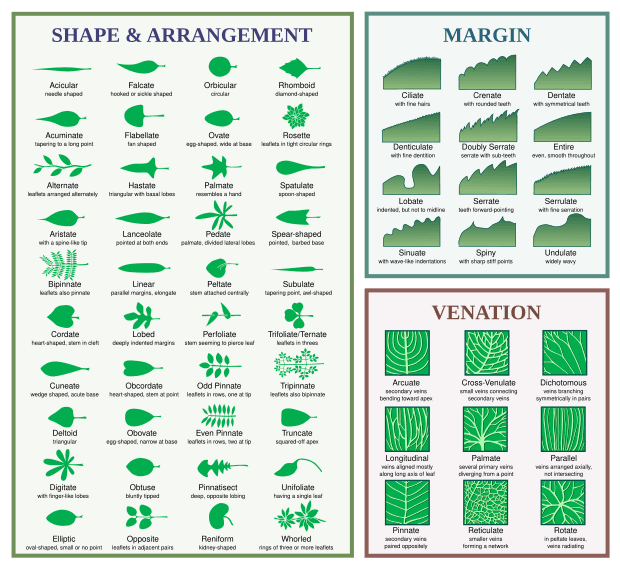
Glossary of leaf morphology - Wikipedia View original
Is this image relevant?
Plant Morphology – Leaves – Red Seal Landscape Horticulturist Identify Plants and Plant Requirements View original
Is this image relevant?
Introduction to Plant Morphology – Red Seal Landscape Horticulturist Identify Plants and Plant ... View original
Is this image relevant?
Glossary of leaf morphology - Wikipedia View original
Is this image relevant?
Methods of Plant Identification
Morphological Characteristics
This is the most traditional approach: you look at the physical features of a plant and match them to known species. The features that matter most include:
- Leaf traits: shape, arrangement on the stem (opposite, alternate, whorled), and venation pattern (parallel, pinnate, palmate)
- Flower traits: color, symmetry (radial vs. bilateral), number of petals, and overall structure
- Fruit and stem traits: fruit type (berry, capsule, drupe, etc.), stem shape, and bark texture
To work through these traits systematically, botanists use dichotomous keys. A dichotomous key presents a series of paired choices (called "couplets"), each describing contrasting characteristics. You pick the one that matches your specimen, and the key guides you step by step to a species name.
Some concrete examples of diagnostic morphological traits: maples have opposite leaf arrangement, grapes show palmate venation, and pea-family flowers display bilateral symmetry.
DNA Barcoding
DNA barcoding identifies species by sequencing short, standardized regions of a plant's genome and comparing the sequence to a reference database. Think of it as a genetic fingerprint for species.
The most commonly used barcode regions for plants are:
- rbcL and matK (both from chloroplast DNA)
- ITS (from nuclear ribosomal DNA)
DNA barcoding is especially useful for cryptic species, which look nearly identical but are genetically distinct. Practical applications include verifying the identity of medicinal plants like ginseng and detecting food fraud, such as cheaper fillers mixed into dried oregano.
Chemical Analysis
Plants produce a huge variety of secondary metabolites (alkaloids, terpenes, phenolics, and others), and these chemical profiles can differ between species even when the plants look alike. Techniques like chromatography and mass spectrometry can detect these differences.
Chemical analysis is particularly helpful for distinguishing closely related species within a genus (such as different Eucalyptus species) and for determining the geographic origin of plant materials (for example, tracing where a batch of tea was grown).
Tools for Plant Identification
Field Guides and Keys
Field guides are portable reference books designed for a specific region or plant group. They typically include illustrations or photographs, written descriptions, habitat information, and dichotomous keys.
A few widely used examples:
- Peterson Field Guide to Wildflowers
- Trees of North America: A Guide to Field Identification
The strength of a good field guide is that it combines visual references with ecological context, so you're not just matching shapes but also considering where and when a plant grows.
Online Resources
Online databases extend your reach far beyond any single field guide. They cover broader geographic ranges, include both native and introduced species, and are frequently updated. Many also incorporate user-generated photographs and observations.
Notable platforms include:
- Flora of North America: comprehensive taxonomic treatments
- iNaturalist: community-driven observations with expert verification
- Plants of the World Online (from Kew Gardens): global species-level data
Mobile Apps
Smartphone apps let you attempt identification in the field by photographing a plant and running it through image-recognition algorithms powered by machine learning. Some apps also use GPS data to narrow down species suggestions based on your location.
Popular options include PlantSnap, PictureThis, and Seek by iNaturalist. These tools are useful starting points, but they're not always accurate, especially for less common species. Treat app suggestions as a hypothesis to confirm, not a final answer.
Herbarium Collections
Purpose and Value
A herbarium is a collection of preserved, dried plant specimens stored for long-term reference. Herbaria serve as permanent records of plant diversity, documenting what species existed, where they grew, and when they were collected.
These collections support a wide range of uses:
- Taxonomic research: comparing specimens to describe and classify species
- Species identification: serving as physical references against which unknown plants can be compared
- Historical documentation: tracking how plant populations and distributions have changed over decades or centuries
- Education: providing hands-on reference material for students and researchers
Remarkably, herbarium specimens can yield usable DNA even centuries after collection, opening the door to molecular studies on historical material.

Specimen Preparation Techniques
Preparing a herbarium specimen involves several steps:
- Collect the plant material, ideally including leaves, flowers, and/or fruits for maximum diagnostic value.
- Arrange the specimen on acid-free paper, positioning parts so key features are visible (both sides of a leaf, flower interior, etc.).
- Press and dry by placing the specimen between sheets of absorbent material (like blotting paper or newspaper) inside a plant press, then applying even pressure. Drying typically takes several days depending on the plant's moisture content.
- Mount the dried specimen onto archival-quality paper using adhesive or linen tape.
- Label with essential collection data: species name, collection location, date, habitat description, and collector's name.
- Store in protective folders or cabinets under controlled conditions.
Bulky or fleshy specimens (like cacti or large fruits) may require special techniques such as slicing, spirit preservation, or separate storage.
Herbarium Organization and Management
Herbaria organize specimens according to a standardized classification system. Many now follow the Angiosperm Phylogeny Group (APG) system, though older collections may still use the Cronquist system. Within either framework, specimens are arranged by family, then genus, then species.
Each specimen receives a unique accession number for tracking and retrieval. Proper storage conditions are critical: low humidity and cool temperatures help prevent degradation and pest damage (insects are a real threat to dried plant material). Digital databases and high-resolution imaging are increasingly used to catalog collections and make them accessible to researchers worldwide.
Herbarium-Based Research
Taxonomic Studies
Herbarium specimens are the backbone of plant taxonomy. Researchers examine morphological variation across specimens from different populations and regions, consult historical literature, and compare their findings to establish species boundaries.
Herbaria also house type specimens, which are the official nomenclatural references that anchor a species name. When there's a dispute about what a species name actually refers to, the type specimen is the final authority.
Notable examples of herbarium-based taxonomic work include the description of new species like Solanum plastisexum and major reclassifications within genera like Acacia.
Ecological Studies
Because herbarium specimens include collection dates and locations on their labels, they form a historical record of where plants occurred and when they were in flower or fruit. Researchers use this data to:
- Track shifts in species ranges over time
- Study changes in phenology (the timing of biological events like flowering), particularly in response to climate change
- Reconstruct historical plant communities and assess long-term vegetation change
- Examine the spread of invasive species through a region
Biogeographical Studies
Biogeography studies the geographic distribution of species and the processes that shape those patterns. Herbarium data is invaluable here because it provides occurrence records spanning decades or centuries.
Researchers use specimen data to map species ranges, identify centers of diversity, and infer historical migration routes. This work also informs conservation planning by pinpointing areas of high endemism (where many species are found nowhere else) or potential refugia for threatened species. Examples include tracing how tree species recolonized landscapes after the last ice age and studying how mountain ranges act as barriers to plant dispersal.
Role of Herbaria in Conservation
Documenting Plant Diversity
Herbarium collections provide a comprehensive inventory of plant diversity, including rare and endangered species that may be hard to find in the wild. Specimens collected over many years establish baseline data on species occurrences, which is essential for monitoring population trends and assessing conservation status.
Herbarium records have even led to the rediscovery of species presumed extinct. For instance, Asclepias bicuspis was rediscovered through herbarium-guided fieldwork, and previously unknown populations of the endangered Wollemi pine were documented with the help of herbarium records.
Assessing Species Distribution
Herbarium occurrence data feeds into species distribution models, which predict where a species could potentially live based on its known locations and environmental variables (climate, soil, elevation, etc.). These models help:
- Identify suitable habitat for rare or threatened species
- Prioritize areas for conservation action
- Assess how land use changes or climate change might shift species ranges
Herbarium records also serve to validate models built from other data sources like remote sensing or field surveys.
Monitoring Population Changes
By comparing historical specimens with contemporary collections, researchers can detect population declines, range contractions, or shifts in morphological traits that may signal environmental stress. This kind of long-term monitoring is difficult to achieve any other way.
Well-known examples include documenting the decline of the American chestnut (Castanea dentata) due to chestnut blight and assessing the genetic diversity of the critically endangered Brighamia insignis from Hawaiian collections.

Herbarium Digitization
Benefits and Challenges
Digitization means creating high-resolution images of herbarium specimens and transcribing their label data into searchable databases. The benefits are significant: researchers can study specimens remotely, data can be shared across institutions, and digital records can be integrated with climate models, DNA databases, and other datasets.
The challenges are equally real. Large herbaria contain millions of specimens, and imaging and transcribing each one takes considerable time and resources. Standardizing metadata across institutions, maintaining data quality, and managing long-term digital storage all require sustained investment.
Digitization Methods
The typical digitization workflow looks like this:
- Image capture: High-resolution scanners or digital cameras photograph each specimen and its label. Larger or fragile specimens may need specialized setups.
- Data transcription: Label information is transcribed manually or with optical character recognition (OCR) software, followed by data cleaning to ensure consistency.
- Georeferencing: Collection localities described on labels are assigned geographic coordinates, enabling spatial analysis and mapping.
Access to Digital Collections
Digitized herbarium data is shared through major online portals, including:
- GBIF (Global Biodiversity Information Facility): aggregates biodiversity data from institutions worldwide
- iDigBio (Integrated Digitized Biocollections): focuses on U.S. collections
Users can search by taxonomy, geography, or collection date, and download specimen images along with associated metadata. Some herbaria also maintain their own virtual interfaces, such as the Harvard University Herbaria and the Australian Virtual Herbarium.
Collaboration in Plant Identification
Citizen Science Initiatives
Citizen science projects engage non-specialists in collecting plant data, dramatically expanding the geographic and temporal coverage of observations. Platforms like iNaturalist and Project BudBurst allow anyone to submit photographs and observations, which are then reviewed by experts and added to global biodiversity databases.
These contributions complement professional research and herbarium collections, filling gaps in regions or time periods that scientists can't cover alone.
Expert Networks
Expert networks connect plant identification specialists (taxonomists, field botanists, ecologists) across institutions and organizations. These networks provide forums for discussing difficult identification cases, sharing best practices, and coordinating research and conservation priorities.
Examples include the Plant Conservation Alliance's Rare Plant Network and various regional botanical societies that facilitate collaboration among professionals.
International Partnerships
Plant identification challenges are global, and addressing them requires international cooperation. Partnerships focus on standardizing taxonomic frameworks, developing shared data protocols, and building capacity in biodiversity-rich regions that may lack institutional resources.
Large-scale initiatives illustrate this well. The African Plants Initiative digitized and shared over 2 million African plant specimens from herbaria across Europe and Africa. The Global Plants Initiative and the Consortium of European Taxonomic Facilities (CETAF) work to enhance coordination among herbaria and identification experts worldwide.
Future of Plant Identification
Advances in Technology
Several emerging technologies are poised to change how plants are identified:
- 3D scanning and hyperspectral imaging can capture specimen data in far more detail than traditional photography
- Machine learning and computer vision are being applied to automate identification from morphological features (apps like LeafSnap pioneered this approach for tree leaves)
- Portable DNA sequencers (such as Oxford Nanopore's MinION) enable on-site genetic identification in the field, removing the need to send samples back to a lab
Integration of Methods
The most robust identifications will increasingly combine multiple lines of evidence: morphological, molecular, and ecological. Integrative taxonomy synthesizes data from different sources to delimit species more reliably than any single method alone.
A related concept is the extended specimen, which links a physical herbarium specimen with its associated genetic sequences, phenotypic measurements, and environmental data. This creates a much richer record than the dried plant alone. Standardization efforts like the Plant Ontology (which unifies terminology across plant morphology, anatomy, and development) support this integration.
Importance of Taxonomic Expertise
Technology is a powerful tool, but it doesn't replace the knowledge of skilled taxonomists and field botanists. Interpreting complex morphological variation, recognizing species new to science, and ensuring that identifications are accurate all require deep expertise that algorithms alone can't provide.
Training new generations of taxonomists remains a priority. Initiatives like the Global Taxonomy Initiative aim to build taxonomic capacity and infrastructure, particularly in developing countries where plant diversity is highest but trained specialists are fewest.
See Fiveable more often in Google
Mark Fiveable as a preferred source and Google is more likely to show you our guides in Top Stories, with a "preferred" badge in AI Mode and AI Overviews.