10.3 Plant molecular biology and biotechnology

🥀Intro to Botany Unit 10 Review
10.3 Plant molecular biology and biotechnology
Fundamentals of plant molecular biology

Top images from around the web for Structure and function of plant genomes
Comparative analysis of the complete plastid genomes of Mangifera species and gene transfer ... View original
Is this image relevant?
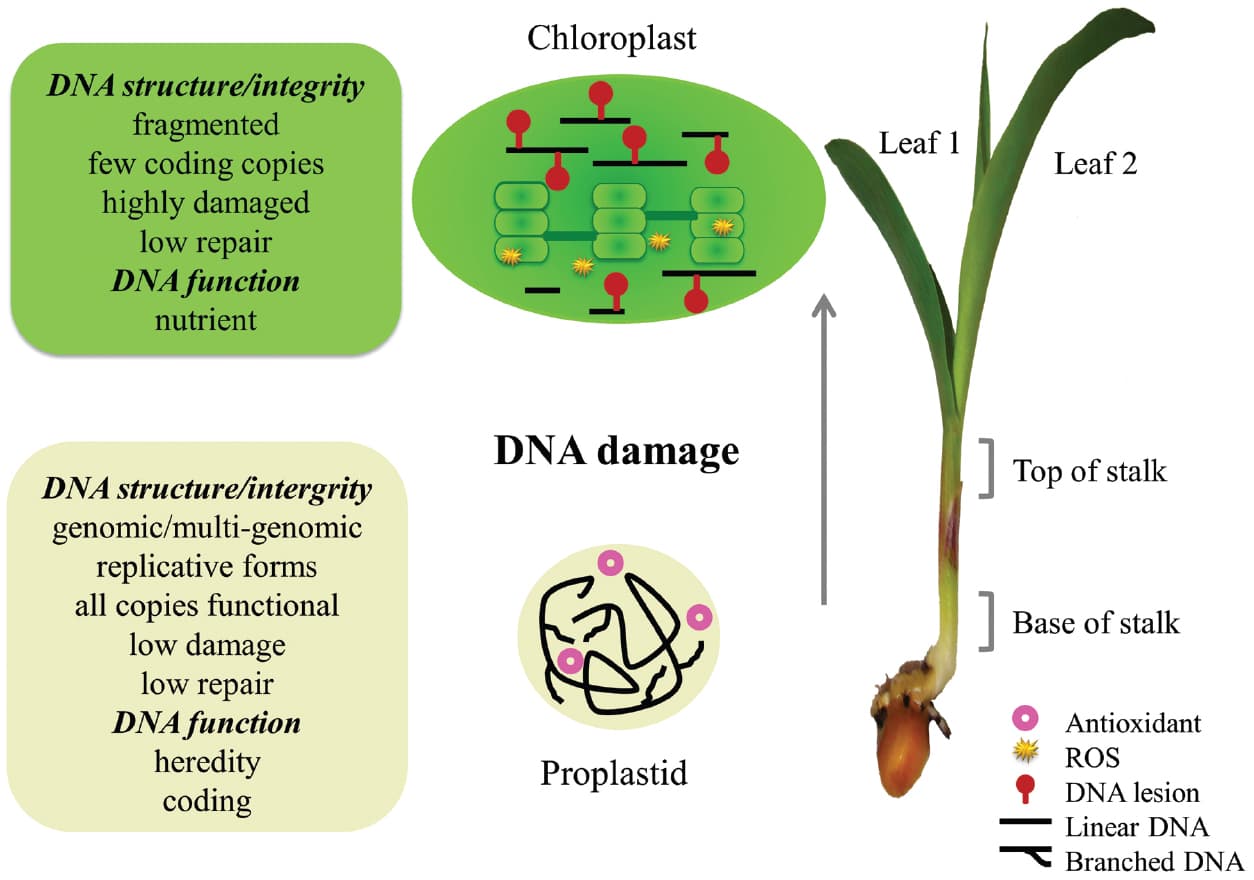
Frontiers | DNA maintenance in plastids and mitochondria of plants View original
Is this image relevant?
Frontiers | Plastid genomics in horticultural species: importance and applications for plant ... View original
Is this image relevant?
Comparative analysis of the complete plastid genomes of Mangifera species and gene transfer ... View original
Is this image relevant?
Frontiers | DNA maintenance in plastids and mitochondria of plants View original
Is this image relevant?
Structure and function of plant genomes
Plant genomes vary enormously in size and complexity. Arabidopsis thaliana has a compact genome of about 135 million base pairs, while wheat clocks in at roughly 17 billion. Understanding genome structure helps explain why some species are easier to study and engineer than others.
Plants carry three distinct genomes, each with its own role:
- Nuclear genome contains the majority of genes controlling growth, development, and trait expression. It's organized into chromosomes, with protein-coding genes interspersed among large stretches of non-coding DNA. Repetitive sequences called transposons ("jumping genes") make up a huge portion of many plant genomes and drive genome evolution.
- Mitochondrial genome encodes genes essential for cellular respiration and energy production.
- Plastid genome (mainly in chloroplasts) carries genes for photosynthesis and related metabolic functions.
Gene expression and regulation in plants
Gene expression is the process by which information in a gene gets converted into a functional product, usually a protein (though some genes produce non-coding RNAs instead).
This process is tightly regulated at multiple levels:
- Transcriptional — Transcription factors bind to specific DNA sequences (promoters, enhancers) to turn genes on or off. Environmental signals like light, temperature, and drought influence which transcription factors are active.
- Post-transcriptional — mRNA can be spliced, modified, or degraded before it's translated.
- Translational — The rate at which ribosomes translate mRNA into protein can be controlled.
- Post-translational — Proteins can be modified (e.g., phosphorylation) or tagged for degradation after they're made.
Epigenetic modifications add another layer of control. DNA methylation and histone modifications can silence or activate genes without changing the underlying DNA sequence. These modifications can even be inherited across generations.
Molecular techniques for studying plant genes
Researchers use a toolkit of molecular techniques to study how plant genes work:
- PCR (polymerase chain reaction) amplifies a specific DNA sequence so there's enough material to analyze. It's one of the most fundamental techniques in molecular biology.
- DNA sequencing determines the exact order of nucleotides in a DNA molecule. Next-generation sequencing (NGS) has made it possible to sequence entire genomes or transcriptomes quickly and affordably.
- Microarrays and RNA-seq measure gene expression across the whole genome at once, revealing which genes are turned on or off under specific conditions.
- Genetic mapping and linkage analysis connect specific genes to observable traits by tracking how they're inherited together.
- Transgenic plants and mutant analysis help researchers figure out what individual genes do. By knocking out a gene or inserting a new one, you can observe how the plant changes.
Plant genetic engineering
Methods of plant genetic transformation
Genetic transformation introduces foreign DNA into plant cells to create transgenic plants with new or enhanced traits. The two main methods are:
- Agrobacterium-mediated transformation — uses a natural bacterial mechanism to shuttle DNA into plant cells.
- Particle bombardment (biolistics) — physically shoots DNA-coated particles into plant tissue.
Each method has strengths and limitations, and the choice depends on the plant species and the goal of the experiment.
Agrobacterium-mediated gene transfer
This is the most widely used method for plant transformation. Here's how it works:
- Agrobacterium tumefaciens is a soil bacterium that naturally transfers a segment of its DNA (called T-DNA) into plant cells, which normally causes tumor-like growths called crown galls.
- Scientists remove the tumor-causing genes from the T-DNA and replace them with the gene of interest, plus a selectable marker.
- Plant cells (often leaf discs) are co-cultivated with the engineered Agrobacterium, allowing the T-DNA to transfer into the plant genome.
- Transformed cells are selected and regenerated into whole plants.
This method works well for many dicots (tobacco, tomato, soybean) and has been adapted for monocots (rice, maize). It tends to produce stable, low-copy-number insertions, which means the transgene is more reliably expressed.
Particle bombardment and other techniques
- Particle bombardment fires tiny gold or tungsten particles coated with DNA into plant cells at high velocity. It's especially useful for species that don't respond well to Agrobacterium, and it can transform a variety of tissue types.
- Electroporation uses brief electrical pulses to open temporary pores in cell membranes, allowing DNA to enter.
- Microinjection delivers DNA directly into individual cells through fine glass needles.
- Protoplast transformation removes the cell wall enzymatically, then uses chemical treatment or electrical pulses to get DNA into the naked cell.
These alternative methods are less common but fill important gaps when Agrobacterium-mediated transformation isn't an option.
Strategies for transgene expression in plants
Getting a transgene into a plant cell is only half the challenge. You also need it to be expressed properly. Several strategies control when, where, and how much protein the transgene produces:
Promoter choice is the most critical decision:
- Constitutive promoters (like CaMV 35S from cauliflower mosaic virus) drive strong expression in most tissues at all times.
- Tissue-specific promoters restrict expression to particular organs or cell types, such as seed-specific or root-specific promoters.
- Inducible promoters respond to external signals (heat, chemicals), giving researchers control over when the gene turns on.
Other strategies include:
- Codon optimization — adjusting the DNA sequence so it uses codons preferred by the host plant, improving translation efficiency.
- Introns and UTRs — including intron sequences and optimized untranslated regions can boost transgene stability and expression levels.
- Chloroplast transformation — inserting the transgene into the chloroplast genome rather than the nuclear genome. This allows very high expression levels and provides natural containment, since chloroplast DNA is typically inherited only through the maternal line.
Applications of plant biotechnology

Crop improvement through genetic engineering
Genetic engineering allows scientists to introduce specific beneficial traits into crops. Some major examples:
- Herbicide tolerance — Roundup Ready soybeans carry a gene that makes them resistant to the herbicide glyphosate, so farmers can spray for weeds without harming the crop.
- Insect resistance — Bt cotton and Bt corn produce insecticidal proteins from Bacillus thuringiensis, reducing the need for chemical pesticide applications.
- Improved nutrition — Golden Rice is engineered to accumulate beta-carotene (provitamin A) in the grain endosperm, targeting vitamin A deficiency in regions where rice is a dietary staple.
- Abiotic stress tolerance — Crops engineered for drought or salinity tolerance can maintain yields in challenging environments where conventional varieties struggle.
Enhancing plant resistance to stresses
Plants face two broad categories of stress: biotic (pests, pathogens) and abiotic (drought, salinity, extreme temperatures). Genetic engineering addresses both:
- Bt genes from Bacillus thuringiensis produce proteins toxic to specific insect pests but harmless to humans.
- Pathogen-derived resistance uses genes from viruses or bacteria themselves to protect plants against disease. For example, expressing a viral coat protein gene can make a plant resistant to that virus.
- Osmolyte synthesis genes — introducing genes that produce compounds like proline or glycine betaine helps plants maintain cell function under drought or high-salt conditions.
- RNA interference (RNAi) can silence genes that are essential for pest or pathogen survival, providing another route to resistance.
Modifying plant traits for improved nutrition
Biofortification through genetic engineering enhances the nutritional content of staple crops to combat malnutrition in regions that depend heavily on a few food sources.
- Golden Rice accumulates beta-carotene in the endosperm, addressing vitamin A deficiency that causes blindness and immune problems in millions of people.
- Iron-biofortified rice and wheat contain higher levels of bioavailable iron to combat anemia.
- High-oleic acid soybeans produce oil with a healthier fatty acid profile for human consumption.
- Enhanced amino acid content — increasing essential amino acids like lysine and methionine in cereals improves their protein quality, since these amino acids are typically limiting in grain-based diets.
Production of plant-derived pharmaceuticals
Plants can be engineered as biological factories for pharmaceutical compounds, an approach called molecular pharming. The advantages include low production costs, easy scalability, and reduced risk of contamination with human pathogens (compared to mammalian cell cultures).
Examples include:
- Edible vaccines expressed in fruits or vegetables (e.g., hepatitis B antigen produced in potatoes)
- Monoclonal antibodies for cancer therapy produced in tobacco leaves
- Therapeutic proteins like human serum albumin and insulin synthesized in plant systems
Challenges remain around ensuring consistent product quality, preventing unintended environmental exposure of pharmaceutical-producing plants, and navigating regulatory approval.
Phytoremediation and environmental applications
Phytoremediation uses plants to remove, degrade, or stabilize contaminants in soil, water, or air. Genetic engineering can enhance plants' natural cleanup abilities:
- Mercury detoxification — genes like merA and merB enable plants to convert highly toxic mercury compounds into less harmful forms.
- Organic pollutant degradation — genes for breaking down pollutants like PCBs or explosives can be introduced into plants suited for contaminated sites.
- Biosensors — transgenic plants can be designed to signal the presence of specific pollutants, serving as living environmental monitors.
Genome editing in plants
CRISPR/Cas9 system for plant genome editing
CRISPR/Cas9 has become the go-to tool for precise genome editing in plants. Unlike traditional genetic engineering, which inserts foreign DNA, CRISPR can make targeted changes to a plant's own genes.
How it works, step by step:
- A guide RNA (gRNA) is designed to match the target DNA sequence in the plant genome.
- The gRNA directs the Cas9 nuclease (a molecular "scissors") to that exact location.
- Cas9 creates a double-strand break in the DNA at the target site.
- The cell's own DNA repair machinery fixes the break, and depending on the repair pathway used, this can knock out a gene, introduce a specific mutation, or insert a new sequence.
CRISPR works across a wide range of plant species and can be multiplexed, meaning multiple genes can be edited simultaneously in a single experiment.
Targeted mutagenesis and gene knockout
The outcome of a CRISPR edit depends on which DNA repair pathway the cell uses:
- Non-homologous end joining (NHEJ) is the default repair pathway. It often introduces small insertions or deletions (indels) at the break site. These indels can disrupt the reading frame of a gene, effectively knocking it out. This is the most common application.
- Homology-directed repair (HDR) uses a provided DNA template to make precise edits. With HDR, you can introduce a specific point mutation or insert a desired sequence at the target site. HDR is less efficient than NHEJ in most plant systems, but it enables much more precise modifications.
Targeted mutagenesis is valuable both for basic research (figuring out what a gene does) and for applied breeding (creating plants with novel traits).
Gene regulation and epigenetic modifications
CRISPR technology extends beyond cutting DNA. A modified version called dCas9 (catalytically "dead" Cas9) can't cut DNA but still binds to the target site. This opens up new possibilities:
- Gene activation or repression — dCas9 fused to a transcriptional activator can boost expression of a target gene, while dCas9 fused to a repressor can dial it down. This lets researchers tune gene expression without permanently altering the DNA sequence.
- Targeted epigenetic editing — dCas9 fused to epigenetic modifiers (like DNA methyltransferases or histone acetyltransferases) can add or remove epigenetic marks at specific locations, changing how genes are expressed and how chromatin is structured.
These CRISPR-based regulatory tools provide powerful new ways to study gene function and develop traits that might be difficult to achieve through traditional knockout or overexpression approaches.

Ethical and regulatory aspects
Public perception and acceptance of GMOs
Genetically modified organisms (GMOs) have been commercially available since the mid-1990s, but public debate continues. Common concerns include:
- Health risks — questions about allergenicity and long-term toxicity of GM foods (though decades of research have found no evidence that approved GM foods are less safe than conventional counterparts)
- Environmental impact — gene flow to wild relatives, effects on non-target organisms like pollinators
- Socio-economic issues — corporate control of seed supplies, potential monopolization of the food system
Effective science communication and transparency are important for building public trust. Many countries require labeling of GM foods so consumers can make informed choices.
Biosafety and risk assessment of GM plants
Before any GM plant reaches the market, it undergoes rigorous safety evaluation:
- Environmental risk assessment examines potential impacts on non-target organisms, likelihood of gene flow to wild relatives, and broader ecosystem effects.
- Food safety assessment evaluates whether the GM food is nutritionally equivalent to its conventional counterpart, and tests for new allergens or toxins.
- Each GM product is assessed on a case-by-case basis, since risks depend on the specific trait, the gene source, and the crop species.
- Containment measures (physical barriers, biological strategies like male sterility) help prevent unintended spread of transgenes.
Intellectual property rights and patents
Plant biotechnology innovations are frequently protected by intellectual property rights (IPRs) and patents. Patents grant the inventor exclusive rights for a limited period in exchange for publicly disclosing the invention.
IPRs encourage investment in research and development, but they can also restrict access to important technologies. This tension is particularly acute for resource-poor farmers and developing countries that may not be able to afford licensing fees. Initiatives like humanitarian licensing and patent pools aim to balance innovation incentives with broader public access.
Regulatory frameworks for plant biotechnology
Regulatory systems for GM plants vary by country but generally involve safety assessments, controlled field trials, and formal approval processes before commercialization.
- The Cartagena Protocol on Biosafety is an international agreement that provides guidelines for the transboundary movement of GMOs.
- Harmonization of regulations across countries can reduce trade barriers and facilitate global adoption of GM crops.
- Capacity building and technology transfer are important for helping developing countries establish their own regulatory systems and benefit from biotechnology advances.
A current regulatory challenge involves genome-edited crops (e.g., CRISPR-edited plants with no foreign DNA). Some countries regulate these the same as traditional GMOs, while others treat them more like conventionally bred varieties.
Future prospects and challenges
Emerging technologies in plant biotechnology
Several newer approaches are expanding the toolkit beyond traditional transgenic methods:
- New breeding techniques (NBTs) include cisgenesis (using genes from the same or a sexually compatible species) and intragenesis (using rearranged genetic elements from compatible species). These blur the line between genetic engineering and conventional breeding.
- Genome editing tools like CRISPR, TALENs, and zinc finger nucleases (ZFNs) enable precise, targeted modifications without necessarily leaving foreign DNA in the final plant.
- Synthetic biology applies engineering principles to design entirely new biological systems, including synthetic promoters, redesigned metabolic pathways, and even synthetic genomes.
- Nanotechnology is being explored for targeted delivery of nutrients, pesticides, or genetic material directly to plant cells.
Integration of omics approaches
Omics technologies generate comprehensive datasets about different layers of plant biology:
- Genomics — the complete DNA sequence and gene content
- Transcriptomics — which genes are being expressed (as mRNA) under given conditions
- Proteomics — the full set of proteins present in a cell or tissue
- Metabolomics — the complete profile of small-molecule metabolites
Integrating data across these layers gives a systems-level view of how plants function. Researchers can identify key genes, regulatory networks, and metabolic pathways that control important traits. Bioinformatics tools are essential for managing and analyzing these massive datasets. Together, integrated omics approaches are accelerating the discovery of gene targets for crop improvement.
Addressing global food security and sustainability
Plant biotechnology can contribute to food security and environmental sustainability in several ways:
- Climate-resilient crops — developing varieties tolerant to drought, heat, and flooding for regions most affected by climate change
- Biofortified staple crops — addressing micronutrient deficiencies (vitamin A, iron, zinc) in populations that rely on a limited diet
- Nitrogen-use efficient crops — reducing dependence on synthetic fertilizers, which are energy-intensive to produce and contribute to water pollution
- Reduced food waste — engineering crops with longer shelf life or improved post-harvest characteristics
These goals align with the broader concept of sustainable intensification: producing more food on existing farmland while minimizing environmental impact.
Overcoming technical and regulatory hurdles
Several challenges still limit the full potential of plant biotechnology:
Technical challenges:
- Transformation efficiency varies by genotype, so methods that work well in one variety may fail in another
- Transgene stability and consistent inheritance across generations aren't always guaranteed
- Genetic modifications can have pleiotropic effects (unintended changes to other traits) that are difficult to predict
Regulatory and social challenges:
- Regulatory approval is expensive and time-consuming, which favors large companies over public-sector researchers
- Regulations differ across countries, creating trade complications and slowing adoption
- Public skepticism persists in many regions, requiring ongoing science communication efforts
Addressing these barriers requires collaboration among researchers, policymakers, industry, and farming communities. Capacity building and inclusive innovation models are particularly important for ensuring that the benefits of plant biotechnology reach developing countries and smallholder farmers.
See Fiveable more often in Google
Mark Fiveable as a preferred source and Google is more likely to show you our guides in Top Stories, with a "preferred" badge in AI Mode and AI Overviews.